Women healers practiced medicine for thousands of years.
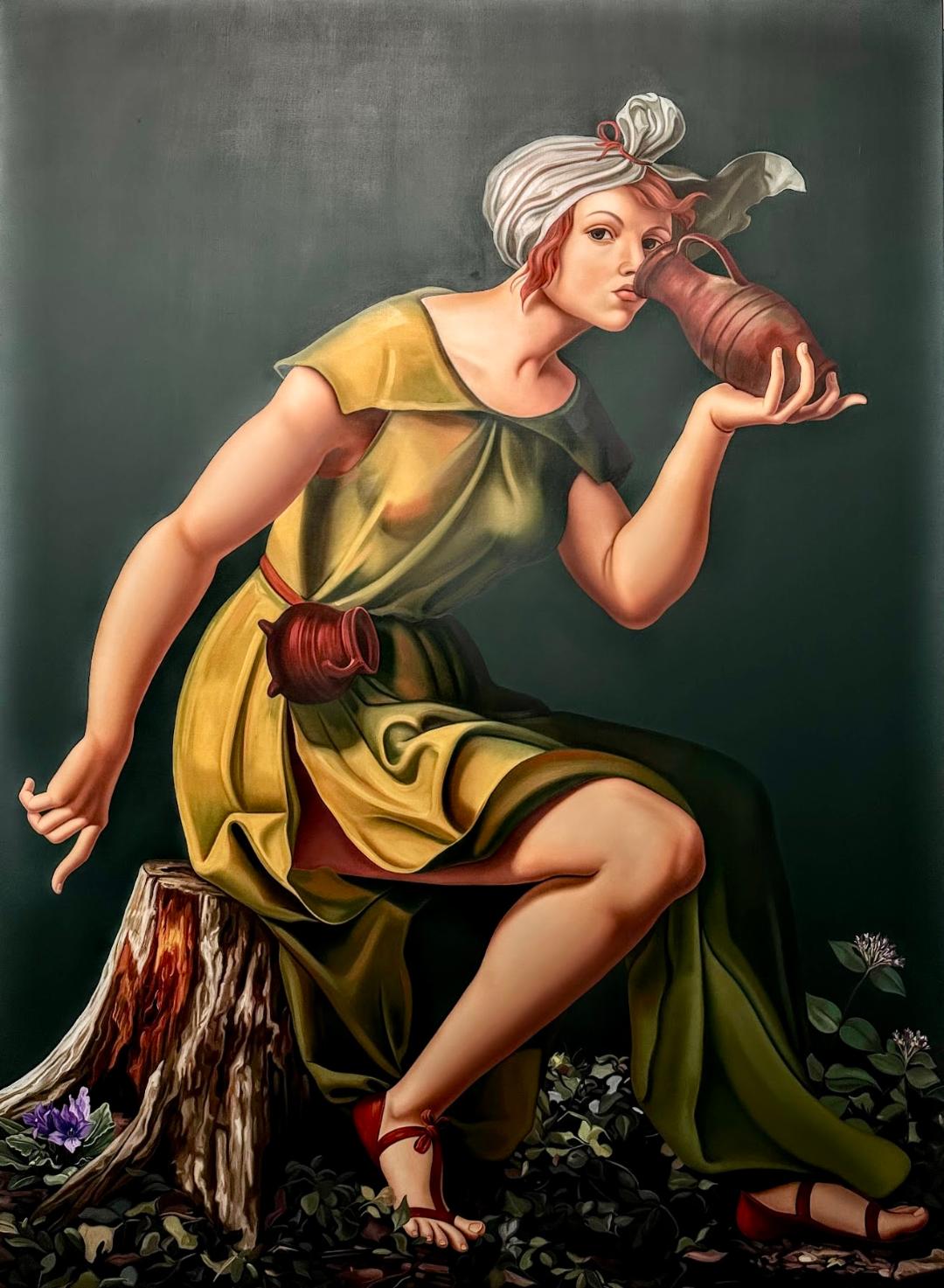
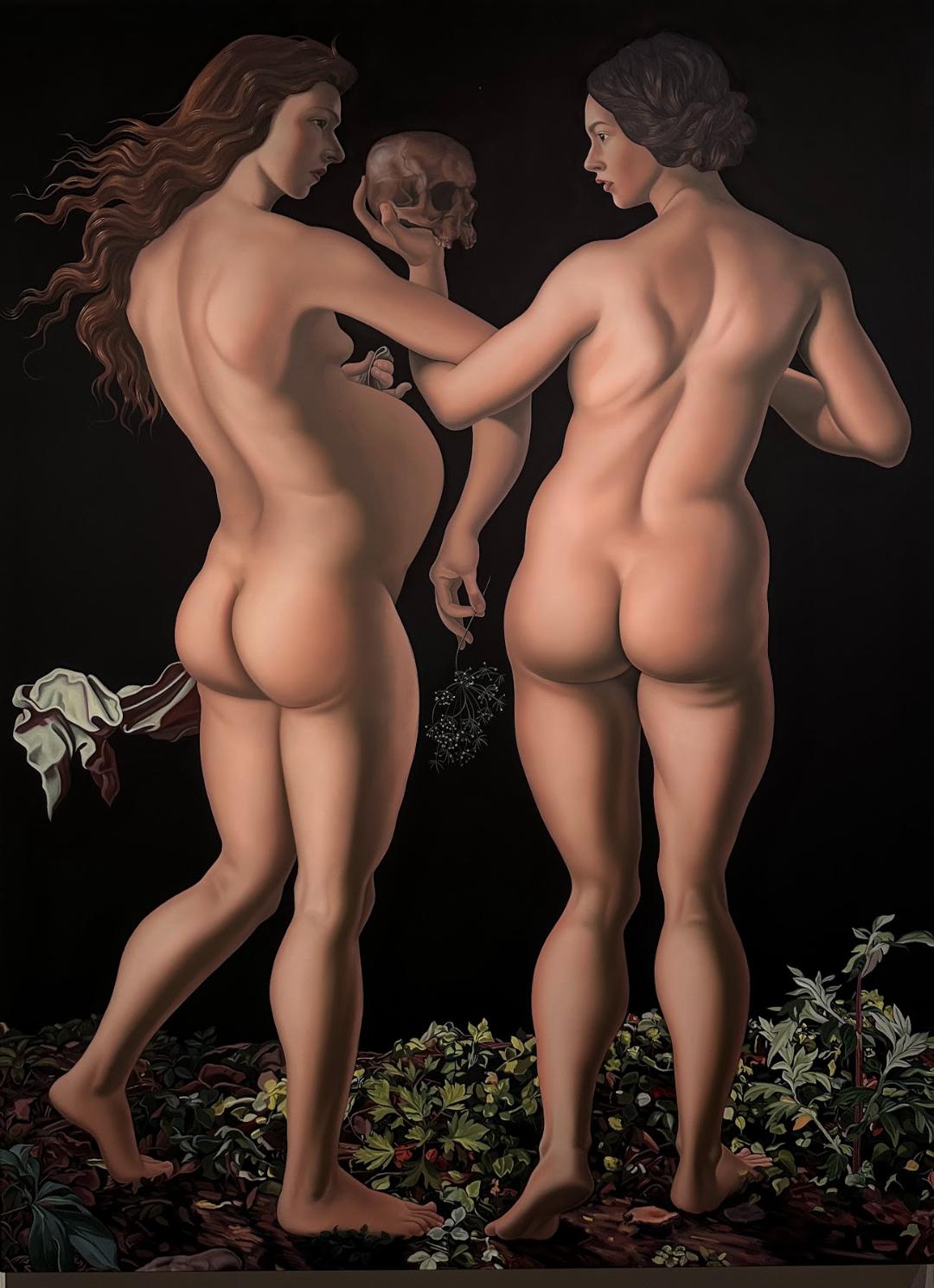
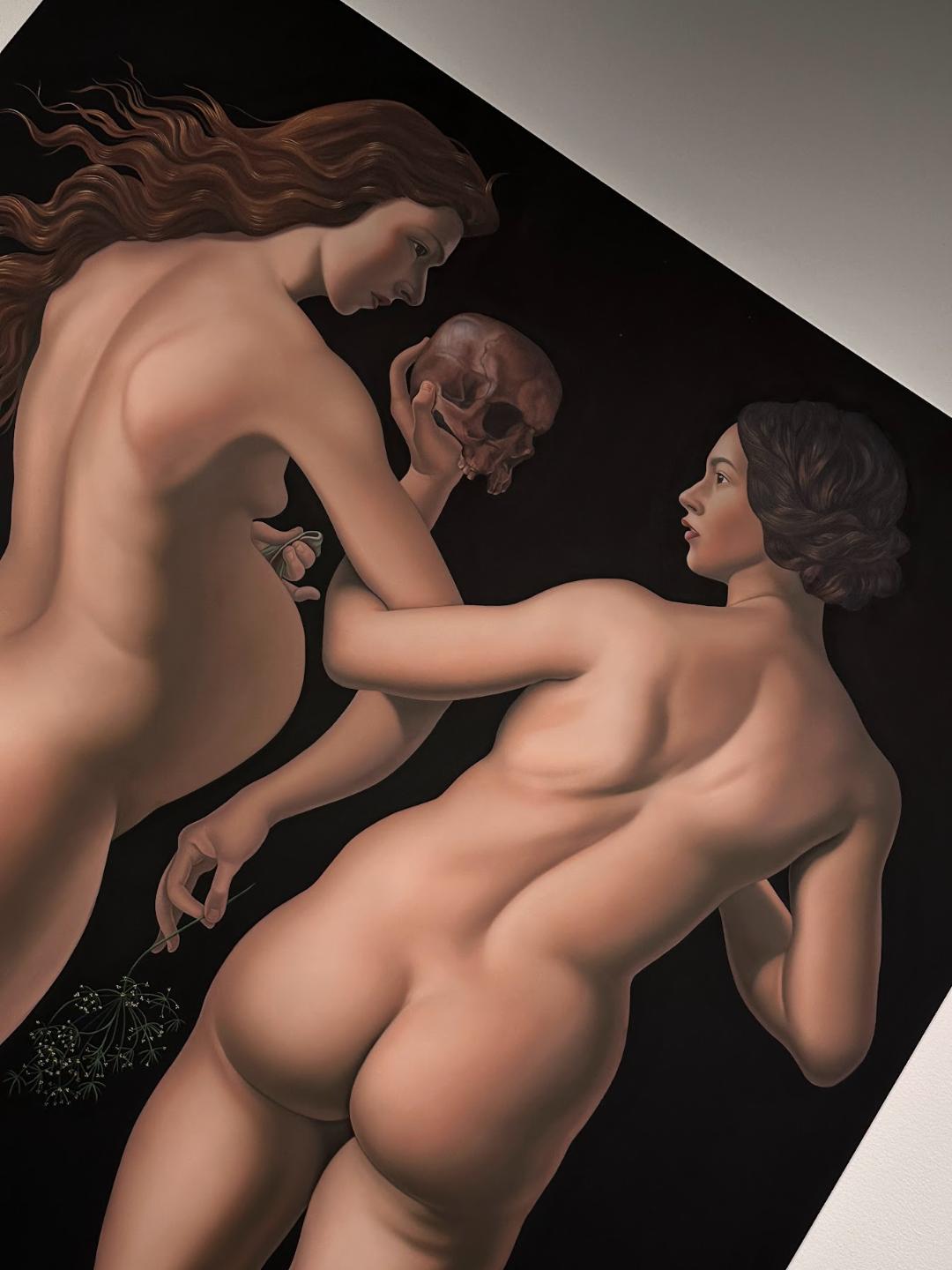
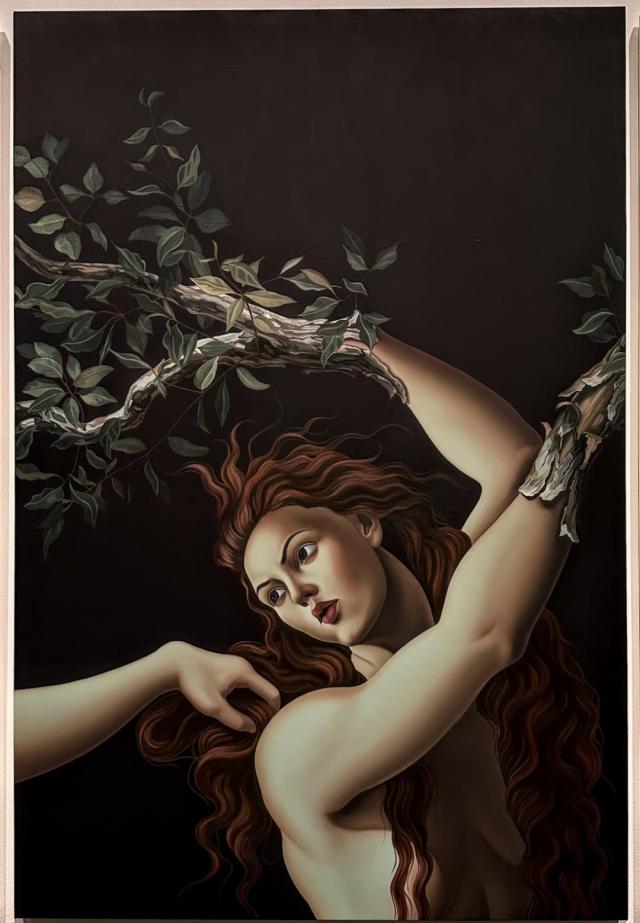
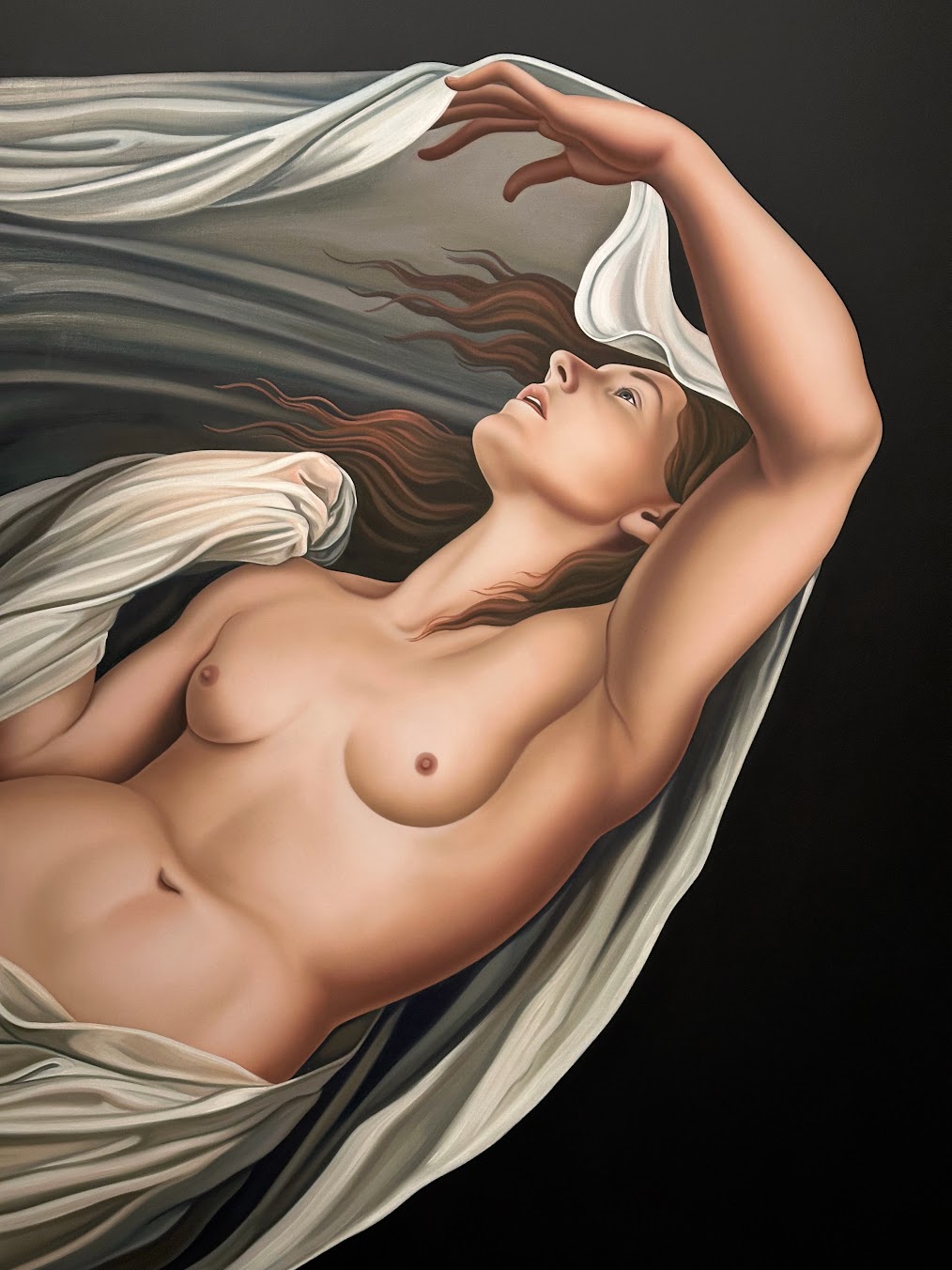
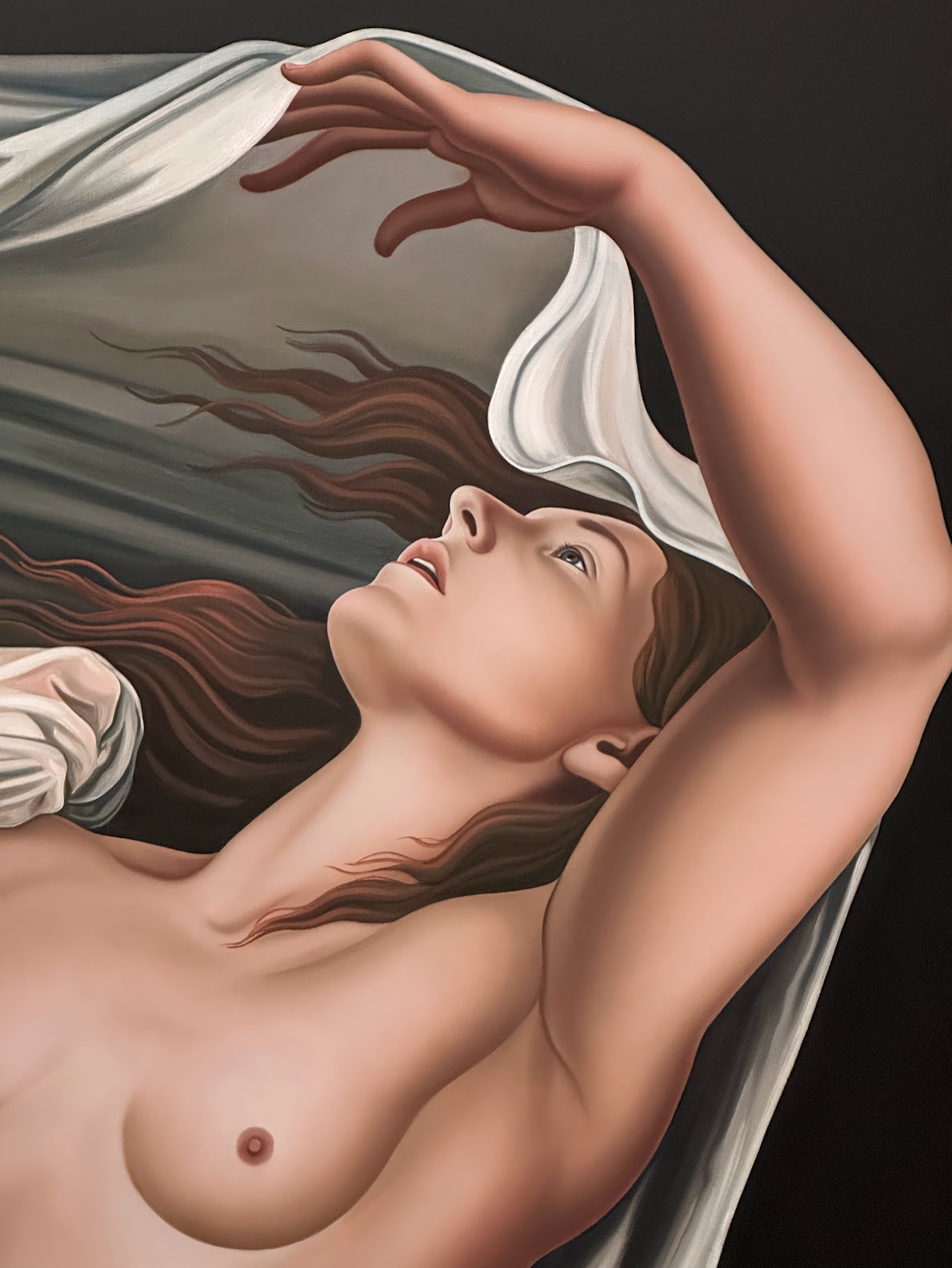
Old Magic (2025) Oil on Linen
“In the late Middle Ages (1300-1500 CE), these practices were criminalized, and women who worked with plant medicine were rebranded as witches.“
Witches became an archetype for story telling.
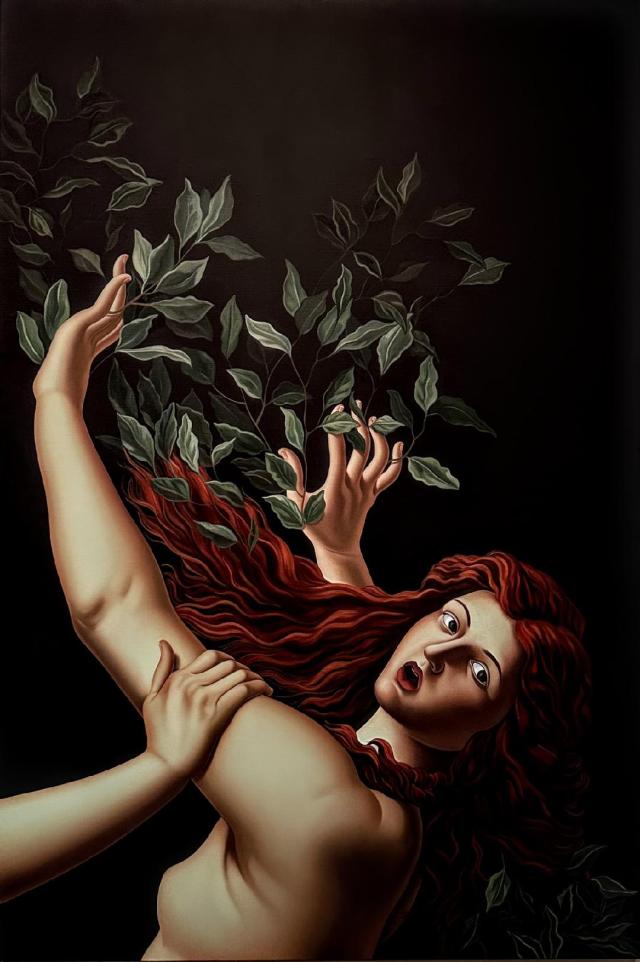
Forbidden Fruit (2025) Oil on Linen
“In her recent paintings of witchy women, Mockrin depicts lush, fertile landscapes replete with plants women used to promote menstrual health, sexual health, and for abortion.”
Botanicals included mandrake, mugwort, fennel and dittany.
In Myth
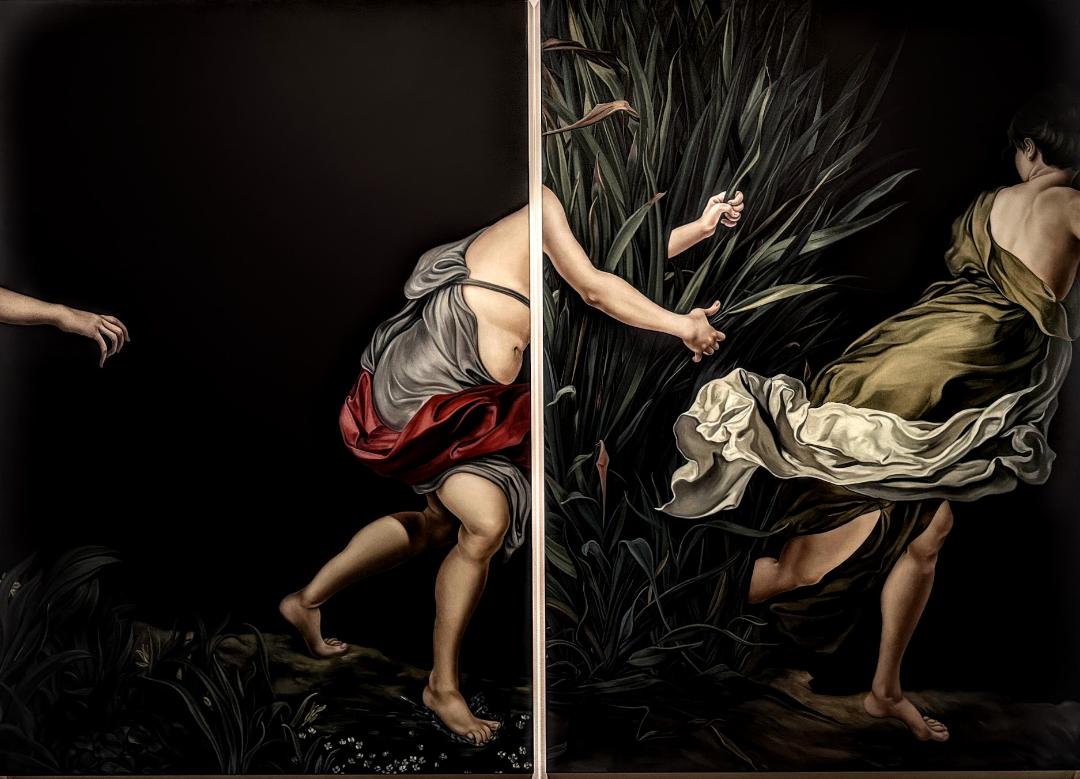
DAPHNE
Daphne is a river nymph from ancient Greek Mythology.
She was the daughter of the river god Peneus.
Daphne “took a vow of chastity and rejected all romantic advances toward her.
The god Apollo fell in love with the river nymph, and when she rejected him, he attempted to rape her.
Daphne ran to the banks of her father’s river, begging him for help.
Intending to protect his daughter from Apollo’s violence, Peneus transformed her forever into a laurel tree.“
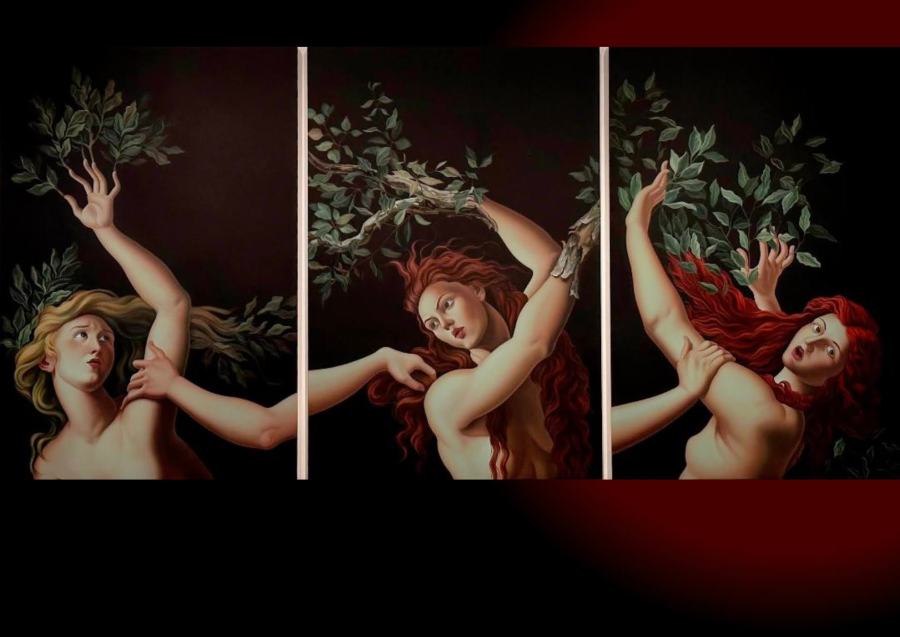
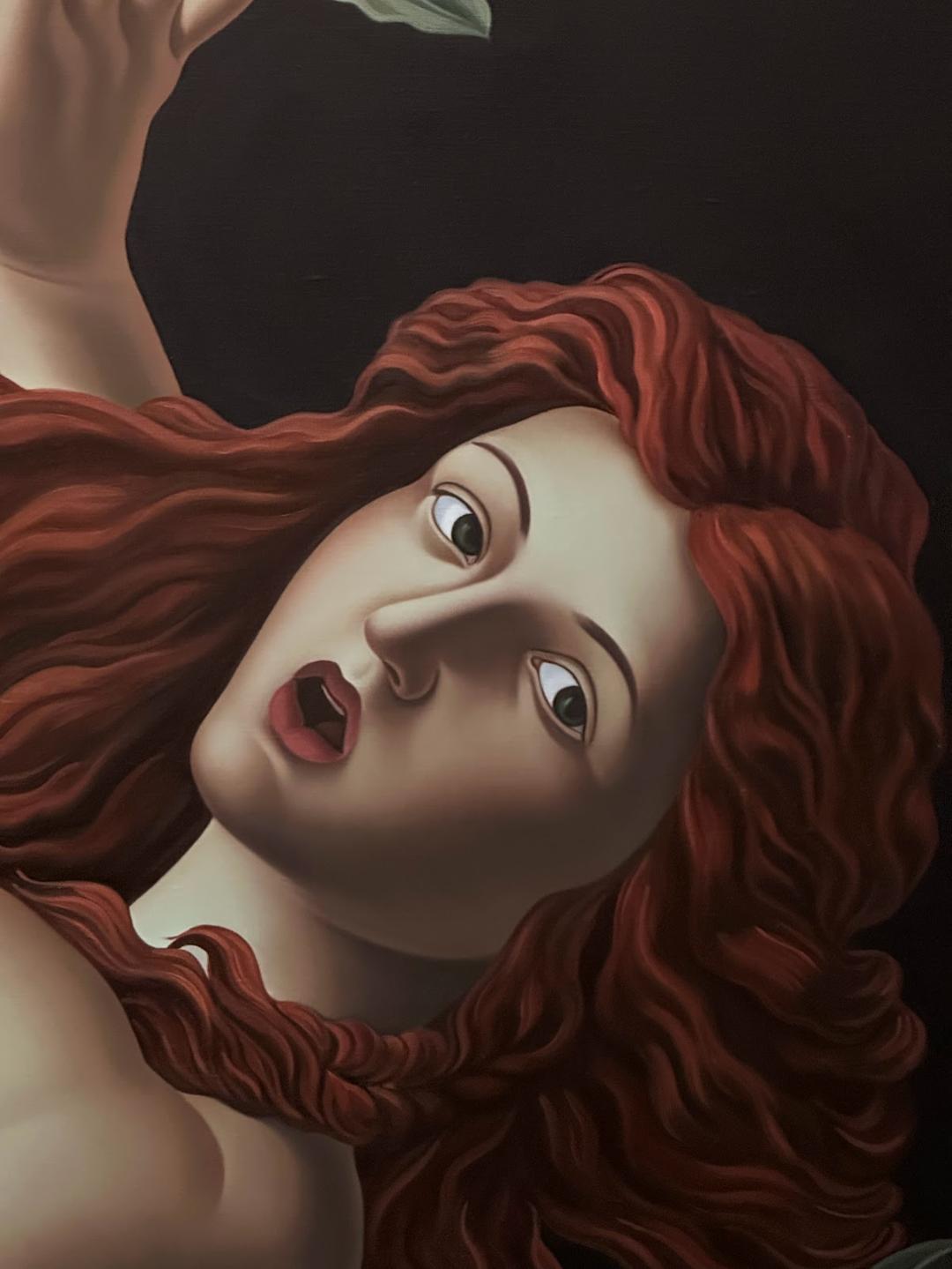
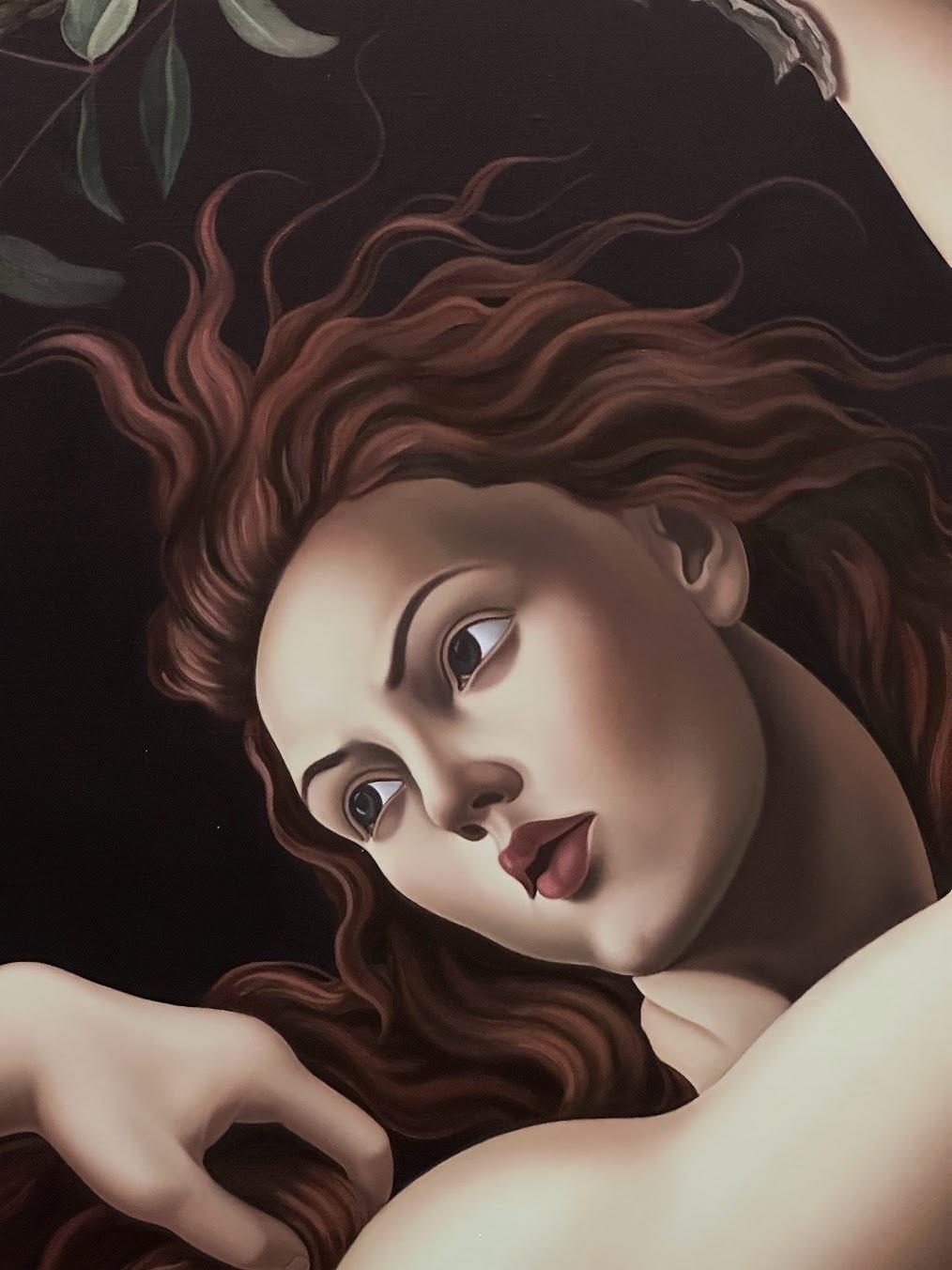
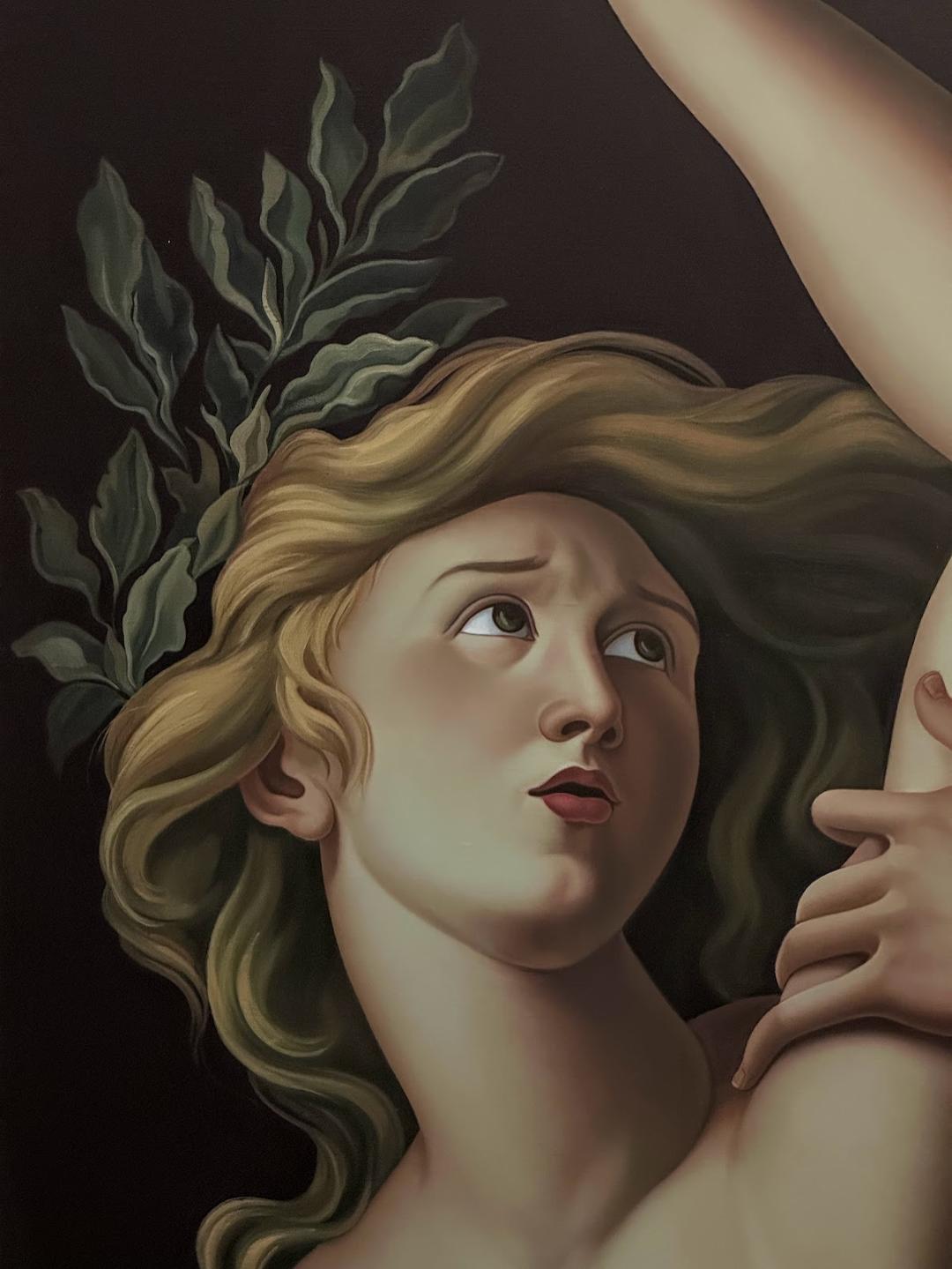
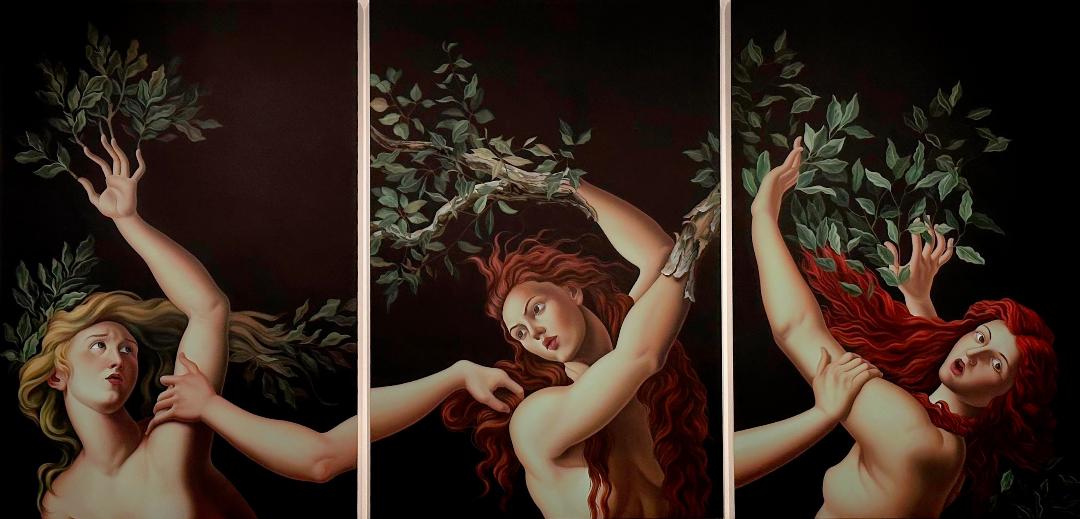
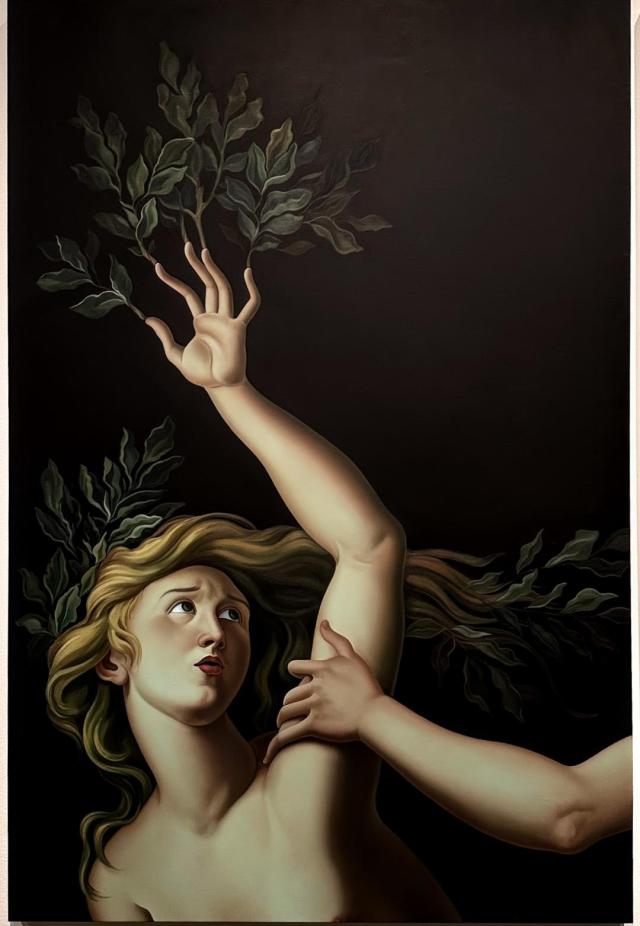
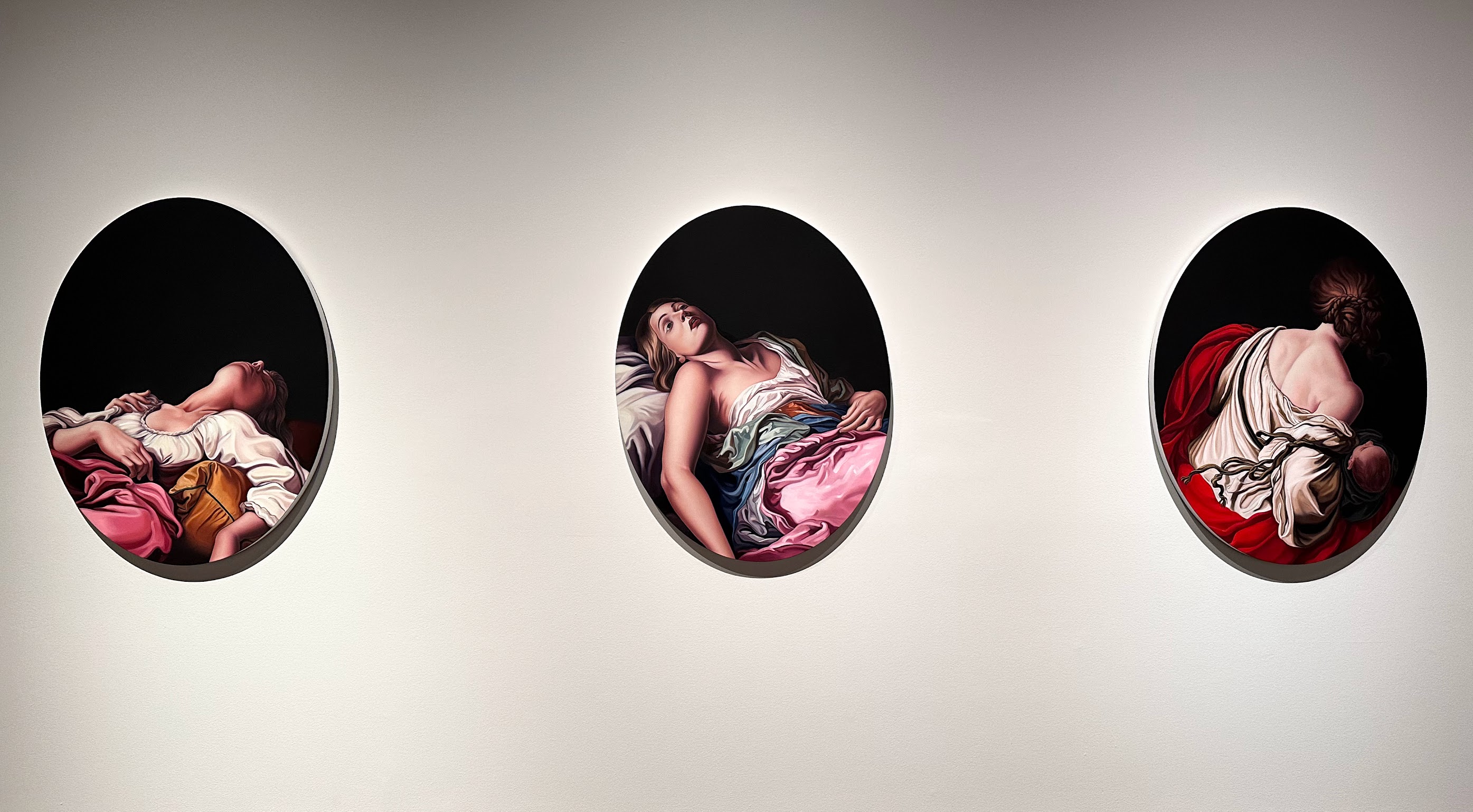
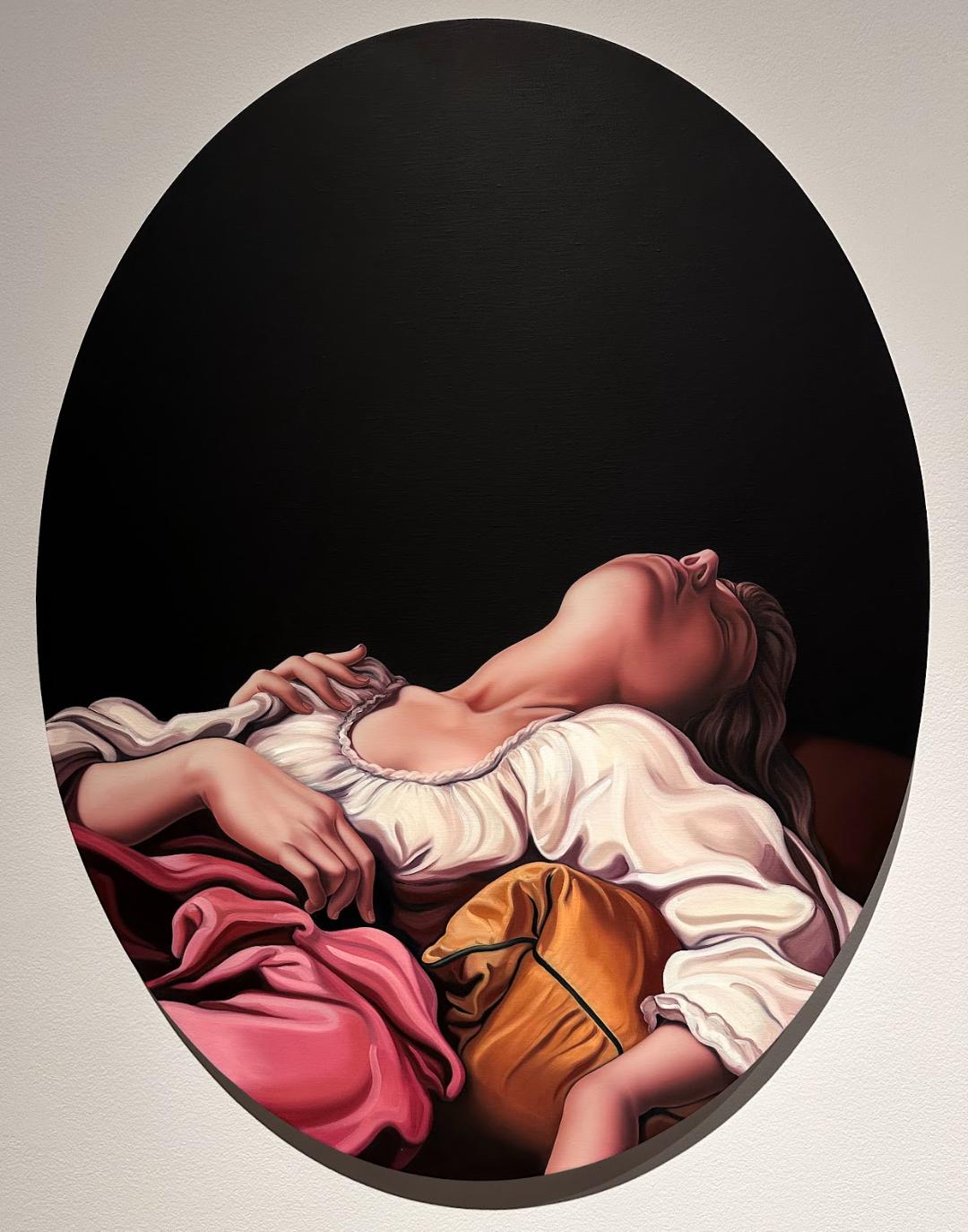
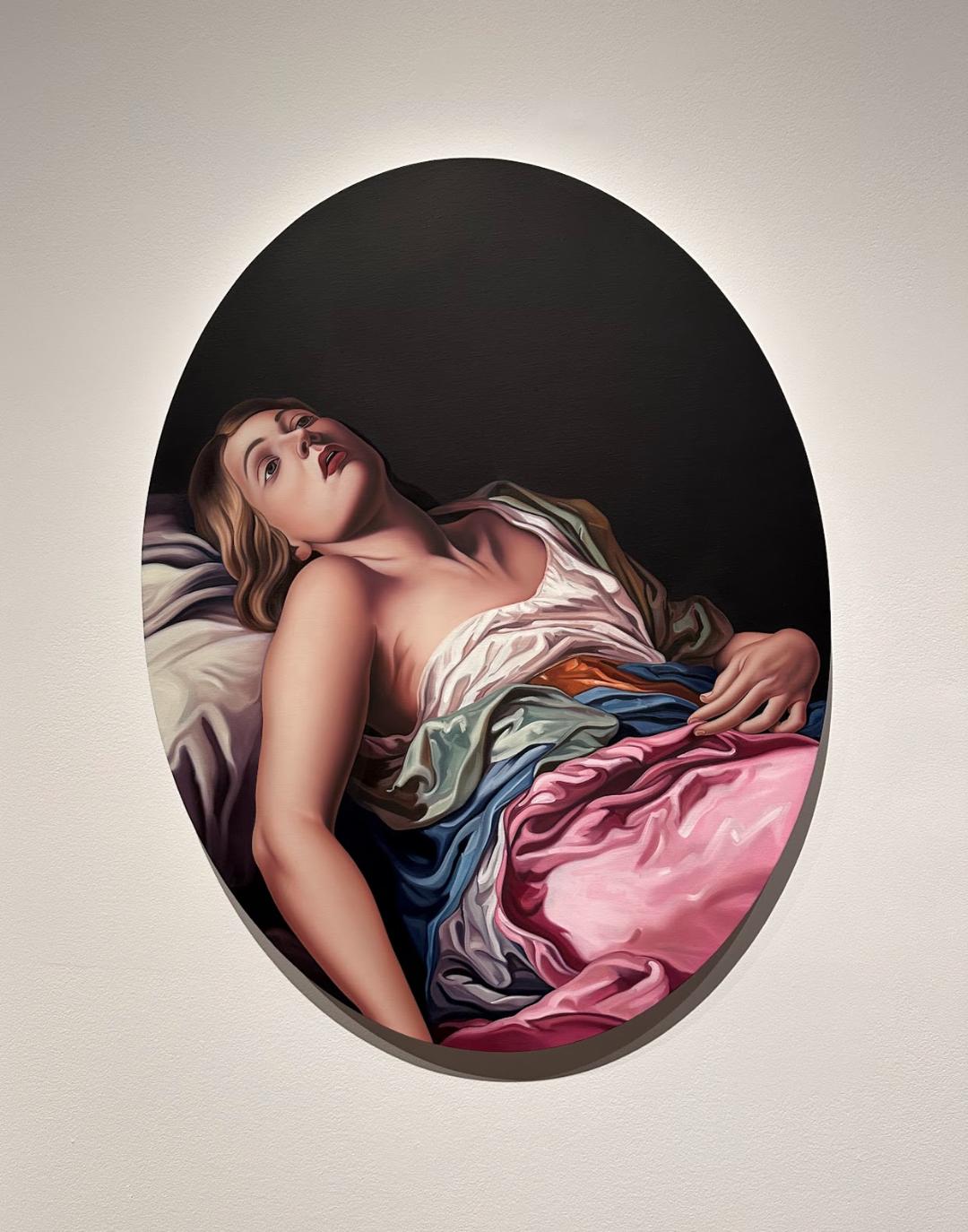
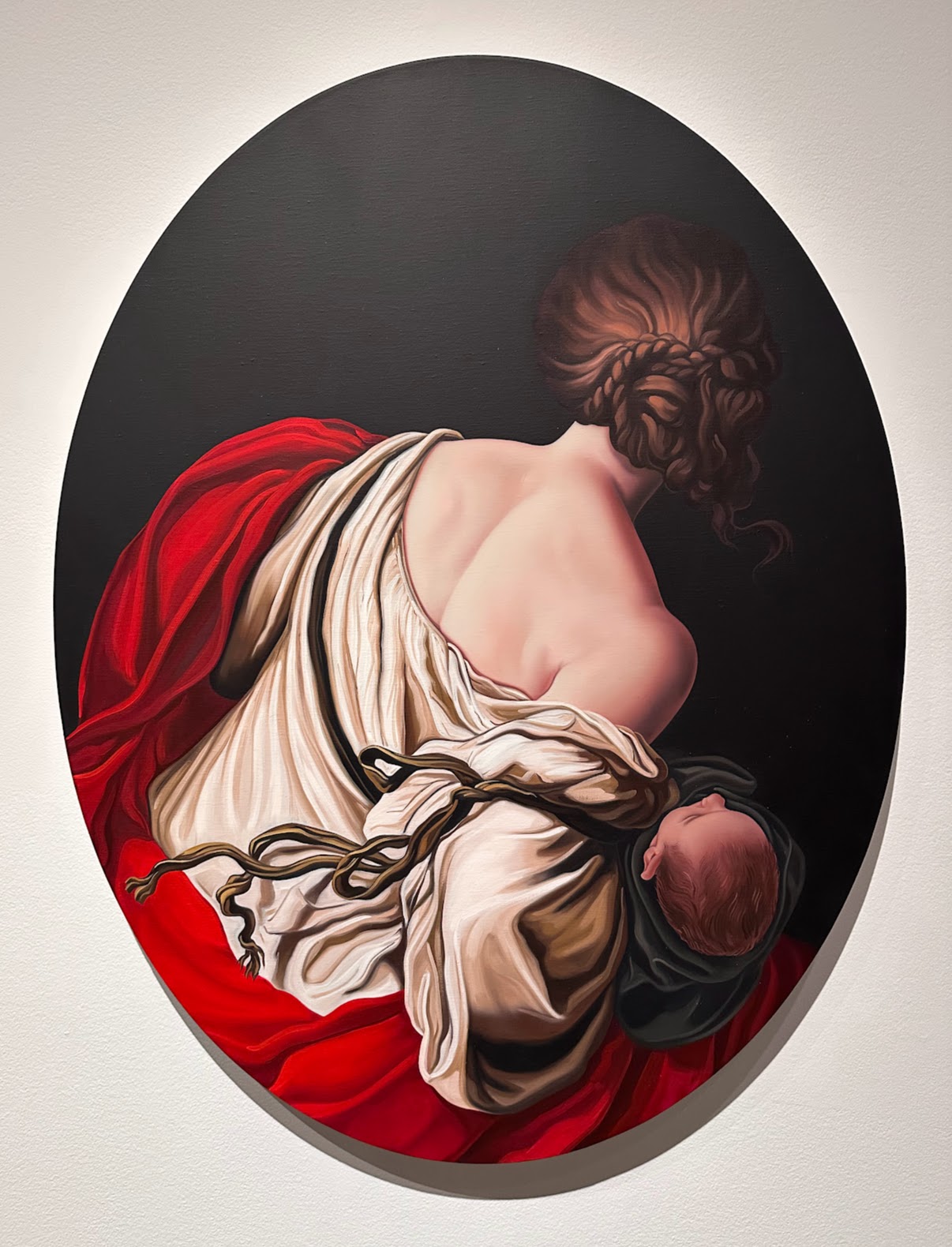
I’m intrigued by how Mockrin depicts Daphne as 3 different faces.
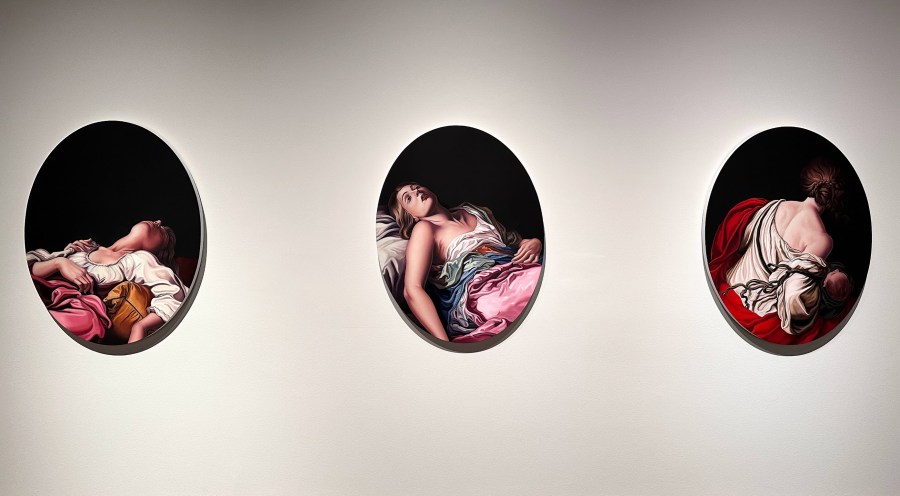
A Story told this many times becomes a forest (2024) Triptych – Oil on Linen
Turns out it is 3 stages of transforming – right to left. It comes originally from a poem by Sophia Stid (2020) DAPHNE PURSUED BY APOLLO.
The polestar of Mockrin’s painting is Daphne’s face. Apollo is banished to the outside of the frame.
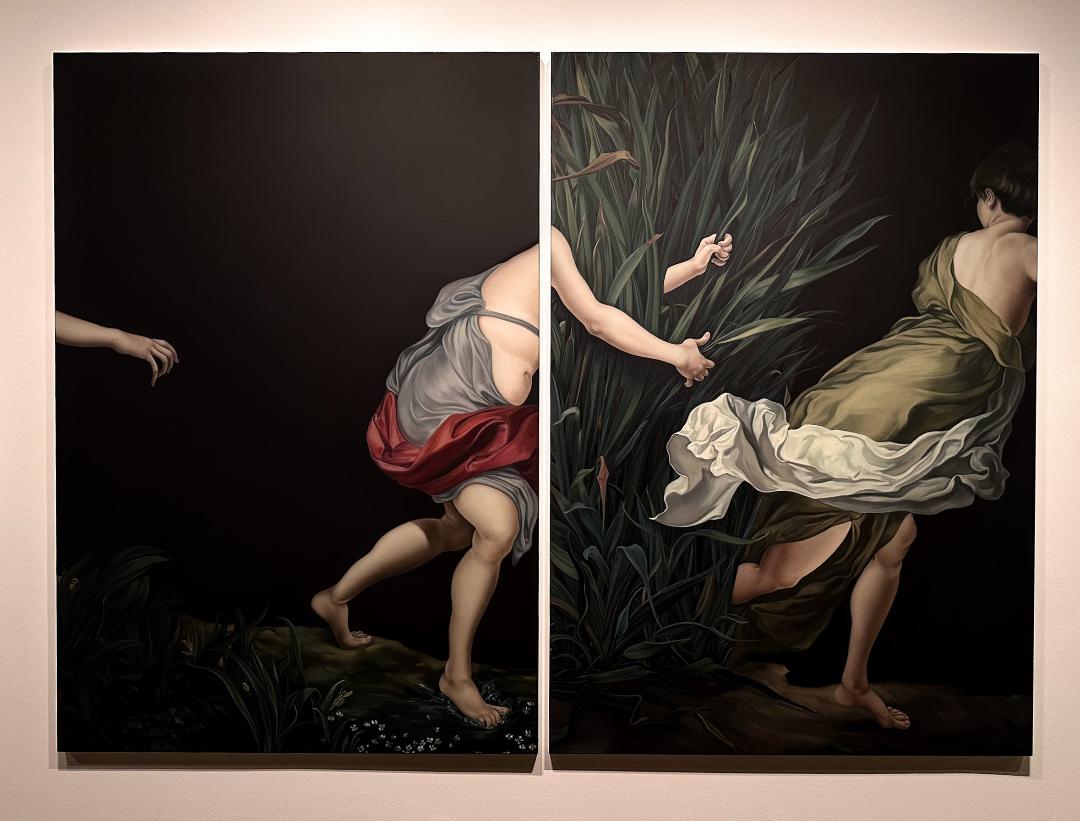
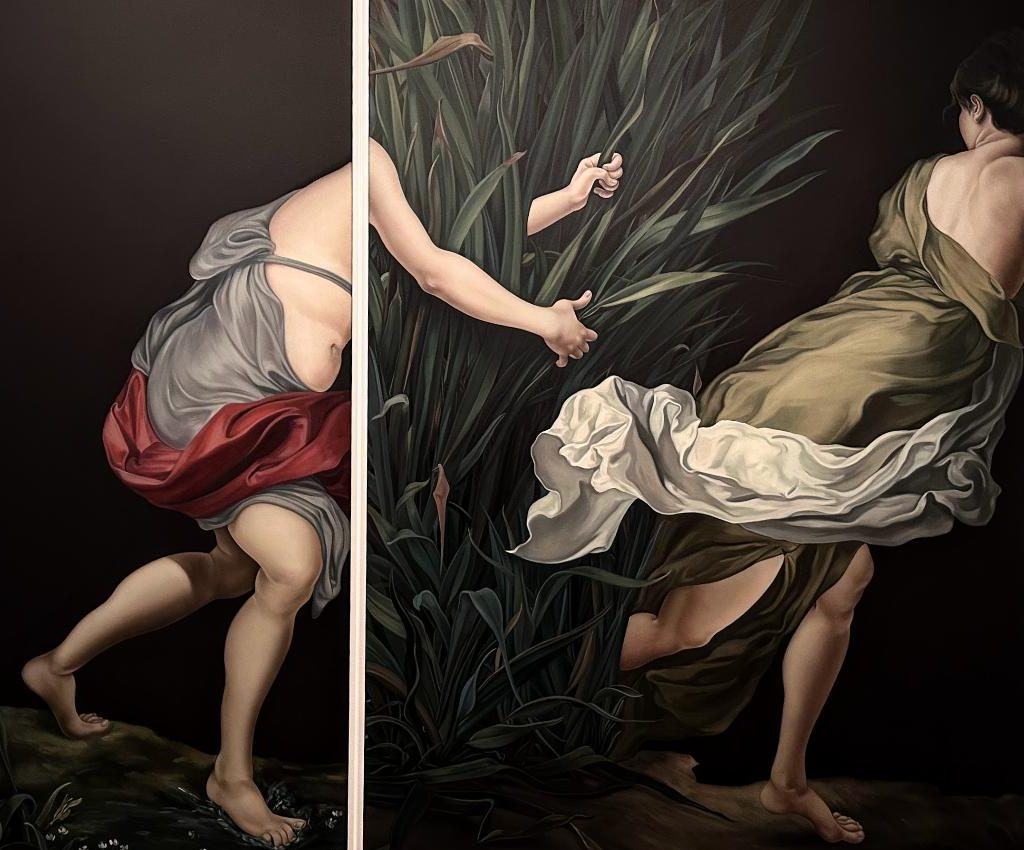
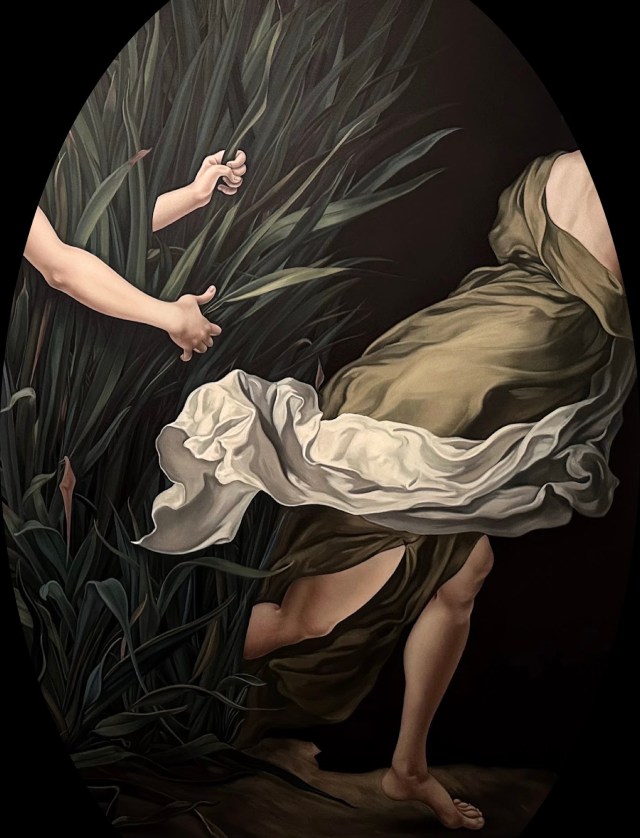
SYRINX
A Greek and Roman myth, it resembles the tale of Daphne.
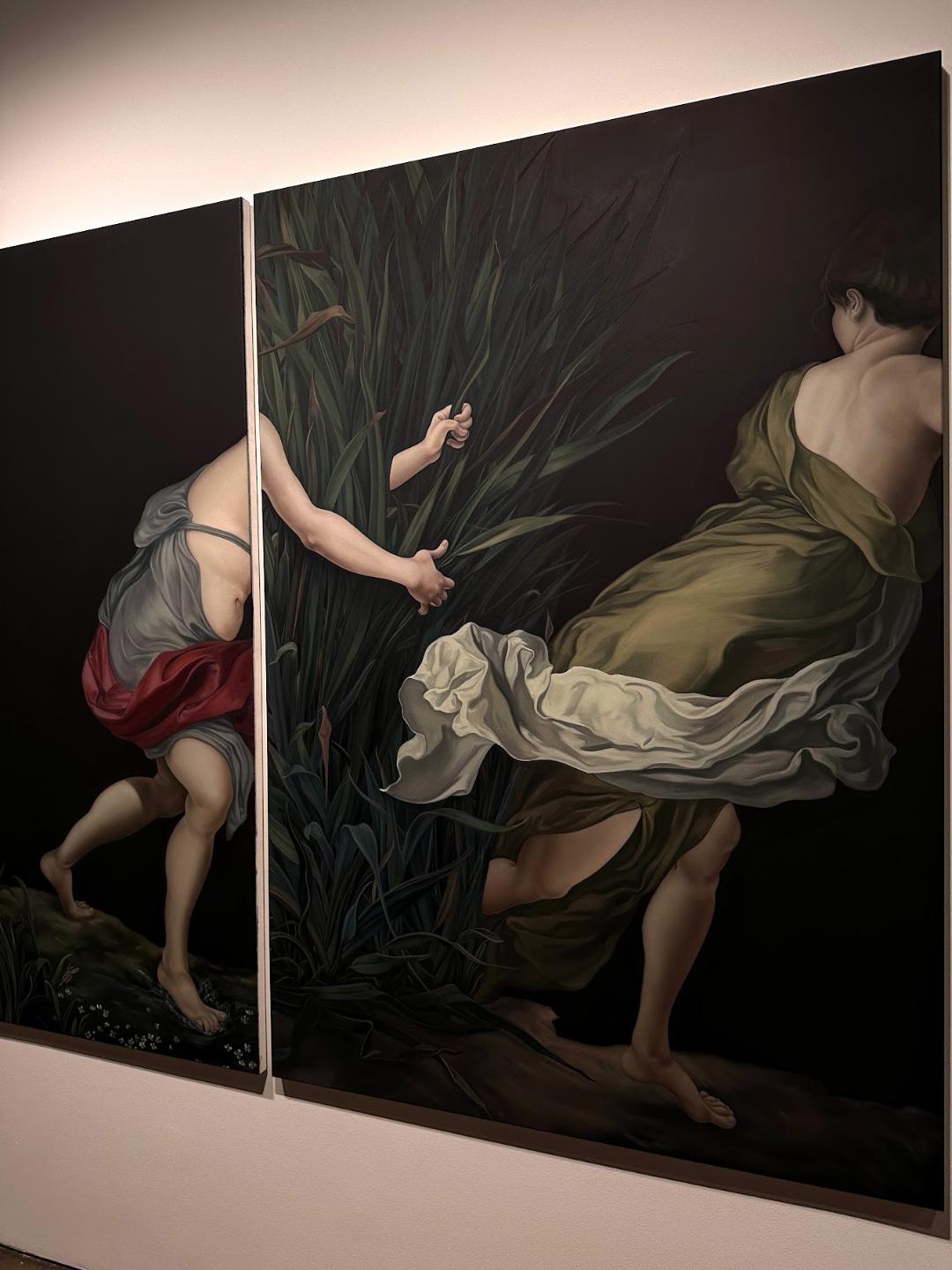
Syrinx (2018) Oil on Canvas
“Srynx ran from the satyr Pan, who tried to rape her.
As she approached the shore of a river, she called out to her river nymph sisters for help.
They transformed her into a crop of reeds, which Pan cut to fashion a flute from her.
Even the invention of wind instruments was used to justify sexual violence in the ancient world”.
Sexual violence and even the invention of wind instruments…? I didn’t find further info re; that statement, but…
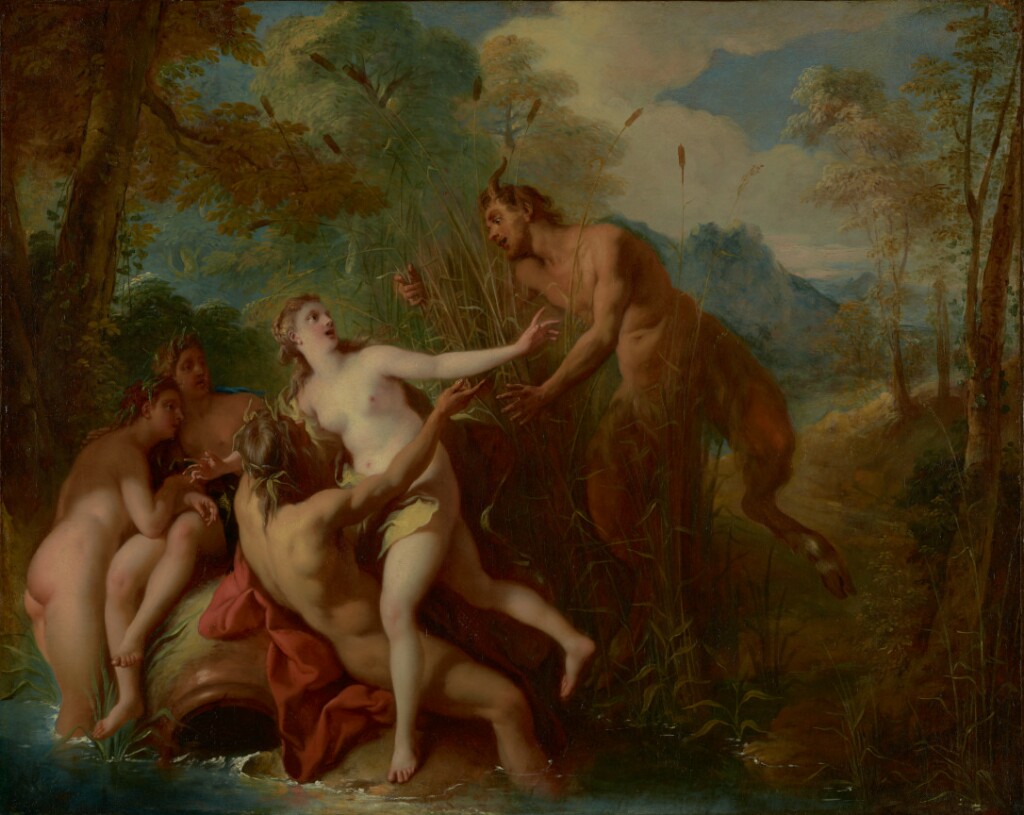
Oil on canvas – 1722/24
I did stumble upon a painting of Pan chasing Srynx, by – Jean-François de Troy. The free download (& more info) is from the Getty Museum. Click Srynx on the left to view the page.
Could not resist a compare image of Jesse Mockrin’s vision, with Jean-François de Troy’s.
Pics taken by Resa – May 14, 2024
Art Gallery of Ontario, Toronto, Canada
Source: Getty Images – Flag Art Foundation & Art Gallery of Ontario – “Bold italics in quotes are from the plaquards by the paintings”.
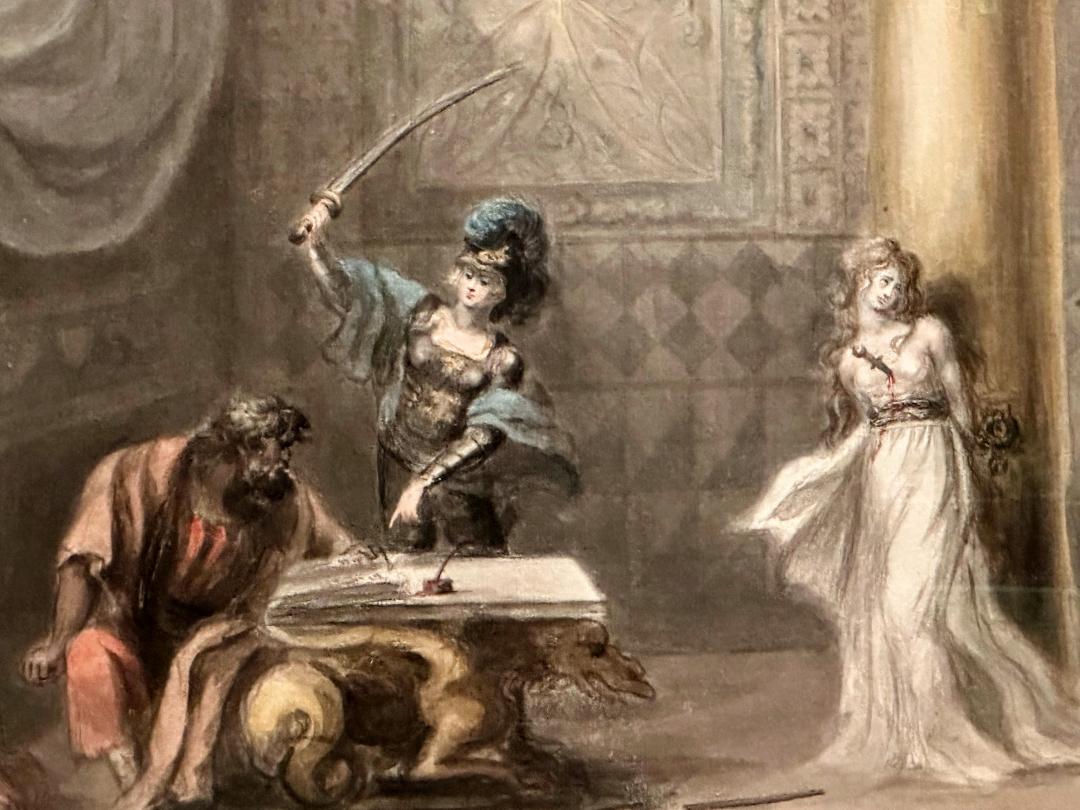
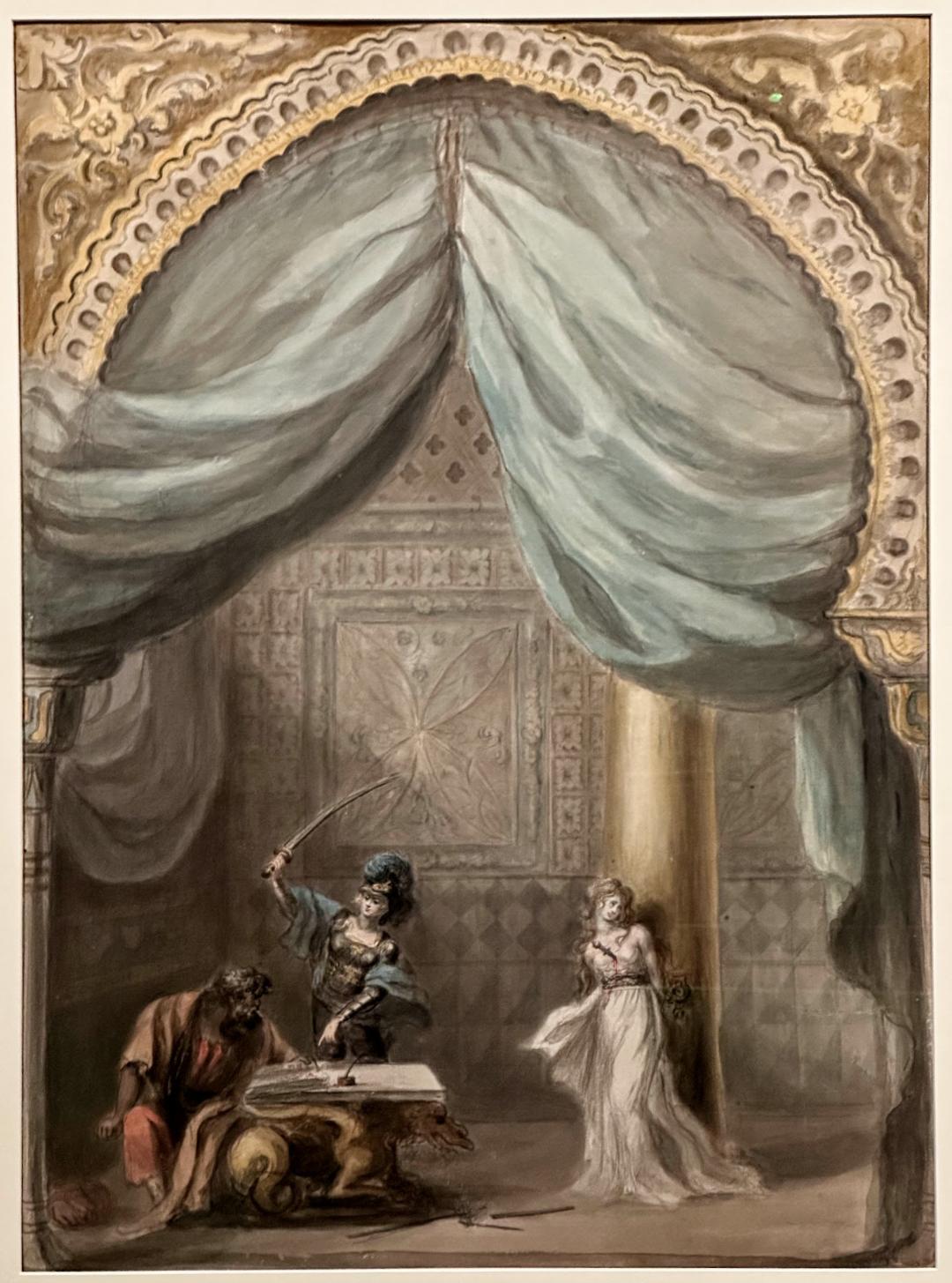
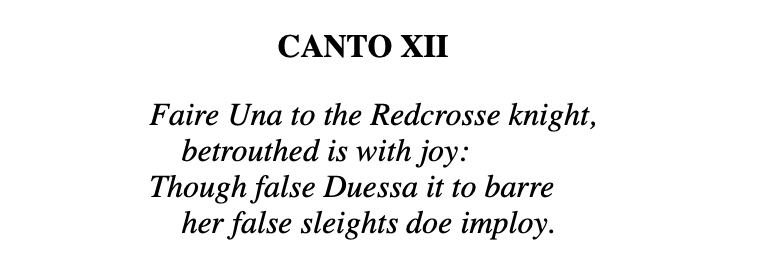
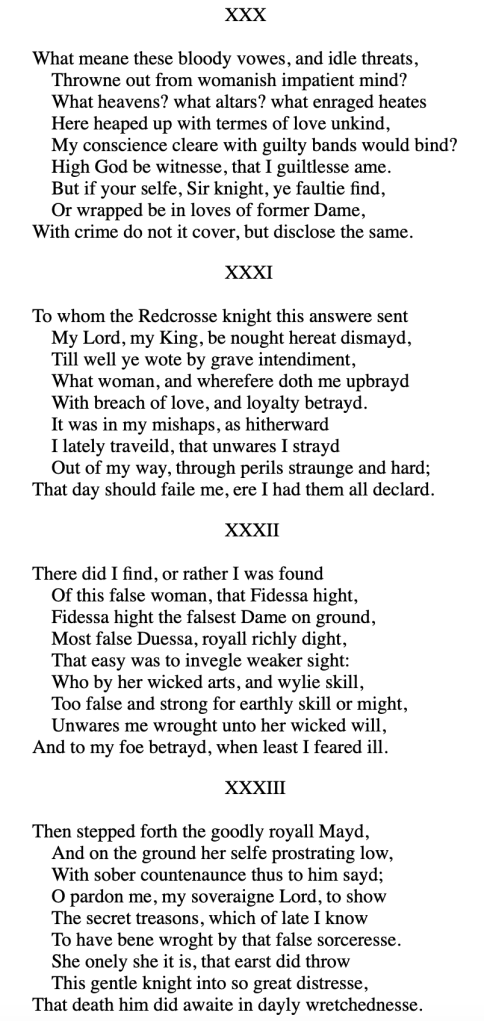
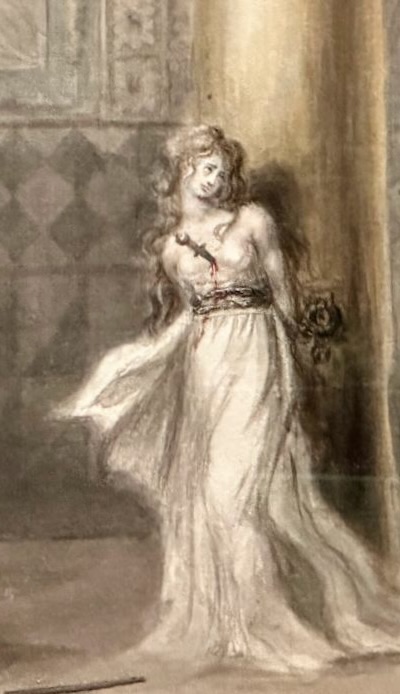
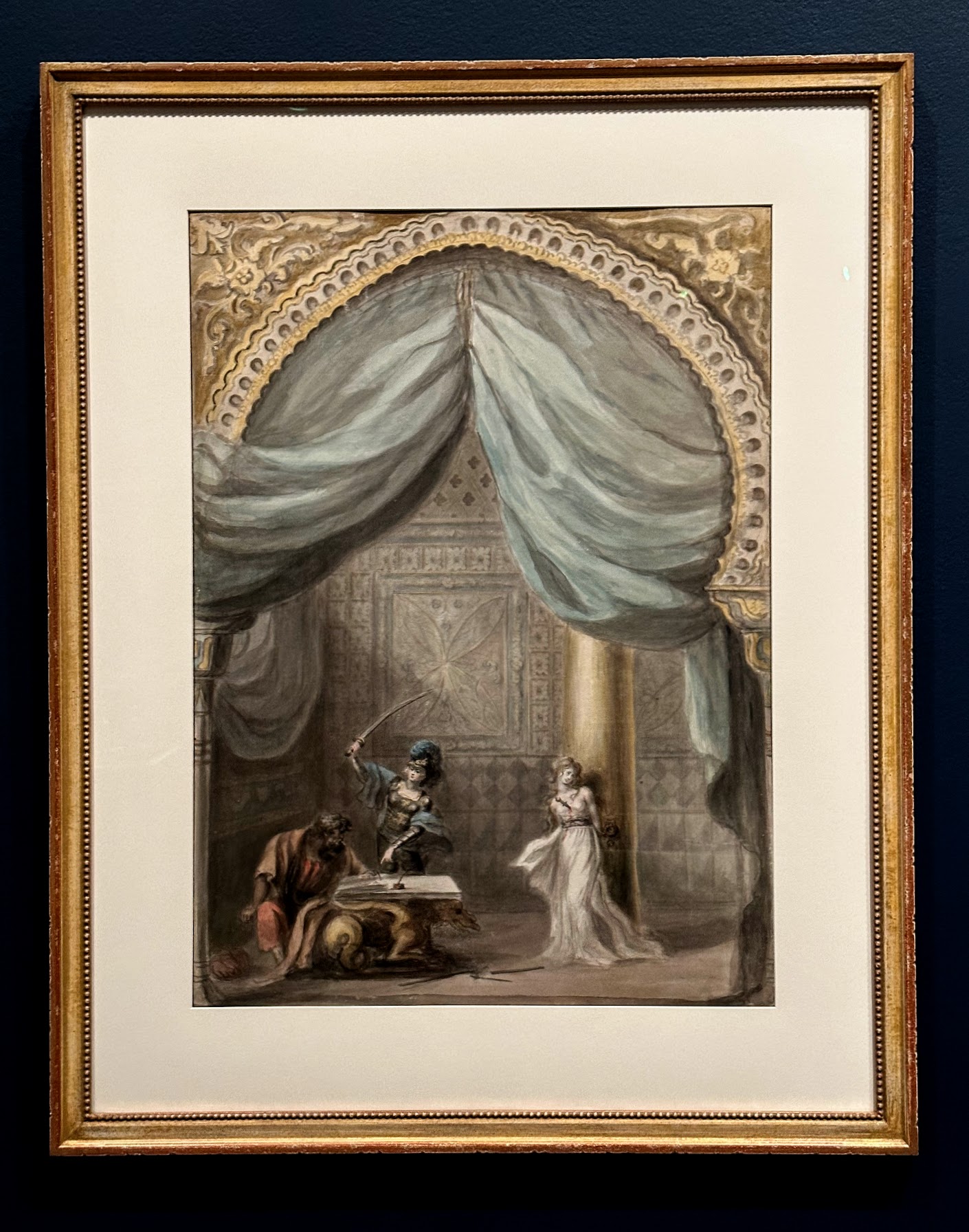
This watercolour is an illustration for Canto XII, verses 30-33, from The Fairie Queen: written by Edmund Spencer.
Circa 1781- Watercolour on paper
Diana Beauclerk was the daughter of the 3rd Duke of Marlborough and Lady Diana Spencer (Lady-in-Waiting to Queen Charlotte, 1761)
A scandalous figure, she left her husband.
She then had a clandestine affair with Topham Beauclerk, had an illegitimate child, divorced and remarried. Diana wound up having to earn a living with her artistic abilities.
An amateur artist, she was touted as painting in crayons. She worked as an illustrator, did admirable caricatures and created ceramic designs; notably for Wedgewood.
Click on poetry to read it more clearly.
The Fairie Queen is available to download for free from the Project Gutenburg.
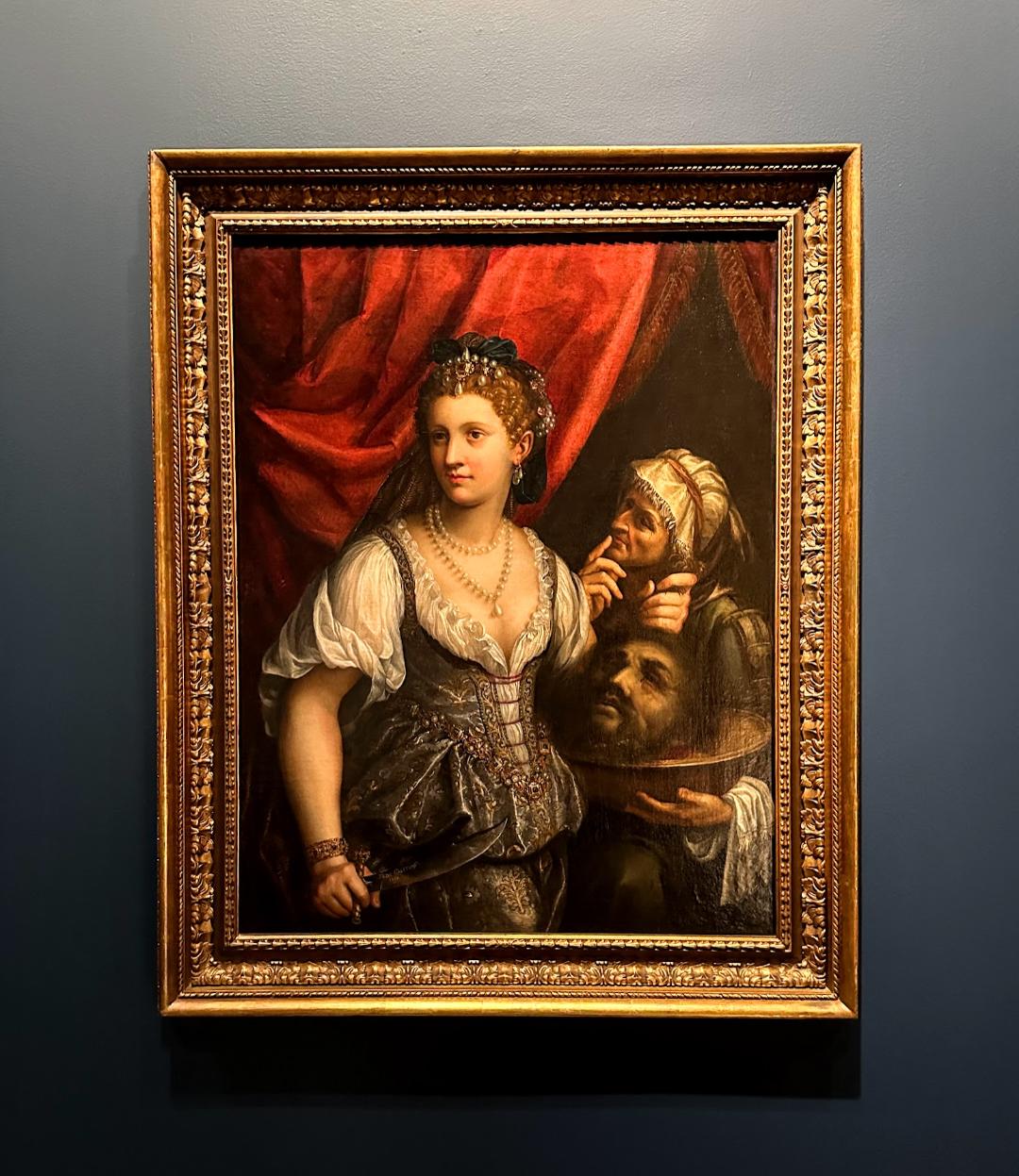
Fede Galiza
Italian – (1578 – 1630)
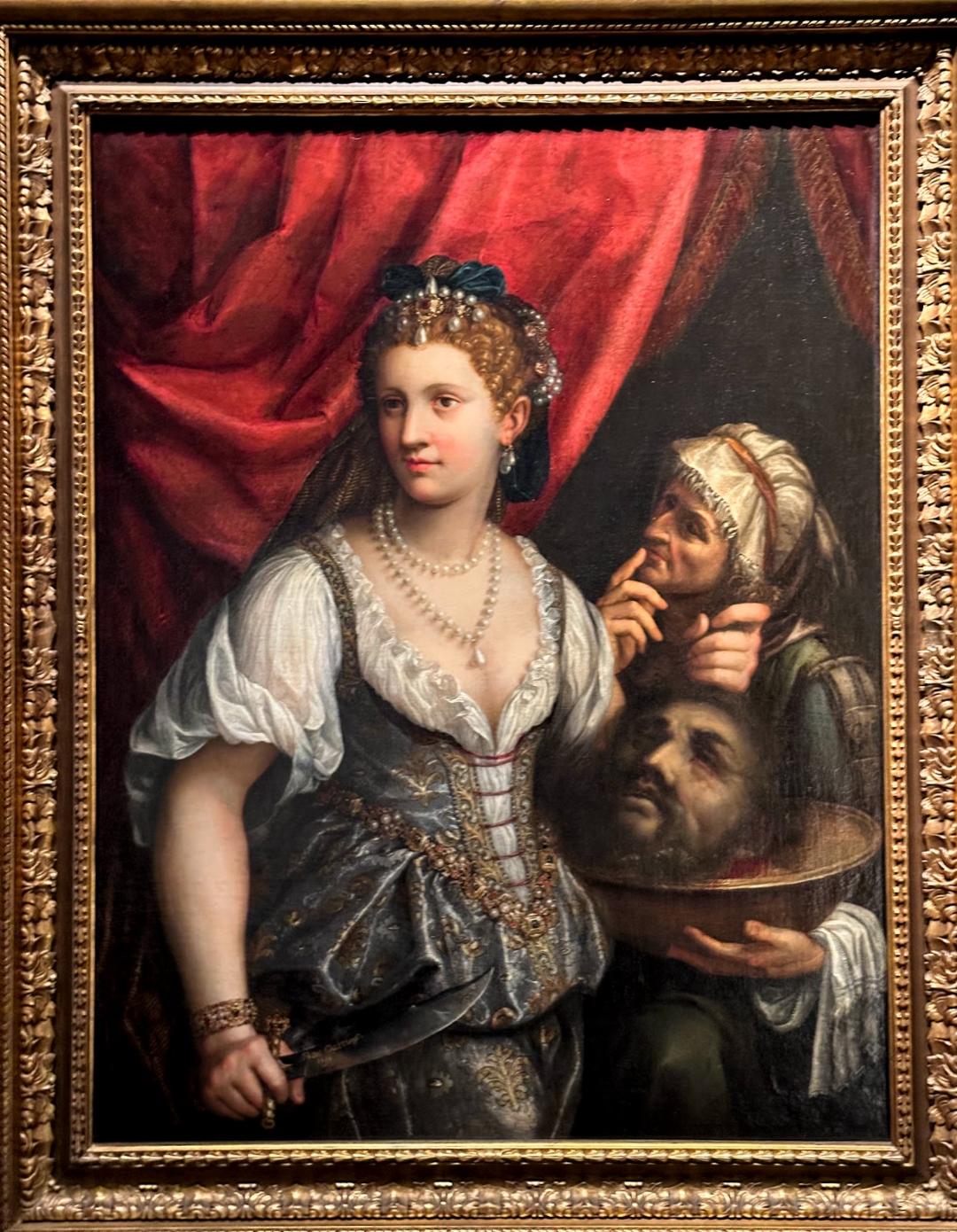
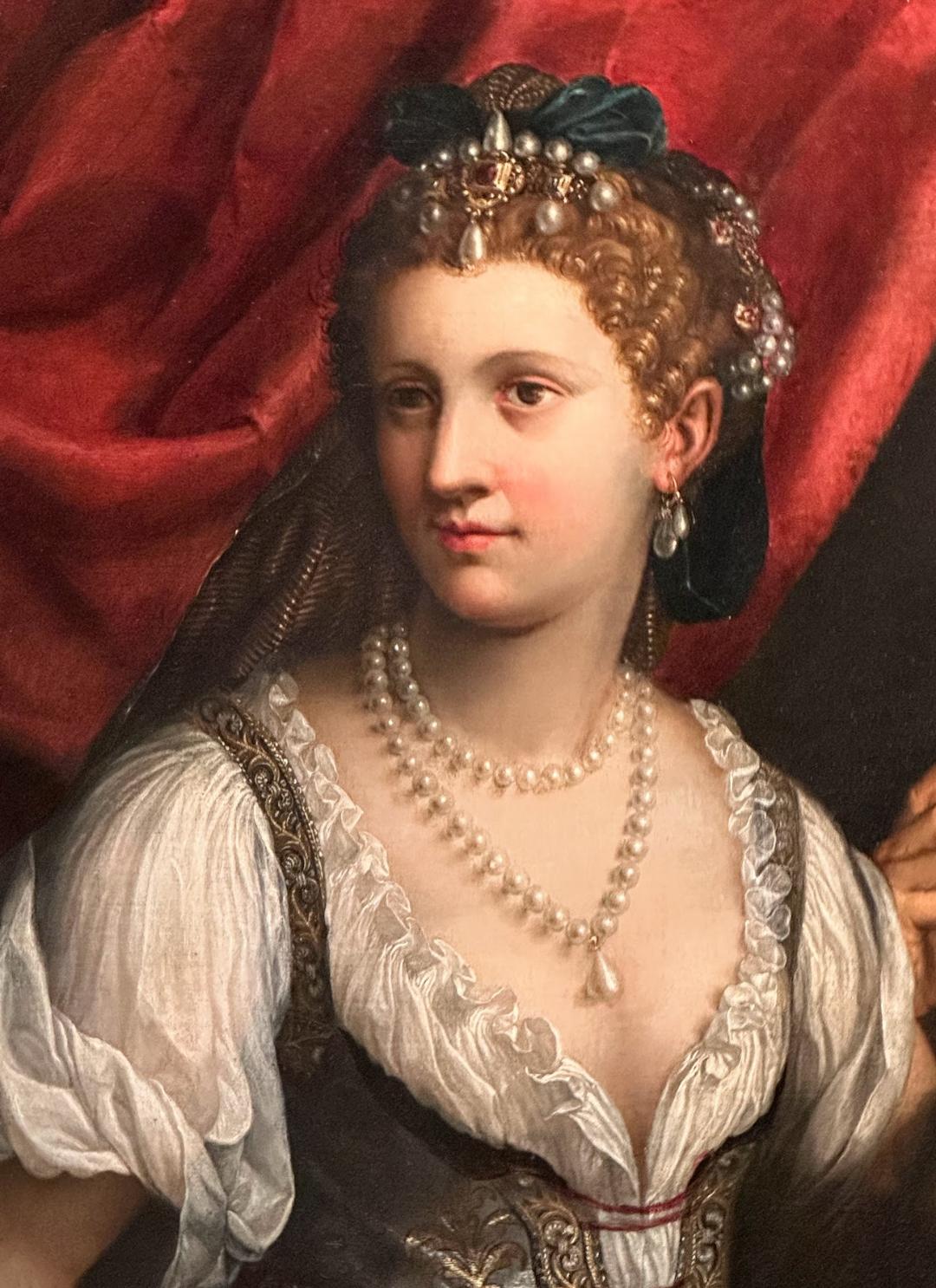
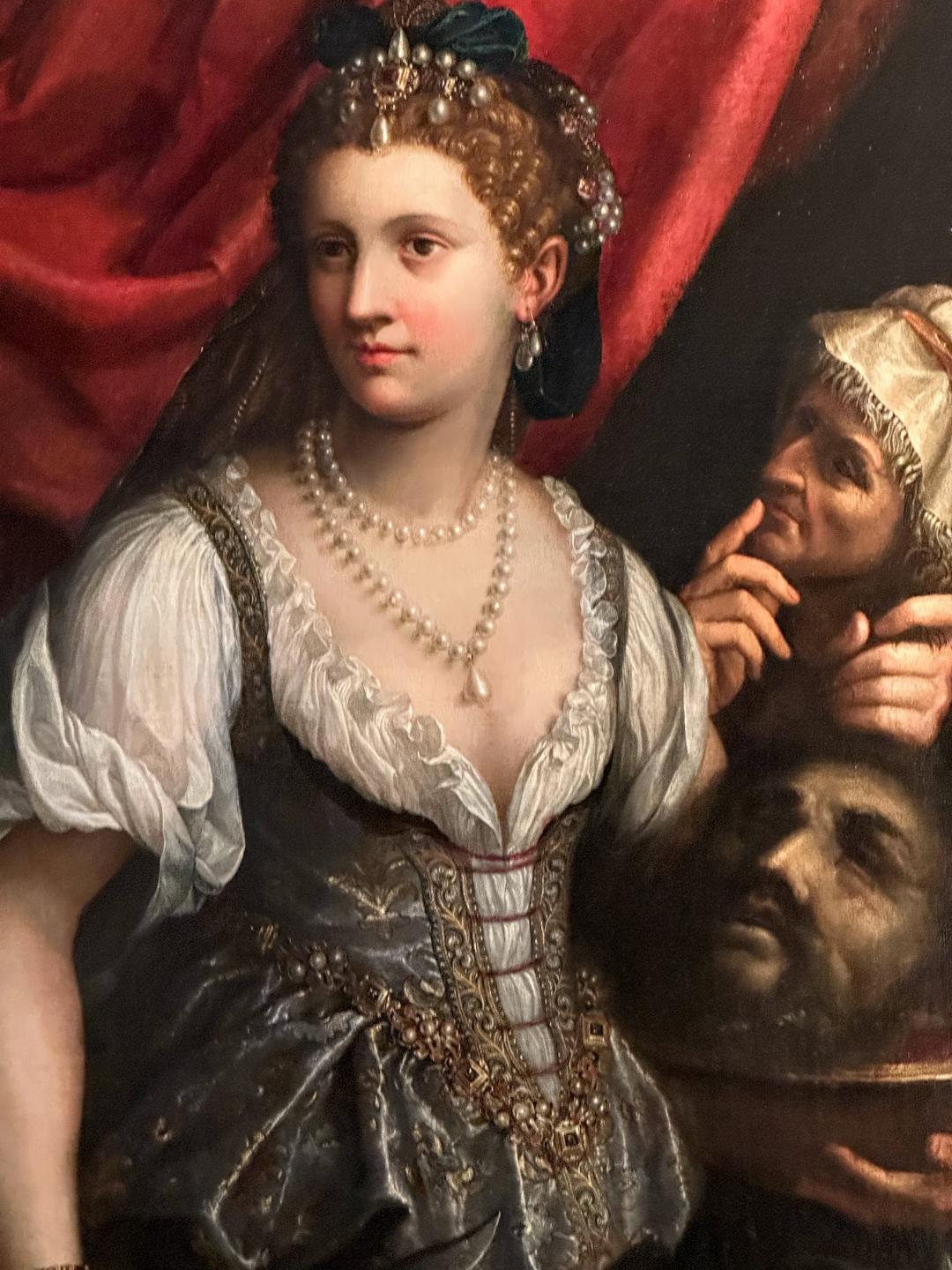
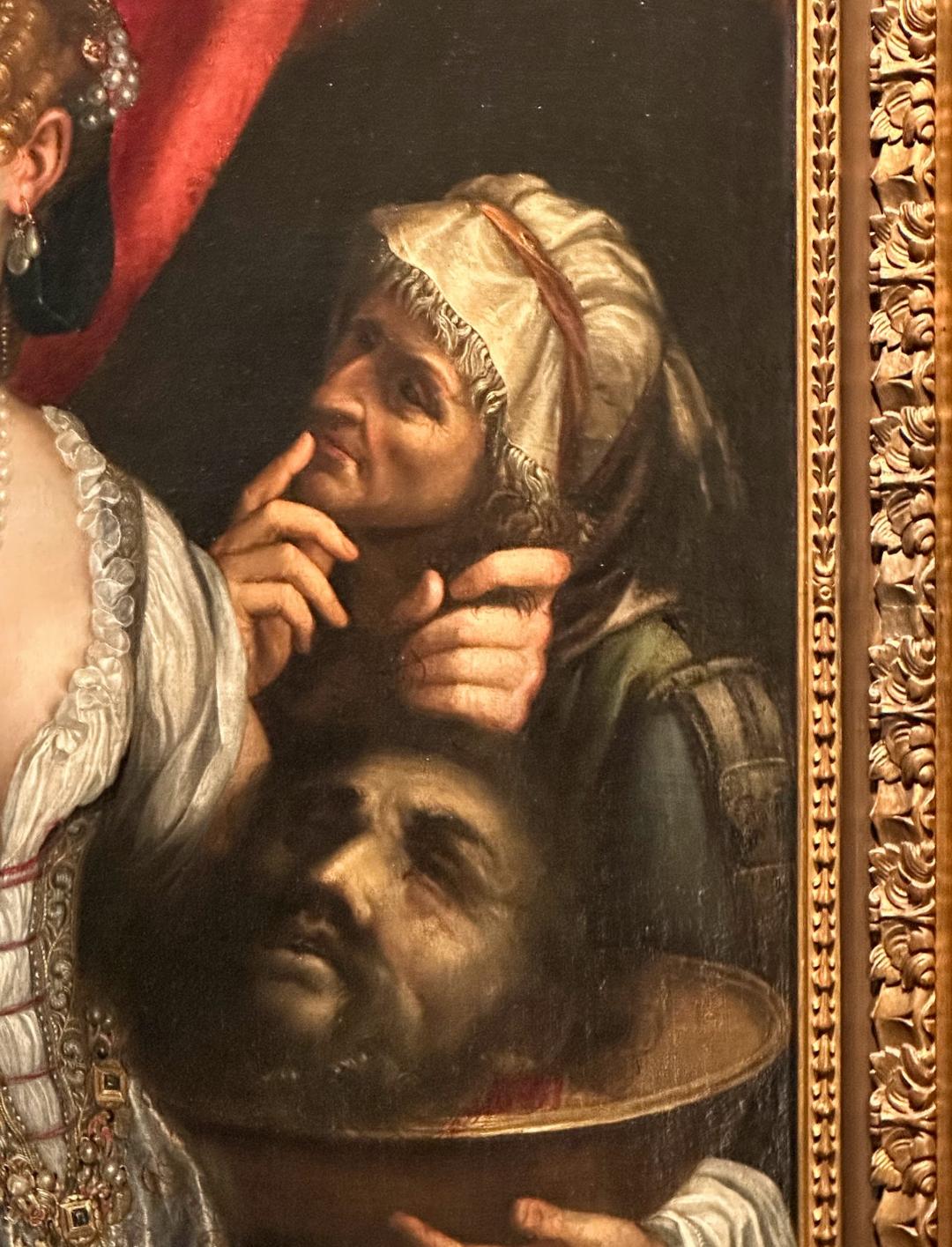
Judith with the Head of Holofernes – (1596) Oil on canvas
Fede’s father, Nunzio Galizia was a miniature portraitist who taught his daughter. By the age of 12 she was an accomplished artist.
Although she gained prominence in her lifetime, she did not acquire commissions, as her male counterparts did. Largely forgotten, she was rediscovered in the early 20th century.
In her lifetime, Galizia painted at least forty-four still lifes, some of which have been sold for millions. These represent about two thirds of her work. She is credited with having helped define early 17th century still life painting
The biblical tale of Judith is possibly the most feminist in art history.
A beautiful Jewish widow, she went with her faithful maid to the Assyrian enemy general Holofernes tent, and seduced him.
This gained his trust, and she was allowed into his tent freely, thereafter.
One night as he slept drunkenly, Judith decapitated him. She brought his head back to her timorous countrymen.
“Fede Galizia portrayed a calm, bejewelled Judith, with immaculate clothes and accessories at odds with the violence of her act.”
Lavinia Fontana
Italian – (1552 – 1614)
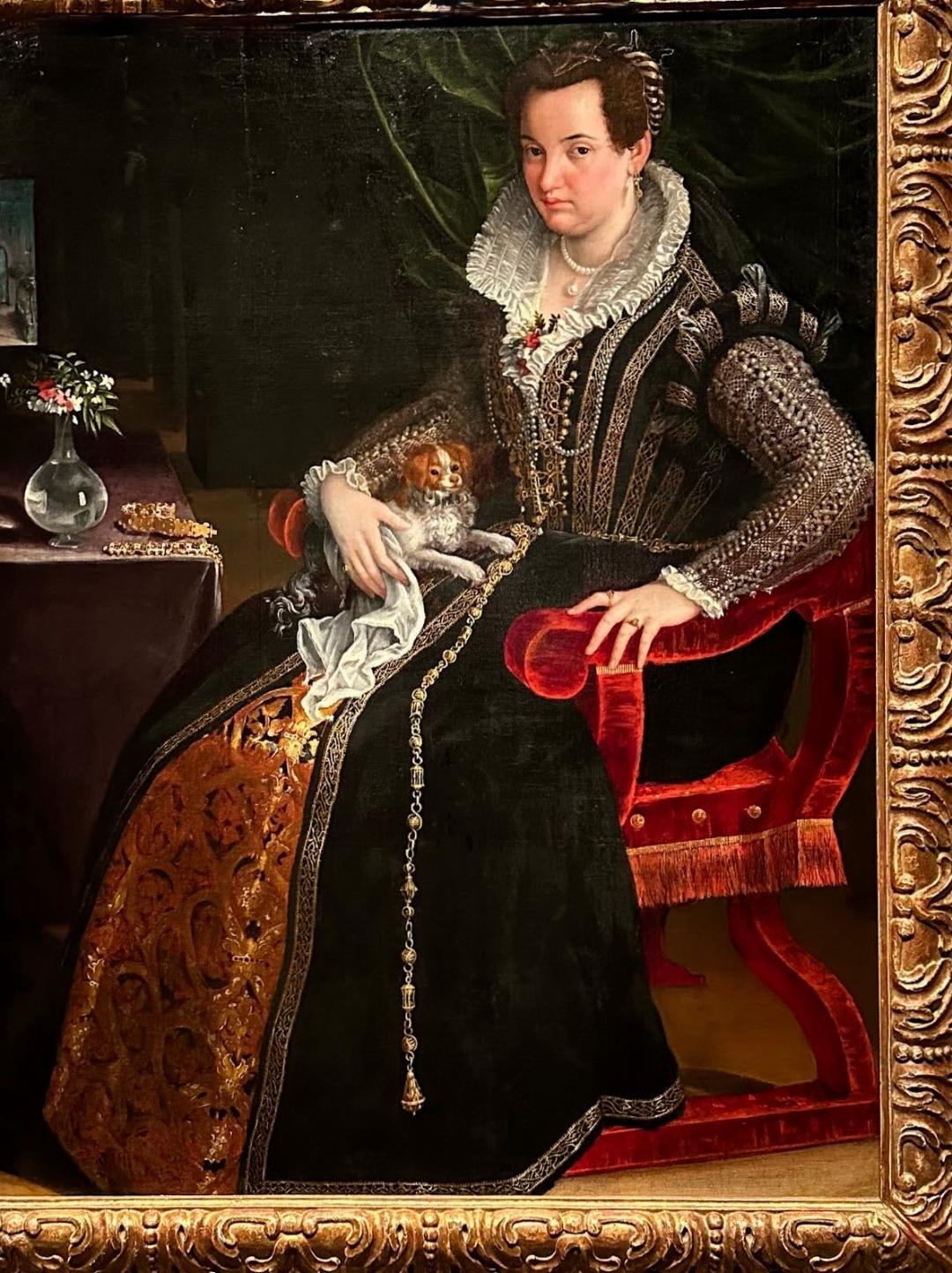
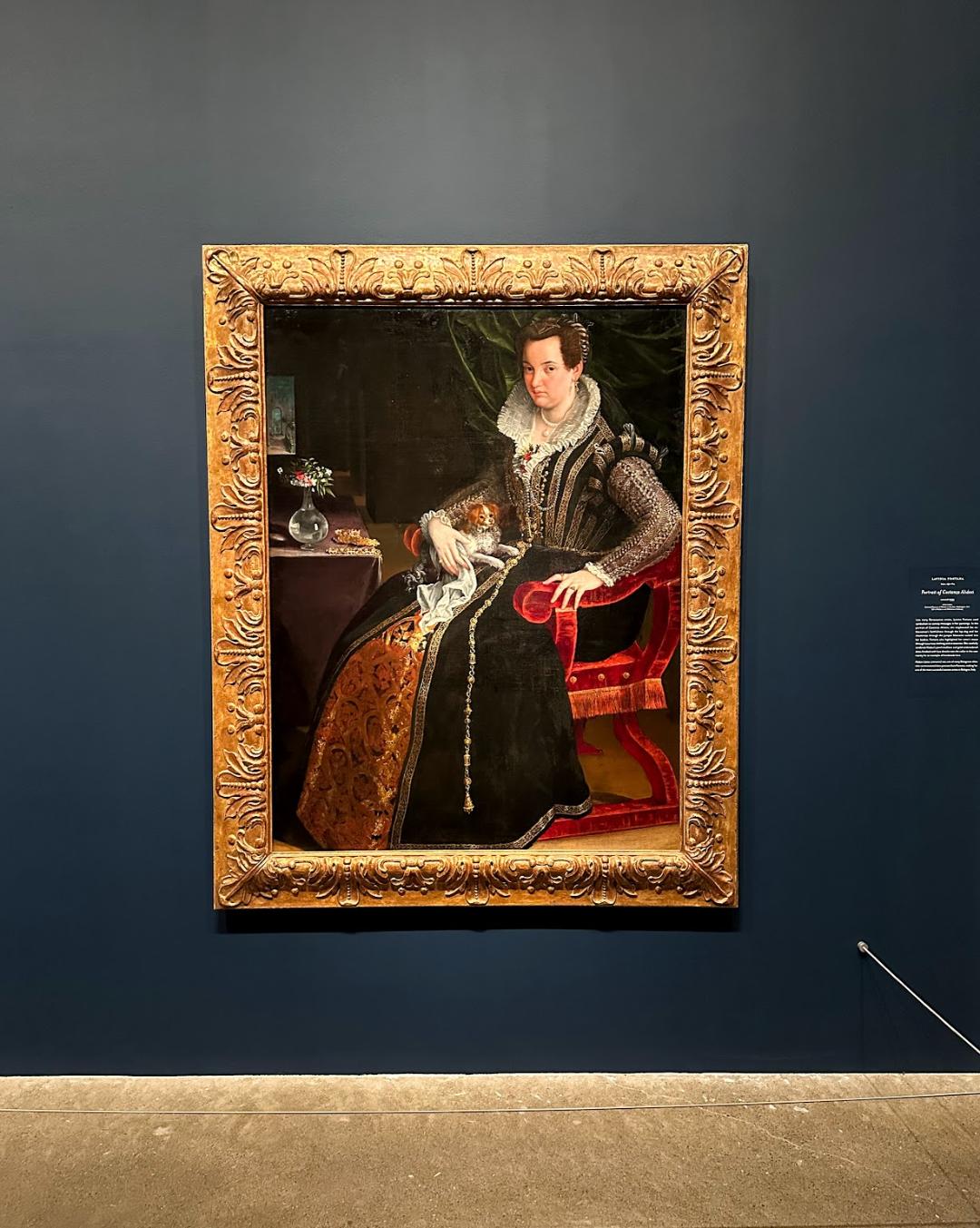
Portrait of Costanza Alidosi – (circa 1595) Oil on canvas
“Like many Renaissance artists, Lavinia Fontana used symbolism to convey messages in her paintings.”
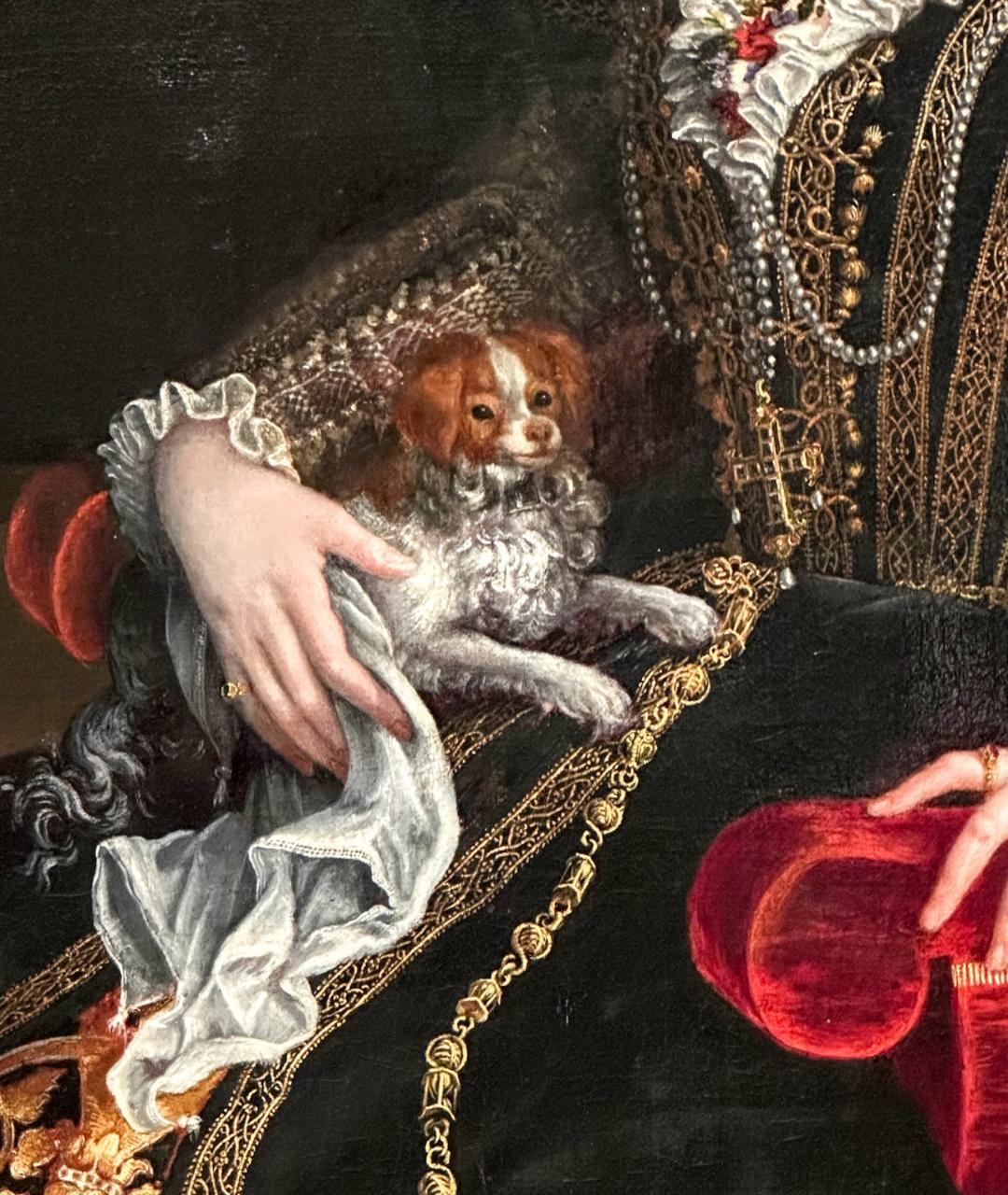
In this painting, the noblewoman’s lap dog (an accessory must of the times) represents her faithfulness.
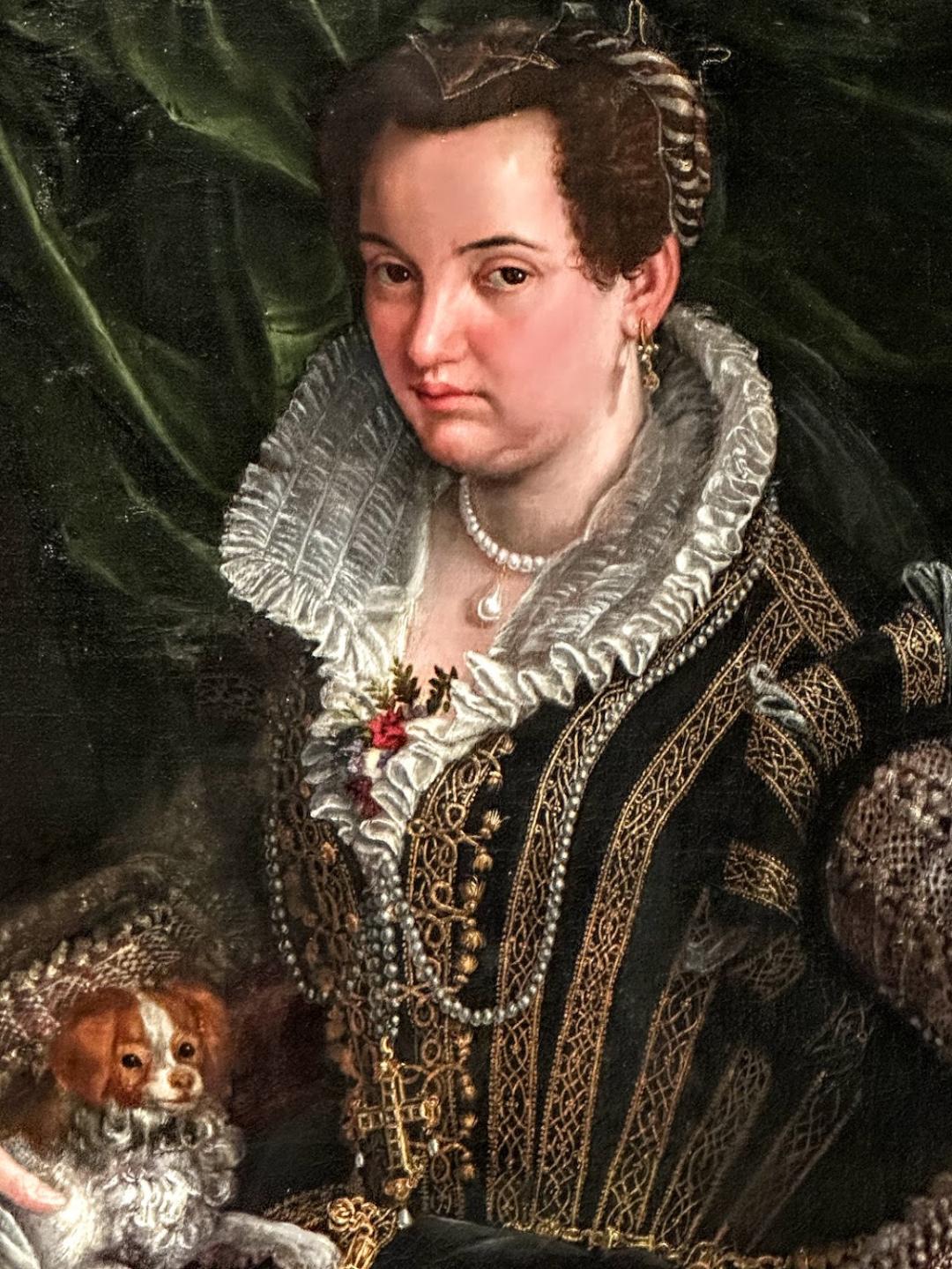
The juniper blossoms peeking from her neckline represent chasteness.
“Fontana also highlighted her sitter’s status through luxurious clothing and accessories.”
Note the pearl necklace, gold embroidered dress and fabulous lace details!
She was a celebrity, who documented not just fashion of the era, but also fashion accessories.
“Alidosi was one of many Bolognese elites who commissioned their portraits from Fontana”.
Lavinia Fontana was one of the most successful female artists in Bologna, Italy. Fontana left the largest body of existing art by any woman, who was painting prior to the 1700’s. Although much of her work is recorded but lost, about 150 works remain.
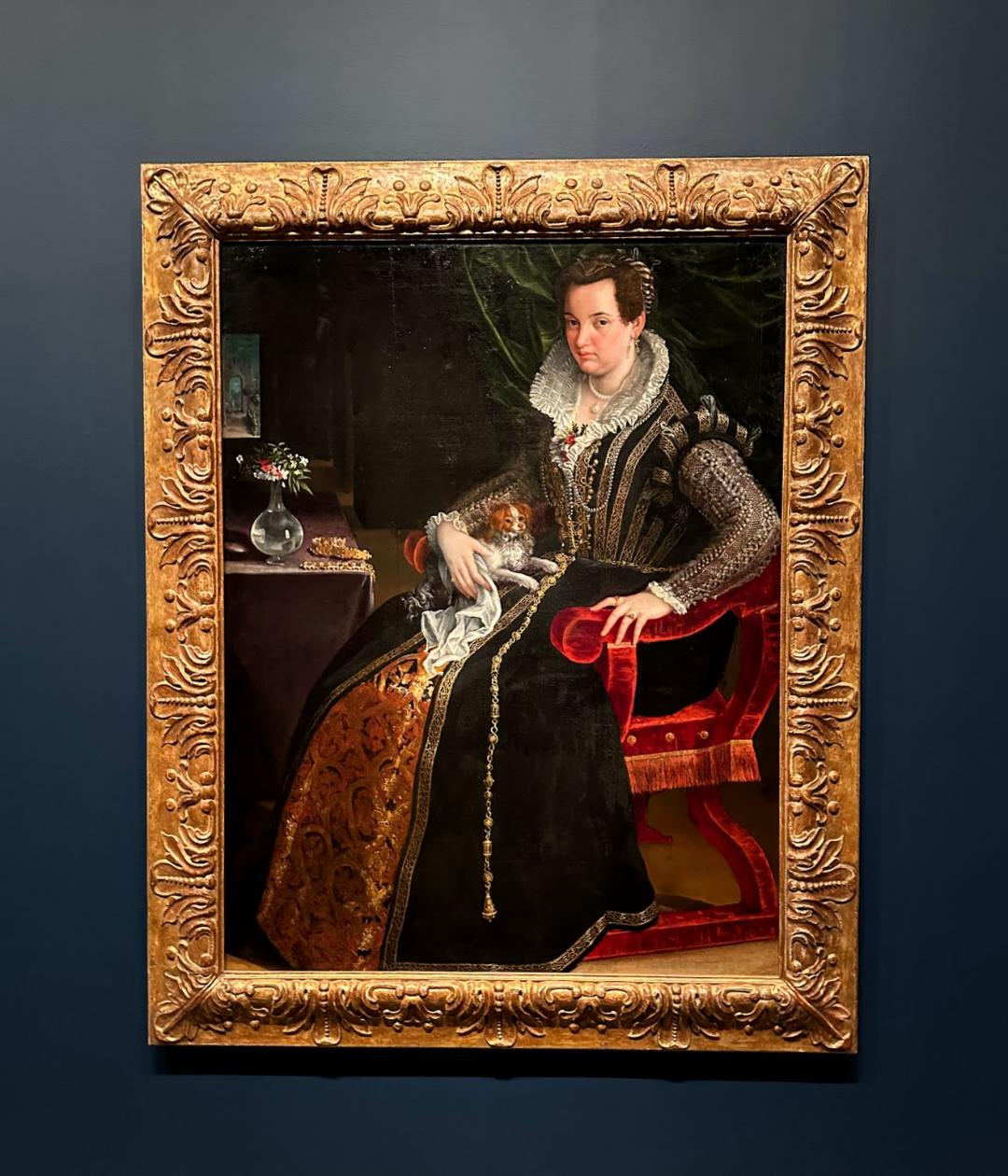
This is a lovely large painting.
As one can see, it sits about 18″ from the floor, and rises high above the information placquard, which is at low eye level.
Lavinia Fontana, was recently covered in an earlier post of Making her Mark. To learn more about her, please head over to the following:
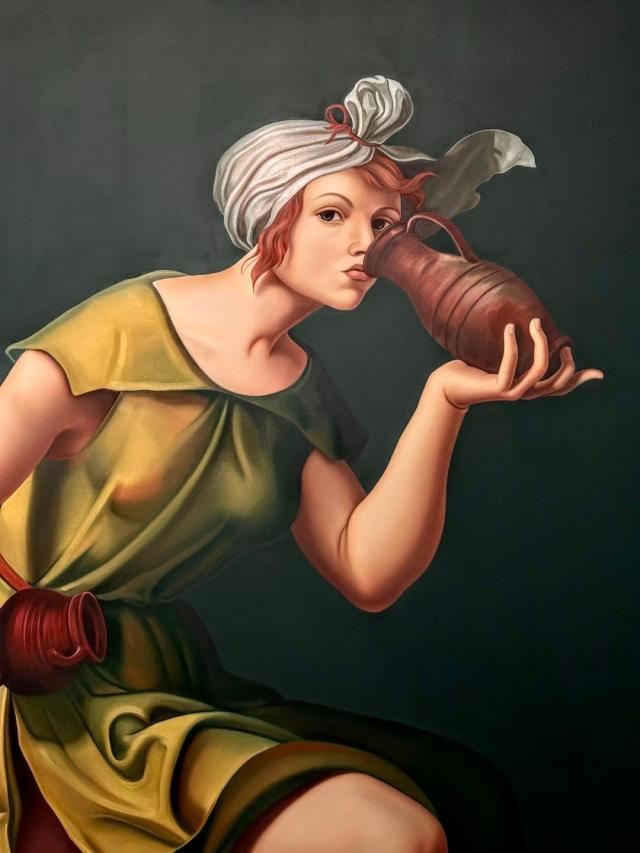
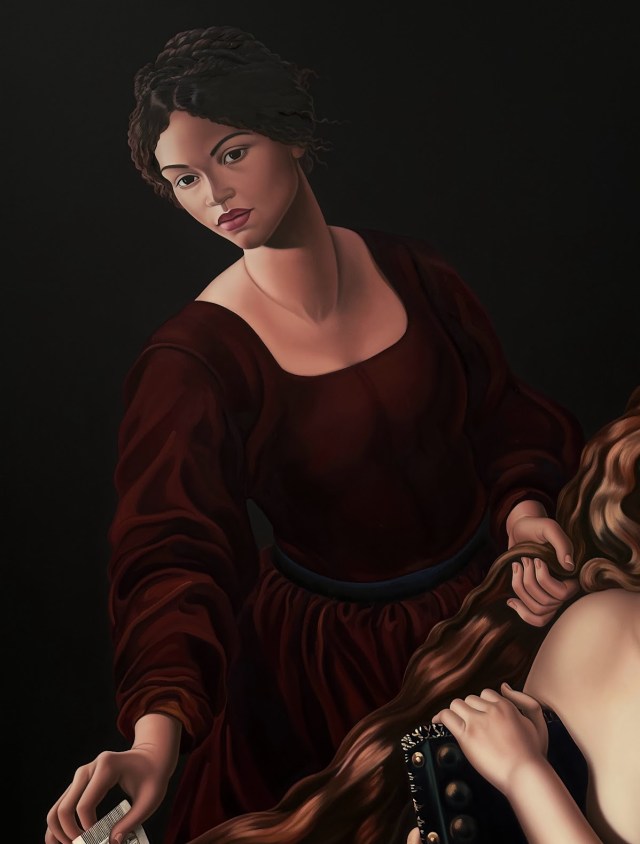
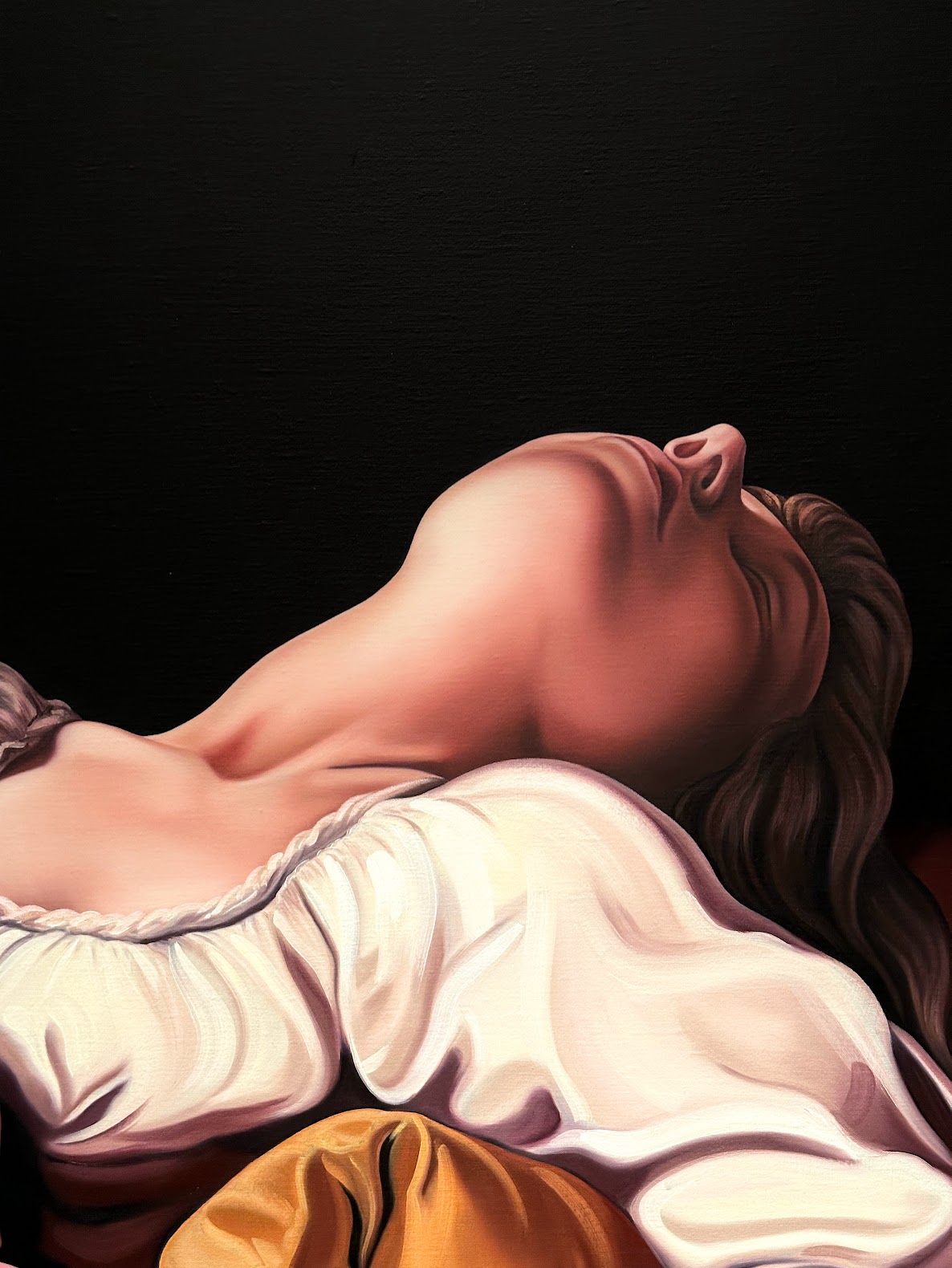
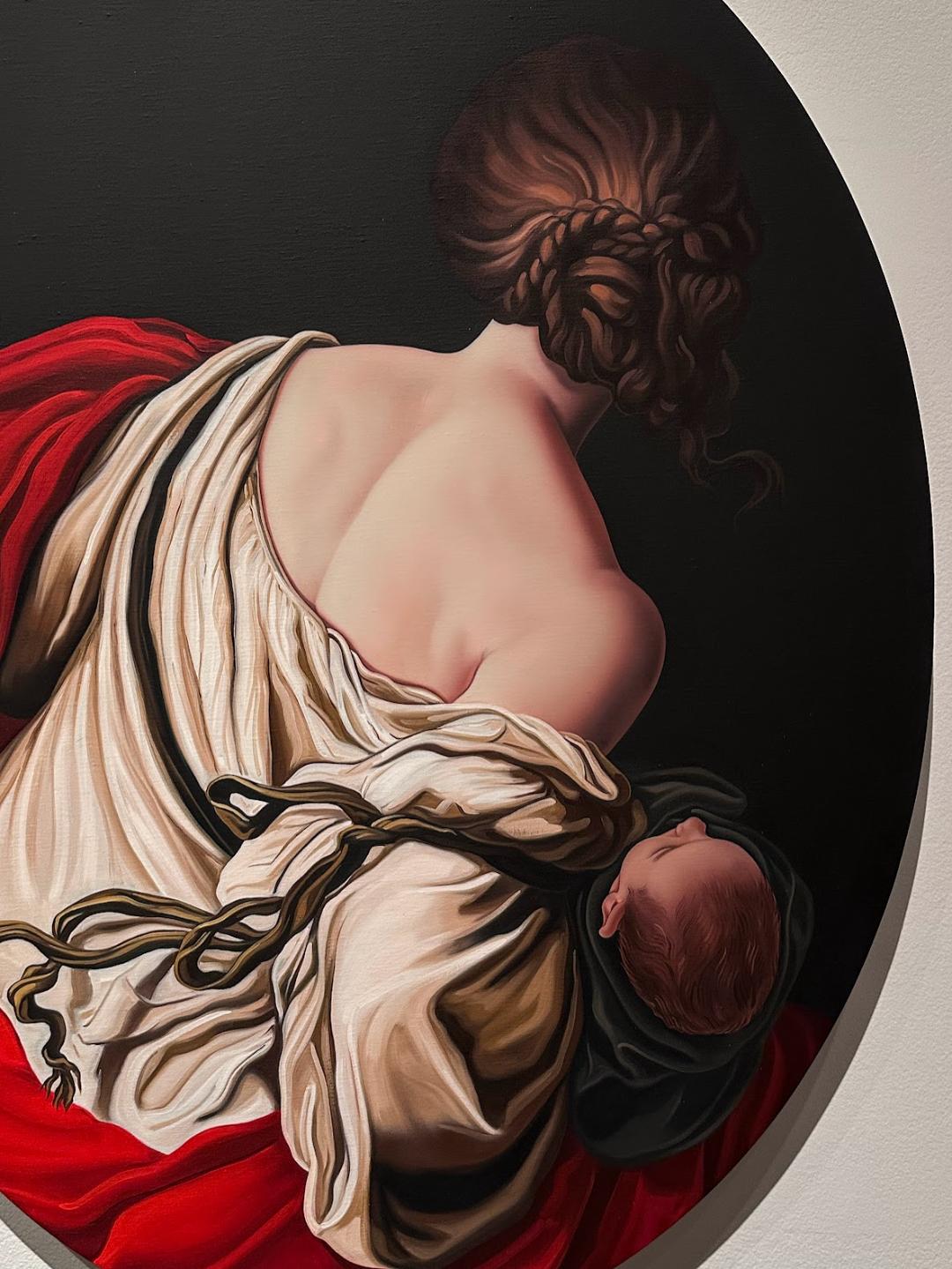
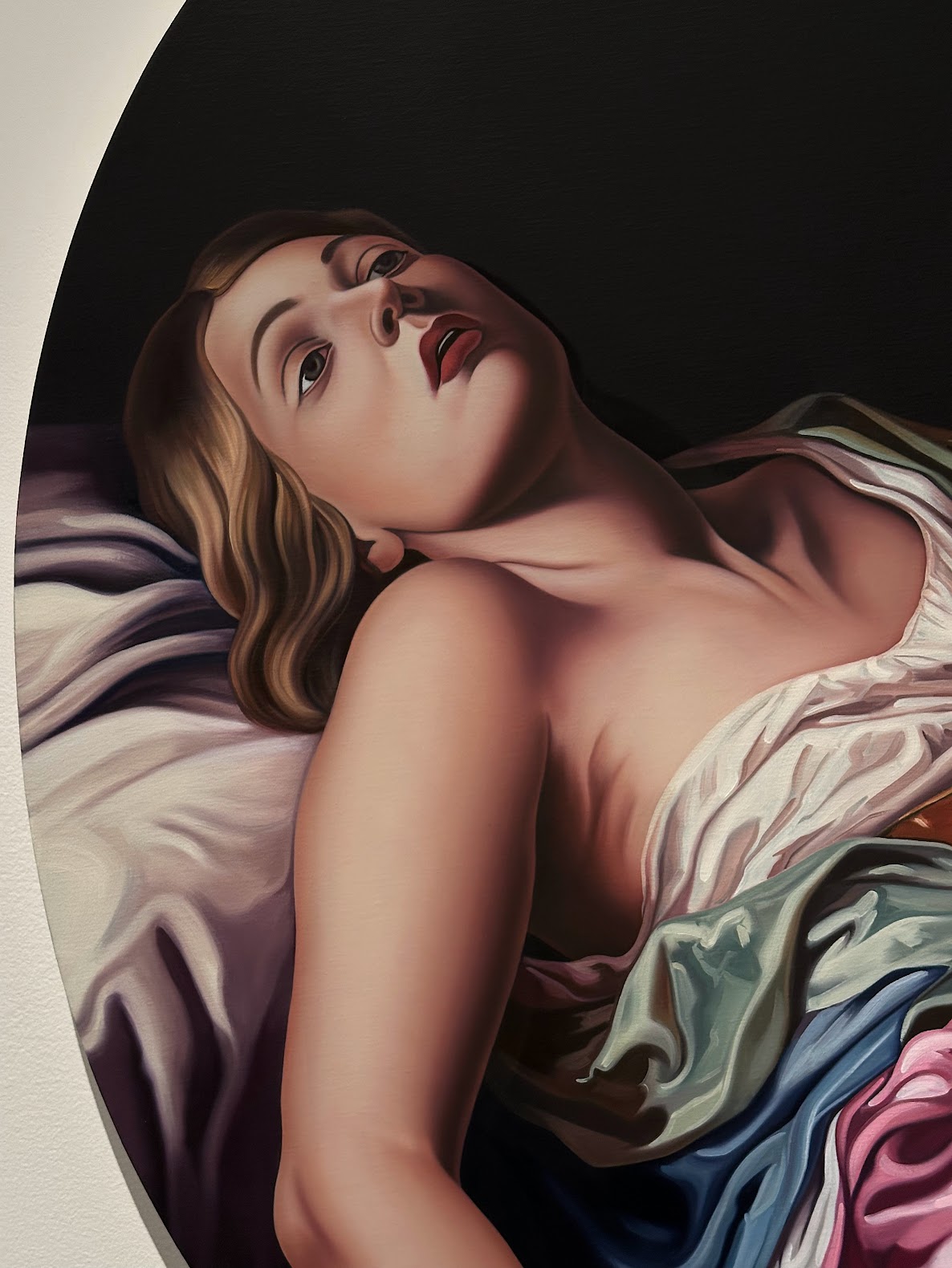
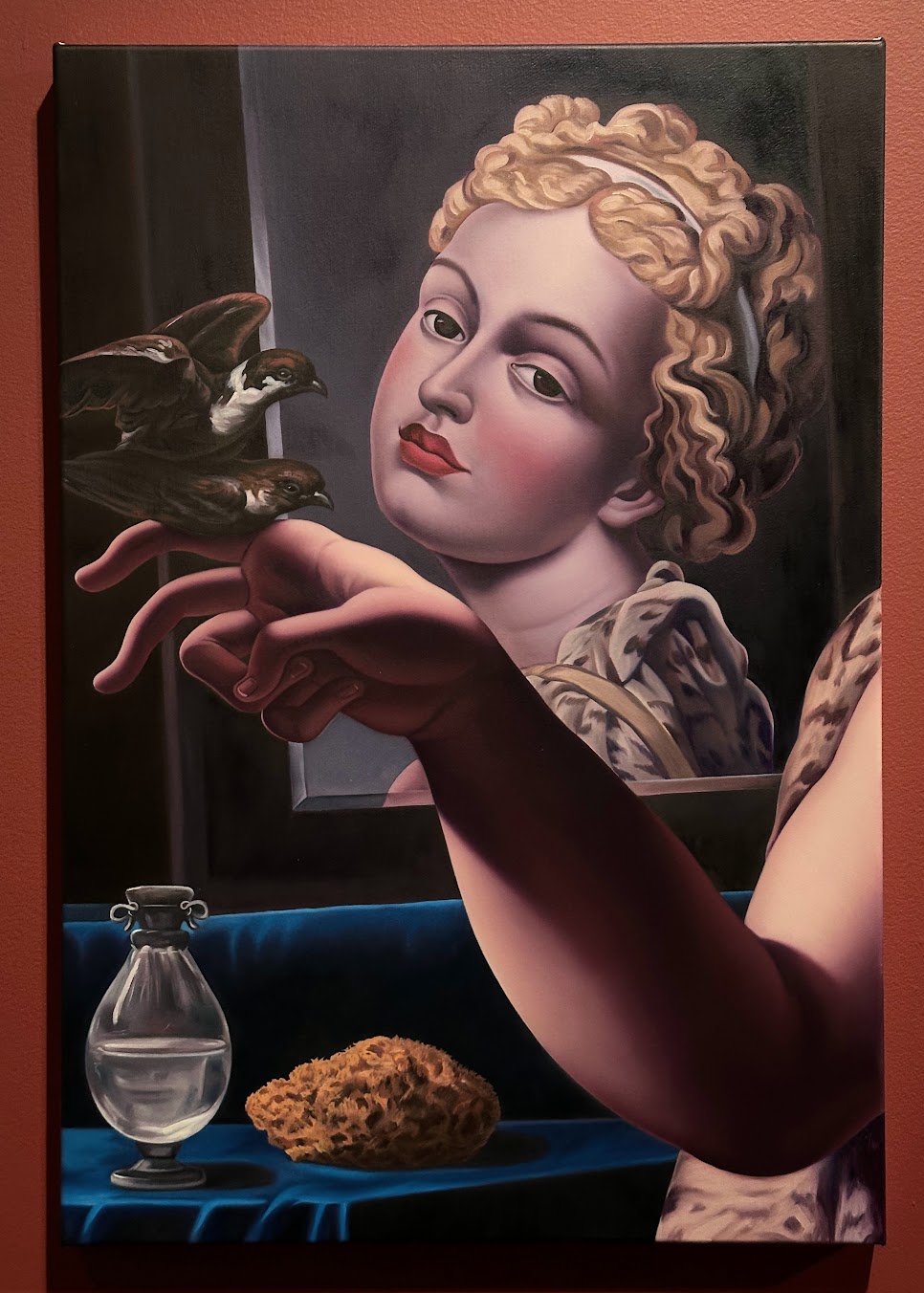
“Reworking familiar imagery is just my way of giving history a second look.” – Jesse Mockrin
Only Sound Remains – oil on linen
Based in Philadelphia, this artist examines Renaissance and Baroque artists’ art, with an eye on the survival of traditional narratives and beliefs in contemporary society. She then intervenes with her own modern canon.
Jesse Mockrin’s paintings “respond to histories of sexual violence and cruel treatment of women over millennia of myth and story, offering interventions and moments of resistance.”
Collectively, the paintings in ECHO highlight “an ongoing battle for bodily autonomy”.
The above painting is based on the Greek and Roman myth of Echo and Hera.
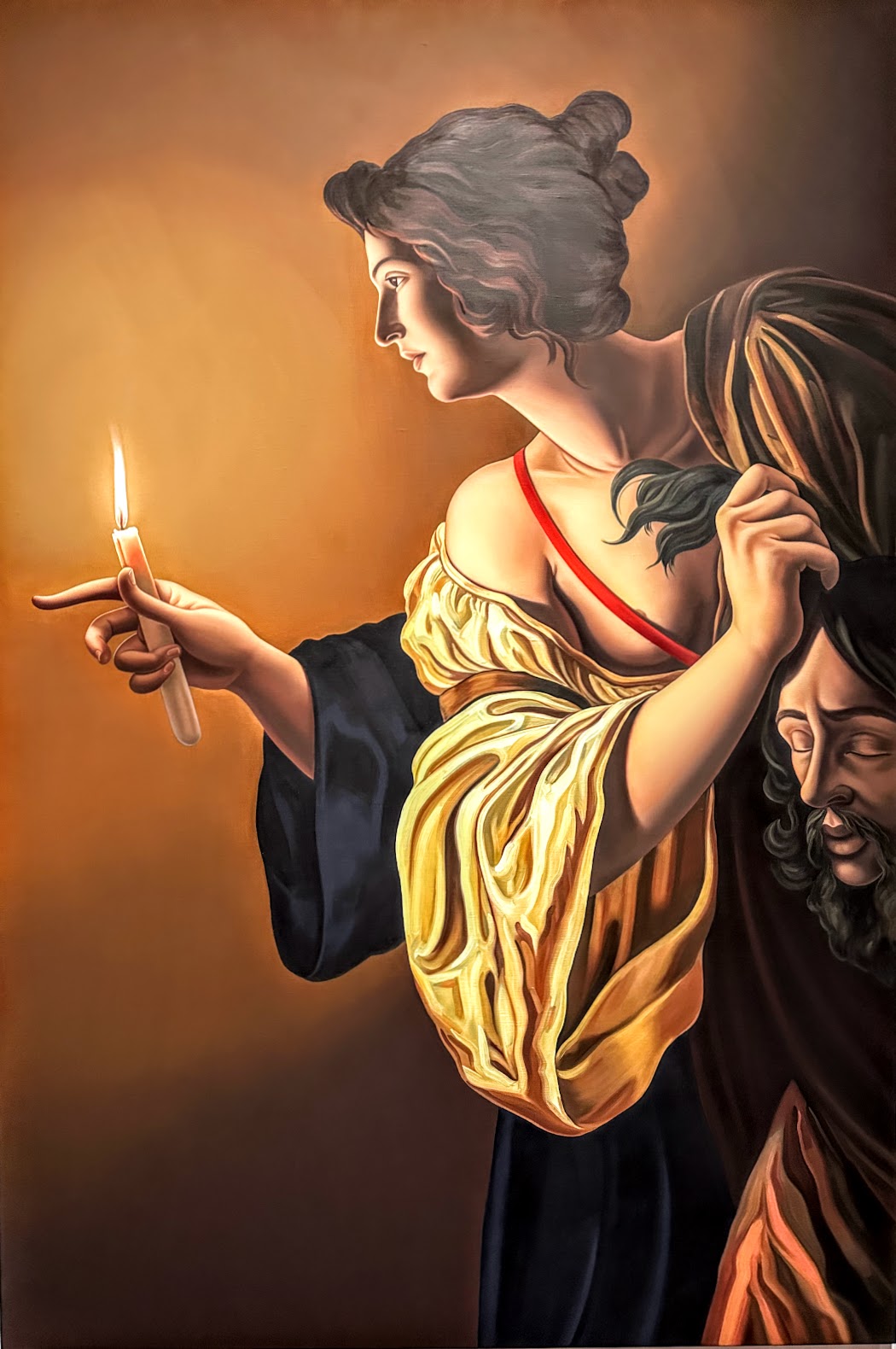
By Her Hand – oil on linen
The biblical widow and heroine, Judith, beheads Assyrian General Holofernes and saves her people. This was a popular subject for artists in the 15 & 1600’s due to the “stark contrast between Judith’s femininity and the aggression of her violence.”
Behold/Beholden – oil on linen
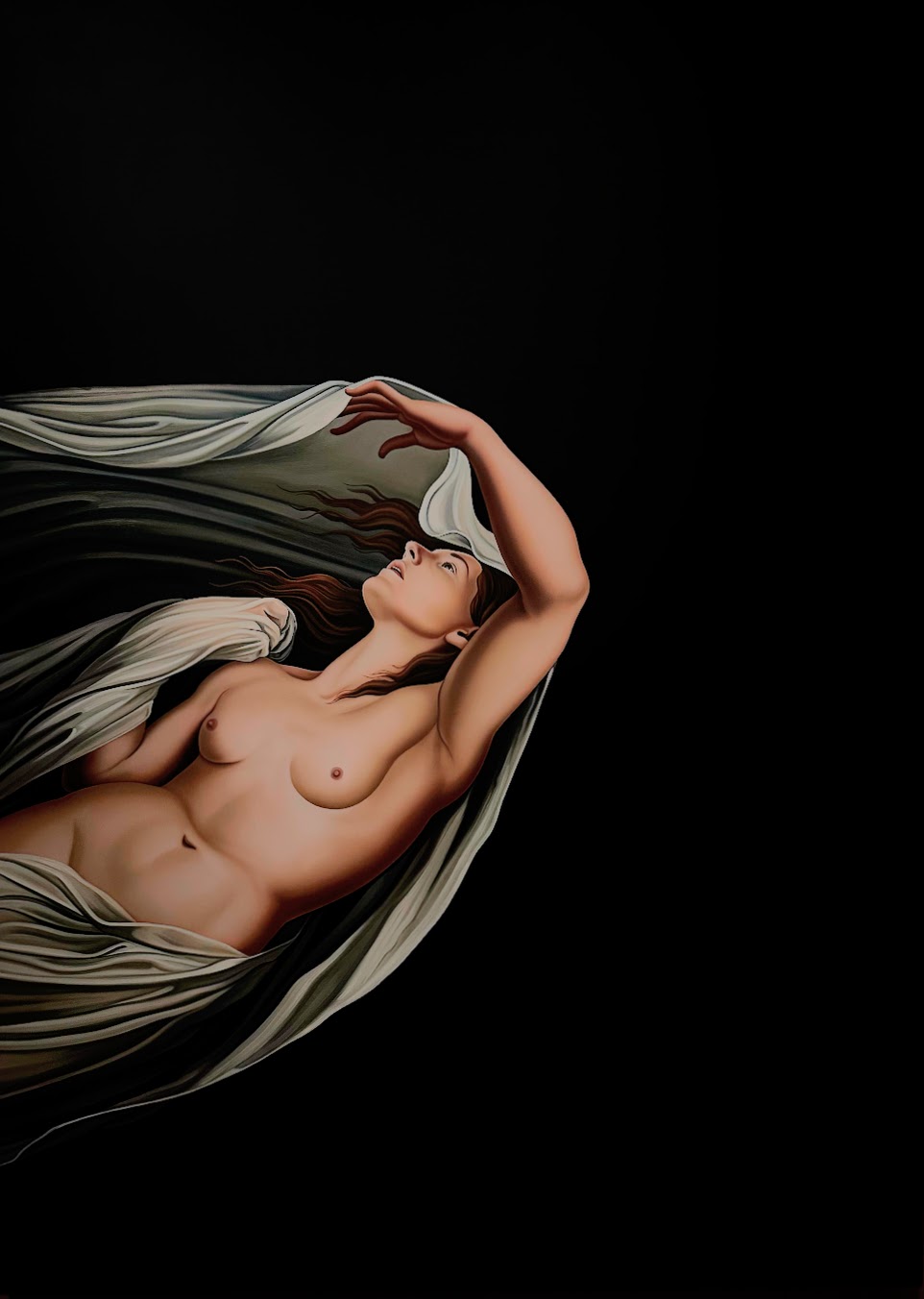
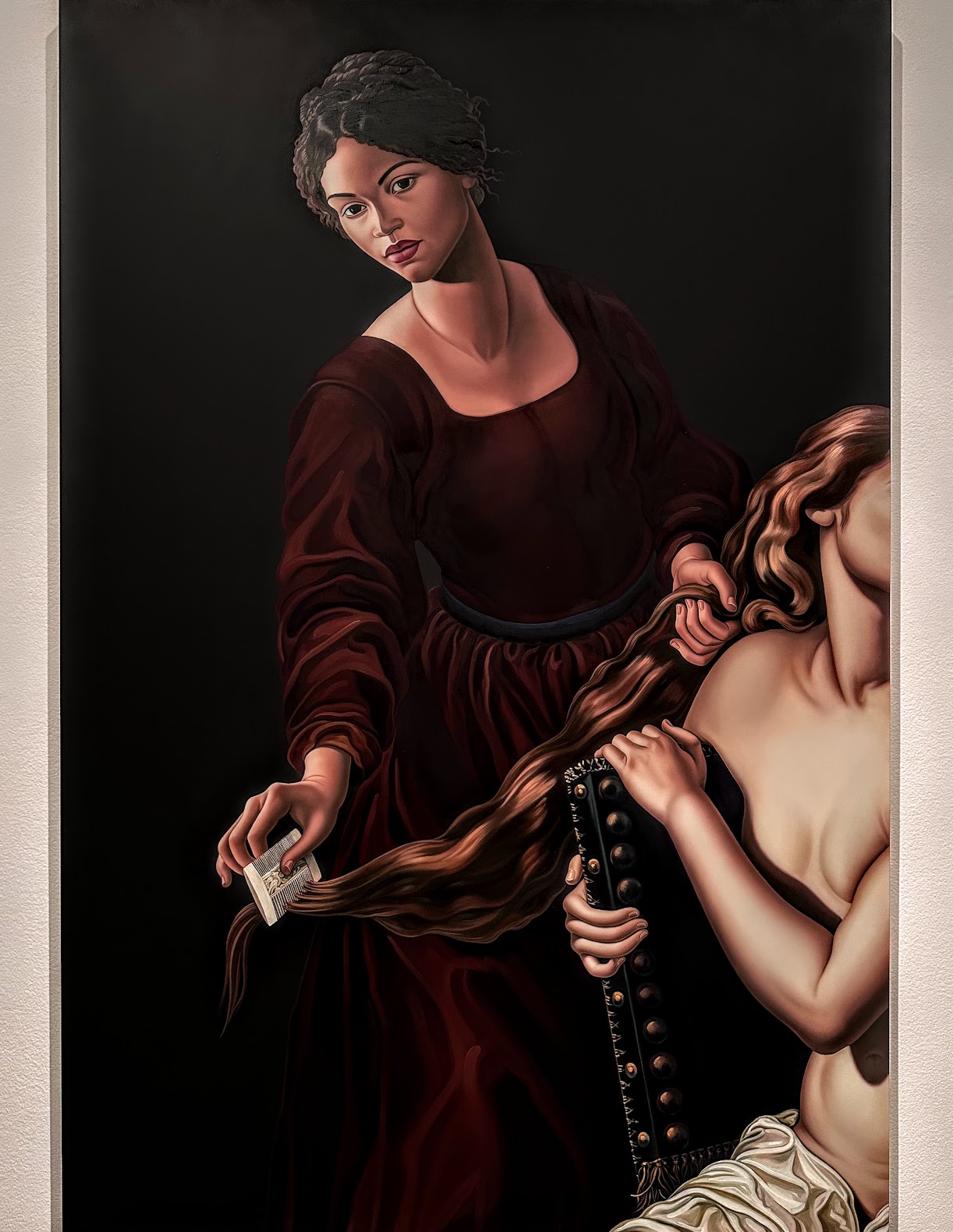
Mockrin builds up thin glazes of oil paint, a European Renaissance developed technique. “she crops her composition sharply, hiding critical elements of a story and leaving conflict unresolved.”
Unvarnished, her paintings have an eerie flatness.
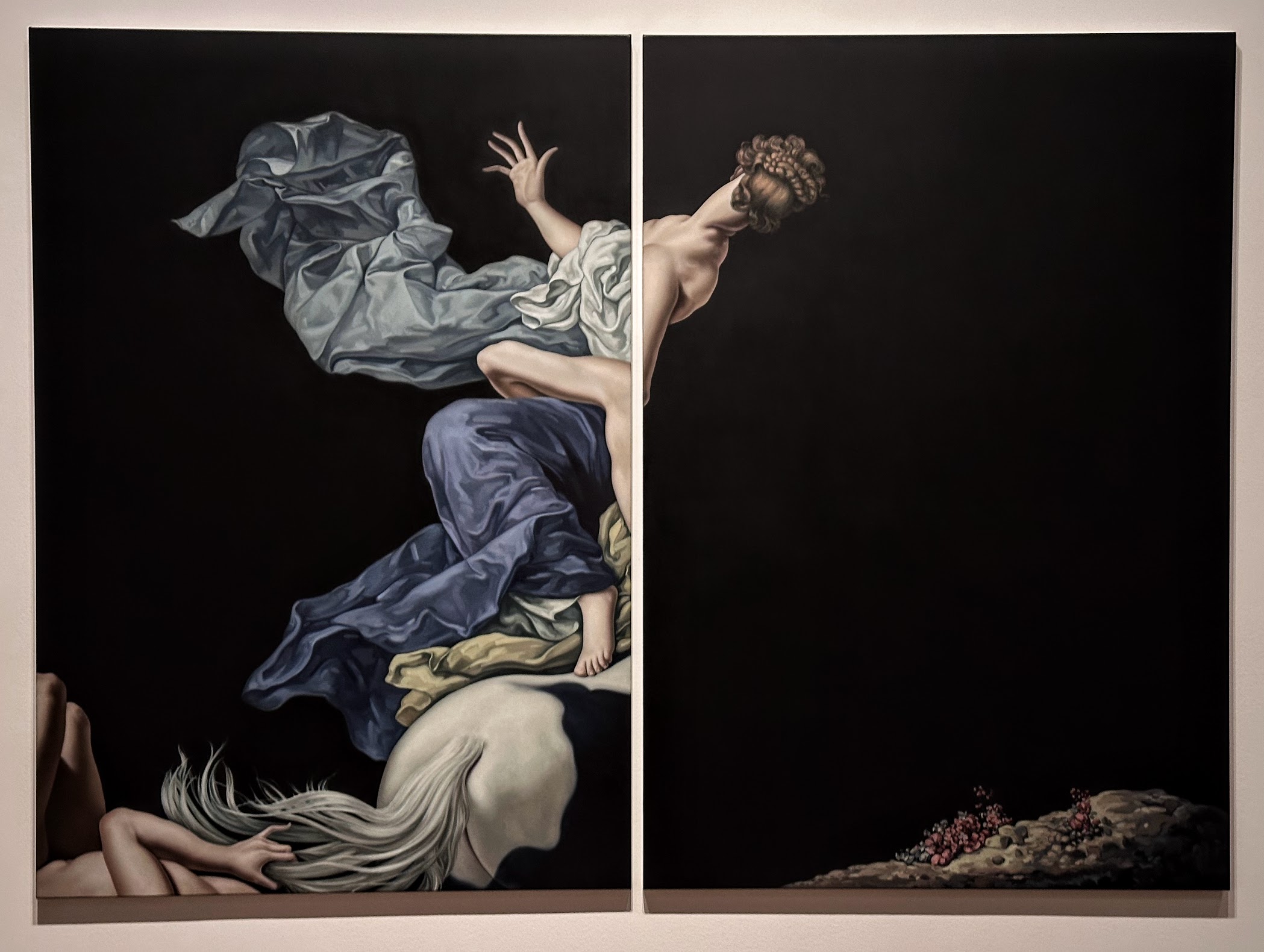
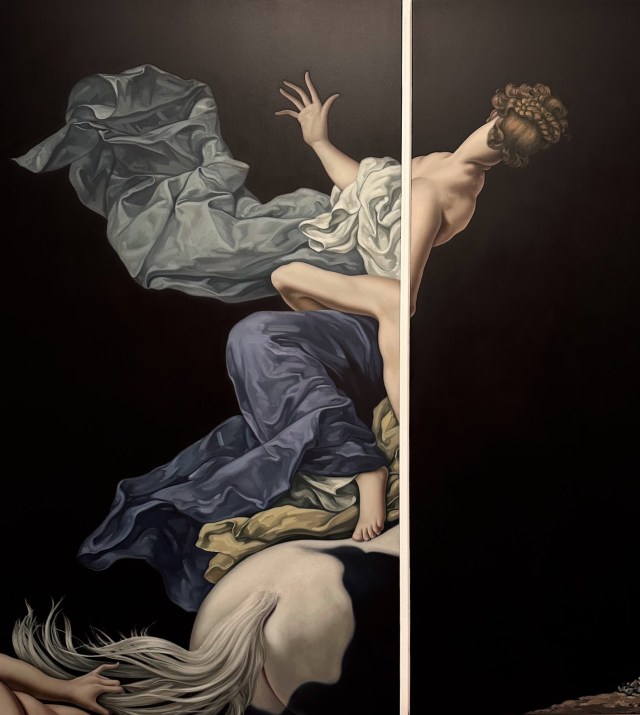
In mid-stream – oil on canvas
“Grasping, pulling, lifting …. I am drawn to the ways that Baroque painters build drama and tension into their compositions.”Jesse Mockrin
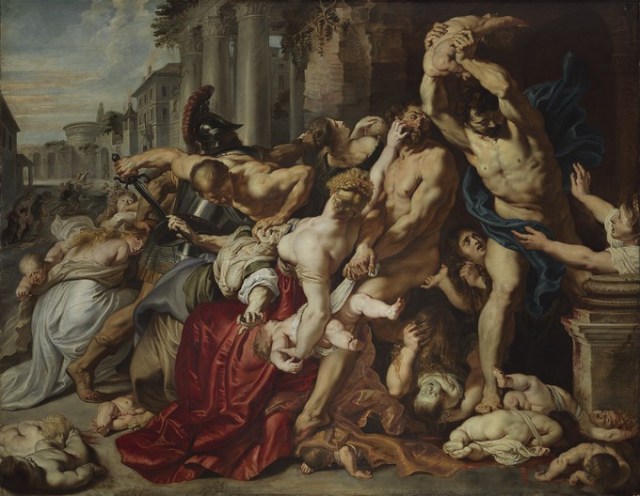
Based on Ruben’s The Massacre of the Innocents, the woman in the right panel is based on one of the mothers protecting her children.
Painted circa 1610, The Massacre of the Innocents resides in the AGO’s collection. The photo on the left is an allowable share from the AGO. Click on the image to visit the page, and a larger version of the masterpiece..
In the Book of Genesis – Rachel and Leah were both married to Jacob.
Leah had many children. After many years of yearning to be a mother, Rachel had 2 sons. She died giving birth to the second child.
Longing – oil on linen
Lovesick – oil on linen
A cry is heard – oil on linen
“It’s very emotional and very real, her longing for a child and then her tragic death as a result of it.”
“We think we’re not that similar to these characters, but they were just people, same as us.” – Jesse Mockrin
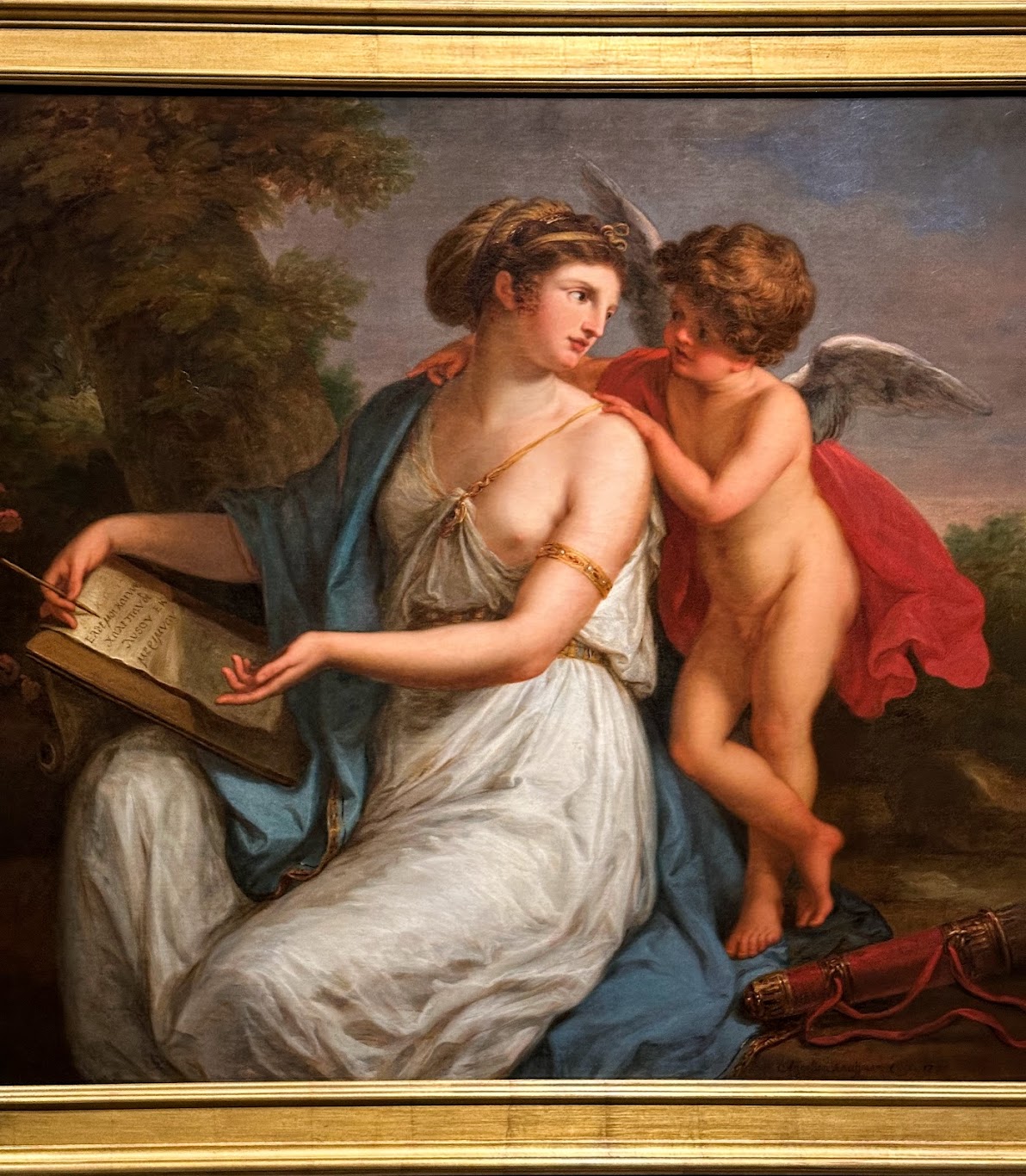
It was an extreme pleasure to view 2 of Angelica Kauffmann’s paintings at the Making Her Mark exhibit, at the Art Gallery of Ontario (AGO).
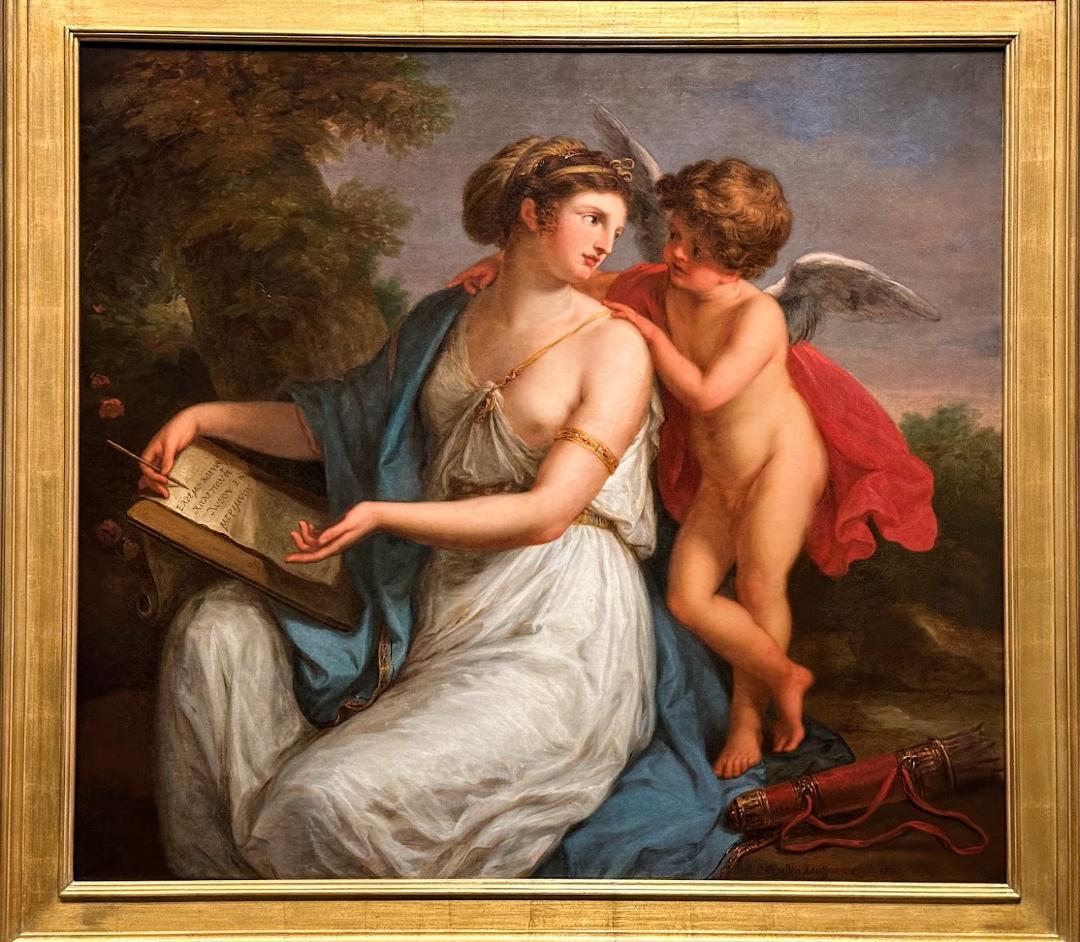
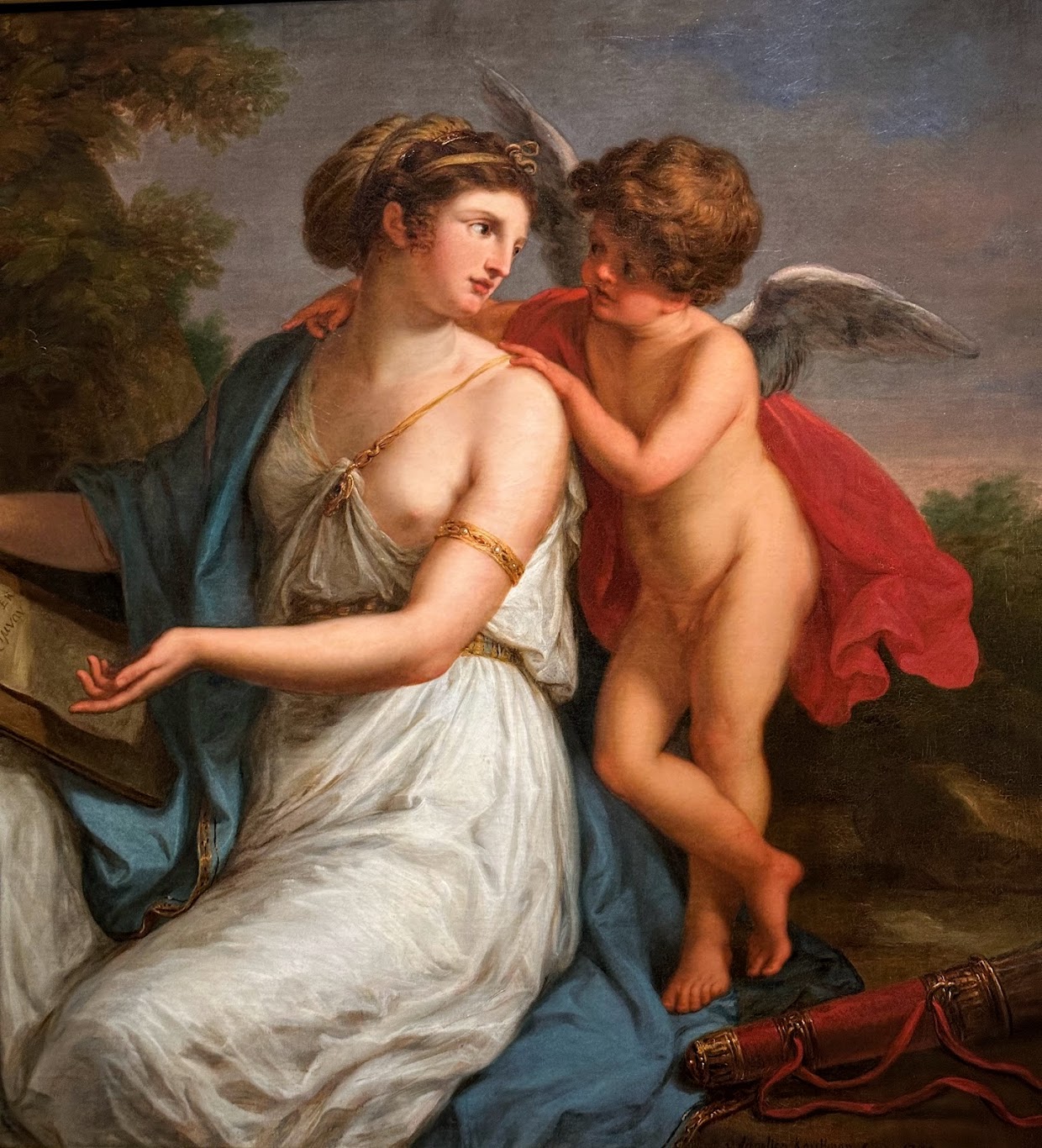
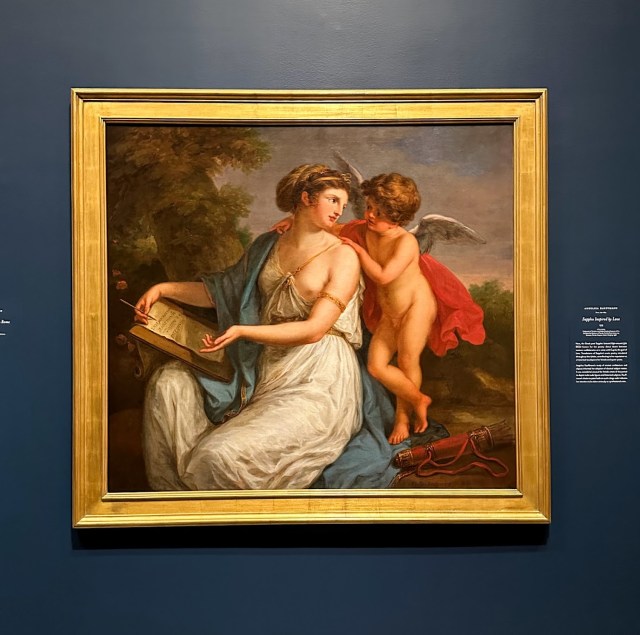
Sappho Inspired by Love
1775 – Oil on Canvas
Born in Switzerland in 1741, Angelica studied under her father, muralist Johann Joseph Kauffman. By 12 years of age she was considered a prodigy, could sing (soprano) and was soon fluent in German, Italian, French and English.
In the early 1760s, a transient life travelling through Switzerland, Austria, and Italy, as her father’s assistant, introduced her to classical and Renaissance art. She also became familiar with the emerging art movement, Neoclassicism.
In this painting-
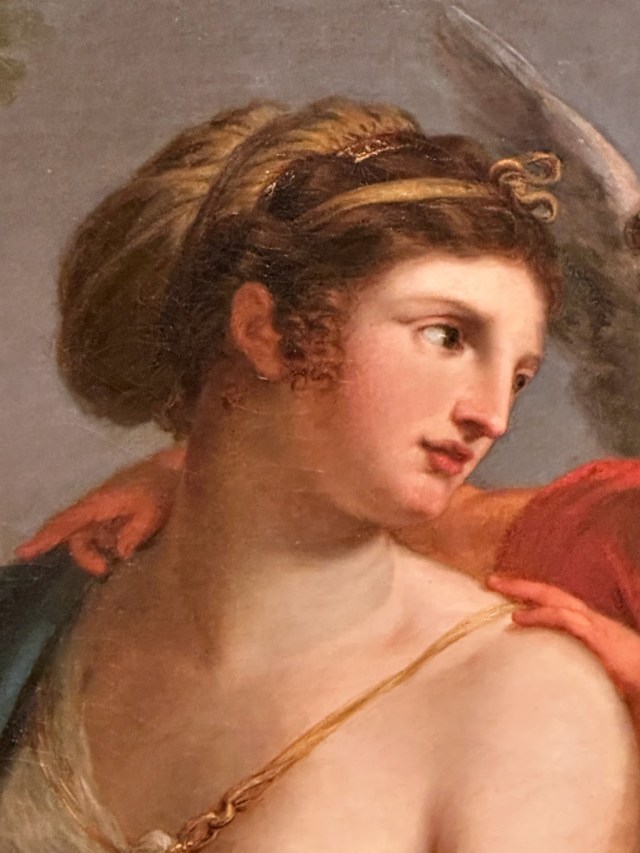
“the Greek poet Sappho – (around 630-around 570 BCE) – known for her poetry about desire between women – collaborates on a verse with Cupid, the god of love.” -AGO
“Translations of Sappho’s erotic poetry circulated throughout the 1700’s, contributing to her reputation as a historical touchpoint for female and queer poets.” – AGO
In 1765 Angelica was elected to Rome’s Academia di San Luca, in recognition of her works.
Accompanying Lady Wentworth, Angelica moved to London in 1766. Here she became the demanded portraitist for aristocrats and royalty.
In 1767, she married a fraudulent Count Frederick von Horn, clergyman. Later that same year, Angelica found herself abandoned. The imposter had been found out and fled the scene.
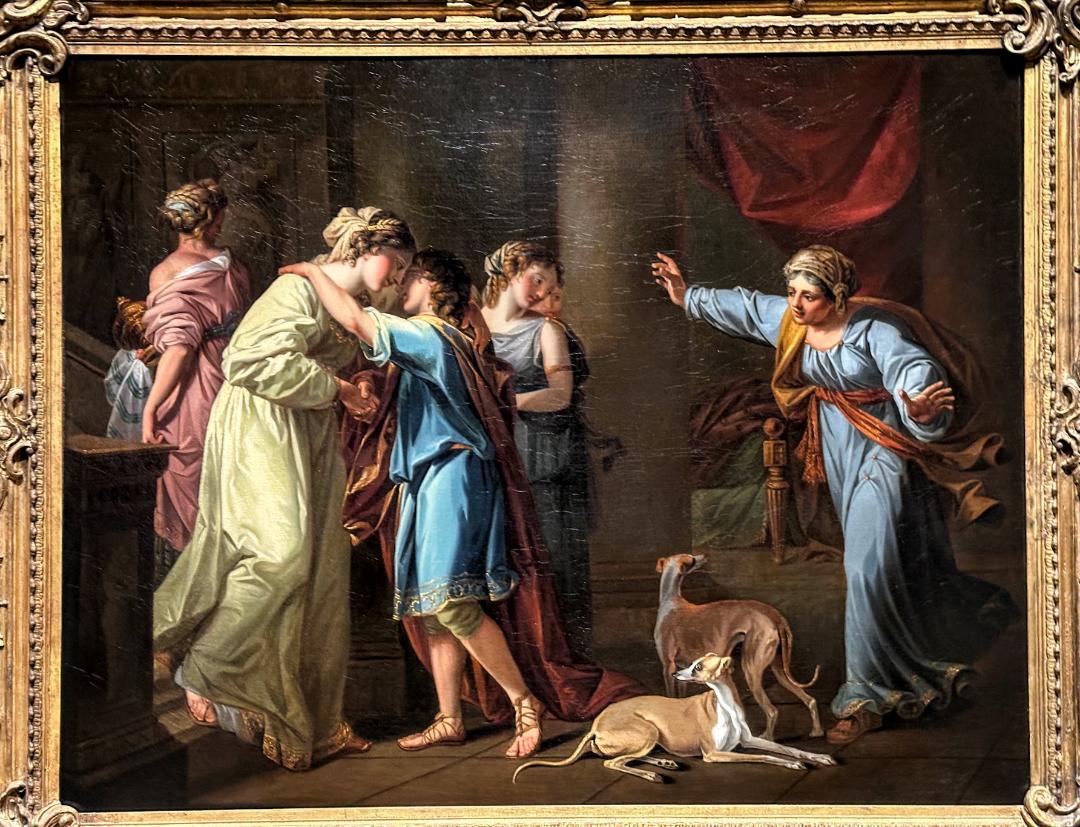
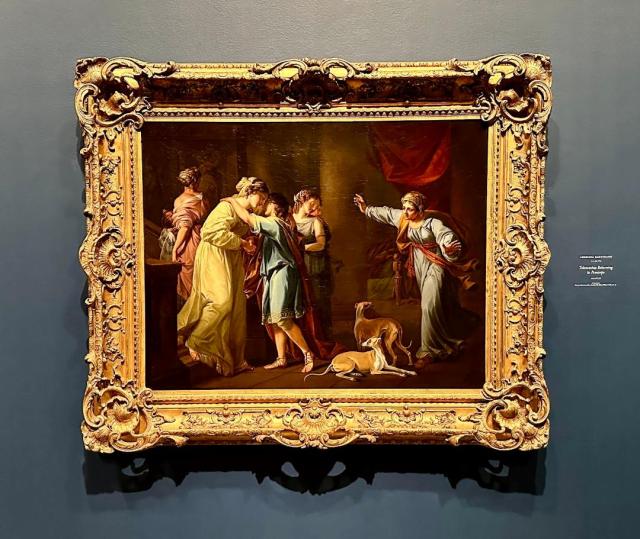
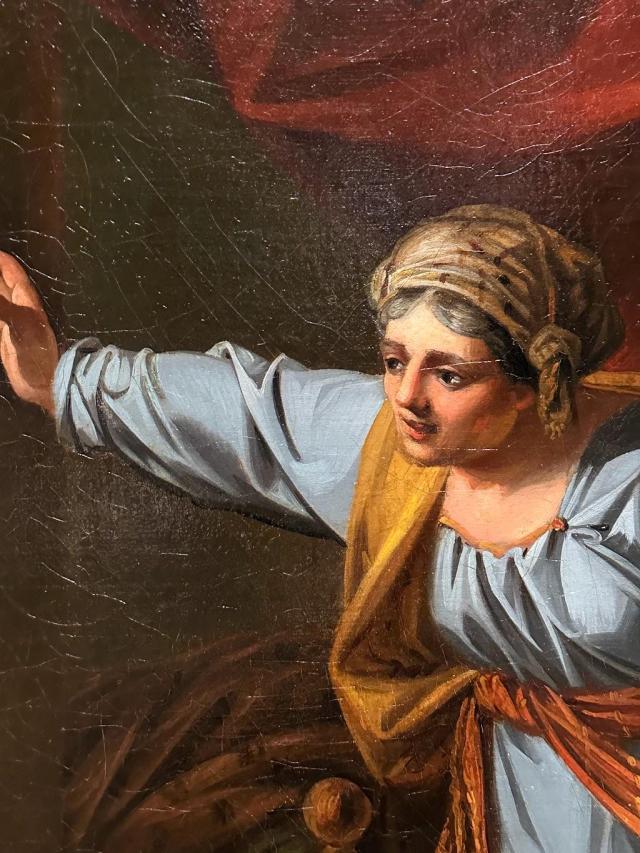
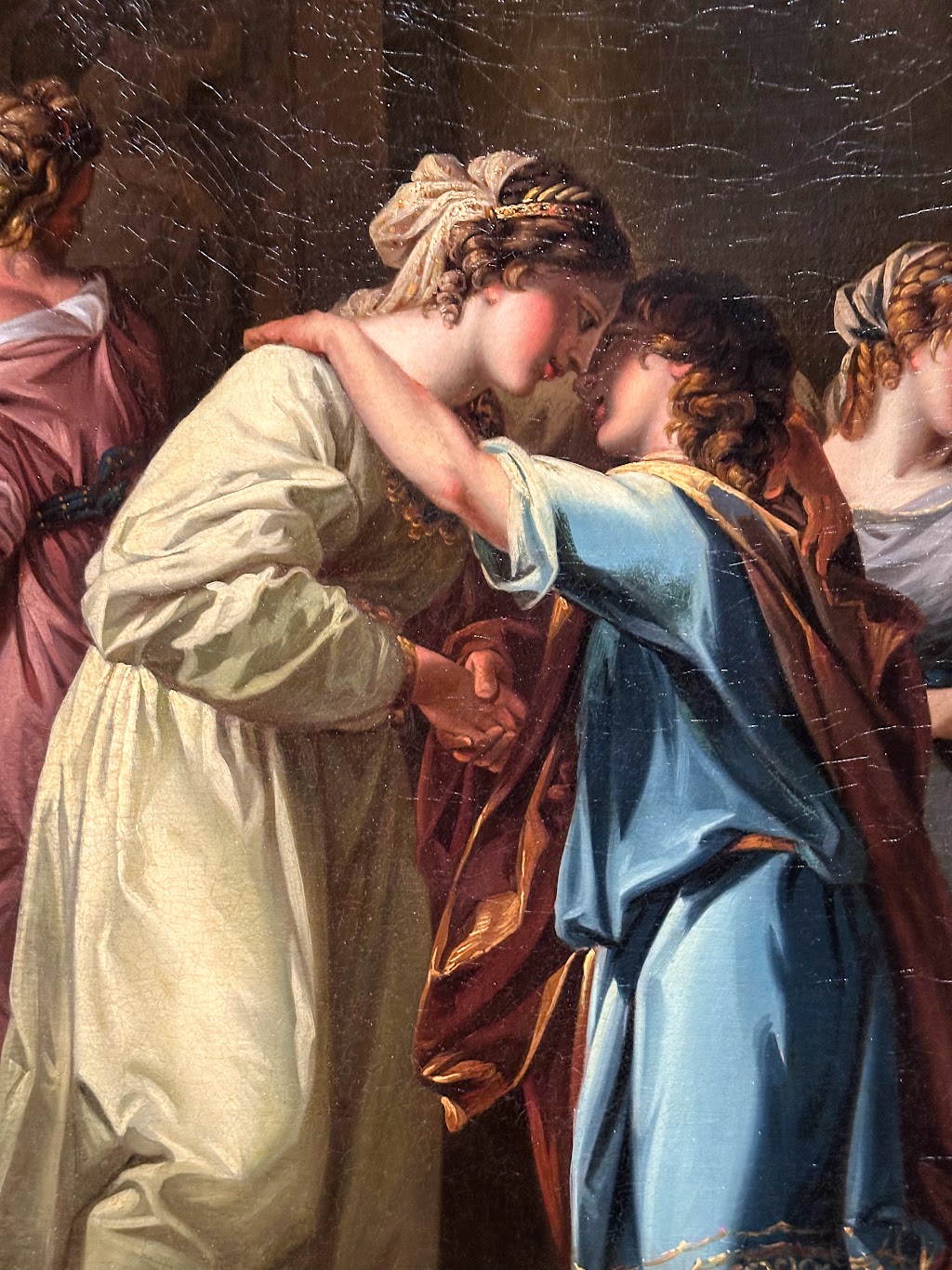
Telemachus Returning to Penelope
circa 1771 -Oil on Canvas
In 1768, Angelica Kauffmann and Mary Moser, became the only female painters among the founding members of London’s Royal Academy of Art. Her work showed regularly at the Academy for the next 16 years.
Angelica formed a personal style of painting women from classical history and mythology. This strong brand of hers evolved from the reality that women were not permitted, excluded from life drawing classes.
In the 1770’s, she became part of a team painting interior designs for Robert Adam. A Scottish architect and designer, he, with his brother James, transformed English Palladian Neoclassicism into the airy, light, elegant Adam decor.
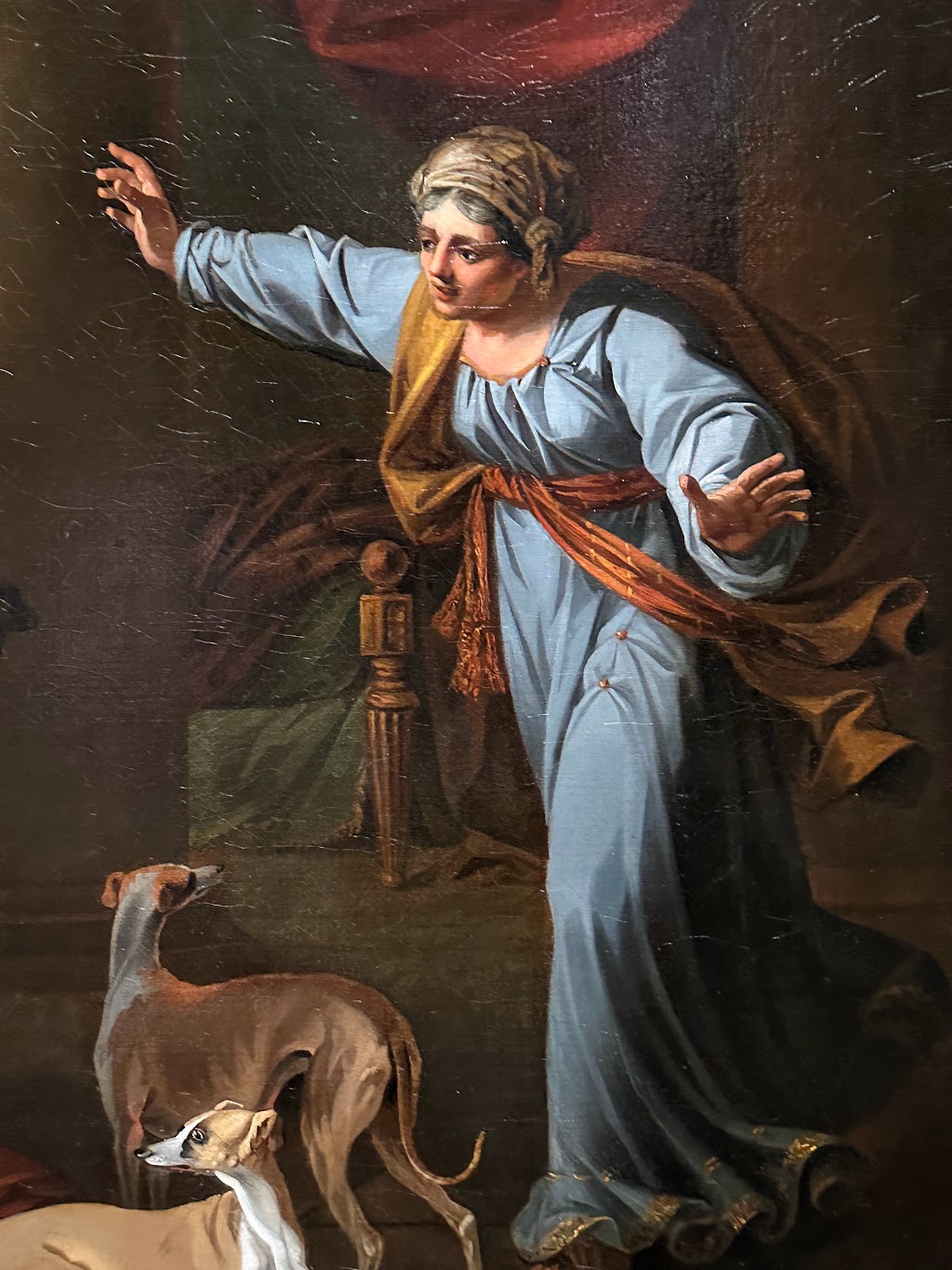
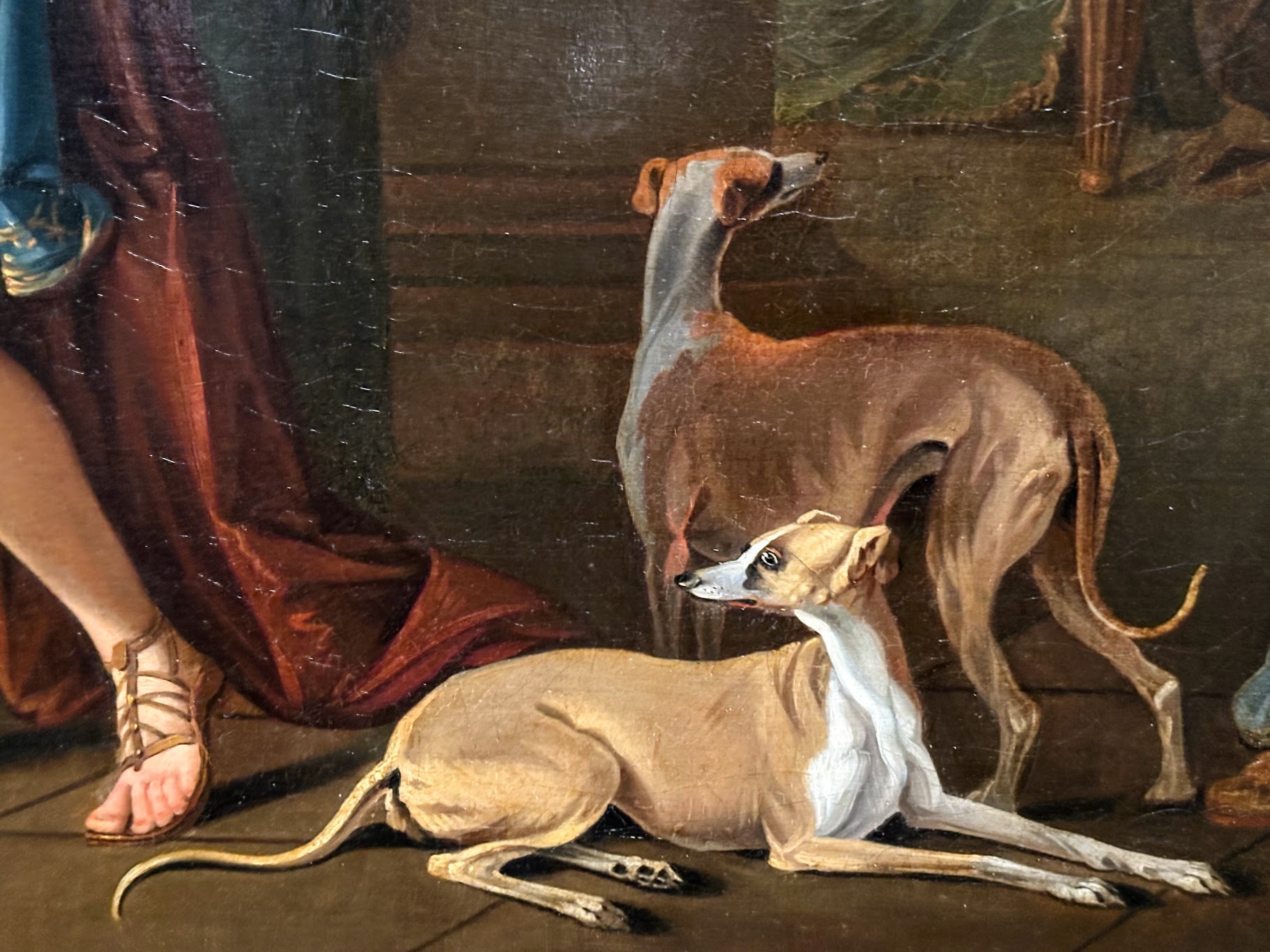
Telemachus, the son of Odysseus and Penelope, is now a man and a warrior. He has aided Odysseus in slaying the unwanted suitors of Penelope, and is back at home in Ithaca.
In 1781, at 39 years of age and after the death of von Horn, she is remarried to the Venetian painter, Antonio Zucchi. He succeeds Angelica’s father as her business manager.
The marriage contract guarantees her the rights to her income.
She retired to Rome in the early 1780s with her husband, Antonio Zucchi.
In 1782 Angelica Kauffman opens an internationally attended studio beside the Spanish Steps (a Baroque stairway in Rome, connecting the Piazza di Spagna with the Trinità dei Monti church.) It becomes the “In Place” for intellects.
In 1787, Angelica Kauffman becomes a dear friend of Johann Wolfgang von Goethe. She paints his portrait and becomes part of Goethe’s innermost circle.
Angelica Kauffmann died in 1807. She had become exceedingly famous by that time; so much so that Antonio Canova (prominent Neoclassical sculptor), directed her funeral. It was inspired by the funeral of the Renaissance master Raphael.
Josefa de Ayala, aka Josefa de Óbidos, was a novelty. She was celebrated after her death; the only woman known to have worked as a painter in Portugal, during that period.
The Christ Child as Pilgrim – 1676– Oil on Canvas
Josepha learned to paint by helping her father, Baltazar Gomes Figueira. In her lifetime, Portugal was monetarily unstable and often at war. However, much of her artwork was for patrons in Coimbra, a wealthy area boasting a university.
At 29 years old, her parents gave written permission for her to be to be a Donzela emancipada. (emancipated woman). She remained unmarried and independent for her entire life.
She received many commissions, during her lifetime. However, Josepha was wealthy from real estate investments and was able to refuse work at the Portuguese court.
She signed many of her artworks, as Salvator Mundi. Thinking this was a male painter attracted clients, and prevented her from being forgotten over time.
Lavinia Fontana
Italian: 1552 -1614
Born in Bologna, died in Rome; Lavinia Fontana painted in the Mannerist style she was taught by her father, Prospero Fontana.
Holy Family with Saints Margaret and Francis – 1578
An important portraitist in the late 16th century, she also produced many religious paintings. Lavinia was celebrated for the vibrant colour and detail of the clothes and jewels her subjects wore. She also became one of the first women to render publicly funded, large scale figure paintings.
In 1577 Fontana married Gian Paolo Zappi. An inferior painter, he pivoted to becoming her business agent.
Some of her paintings are signed with her married name.
Lavinia was the mother of 11 children.
Enjoying the patronage of the family of Pope Gregory XIII, Lavinia painted portraits of much of the elite.
In 1604 she painted the Martyrdom of St. Stephen, for San Paolo Fuori le Mura in Rome. An altarpiece and her largest work, it was destroyed when the basilica burned down, in the fire of 1823.
This is an oil on canvas painting, and there were at least 2 others by Lavinia Fontana in the Making Her Mark exhibit. I’ll show those at another time, with a few more tidbits of her extraordinary life.
In the meantime, should you be interested to learn more about her, you can check out the links at the end of this post, search her online or in libraries.
Barbara Longhi
Italian: 1552 – 1638
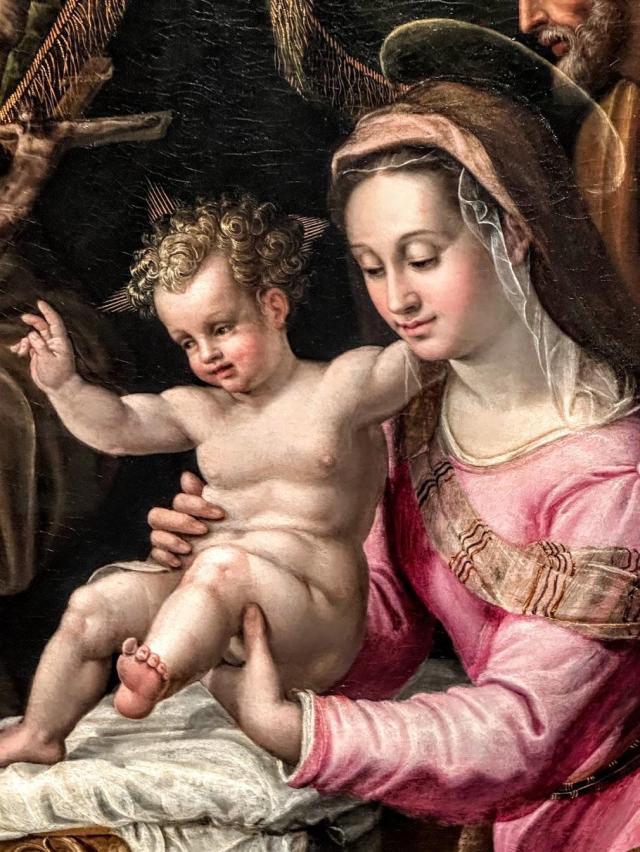
Known primarily for her religious paintings, Barbara Longhi’s work can be difficult to differentiate from her father’s work. Her father, Luca Longhi, was a renown painter and miniaturist. Barbara began her art journey, by assisting him with altar pieces.
Virgin Mary & Infant Jesus – ca – 1575-80
She expanded beyond her father’s teachings by studying the works of Parmigianino and Correggio. Barbara painted primarily religious images, including several depictions of Madonna and Child with Renaissance style and features. I’m intrigued that parted drapes exposing landscapes was one of the elements.
Giorgio Vasari commended her for having “purity of line and soft brilliance of colour”.
Her ability to capture human interaction kept her one of the few successful career women of her day.
The Art Gallery of Ontario has obtained this 42.5 × 34 cm. oil on canvas painting for its permanent collection.
” Longhi’s painting, alongside two other gifted paintings by women artists (Mary Ann Alabaster (1805–1879) and Rosa Bonheur (1822–1899)), extends the AGO’s holdings of European Art by female artists three centuries deeper into the past.” – AGO
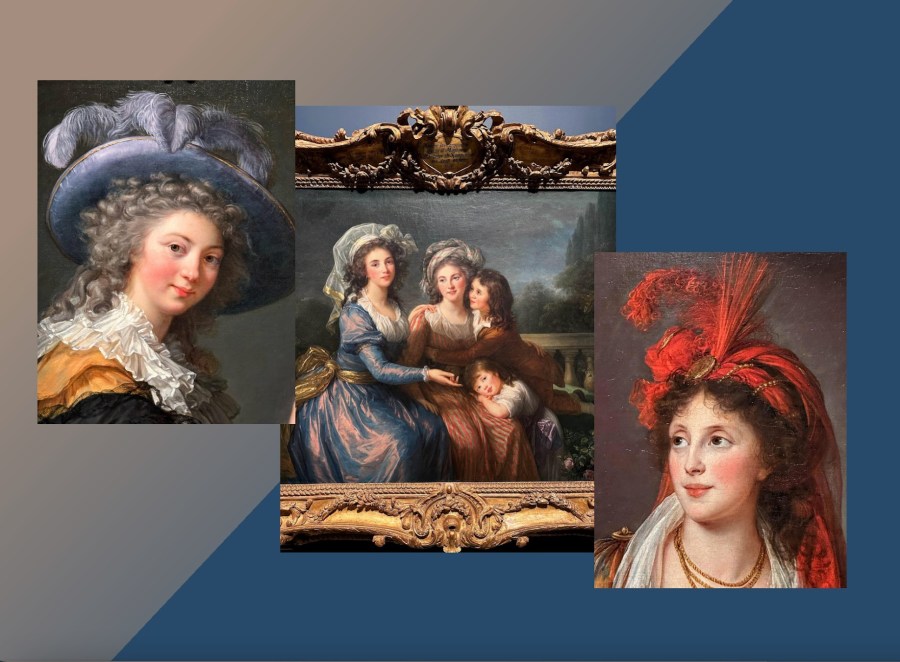
She painted Queens and Kings. She was the official portrait artist to Marie Antionette. Much has been recorded by and of Élisabeth Vigée Le Brun (1775 -1842).
Yet, who are some of the extended royalty whose VigéeLe Brun’s images linger on earth for posterity? I was privy to viewing 3 of Élisabeth Vigée Le Brun’s portraits at the Making Her Mark exhibit. All 3 are of royalty.
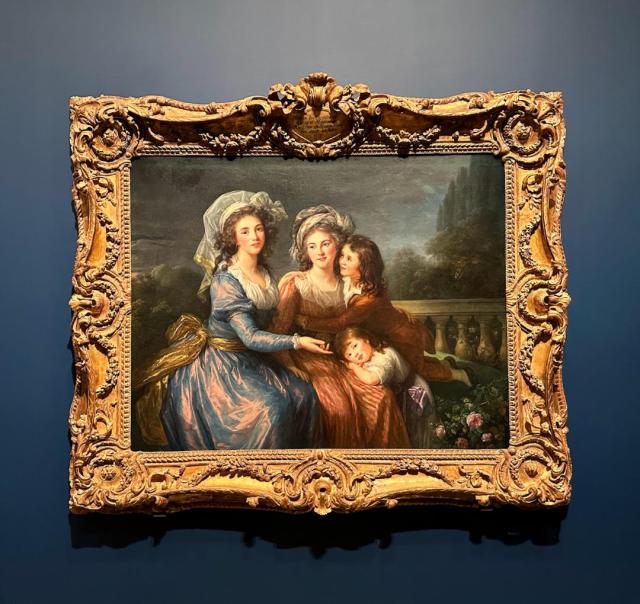
The Marquise de Pezay, and the Marquise de Rougé with Her Sons Alexis and Adrien
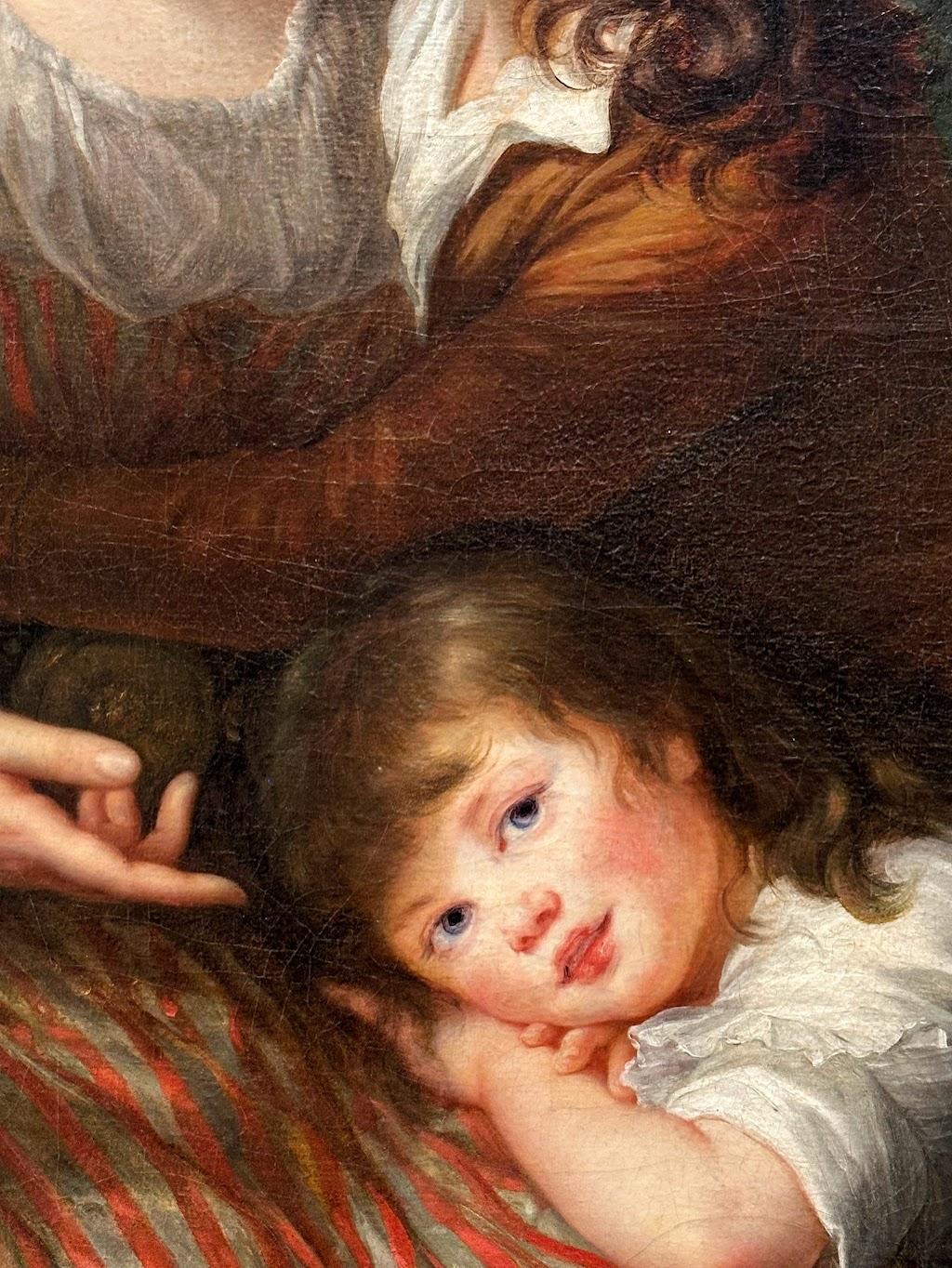
This massive painting (4.5 ‘ x 5.1’) painted in 1787, was one of my faves at the exhibit. It was almost like being with living people.
1787 – Oil on canvas
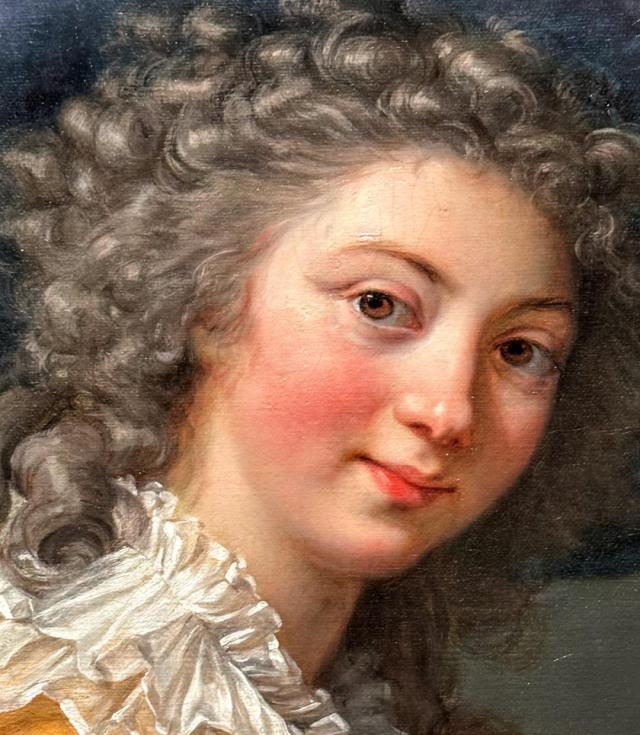
The Marquise de Pezay
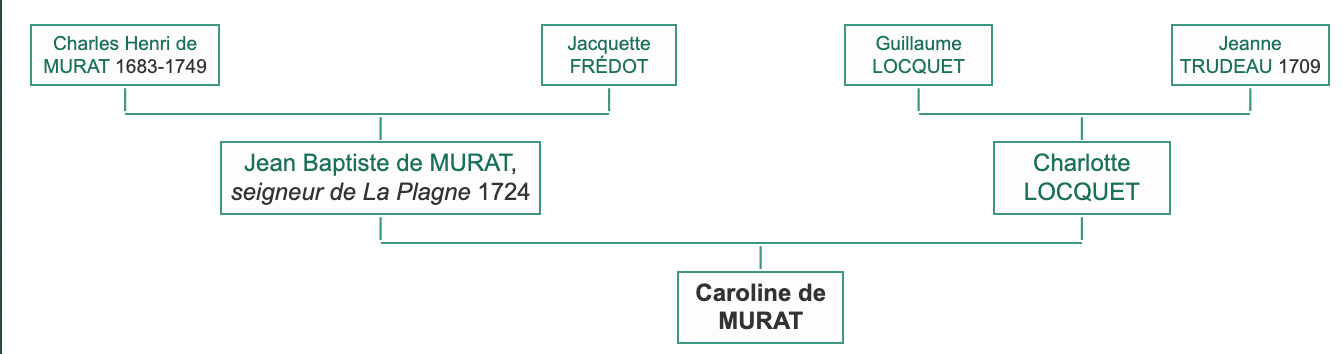
There is not much written about The Marquise de Pezay nee: Caroline de Murat, and I cannot find the date of her birth. From an old Auvergne family, she was very beautiful and quite penniless.
In 1776 she married Alexandre-Frédéric-Jacques Masson , Marquis de Pezay. The Marquis de Pezay was a French Military officer of distinction, a writer and encyclopedist. In 1777, at only 36 years of age he died at Pezay Castle.
Vigée Le Brun and the Marquise de Pezay both fled Paris in 1789 shortly after the storming of the Bastille.
The Marquise de Pezay found refuge in Lausanne, Switzerland, where she died in 1794.
There is also a record of her in Heidelberg in 1791.
In researching Caroline de Murat, you will also find Caroline Murat is the name of Napoleon Bonaparte’s youngest sister.
Marquise de Rougé
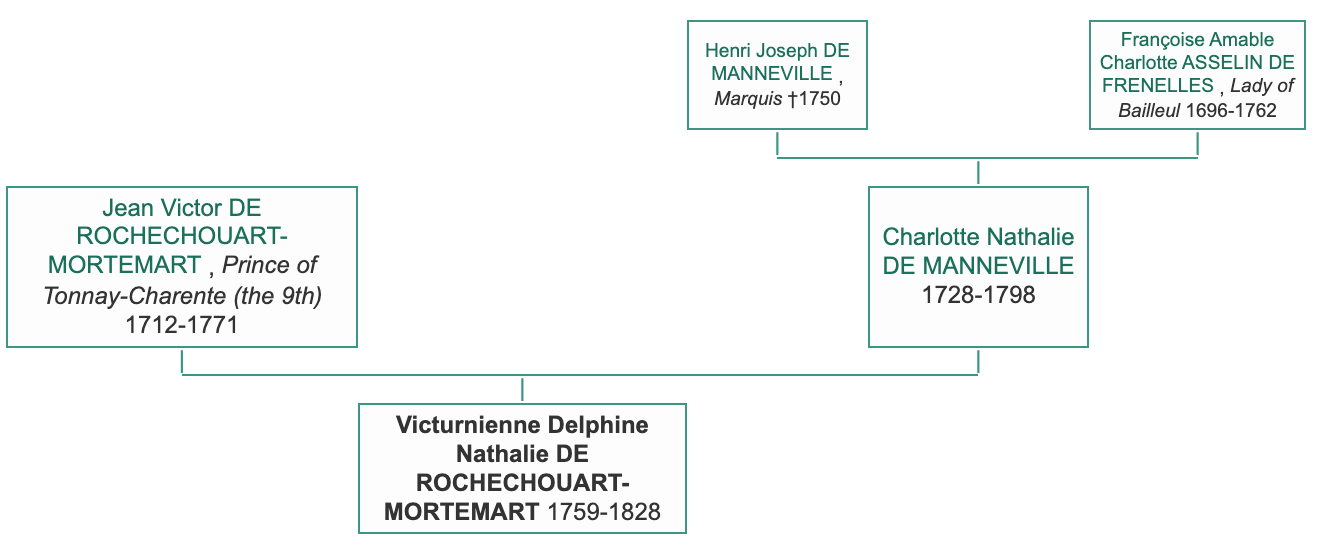
Nee: Natalie Victurnienne de Rochechouart de Mortemart (1759 -1828). Her father was Jean Victor de Rochechouart de Mortemart. Her mother was Charlotte Nathalie De Manneville.
She wed in 1777 to Bonabes-Jean-Catherine-Alexis de Rougé, the 3rd Marquis de Rougé. Five years later, returning from the West Indies on a battleship, he died.
In 1789 she and her sons left France for Switzerland, but returned to France in 1790. At that time, they lived in seclusion at the Château de Moreuil with her husband’s aunt, the Duchess d’Elbeuf. In 1791, she emigrated to Heidelberg, Germany, along with her children, her mother, andthe Marquise de Pezay.
From the Journal of the Emigration -by: Count d’Espinchal (1748 – 1823) while living in Heidelberg, Germany. Published from the original manuscripts in 1812.
“I have found living here since the winter, the Duchess de Mortemart, mother of the Duke and of the Marquis de Mortemart, both of whom are deputies to the Estates-General … and both members of the majority of the conservative nobility. The Marquise de Rougé, their sister, a pretty and amiable widow, is here with her children (she looks more like their sister) … and Mme de Pezay … who is her intimate friend.”
She returned to Paris in 1798. Her lands had been expropriated and sold. So, she took room and board in a home run by former nuns. Her sons joined her in France in 1800. She died on 25 December 1828
Alexis and Adrien
Alexis Bonabes Louis Victurnien, Marquis de Rougé, ( 1778 – 1839) was a French military officer and Statesman.
In April 1804, he married Alexandrine Célestine Zoé Emmanuelle Thimarette de Crussol d’Uzes (1785–1866). They had 6 children.
Adrien Gabriel Victurnien de Rougé (1782 – 1838) was a statesman and distinguished soldier.
In 1809 he married Caroline de Forbin d’Oppède. They had 4 children.
The Comtesse de Cérès
Seems some scallywag royalty wormed its way into Vigée Le Brun’s life.
1794 – Oil on canvas
It appears as though Anne Marie Thérèse de Rabaudy Montoussin (1759 – 1834) married “The Roué himself”, Jean de Barry-Cérès when she was 18.
Jean de Barry-Cérès, from suspect lower nobility, may have added the “de” to his name. That was easy to do back then, and claim you were A somebody. It appears he earned a scrounged living by both legal and so/so illegal means (gambling parlours and pimping) .
Not only does there appear to be only a Jean Barry (no Cérès), but it is somewhat unclear if he did wed Anne Marie Thérèse de Rabaudy Montoussin, who would have been his second wife. Barry’s first wife was Ursule Dalmas de Vernongrese.
Anne Marie Thérèse de Rabaudy Montoussin apparently married “de Barry” when she was eighteen. This portrait was done in 1784. She would have been 25.
De Barry, the Roué, was persona extremely non-grata at the French Court. Yet, Vigée Le Brun befriended the Comtesse de Cérès.
The friendship did not last.
Vigée Le Brun was furious that gossip was accusing her of having an affair with the French Finance Minister, Charles Alexandre de Calonne; gossip fuelled by the actions of Madame de Cérès .
From the memoirs of Élisabeth Vigée Le Brun
“While I was painting her portrait, she did me an atrocious disservice. In her ingratiating way she asked me to lend her my horses and carriage to take her to the theater.
The next morning I requested my horses for eleven o’clock. Coachman, horses, nothing had come back. I learned that Madame de Cérès had spent the night at the Finance Ministry.”
All assumed the affair was with Vigée Le Brun, as it was her coach that spent the night outside the Finance Ministry.
Élisabeth Vigée Le Brun
I’d like to take a moment here to say how awed I was standing in front of Élisabeth Vigée Le Brun’s paintings. They took my breath away. Rebecca Budd, curator of Chasing Art has, written an outstanding 7 part series onÉlisabeth Vigée Le Brun.
Below is the link to the first article. Just click on “NEXT POST” and work your way through this enchanting recounting of a remarkable woman in history, or I might say – Herstory!
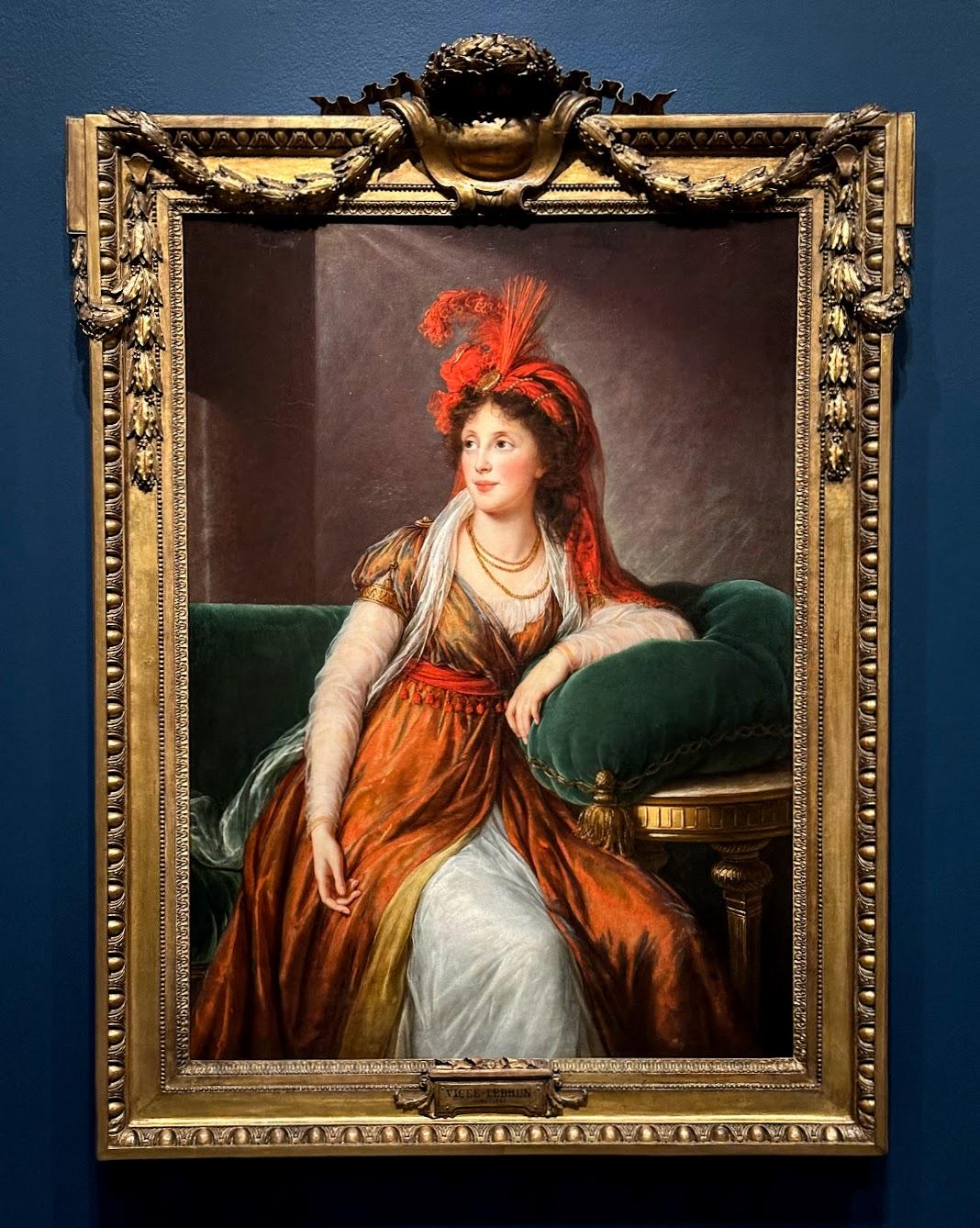
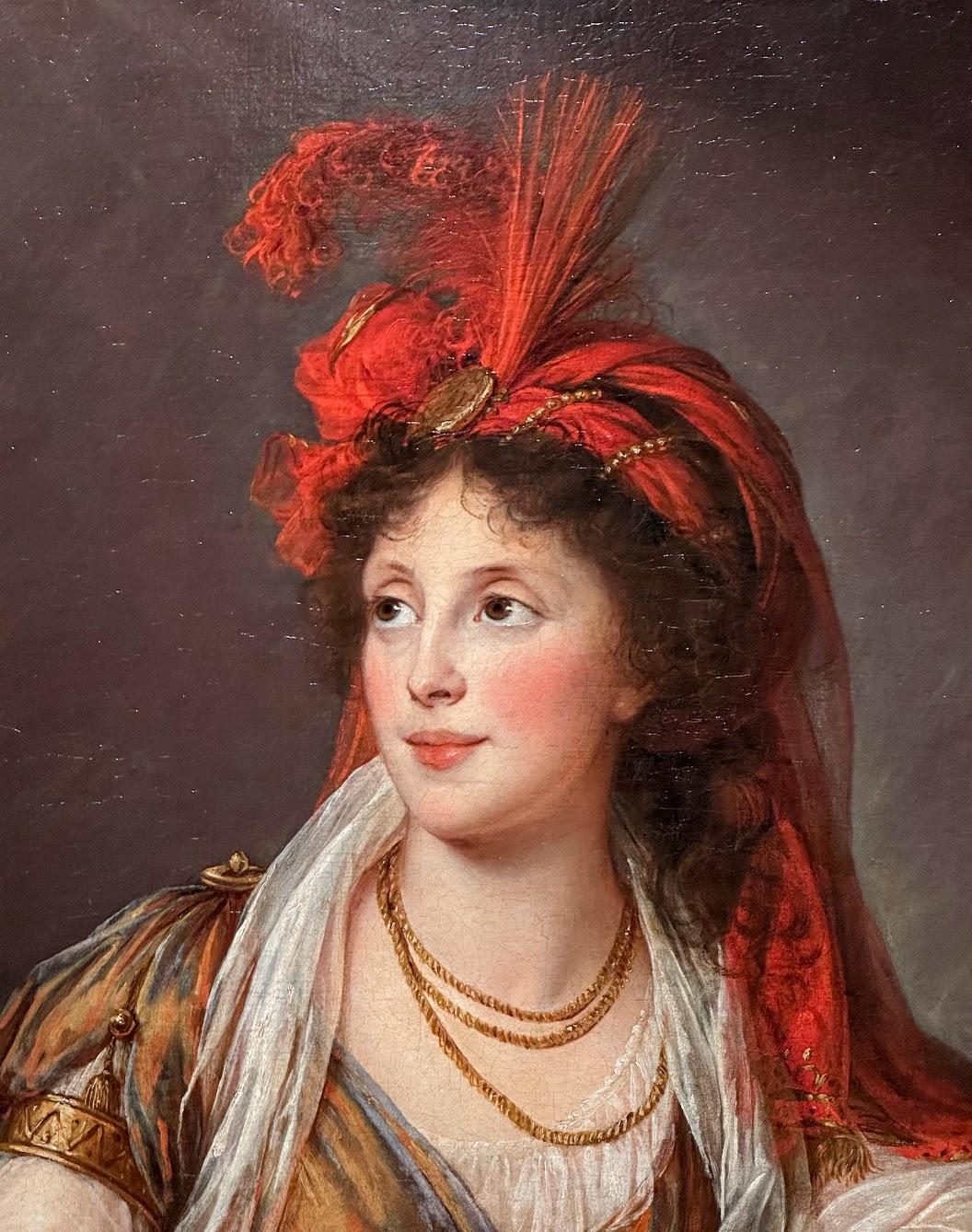
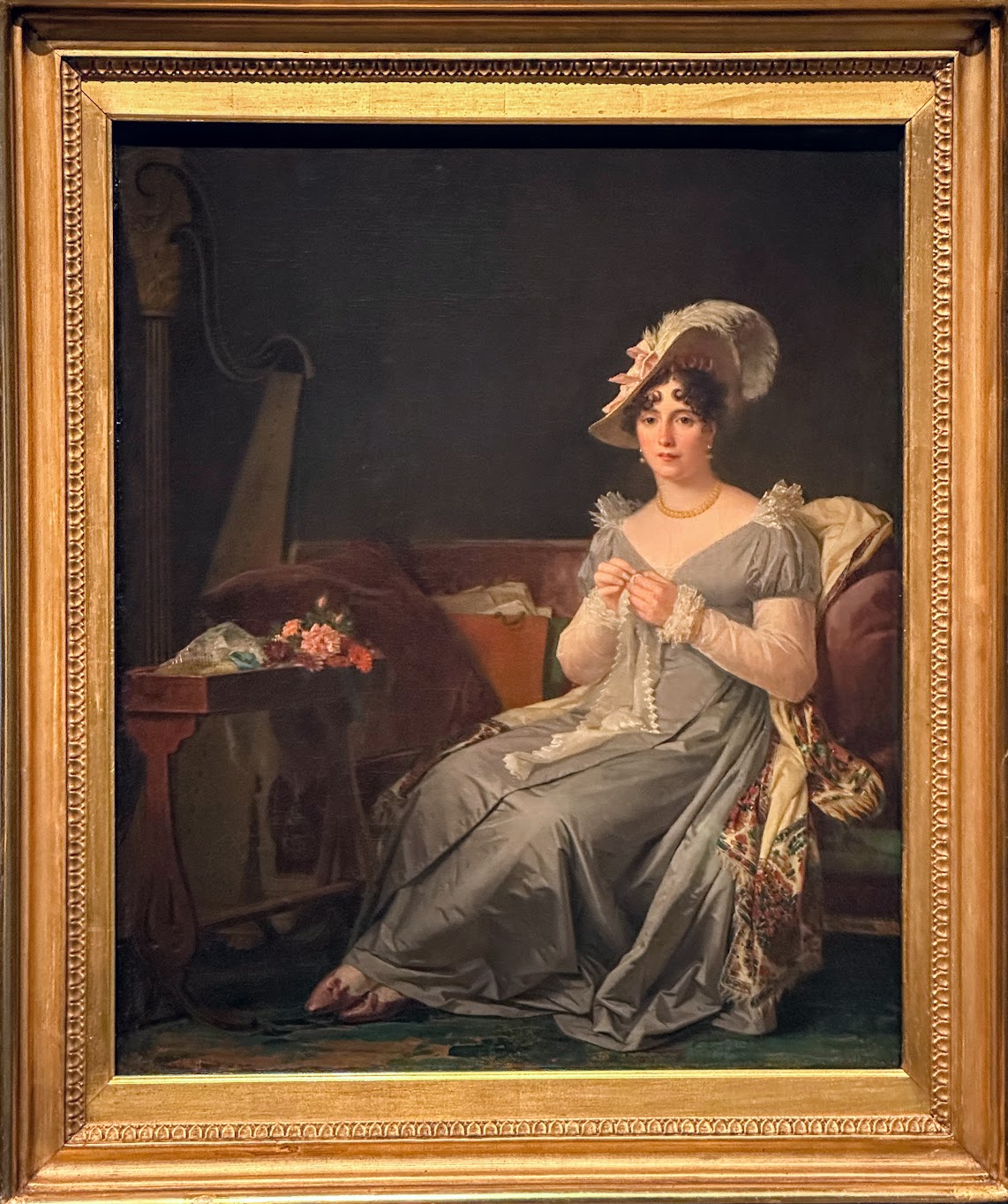
Princess Anna Alexandrovna Galitzin (August 1763 — October 1842) was a Russian aristocrat of Georgian royal origin.
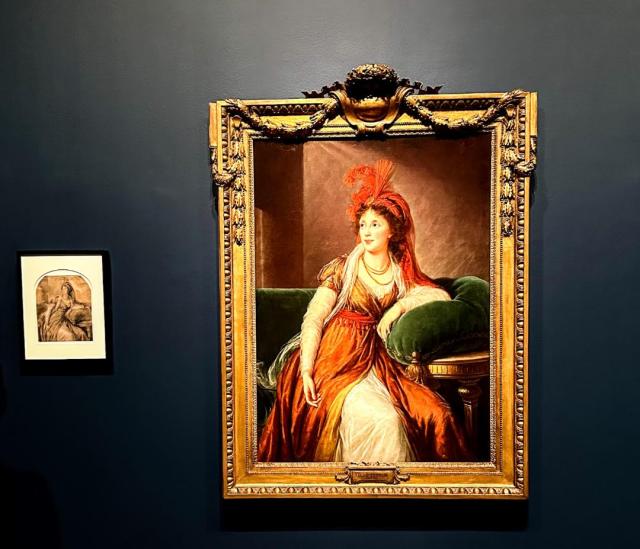
1797 – Oil on canvas
Anna was the daughter of the Tsarevich of Georgia. Growing up in Moscow, she knew a good deal of local power. This power was afforded her, because she was a member of the house of Bagration-Gruzinsky.
In 1785 she married the illegitimate son of Prince Aleksander Mikhailovich Golitsyn, Alexander Alexandrovich Litsyn. One year after his passing, in 1789, she married her third cousin once removed, Prince Boris Andreevicholitsyn. Together they had 8 children. Her husband died of a stroke in 1822.
Tsar Paul Icame to the Russian throne in 1796. In 1798 he promoted Prince Boris to lieutenant general. In 1800, Boris did something to anger a higher ranking officer. The result was that he, Anna and her family were “compelled to retire” to their estate, in the province of Vladimir.
In 1801 Alexander I came to power, and high society of St. Petersburg accepted the family back.
Back in St. Petersburg, Princess Anna hosted a most influential salon.
Vigée Le Brun was charging high prices when Princess Anna commissioned it in 1797. However, money was not an issue. Princess Anna possessed of one of the largest fortunes in the empire.
Also on display was the working drawing, in black and white chalk with stumping on paper.
It seems the gown Princess Anna is wearing was a house dress, nothing fancy. Also, for reasons of modesty, the sheer arm sleeves were apparently added after completion of the portrait.
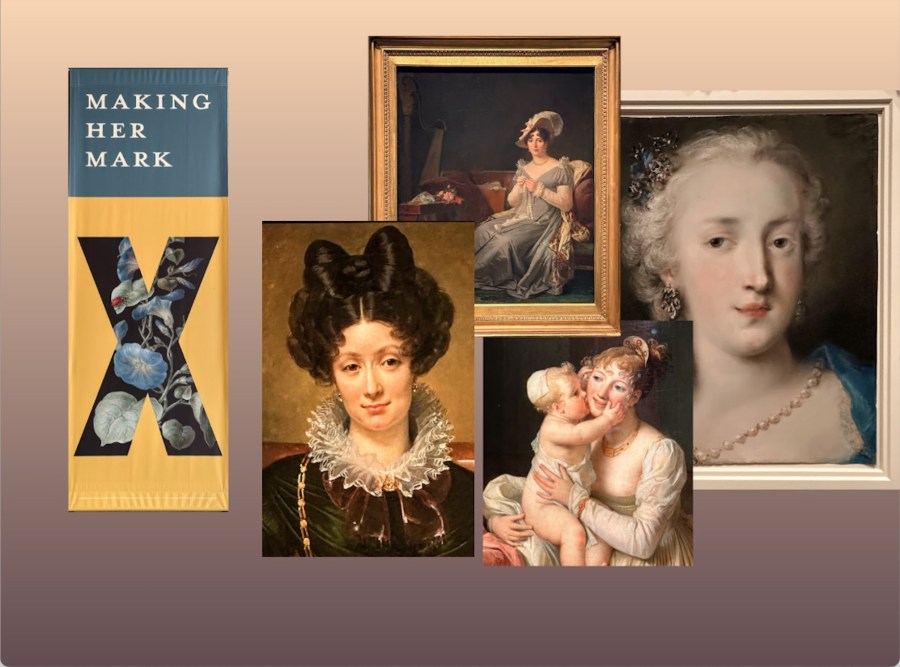
Thank you for reading another post of “Making Her Mark”
To read all posts just click on the Making Her Mark banner at the top of the side bar!
Please click on the banner below to go to the research links page.
They were not royalty, but may have painted for royalty.
Their parents worked for royalty, were politicians, acclaimed artists or important clergy. These aristocrats wielded economic, political, and social influence. They were fortunate ones, before and during the rise of a European middle class due to the industrial revolution.
Louise-Adéone Drölling
French – 1797 – 1831
Young Woman Tracing a Flower – Circa 1820-22
Louise-Adéone‘s father, Martin Drölling, and older brother, Michel Martin Drölling, were celebrated artists in their day. At the age of 15 she was encouraged to begin painting.
In 1819, Louise-Adéone married architect Jean-Nicolas Pagnierre. Widowed in 1822, she remarried Nicholas Roch Joubert in 1826. Joubert, chief tax officer of Paris, was the son of politician and former bishop Pierre-Mathieu Joubert. They had two daughters, Adéone Louise Sophie, and Angélique Marie.
Louise-Adéone Drölling, aka Madame Joubert won a Gold Medal from Salon des Amis des Arts, for her above painting; Young Woman Tracing a Flower. Thought be a self portrait, it later became part of the distinguished collection in the Gallery of La Duchesse de Berry.
I have found conflicting dates of her Gold Award – 1824, 1827 or 1831.
Marguerite Gérard
French – 1761 – 1837
Motherhood Circa 1795-1800
Marguerite Gérard attained much wealth and real estate during her life, despite remaining unmarried.
In 1775 she moved from Grasse to Paris and lived with her sister’s family. Her sister was married to the popular Rococo painter Jean-Honoré Fragonard. Here she had financial freedom and was trained in art as Fragonard’s unofficial apprentice.
By her mid 20’s, Gérard had achieved a signature style.This involved precise details made with subtle and blended brush strokes, inspired by 17th-century Dutch genre paintings. However, she made it her own by focusing on females in intimate domestic settings.
Young Woman Embroidering – Circa 1815-20
In the 1790’s, once the Salons were opened to women, she exhibited often, winning three medals.
Over the course of her successful fifty years, Gérard survived the French Revolution and Napoleonic Wars.
Her paintings were acquired by luminaries such as Napoleon and King Louis XVII.
Her small-scale, portable canvases appealed to many wealthy collectors, who preferred to display her small scale still life and genre paintings in their homes, over large historical canvases.
The numerous engraved versions of Gérard’s paintings made them accessible to less affluent art lovers and helped increase her reputation.
Gérard did not always follow convention, turning down a place at the French Royal Academy.
Catherine Lusurier
French – 1753 – 1781
Portrait of a Woman Drawing
Catherine Lusurier died at the young age of 28 years old. There is not a lot known about her, and only a few known signed paintings are accounted for.
Her mother, Jeanne Callot, was a dressmaker, while her father Pierre was a milliner. Apprenticing under her uncle,Hubert Drouais (1699-1767), her work bears his stylistic influence. Her paintings are predominantly portraits of children and artists.
A Catherine Lusurier work recently headlined Christie’s Old Masters and 19th Century Paintings, selling from a Private Collection. Sold Without Reserve at 3.11 million dollars, it exceeded the pre-sale high estimate.
Amélie Legrand de Saint-Aubin
French – 1797 – 1878
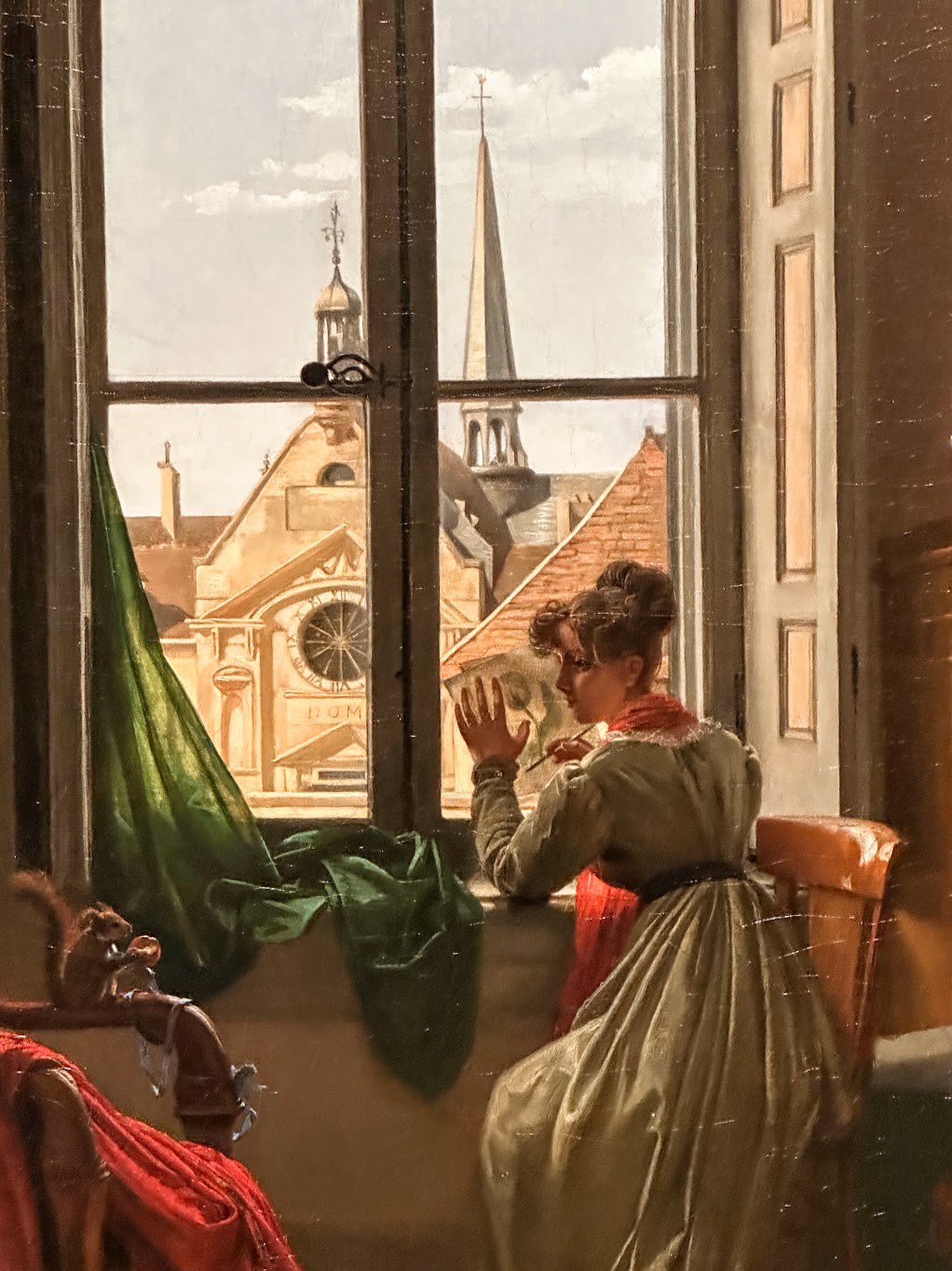
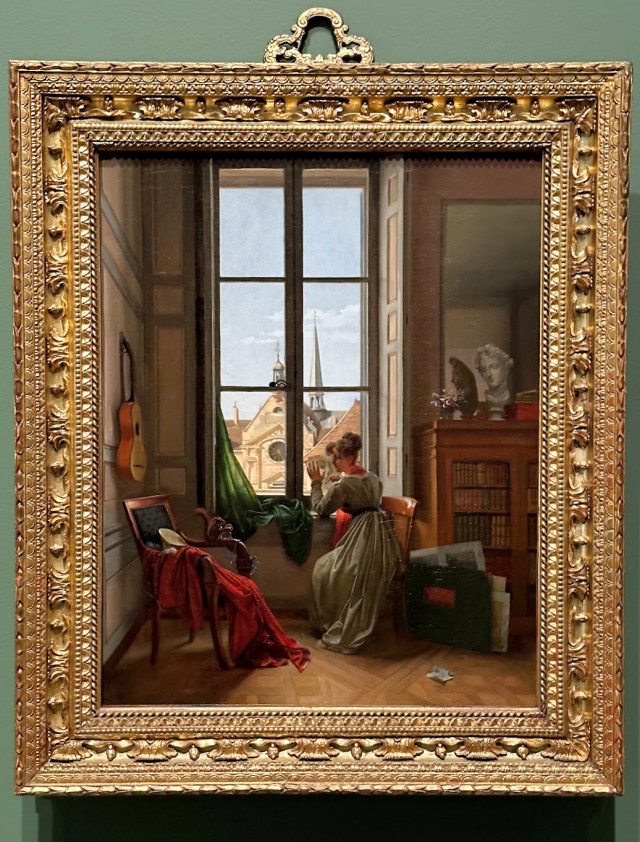
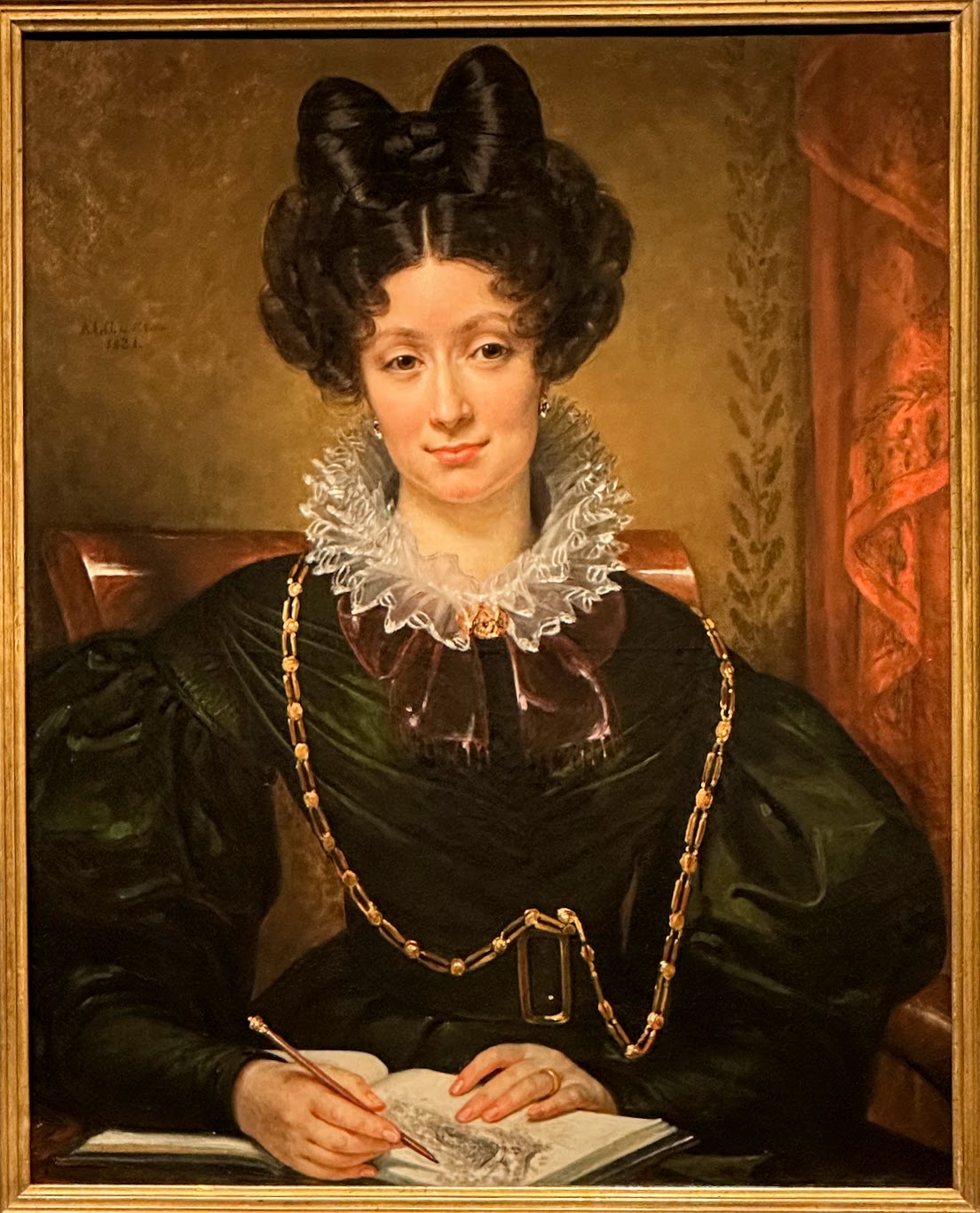
Portrait of an Artist Drawing a Landscape in her Sketchbook – 1831
Amélie Legrand de Saint-Aubin, the eldest daughter of Pierre Jean Hilaire Legrand de Saint-Aubin (1772–1839) and Denise Marie Claudine Legrand (1772–1855), was born in Paris. After training and studying in the Women Only Studio with Charles Meynier, Amélie Legrand de Saint-Aubin‘s Rococo style portraits and history paintings grew in popularity.
Portrait of an Artist Drawing a Landscapein her Sketchbook is of a long standing tradition of women artists picturing women painting art.
Political changes from the French Revolution resulted in women being allowed to exhibit in the French Salon. Amélie Legrand de Saint-Aubin went on to exhibit at 17 salons over the course of her career.
Around 1831, she began teaching, offering private lessons. She never married.
“This stunning portrait recently joined the AGO’s permanent collection and made its debut as part of the exhibition Making Her Mark: A History of Women Artists in Europe 1400 – 1800. “
Marie-Guillemine Benoist
French – 1768 – 1826
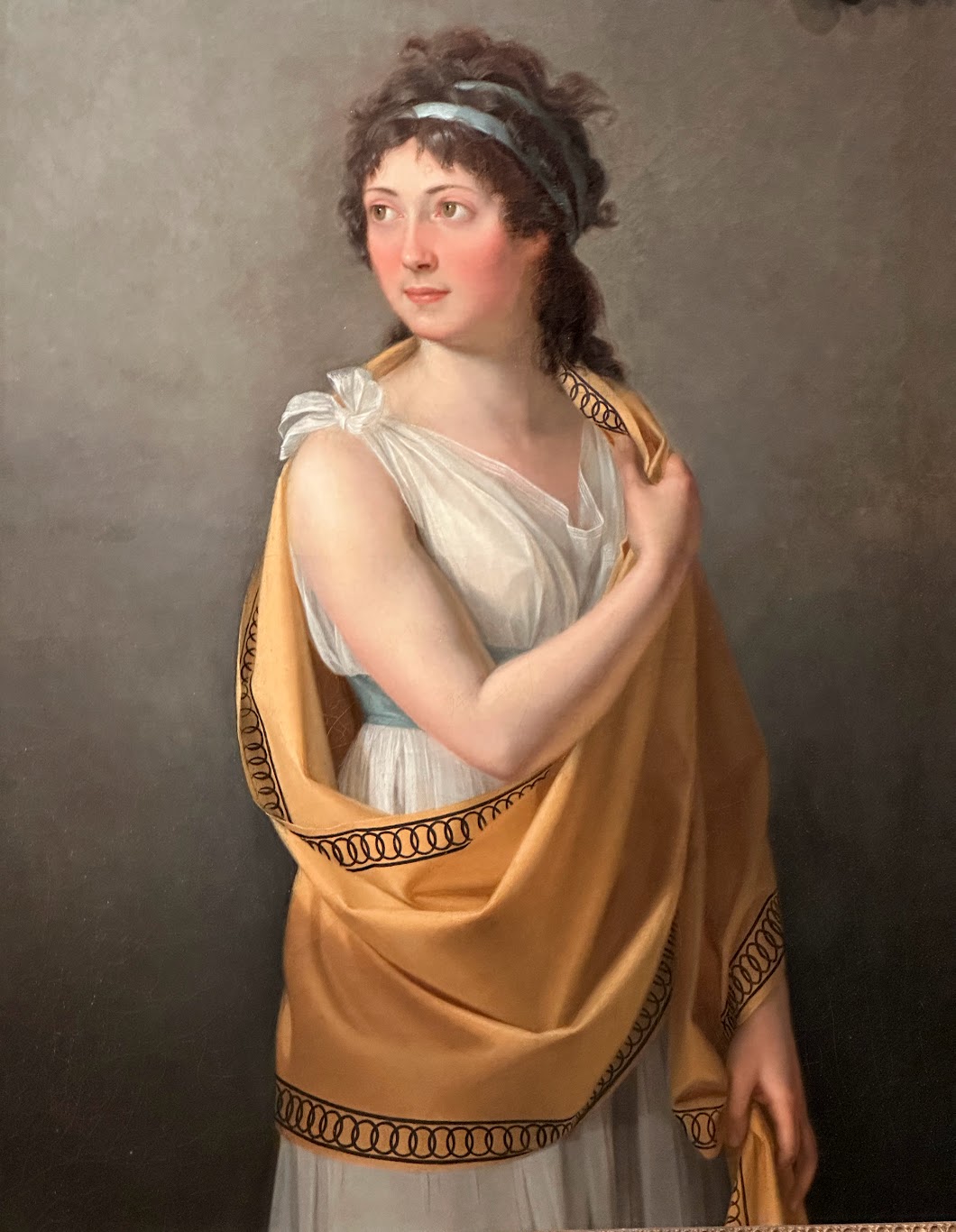
Portrait of a Lady Circa 1799
Marie-Guillemine was born in Paris. Her mother was Marguerite-Marie Lombard and her father, René Laville-Leroux, a royal administrator for the ancien régime state. Marie and her sister, Baroness Larrey, (1770–1842), studied art from Élisabeth Vigée-Lebrun. Later they studied under Jacques-Louis David.
Her first exhibition was in 1784, at an annual 1 day show in Paris – Exposition de la Jeunesse.
Until the Louvre Salon became open to all exhibitors in 1791, where Benoist was one of 22 women presenting, she showed yearly at the Exposition de la Jeunesse.
At the Salon in 1804, she won a medal, whereby France’s new Emperor, Napoleon Bonaparte, ordered multiple commissions.
Other than her Salon successes, which are in the French state collection, Benoist’s work, including Portrait of a Lady was attributed to a man; in her case, Jacques Louis David.
Like many women artists of her day, their posthumous fate was to be overlooked, forgotten and/or effaced.
Mary Beale
English – 1633 – 1699
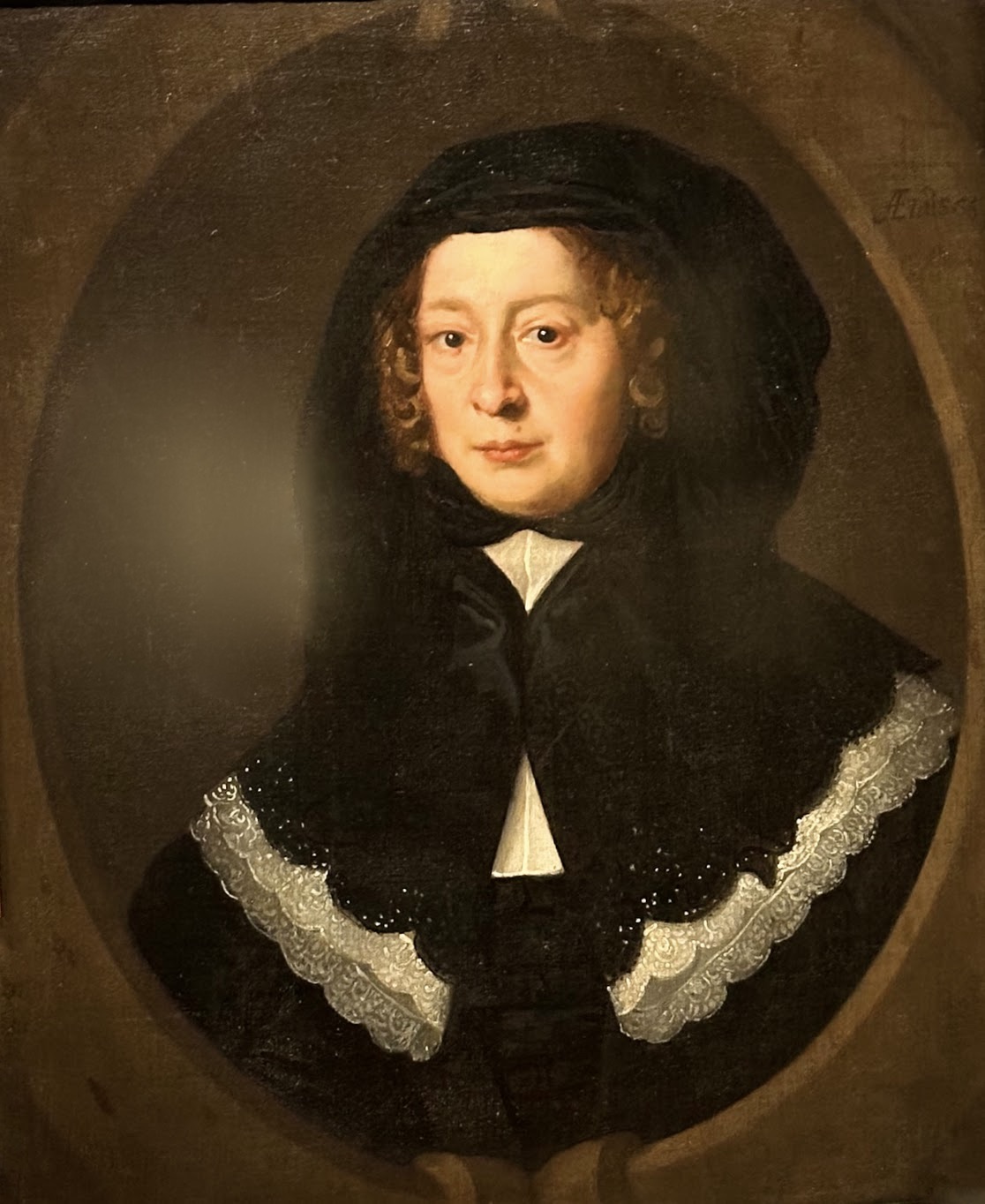
Portrait of a Woman with a Black Hood -Circa 1660
Mary Beale was the daughter of a clergyman, John Cradock, so it seems natural that much of her portraiture is of churchmen. It is not sure who she trained under, but she received considerable guidance from Peter Lely
In London, she moved in intellectual circles. By, and into the 1670s she was in demand as a portrait artist, earning enough money to support her family of four.
After several years of mundane civil service; Mary’s husband, Charles Beale, left his monotonous job to become her full time studio manager.
Much has been learned from the many notebooks he kept.
One example: Charles recorded that in 1677 Mary completed 90 commissioned portraits. There were 31 female sitters and 34 male. The women and girls were mostly either titled or gentry. Men and boys were gentry or of “middling sort.”
Rosalda Carriera
Italian – 1673 – 1757
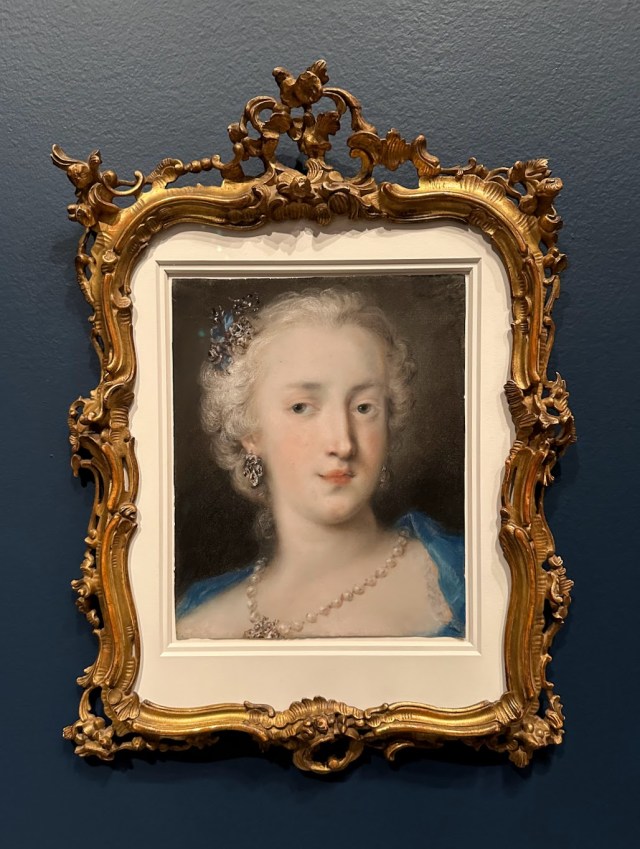
Portrait of a Woman – Circa 1720’s
Rosalba Carriera was born in Venice to Andrea Carriera, a lawyer, and lacemaker, Alba Foresti. Taught to make lace by her mother, little is known of her artistic training. She is renowned for pastel portraiture and allegories.
In 1720, during a stay with French banker Pierre Crozat in Paris, Rosalba created portraits of Louis XV as a child, and members of the French aristocracy. Here she developed a friendship with Antoine Watteau, who influenced her work.
Rosalba is one of the originators of the Rococo style in Italy and France.
Her greatest patron, Augustus III of Poland, collected more than 150 of her pastels. He also sat for her in 1713.
In 1746 she lost her sight, but her work continued to influence many other artists.
I’ve merely highlighted these women’s lives. There is so much more to know about our trailblazing sisters, who went before us.





























You must be logged in to post a comment.