
About the Real Stages of Grief

by: D.G. Kaye

How does one review a heart, soul and mind book like this? Does one say it’s well written? It answers very human questions in an ordinary way that all can understand? Many of us will go through this, so it’s a helpful read?

A Journey Through Loss
Written by D.G.Kaye, after the death of her husband, the love of her life; this helpful book speaks from the pain of experience. She is not a therapist, nor a psychiatrist, nor a professional healer of any sort. And she is right up front about that fact.
In her own words “I devoured books on everything from grief to the afterlife, always striving to make sense of the roller coaster ride I was on,”

I think the best way to impart something more of this book is to speak directly to D. G.

ResaThe cover of your book has the words: Shock, Fog, Anger, Triggers, Guilt, Anxiety and Denial swirling in a circle. At first I thought the words were repeating in order, but upon a closer look, I realize that they are not in any order, but do repeat. How did you come up with it? Why the words are not in any order?

D.G. –  For this cover, the concept came to me immediately.

Grief is like an ongoing spiral with ups and downs. The words inside are just some of the phases grievers experience. The fact that the words are in no particular order and some not repeated is precisely how grief works.

We may visit phases over and over again through time, and some may dissipate with time. Thus, the grief spiral  is far from linear but, more chaotic.

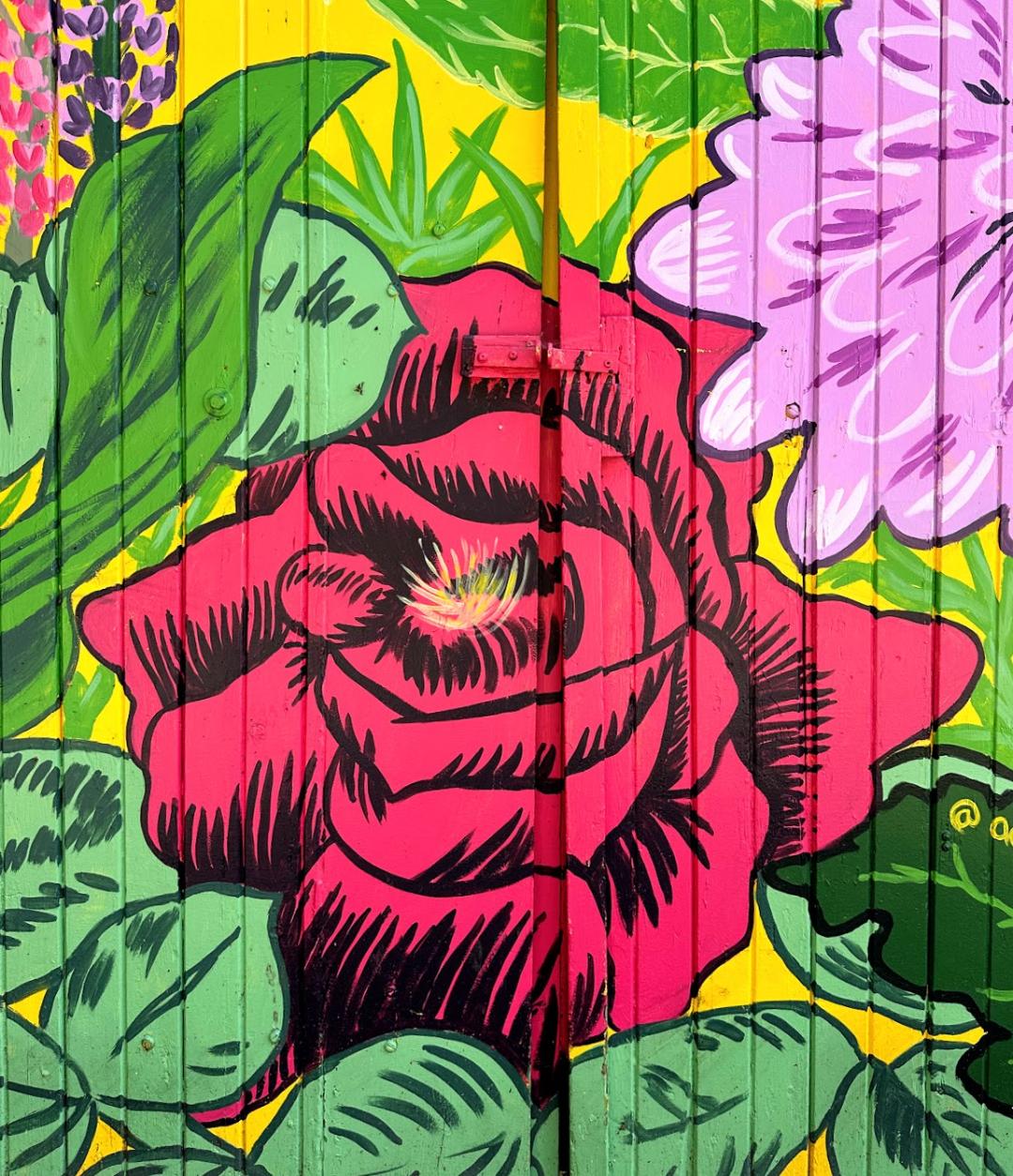
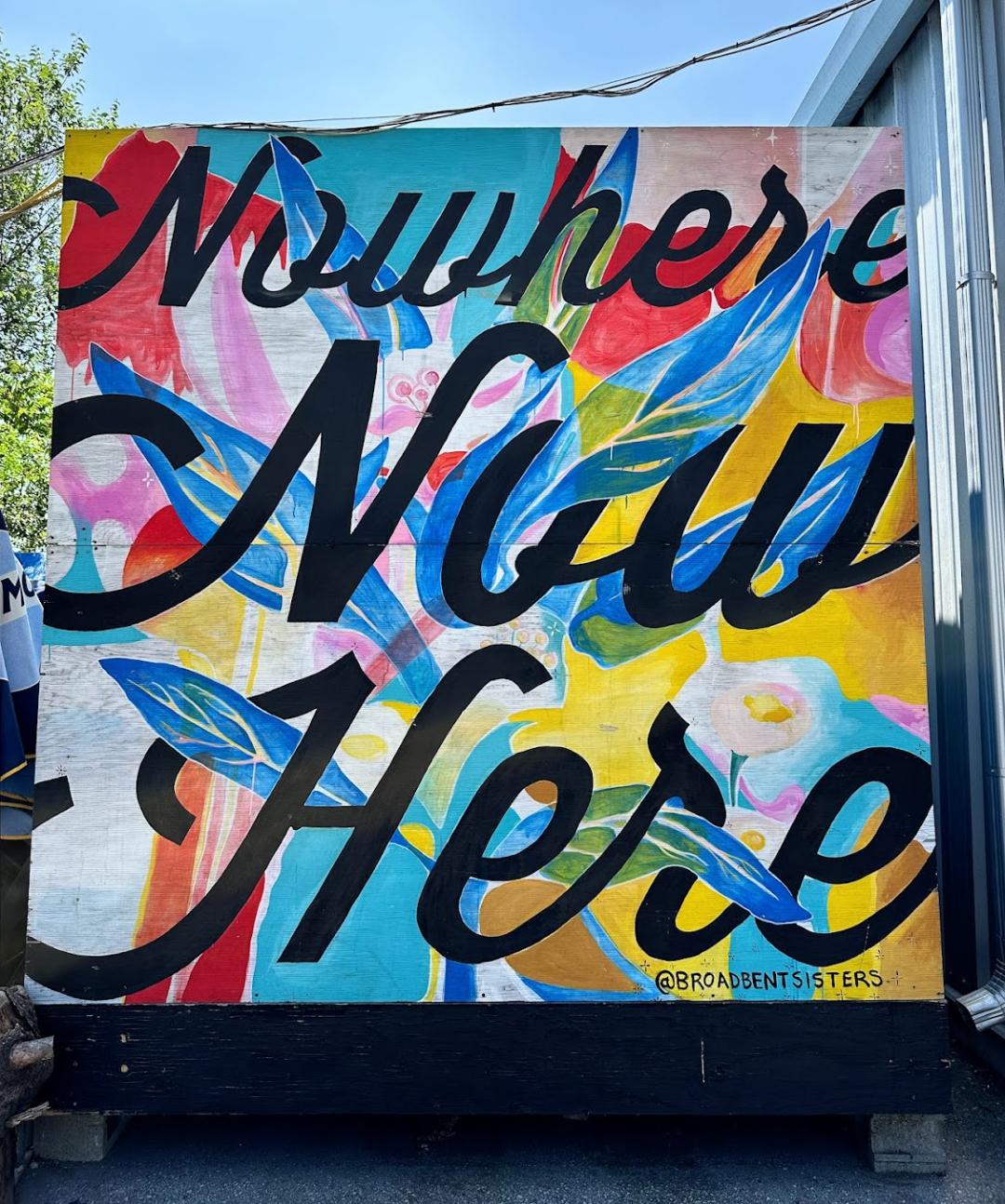
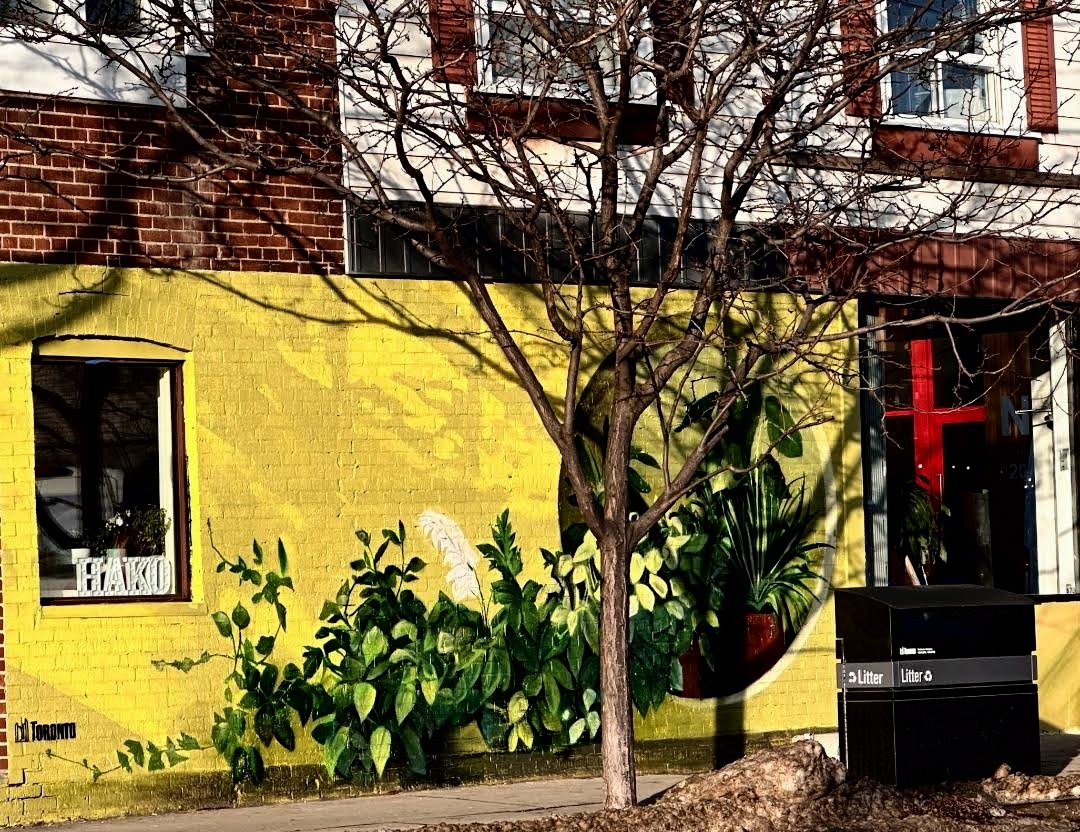
It was above 0c and cloudy out, not a peep of sun in the sky. A perfect day to shoot a shadow free piece of wall art, that seemed perfect for this post. It was only a 20 minute walk to get there.

 Suddenly, as I arrived, it became a sunny day with nary a cloud in the sky. There was a barren tree’s shadow over the painting. I shot it anyway. To me, there is something poetic in this image, that relates to grief – something about the shadow.


ResaDebby, can you see why I think that? Can you put it into words? 

D.G. – Oh wow Resa. I love the shot with the tree’s shadow. If I were to relate it to grief I would say that when you love deep, it’s like carrying sunshine in your heart. And when you lose that love of your life, despite all the horribleness, there will be days when the obstinate clouds clear and the sun shines through, although the shadow of grief is never too far away.

ResaPerfectly, poetically and profound said.
After the pics were taken, there was still not a cloud in the sky. So, I hopped on a streetcar, heading home. About 3 stops later, Suddenly, it clouded over. There was nary a crack of sun to find. 

ResaThis seemed mystical to me, Debby. Does this touch you, or am I just a sentimental fool? 

D.G. – Oh no Resa, you may be sentimental – like me, but no fool. I love that you were working on this post and came across these poignant images in your travels.

Remembering that grief is love with nowhere to go, the image reminds that even without sunshine, the shadow of love always sticks with us. Not to mention, it reminds me of the Tree of Life – rain or shine, we are branches off the Tree of Life where memories live deep within, sometimes shadowed, but always there.

In the book D.G. writes:

“In the aftermath comes the loss of us. Our grief replaces replaces the lives we once knew.”

ResaHas writing this book been cathartic? Has it helped you to replace that life lost, with a new life?

D.G. – In some ways this book was cathartic to write, but in many other ways, it was difficult to write; because to write, dredging the info up meant remembering moments that could take my breath away and have me leaving the computer for an emotional break.
In no way did writing this book help to replace that ‘life lost’, as nothing ever could. That life is no longer tangible, but seared in my heart.

But, the book offers a lot of understanding of the trials and tribulations of the process of grieving through time, understanding that it’s difficult to let go of a life you’re familiar with when it’s snatched from you, with the importance of eventually finding our way back into a new way of living.

Thank you to D.G. Kaye (Debby to her pals) for her time answering my questions! Debby, I appreciate this more than I can say!

Meet D.G. Kaye

Congratulations to Debby for being officially in the top 5% of Goodreads Reviewers!

About the Real Stages of Grief is available world wide at Amazon.

Click on book cover to go to the purchase page on Amazon.com

“Personally, I don’t believe there is any cure for grief. It’s not a disease that we will get over and feel better about tomorrow. Rather, it’s a new addition to our lives, one we must become acquainted with.” – D. G. Kaye

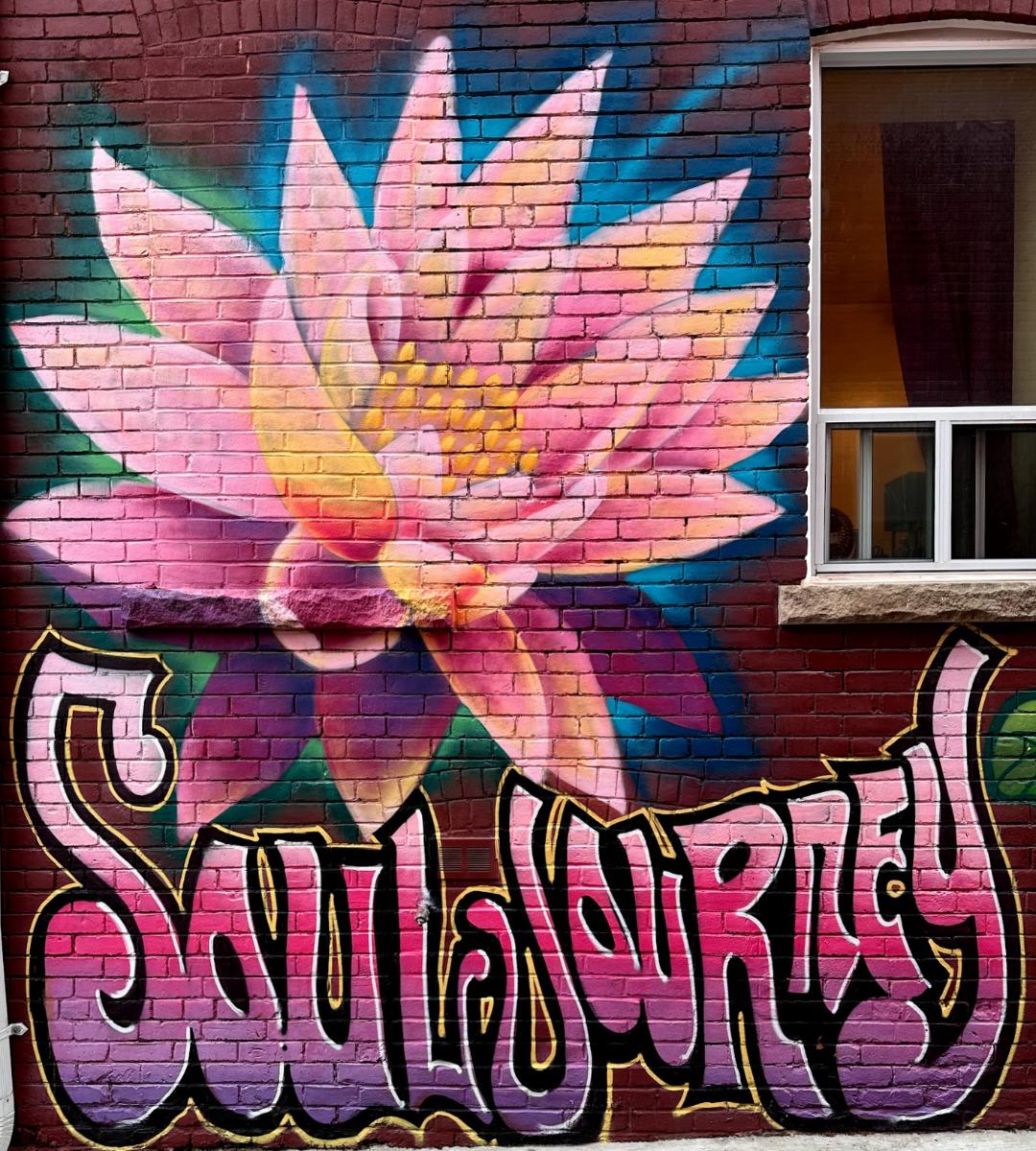
Pics taken by Resa – 2023 – 2025

Toronto, Canada

The artists in vertical order:

The Dreamers, Julia Praza, One Day Creates, Unknown, Blackburn, Unknown, Chris Perez, Vizla Bacon, Blazeworks, Adrain Corne

Angelica Kauffmann

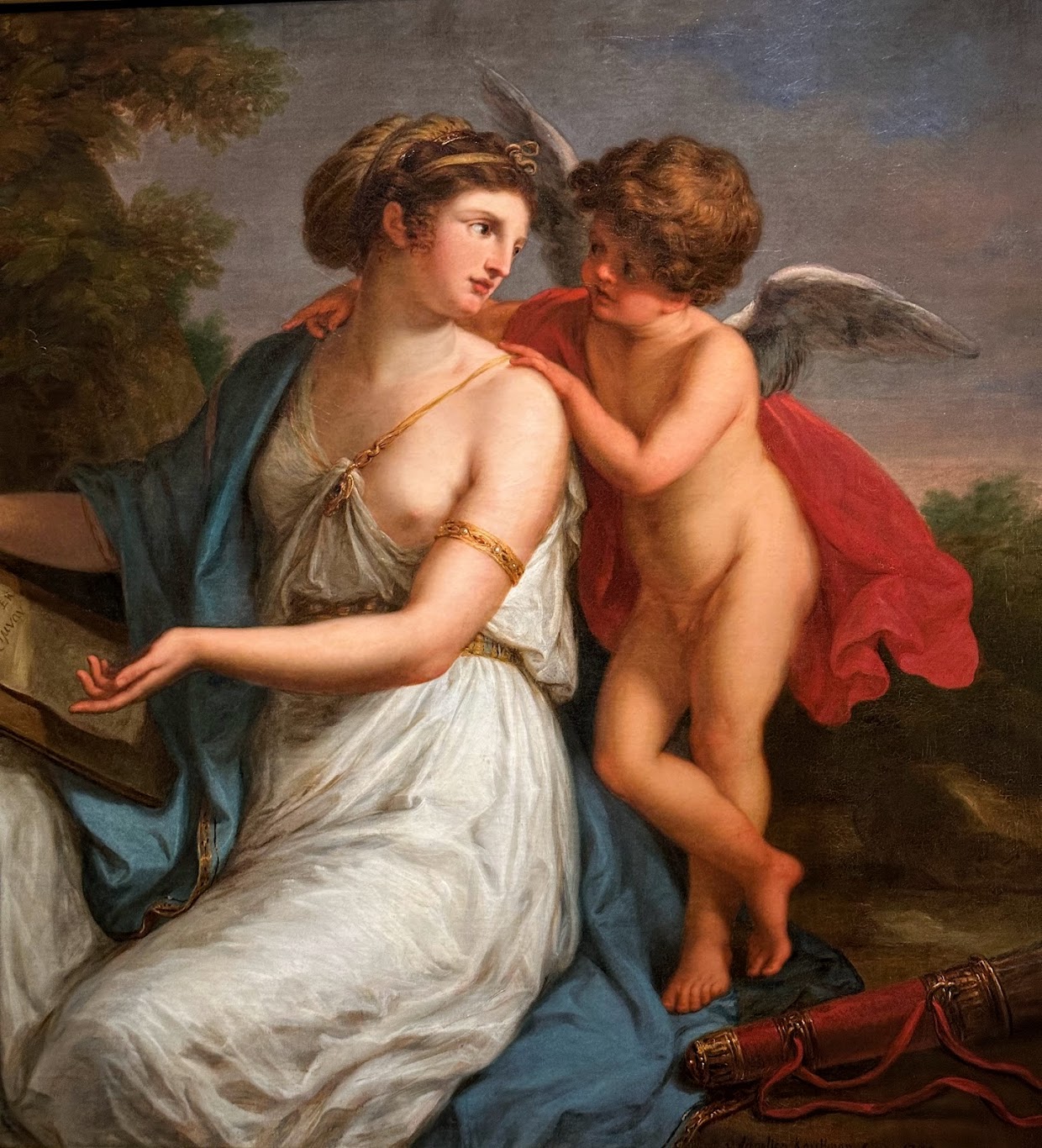
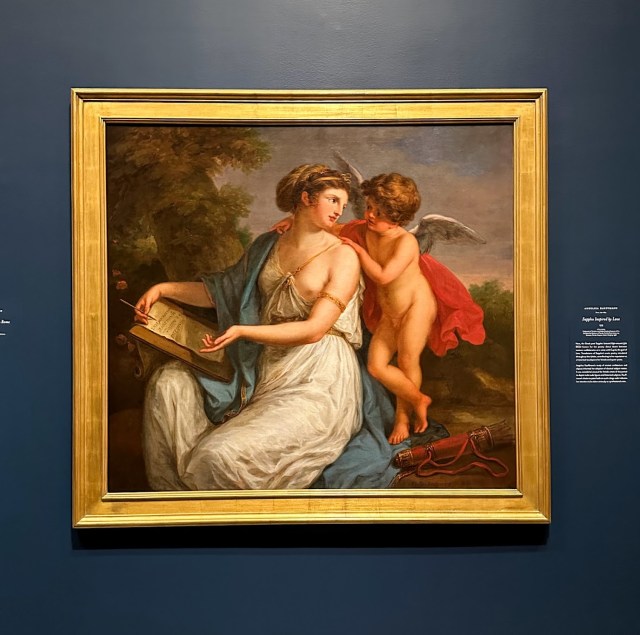
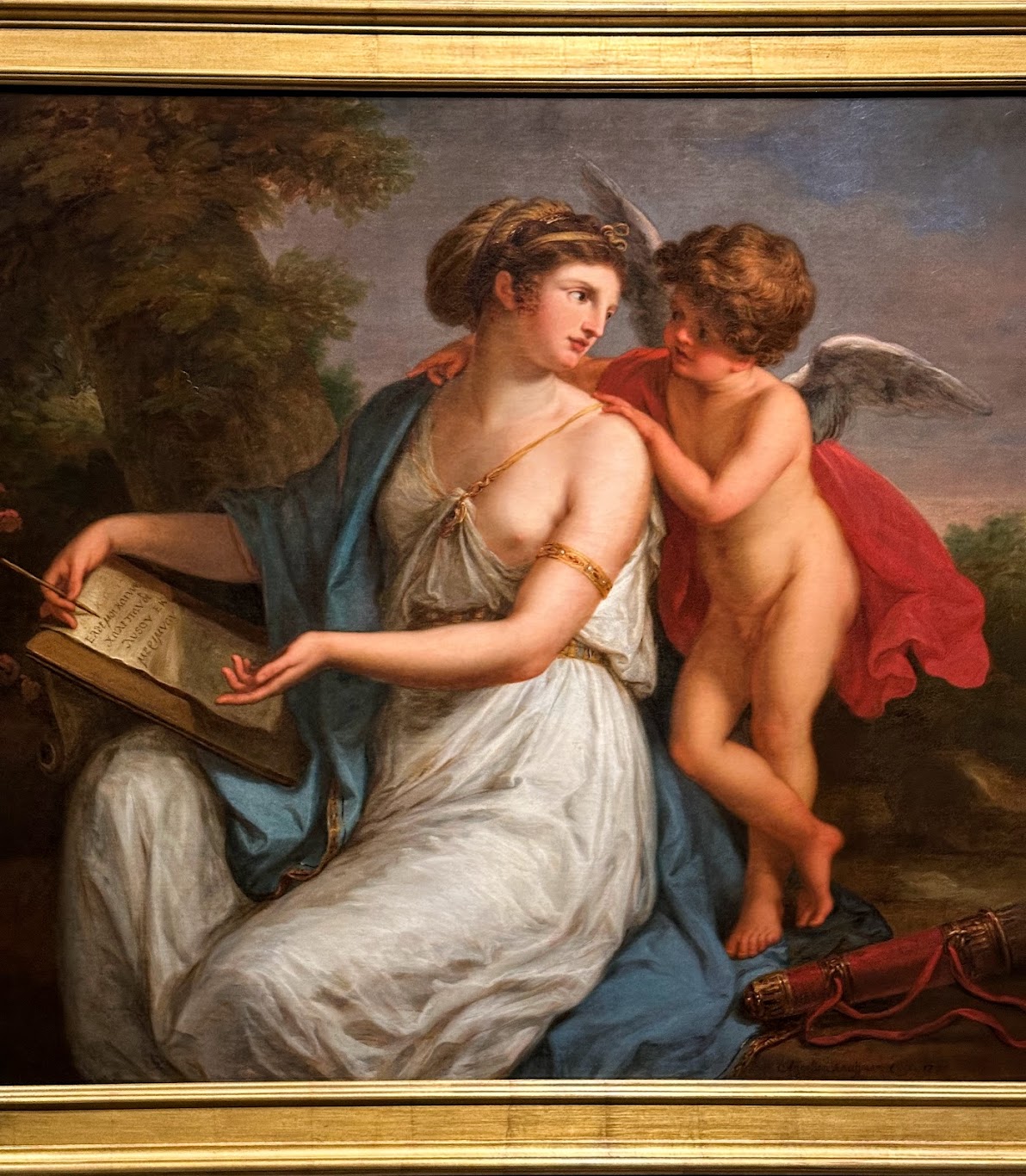
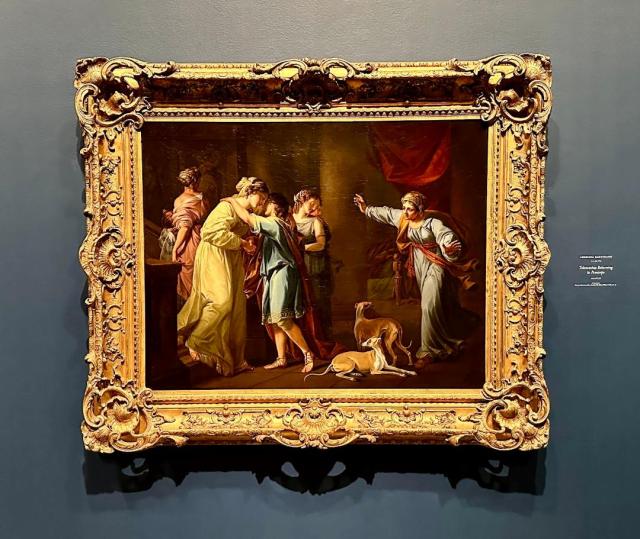
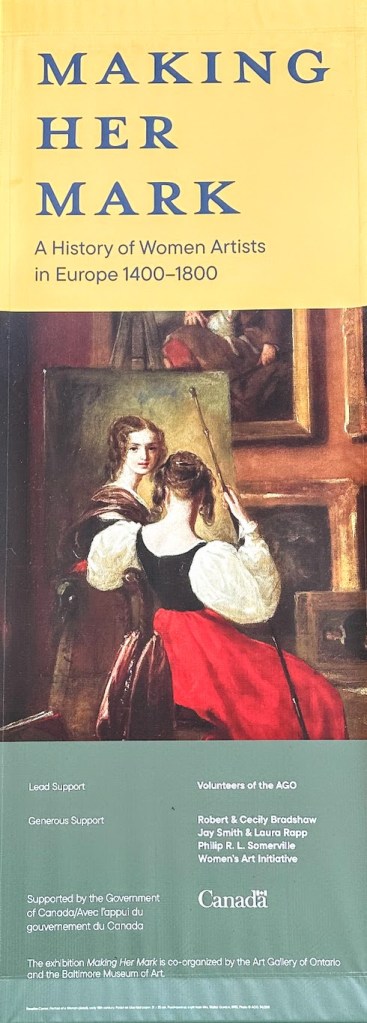
It was an extreme pleasure to view 2 of Angelica Kauffmann’s paintings at the Making Her Mark exhibit, at the Art Gallery of Ontario (AGO).

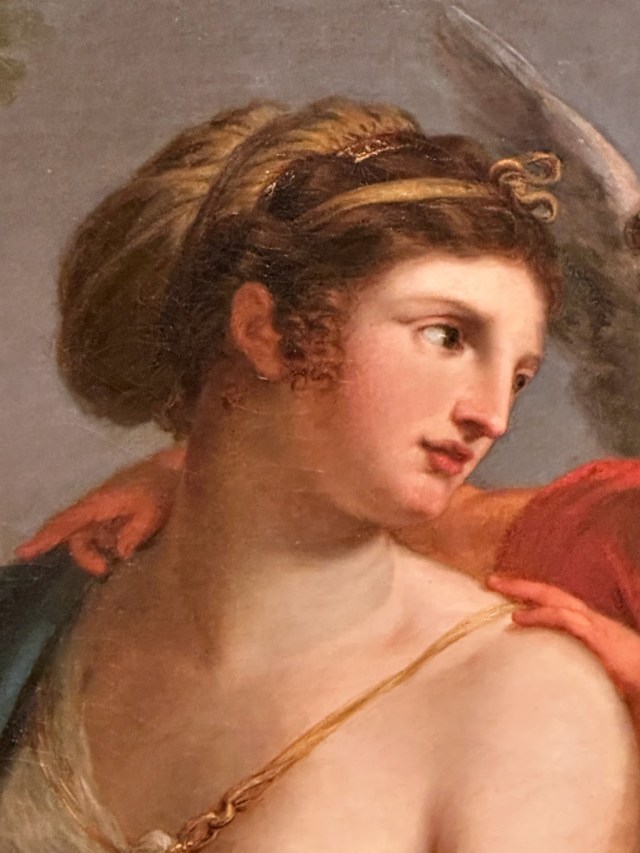
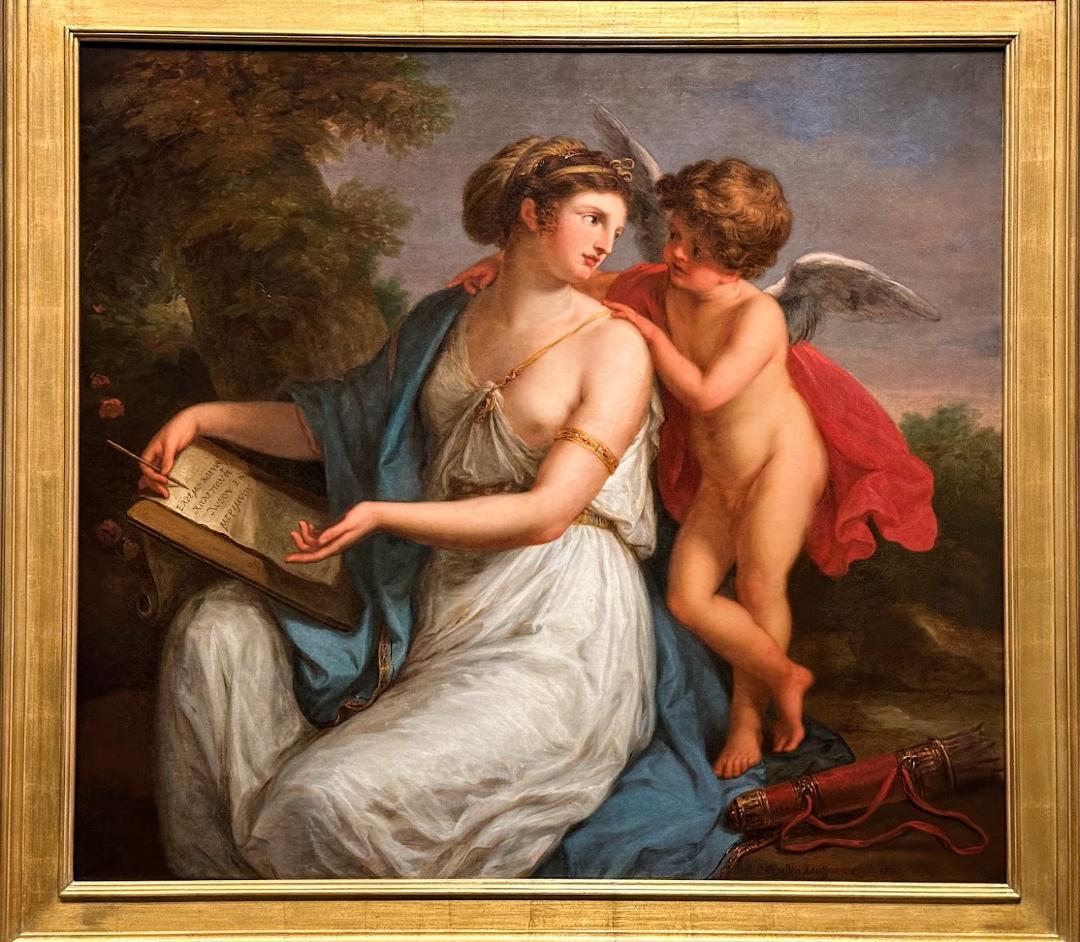
Sappho Inspired by Love

1775 – Oil on Canvas

Born in Switzerland in 1741, Angelica studied under her father, muralist Johann Joseph Kauffman. By 12 years of age she was considered a prodigy, could sing (soprano) and was soon fluent in German, Italian, French and English.

In the early 1760s, a transient life travelling through Switzerland, Austria, and Italy, as her father’s assistant, introduced her to classical and Renaissance art. She also became familiar with the emerging art movement, Neoclassicism.

In this painting-

“the Greek poet Sappho – (around 630-around 570 BCE) – known for her poetry about desire between women – collaborates on a verse with Cupid, the god of love.” -AGO

“Translations of Sappho’s erotic poetry circulated throughout the 1700’s, contributing to her reputation as a historical touchpoint for female and queer poets.” – AGO

In 1765 Angelica was elected to Rome’s Academia di San Luca, in recognition of her works.

Accompanying Lady Wentworth, Angelica moved to London in 1766. Here she became the demanded portraitist for aristocrats and royalty.

In 1767, she married a fraudulent Count Frederick von Horn, clergyman. Later that same year, Angelica found herself abandoned. The imposter had been found out and fled the scene.

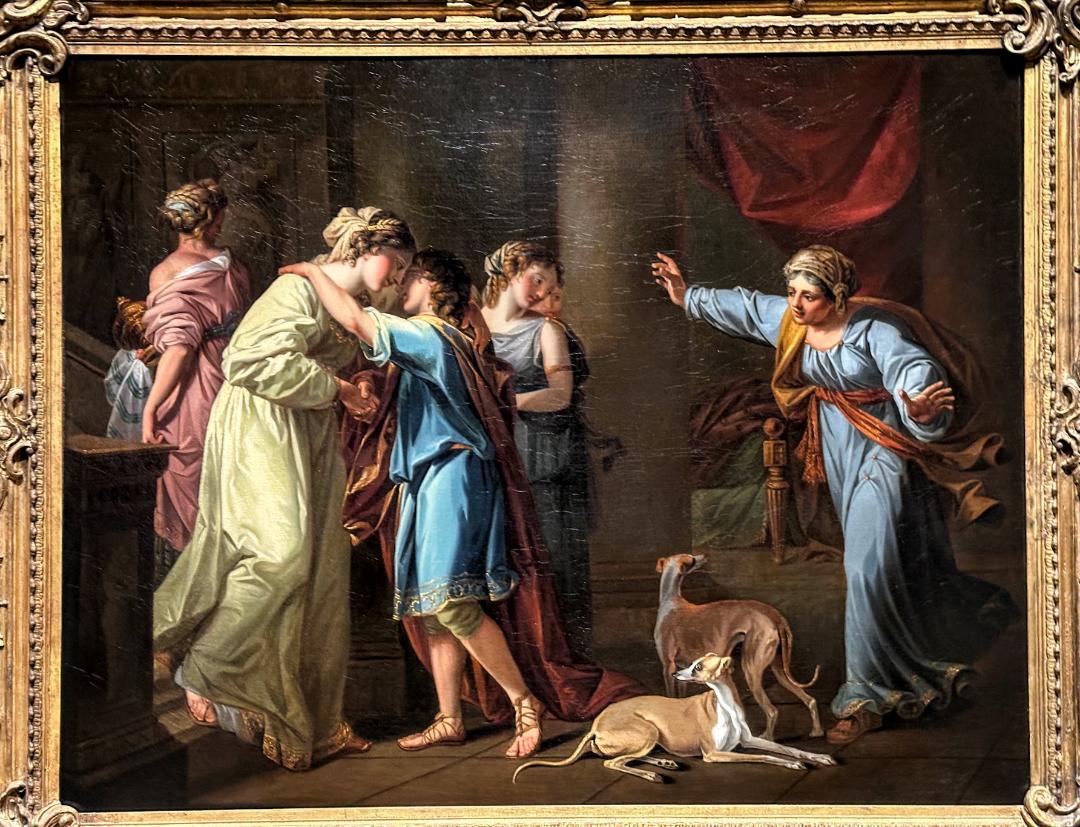
Telemachus Returning to Penelope

circa 1771 -Oil on Canvas

In 1768, Angelica Kauffmann and Mary Moser, became the only female painters among the founding members of London’s Royal Academy of Art. Her work showed regularly at the Academy for the next 16 years.

Angelica formed a personal style of painting women from classical history and mythology. This strong brand of hers evolved from the reality that women were not permitted, excluded from life drawing classes.

In the 1770’s, she became part of a team painting interior designs for  Robert Adam. A Scottish architect and designer, he, with his brother James, transformed English Palladian Neoclassicism into the airy, light, elegant Adam decor.

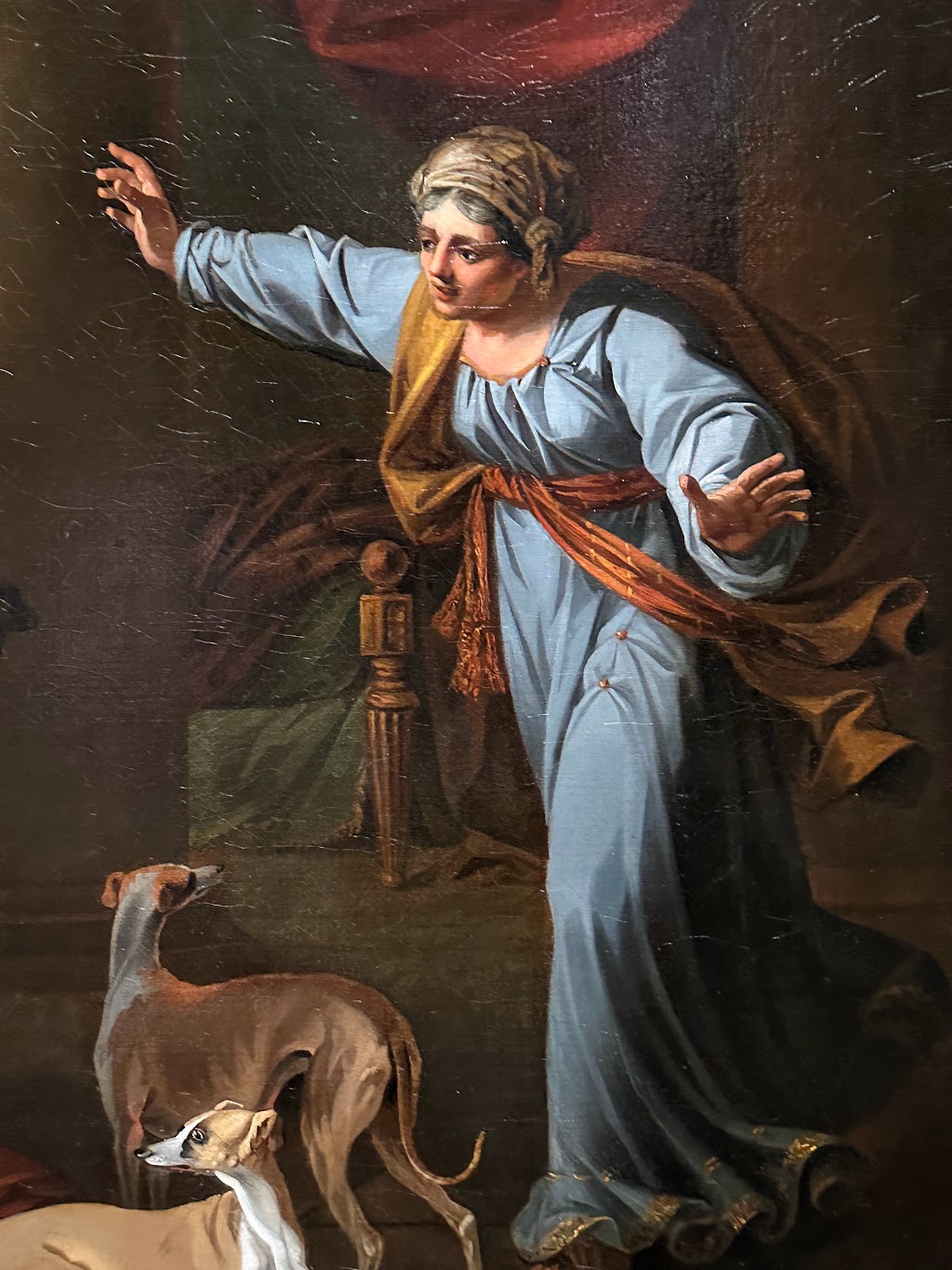
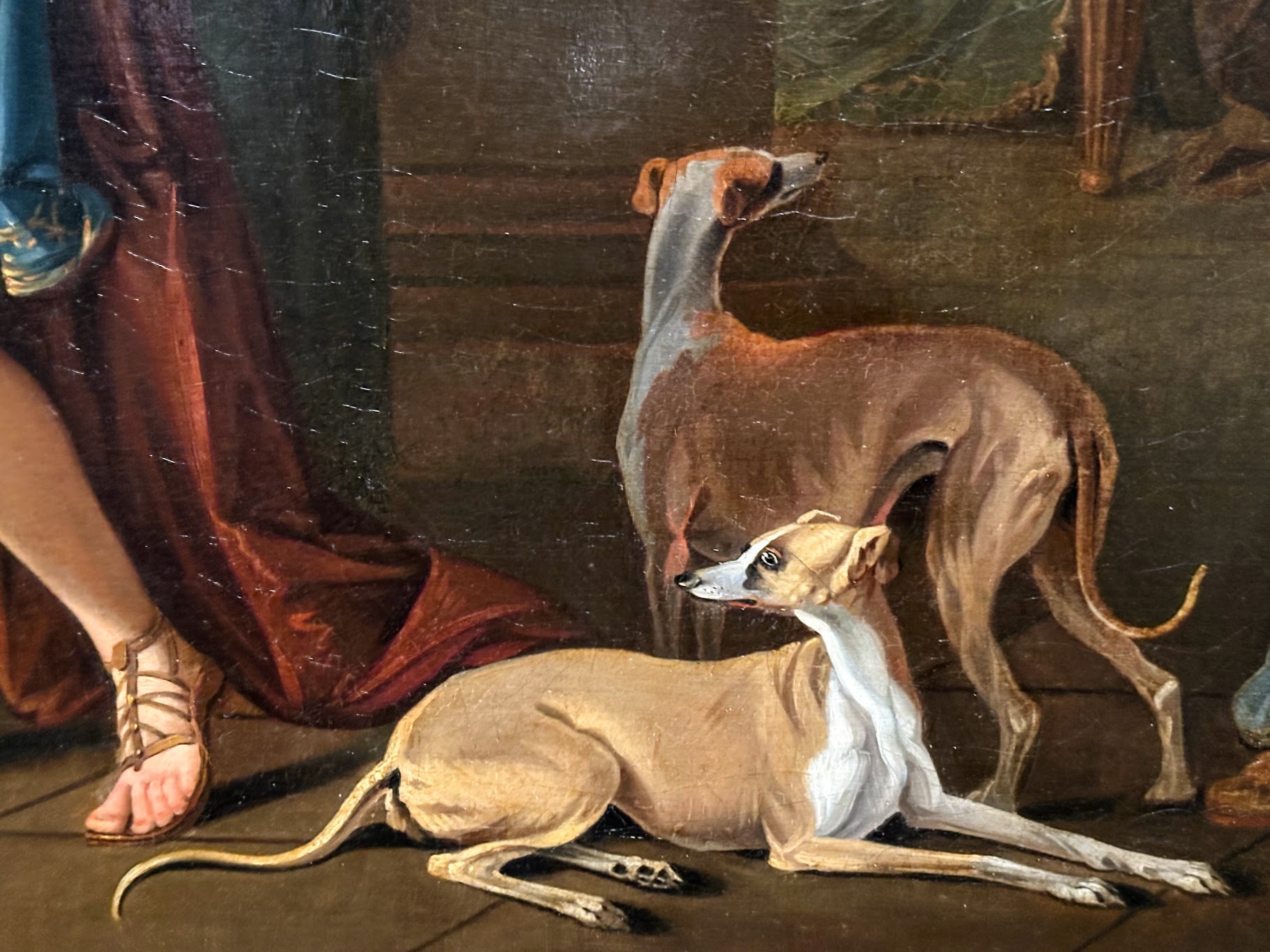
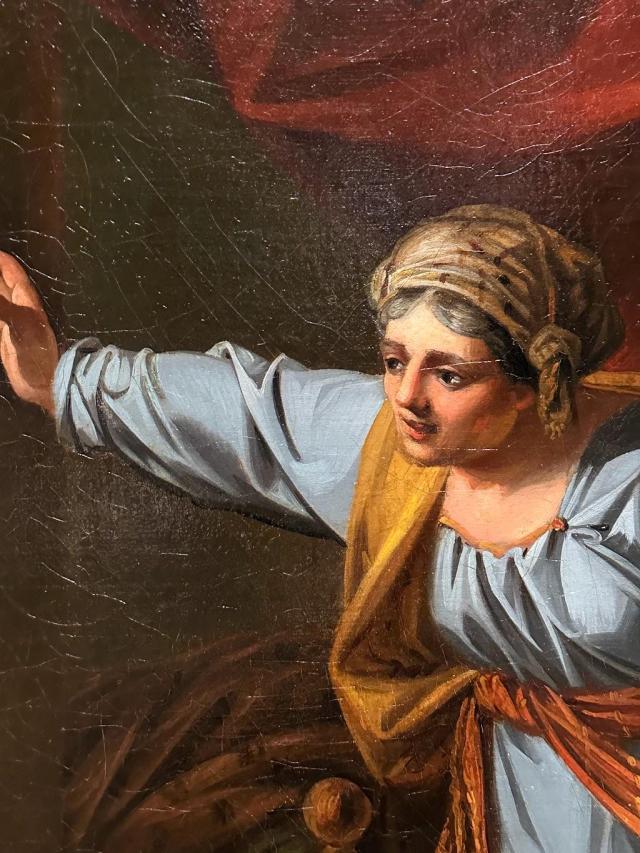
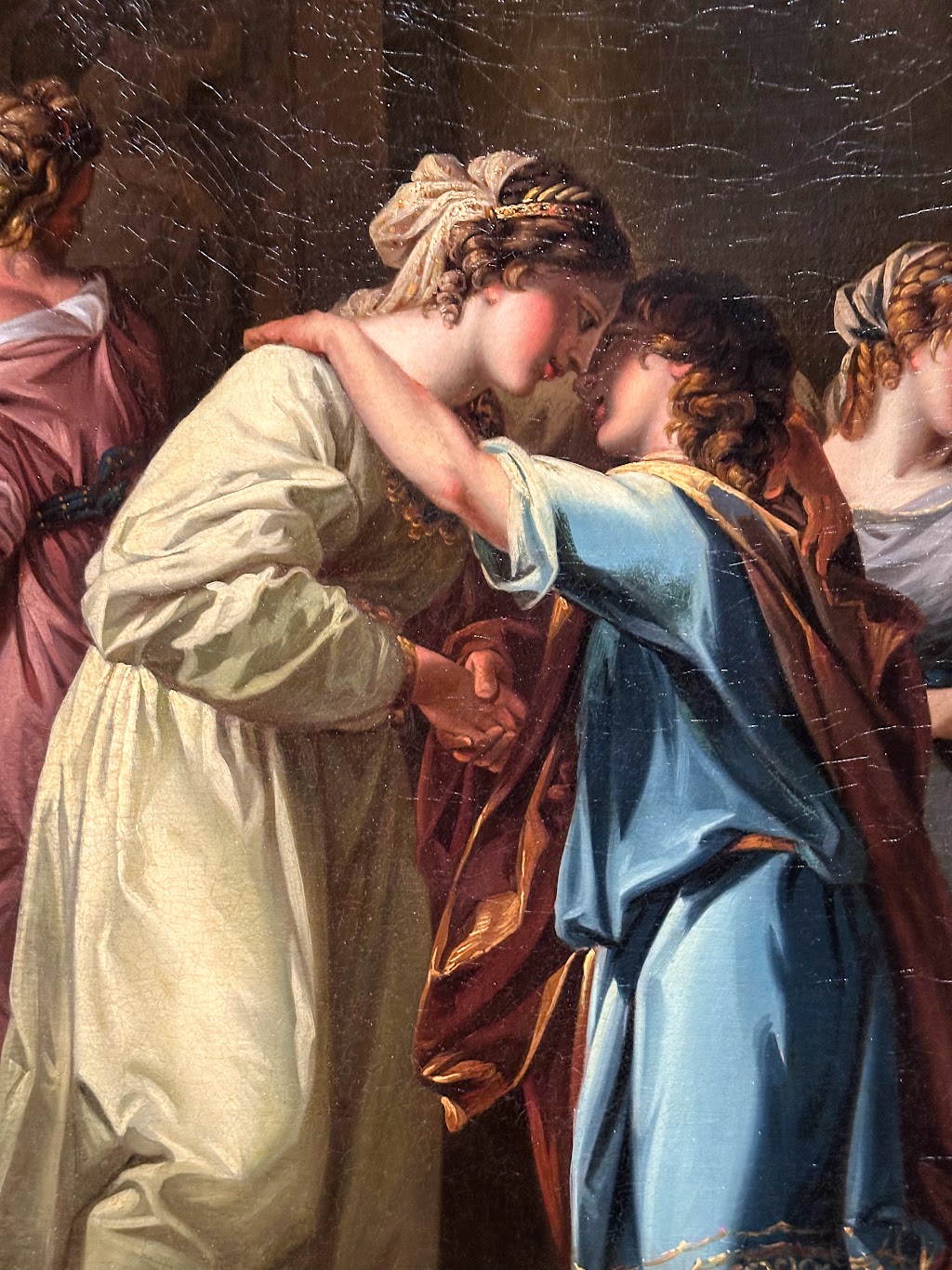
Telemachus, the son of Odysseus and Penelope, is now a man and a warrior. He has aided Odysseus in slaying the unwanted suitors of Penelope, and is back at home in Ithaca.

In 1781, at 39 years of age and after the death of von Horn, she is remarried to the Venetian painter, Antonio Zucchi. He succeeds Angelica’s father as her business manager.

The marriage contract guarantees her the rights to her income.

She retired to Rome in the early 1780s with her husband, Antonio Zucchi.

In 1782 Angelica Kauffman opens an internationally attended studio beside the Spanish Steps (a Baroque stairway in Rome, connecting the Piazza di Spagna with the Trinità dei Monti church.) It becomes the “In Place” for intellects.

In 1787, Angelica Kauffman becomes a dear friend of Johann Wolfgang von Goethe. She paints his portrait and becomes part of Goethe’s innermost circle.

Angelica Kauffmann died in 1807. She had become exceedingly famous by that time; so much so that Antonio Canova (prominent Neoclassical sculptor), directed her funeral. It was inspired by the funeral of the Renaissance master Raphael.

Click on banner to view research links.

Photos taken by © Resa McConaghy – May 14, 2024

Art Gallery of Ontario – Toronto, Canada

To view all posts from the Making Her Mark exhibit, click on the banner at the top of the side bar.

A female artist in the 18th century, Angelica Kauffman’s liberation was an onerous victory.

Bricks’n’Nicks on 26!

🎉 HAPPY NEW YEAR! 🎉

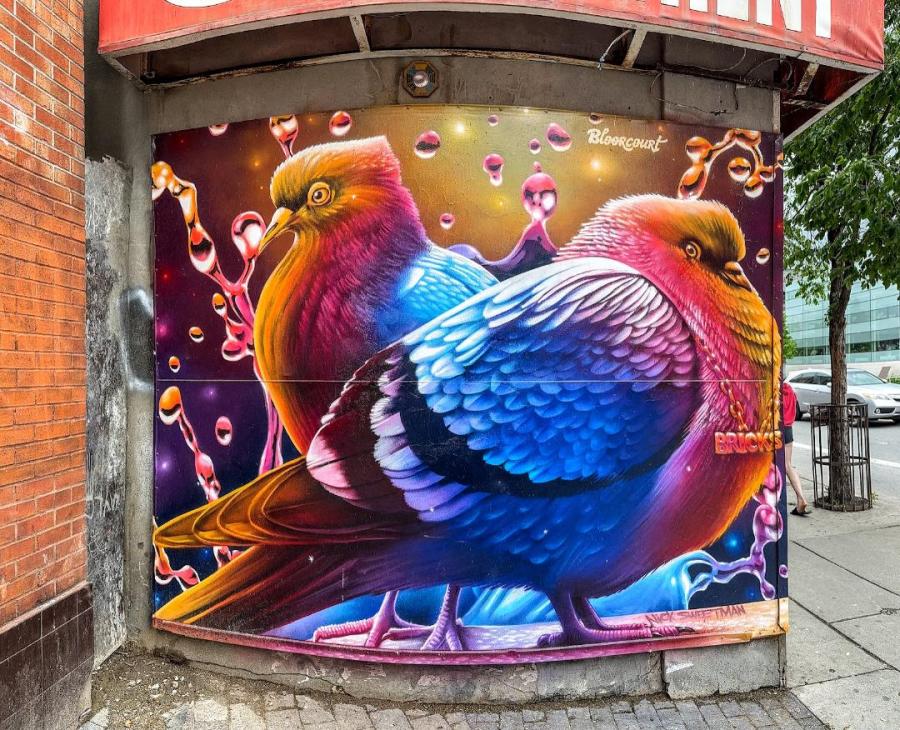
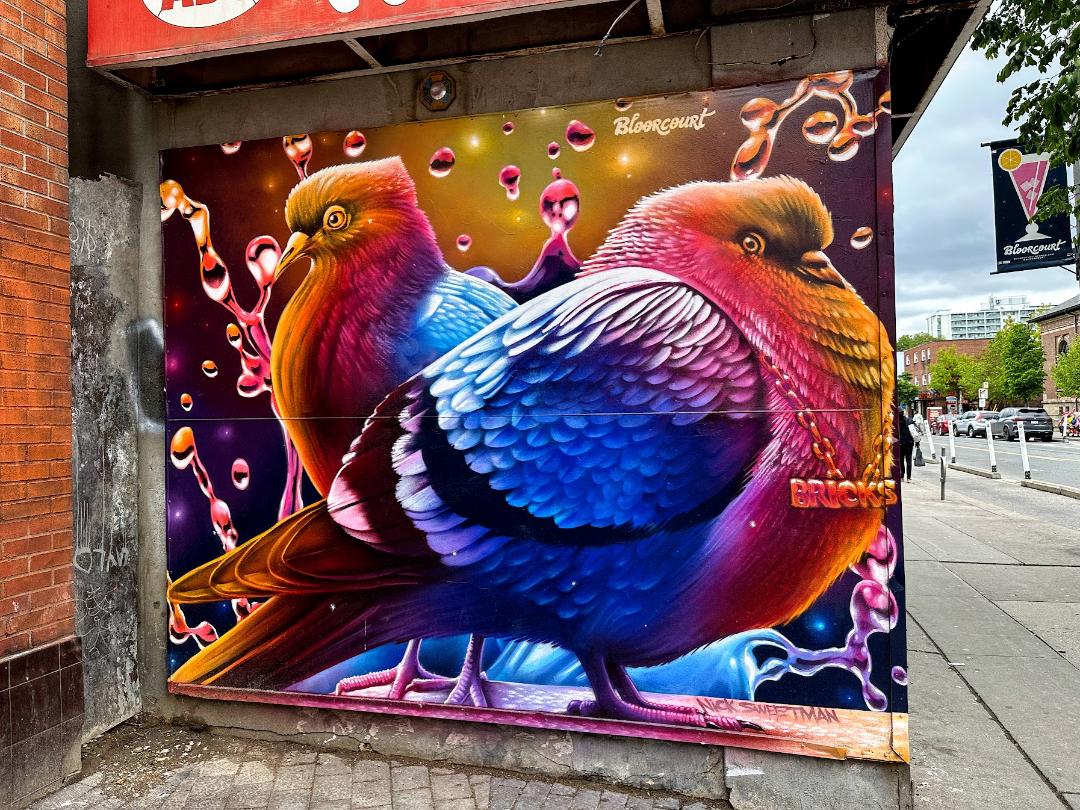
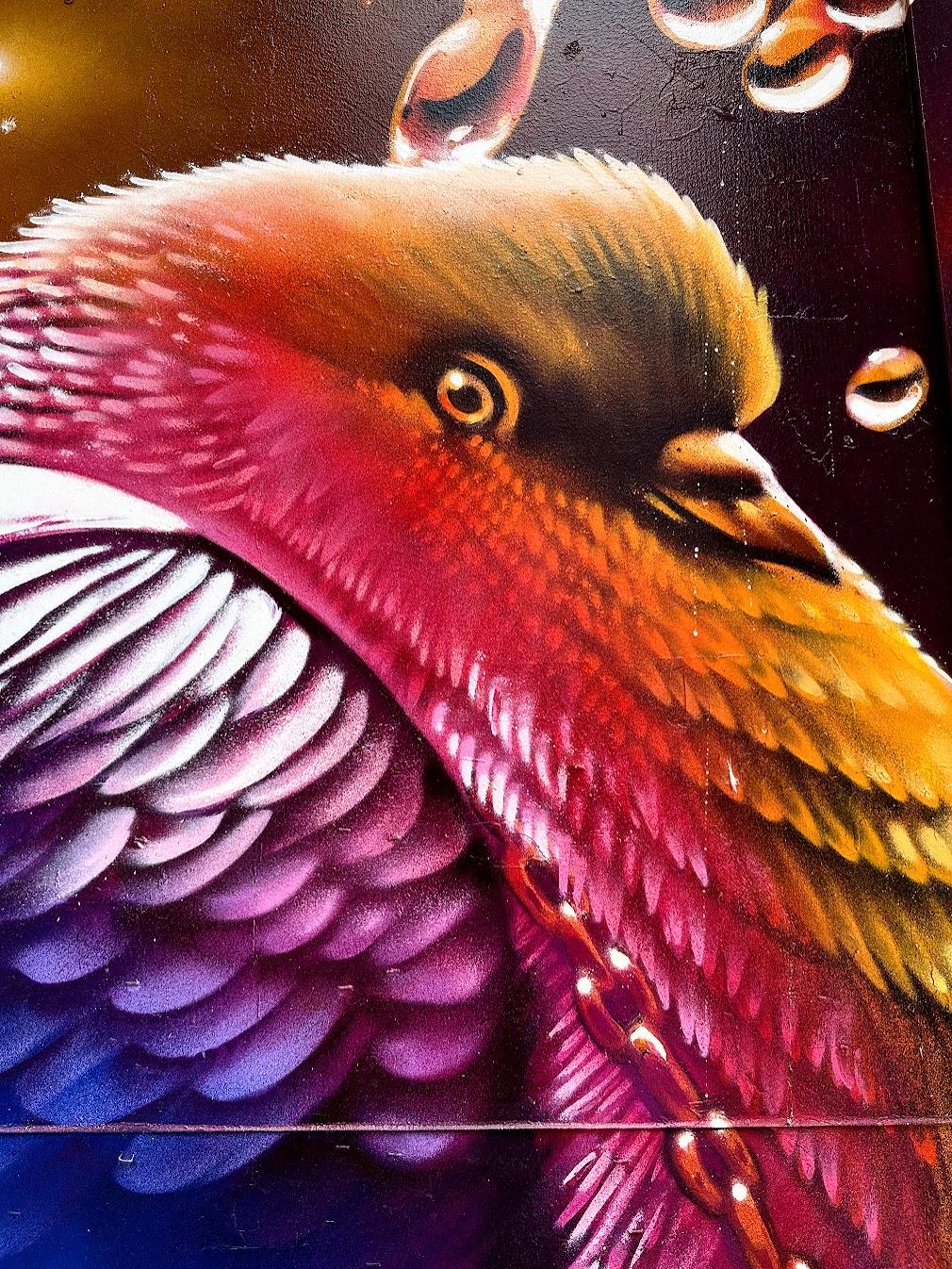
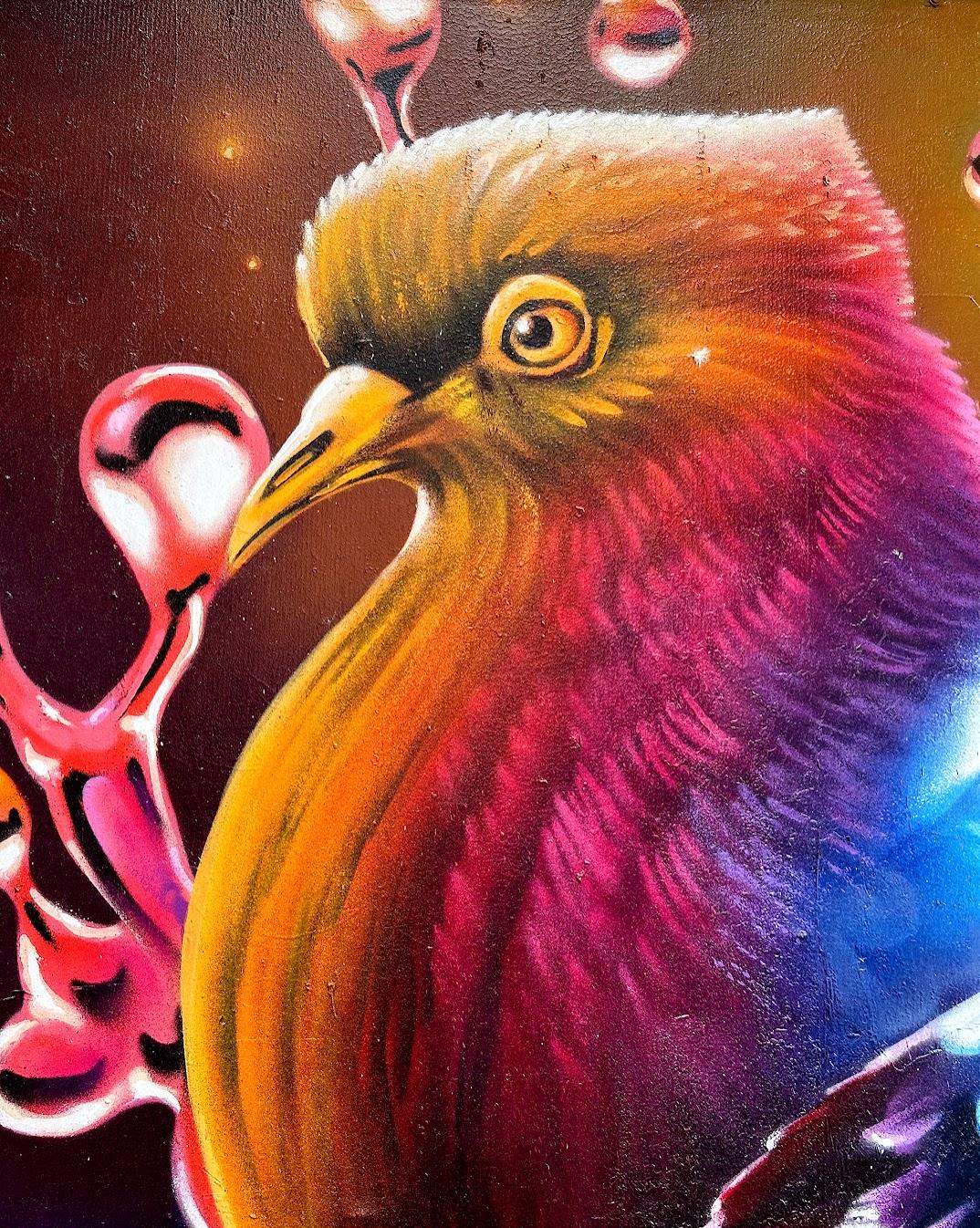
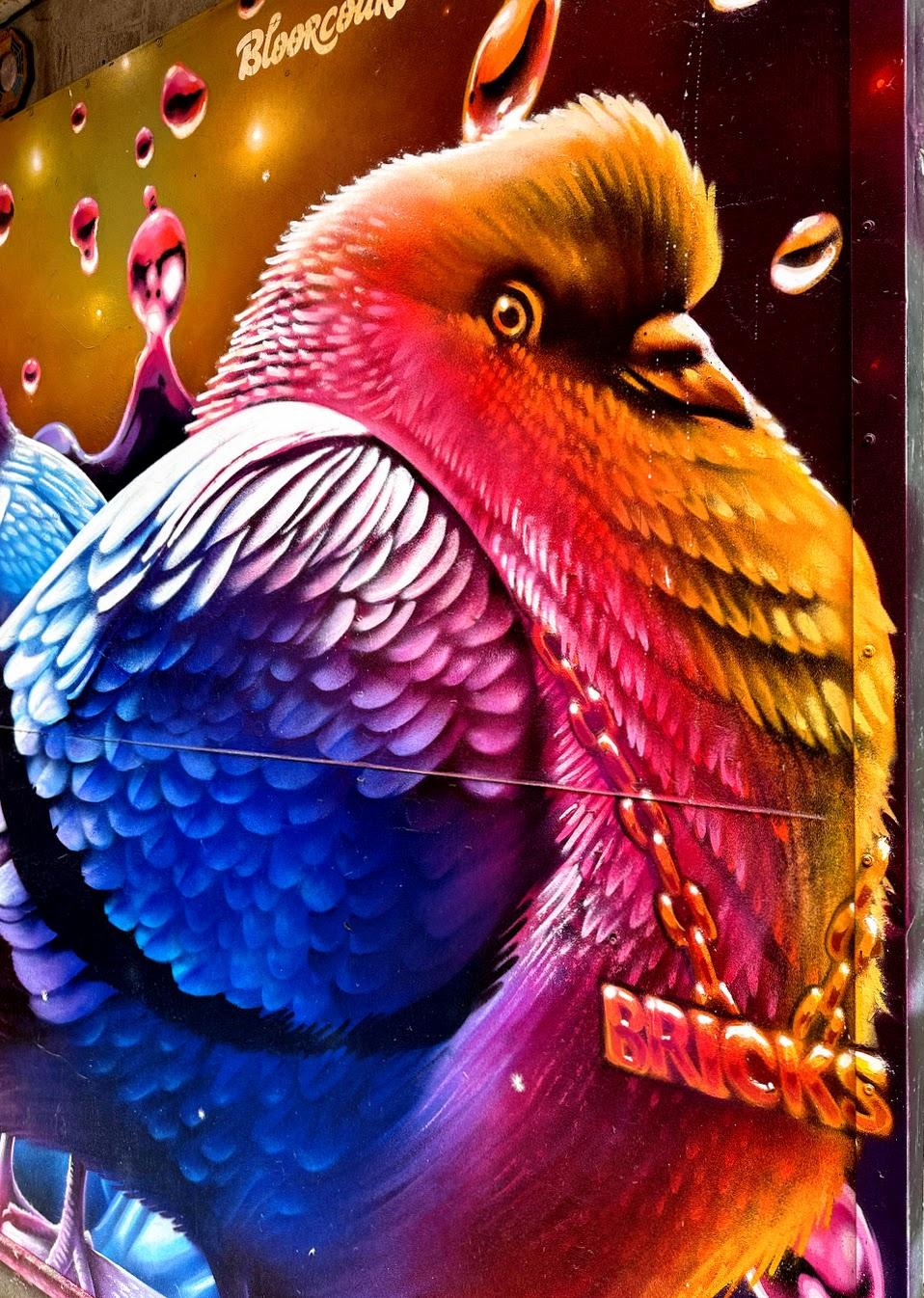
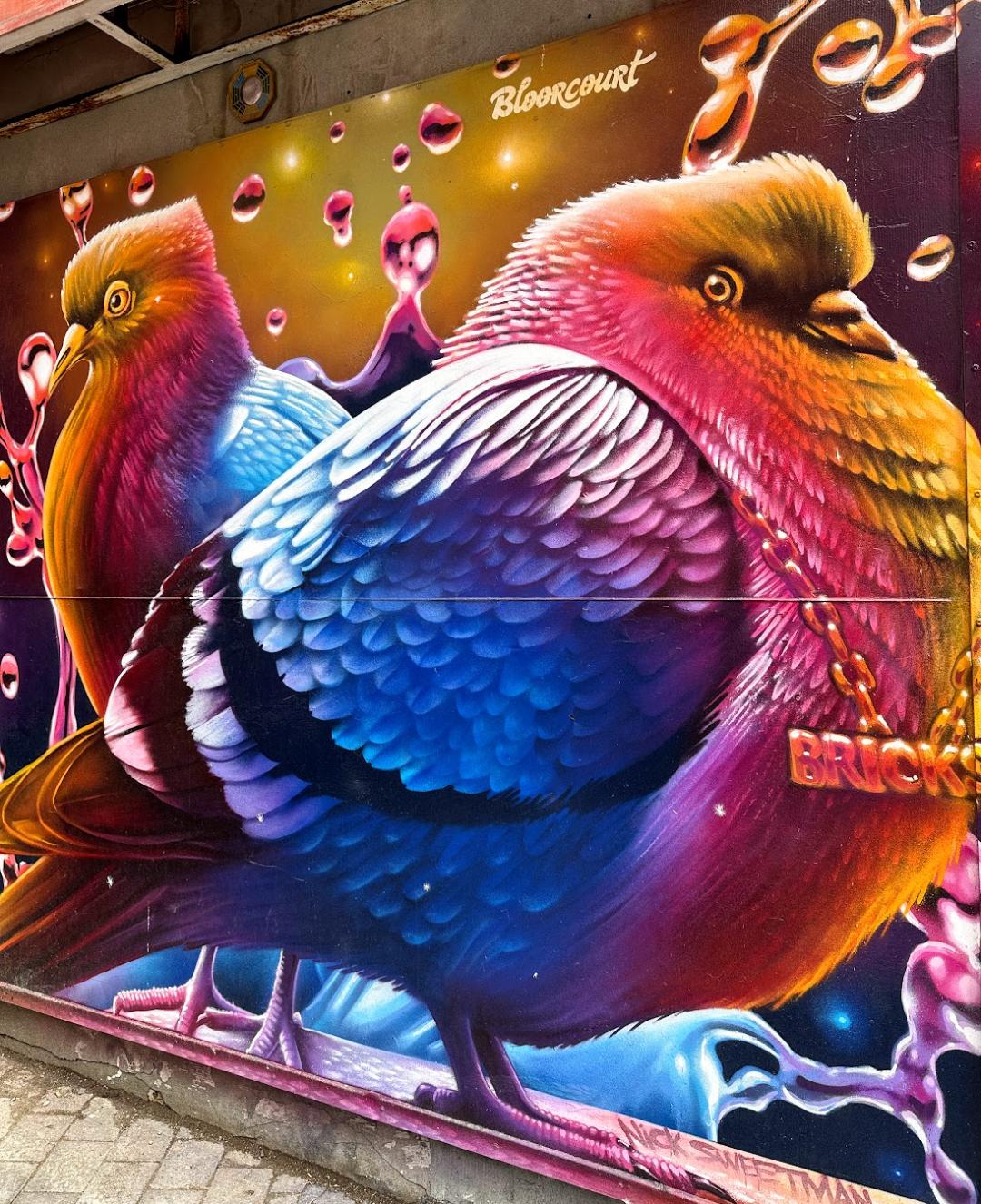
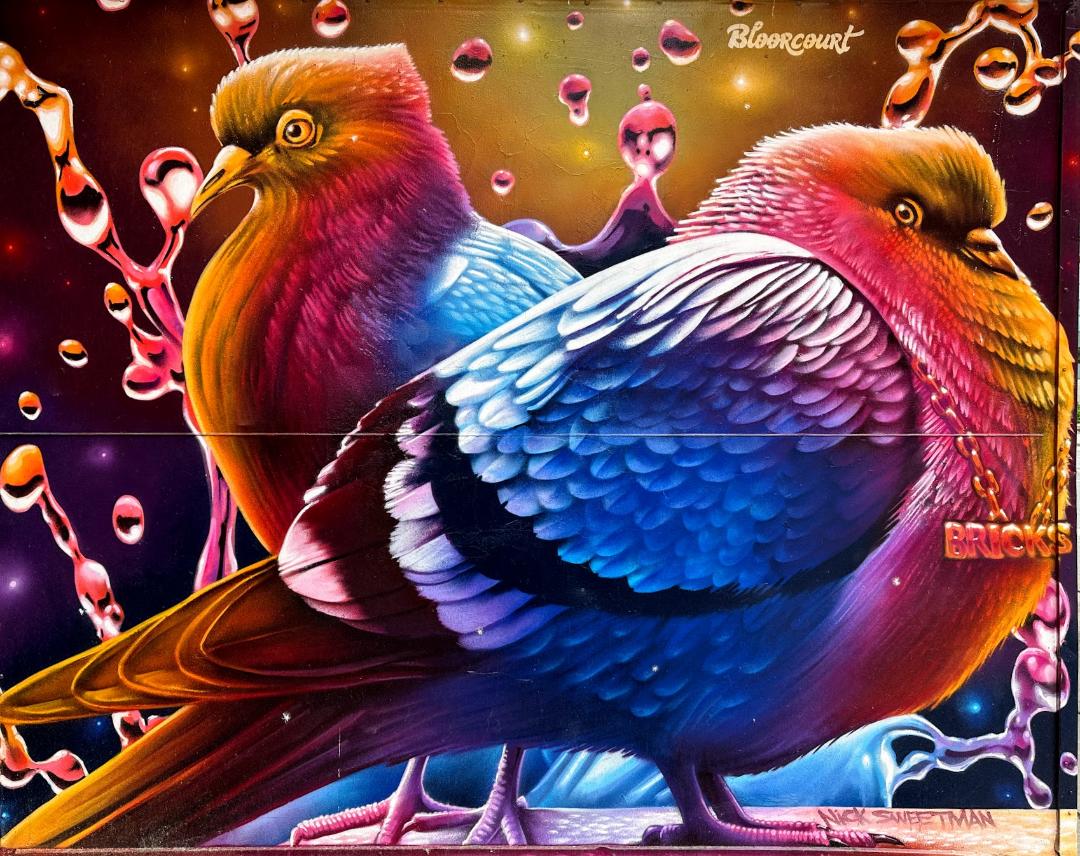
Hi there! I’m Bricks, and that there back-up pigeon behind me is Nicks. We’ve been rhabdomancing around the hood, searching for this year’s water supply, but what do we find instead?

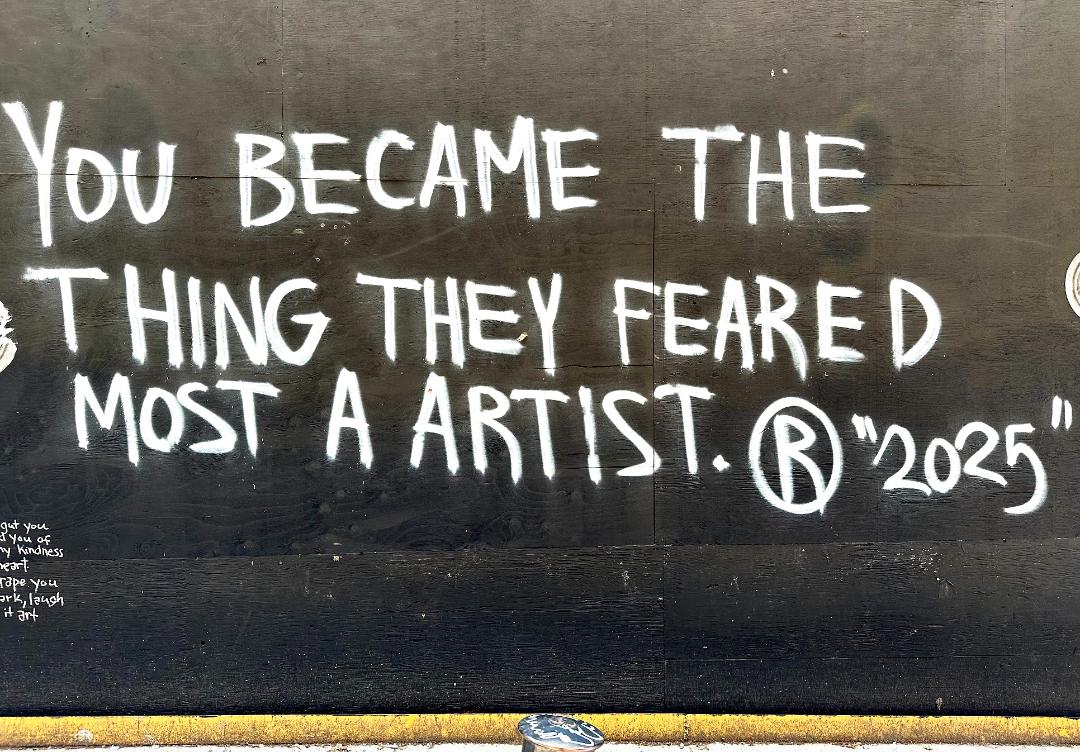
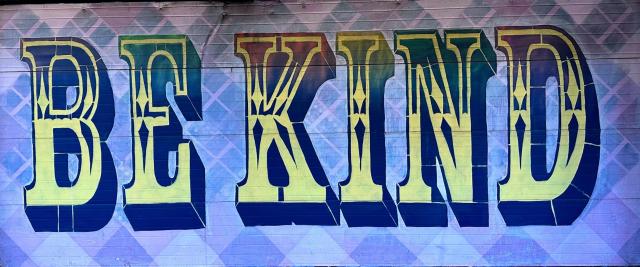
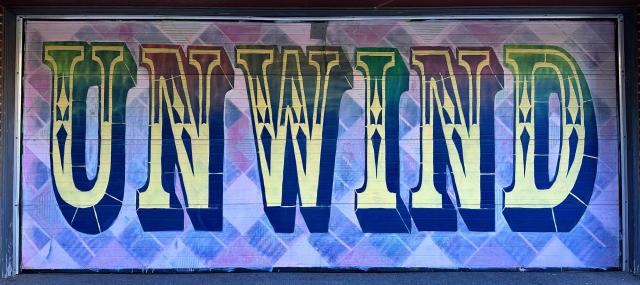
Nicks– Slogans, advice, info, euphemisms, catchphrases, idioms, shibboleth, jargon, information, direction, reminders … like –

OR

Bricks -So, while we are walkin’ the walk and gettin’ the straight street talk, we figure we might as well pass it on to you humans. After all, you need it more than we do.

Nicks – Yeah, you humans need to chill out!

Bricks – That’s right. Slow down and Inhale/Exhale!

Nicks – Be Kind -Unwind!

Bricks – Of course some of the information can be disturbing.

Nicks – You mean like this one?

Nicks – How can anyone on the planet be illegal? Yet, we need to be reminded?
Bricks – Yeah, the reminders can be pointed. BUT some messages are more positive Euphemisms, like –

AND

AND

AND

Nicks – Well, are they euphemisms or advice or sayings?

Bricks– You’re makin’ me think to hard, and thinkin’s like work. You know what they say!

Bricks – But of course you’ll just keep asking questions, makin’ me think. You just can’t stop!

Bricks – Won’t Stop!

Nicks – That’s right! So, are we doves, Bricks? I want to be a dove? Can we be doves?

Bricks – YES! We are doves; big, fat, colourful street doves. But why do you care?

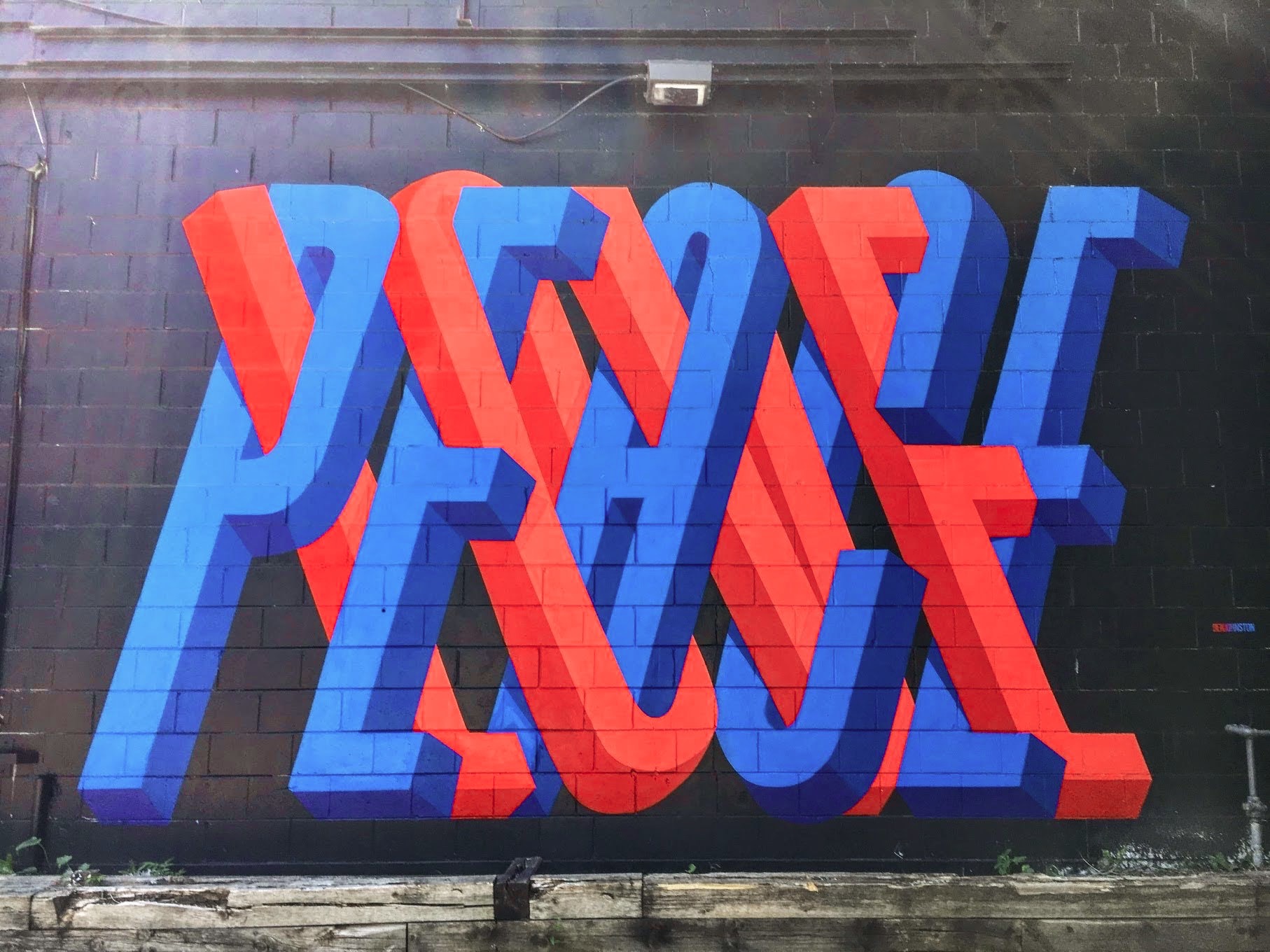
Nicks – Because I want to wish everyone PEACE & LOVE in this New Year!

Bricks – Well, that’s a dream.

Nicks – If I can dream it, I can live it!

Bricks – I’m down with that!

Pics taken by Resa – May 23, 2025

Toronto, Canada

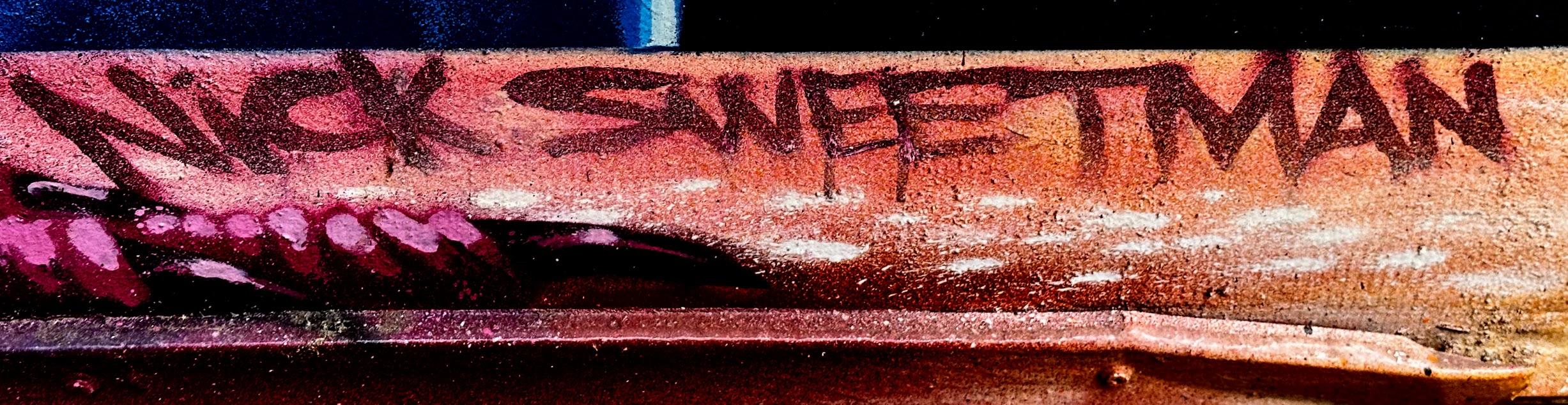
Bricks’n’Nicks artist:

Heartfelt Best Wishes

Solstice, Hanukkah, Christmas, Kwanza – whatever you celebrate, or don’t, have a good one!

This is posting on the Solstice, so I put it first. Hanukkah ends the next day. Then it’s Christmas, then Kwanza.

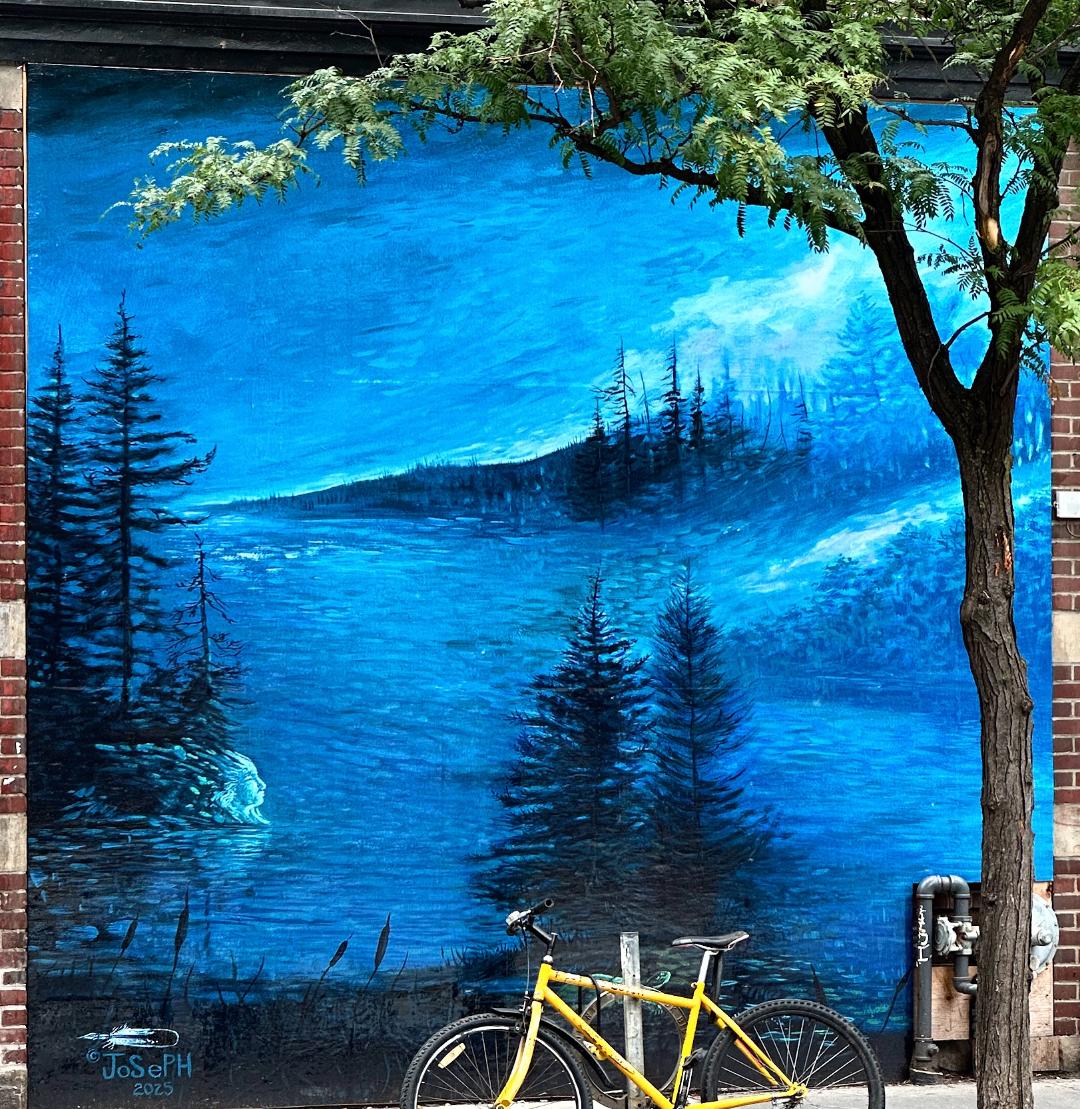
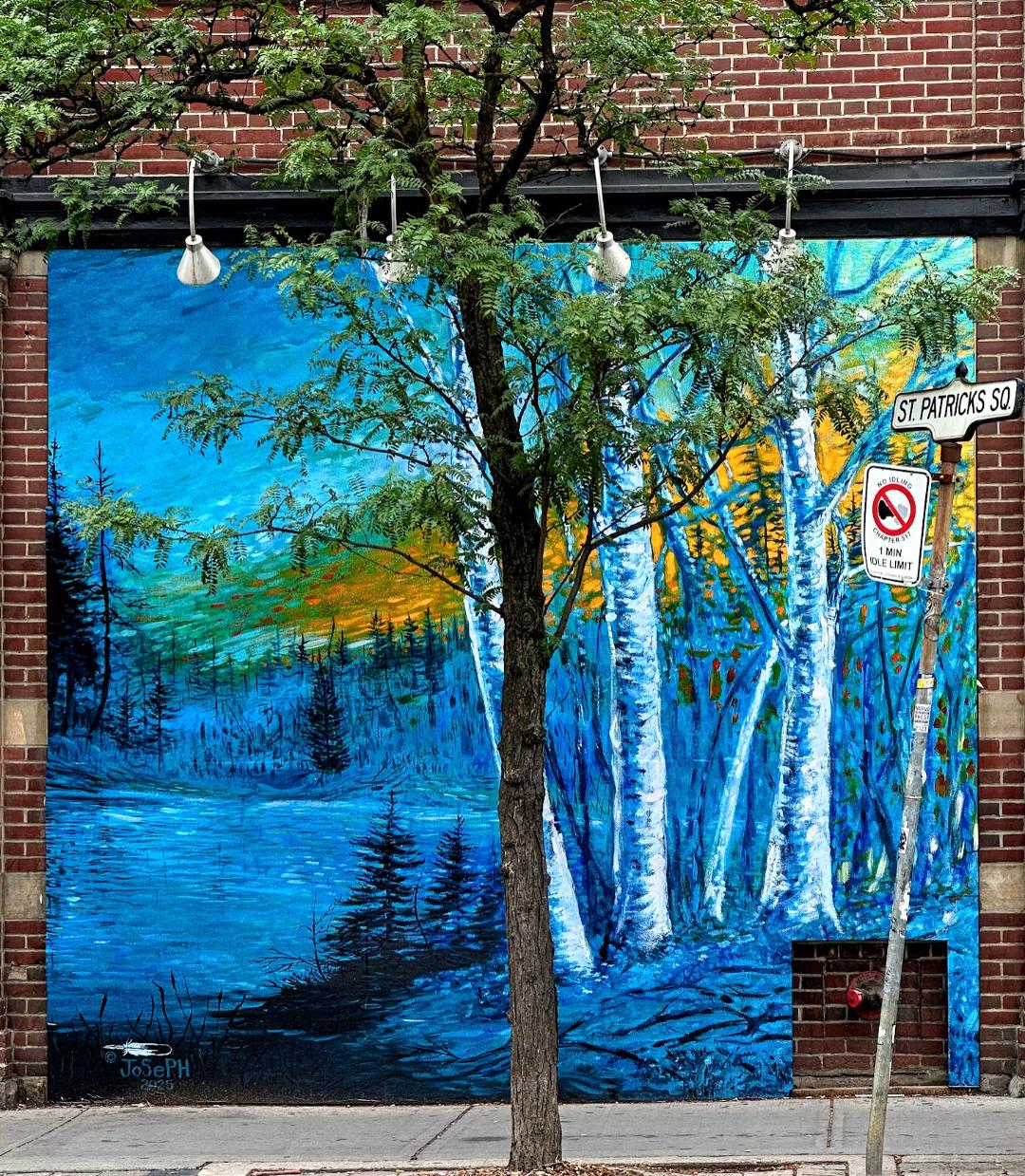
It began with a spotting from the streetcar. On an unused building, there are 2 wonderful nature scenes. They are what Trent (rip) named “Indoor Outdoor Art”. Painted in a studio, then coated with a clear protective coating, the paintings are finally adhered to a building.

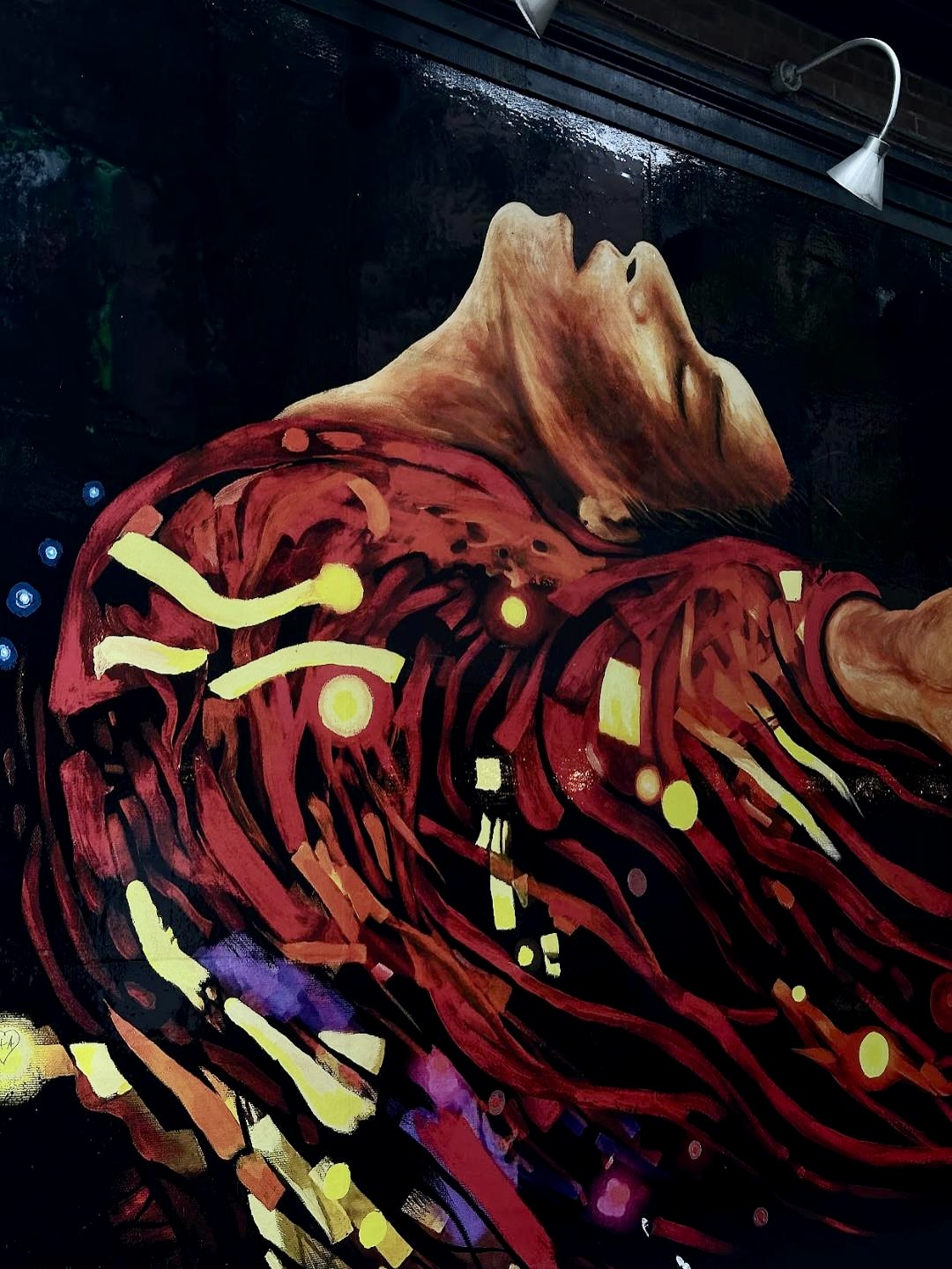
The beautiful spirit woman drove me nuts to return on the first cloudy day. Due to the sun, (even on a cloudy day) the protective coating and the black background, I could not capture any images of the woman (my fave part) without reflections.

Left: cloudy day/ normal aperture opening. Right: black cloud day/ aperture closed amap

I returned twice more. The last time it was black sky. Even at that, the reflections were stubborn, so I closed the aperture to the extent the camera allowed. A dead on shot of her face close up, was difficult.

This image is on the east side of the building. There is a narrow path between it, and the patio of the restaurant next door.

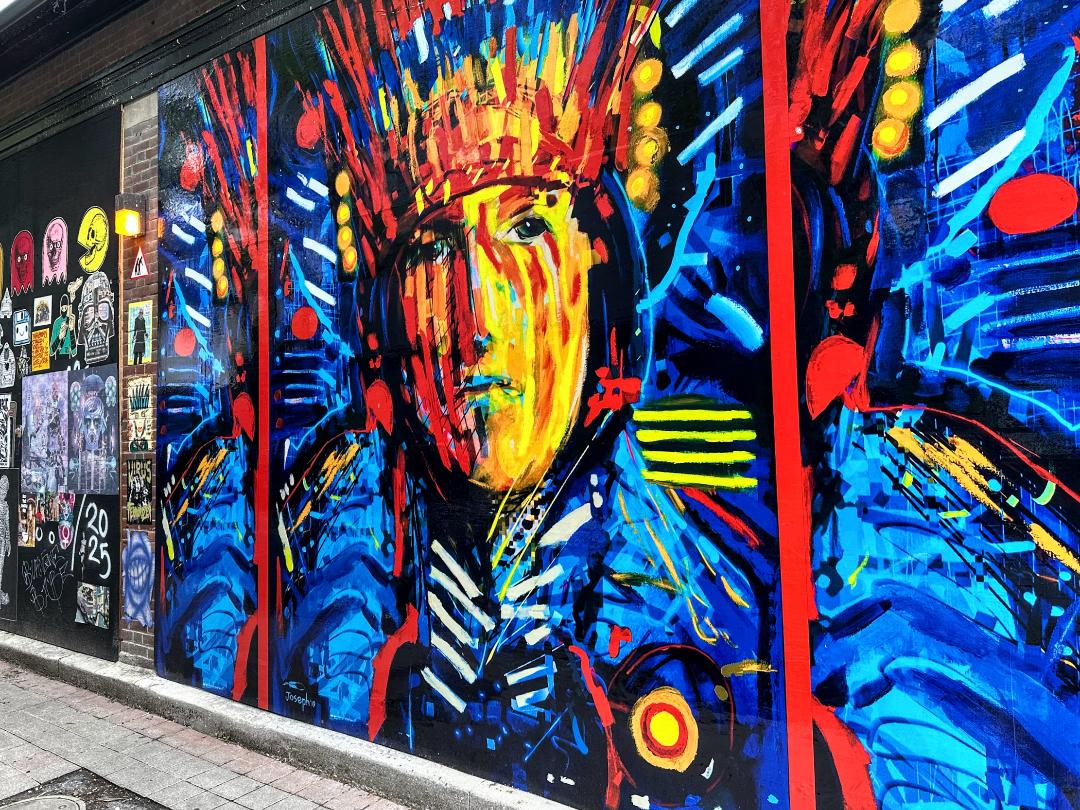
On the west side of the building, is the man spirit painting. It too is along a narrow path, but was easier to capture due to the angle of the sun, and not having a black background.

His colours are fantastic.

Pics taken by Resa – July & October, 2025

Toronto, Canada

The Artist: Joseph Sagaj is a Canadian indigenous artist, Anishnaabe of the Sturgeon Clan from the remote community of Neskantaga.

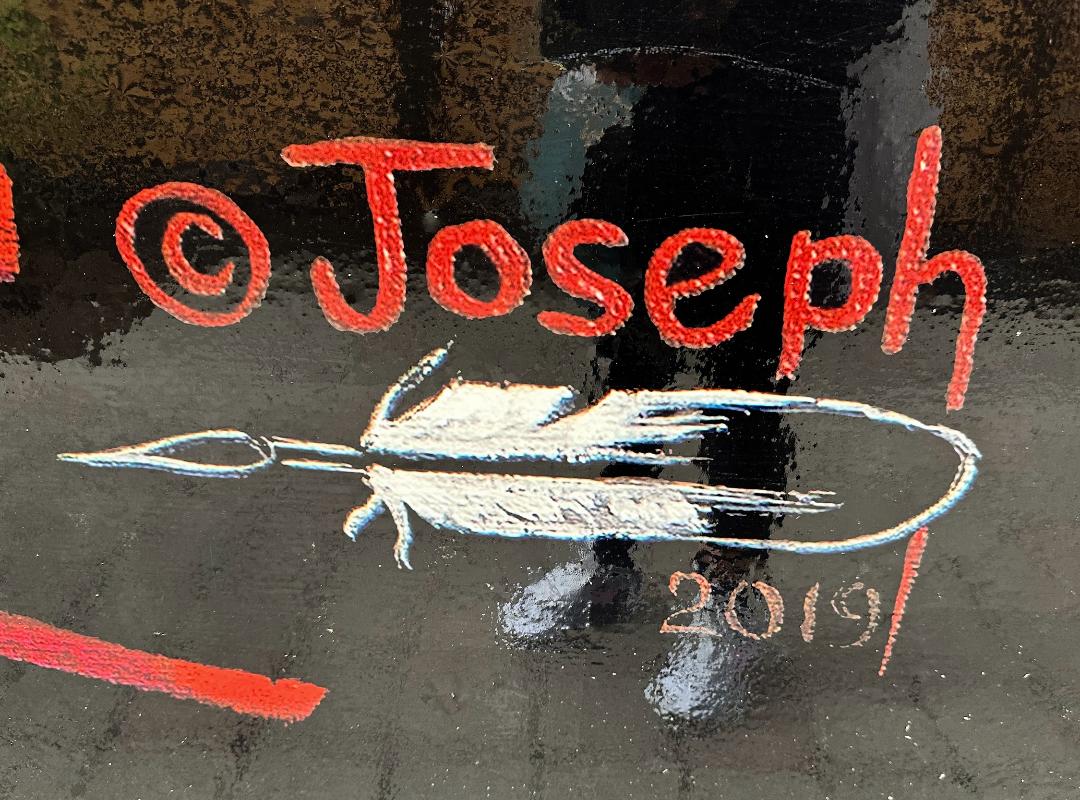
You can see my feet and legs reflected in the signature.

This head appears emerging out of the trees and into the water in the first scenic shot of the post!

This is my last post on GLAM this year. My old computer died, and now I need to spend some time catching up visiting!

Jesus – Paintings by Women in the 16th & 17th centuries

Josepha Ayala

Portuguese: 1630 -1684

Josefa de Ayala, aka Josefa de Óbidos, was a novelty. She was celebrated after her death; the only woman known to have worked as a painter in Portugal, during that period.

The Christ Child as Pilgrim – 1676 – Oil on Canvas

Josepha learned to paint by helping her father, Baltazar Gomes Figueira. In her lifetime, Portugal was monetarily unstable and often at war. However, much of her artwork was for patrons in Coimbra, a wealthy area boasting a university.

At 29 years old, her parents gave written permission for her to be to be a Donzela emancipada. (emancipated woman). She remained unmarried and independent for her entire life.

She received many commissions, during her lifetime. However, Josepha was wealthy from real estate investments and was able to refuse work at the Portuguese court.

She signed many of her artworks, as Salvator Mundi. Thinking this was a male painter attracted clients, and prevented her from being forgotten over time.

Lavinia Fontana

Italian: 1552 -1614

Born in Bologna, died in Rome; Lavinia Fontana painted in the Mannerist style she was taught by her father, Prospero Fontana.

Holy Family with Saints Margaret and Francis – 1578

An important portraitist in the late 16th century, she also produced many religious paintings. Lavinia was celebrated for the vibrant colour and detail of the clothes and jewels her subjects wore. She also became one of the first women to render publicly funded, large scale figure paintings.

In 1577 Fontana married Gian Paolo Zappi. An inferior painter, he pivoted to becoming her business agent.

Some of her paintings are signed with her married name.

Lavinia was the mother of 11 children.

Enjoying the patronage of the family of Pope Gregory XIII, Lavinia painted portraits of much of the elite.

 In 1604 she painted the Martyrdom of St. Stephen, for San Paolo Fuori le Mura in Rome. An altarpiece and her largest work, it was destroyed when the basilica burned down, in the fire of 1823.

This is an oil on canvas painting, and there were at least 2 others by Lavinia Fontana in the Making Her Mark exhibit. I’ll show those at another time, with a few more tidbits of her extraordinary life.

In the meantime, should you be interested to learn more about her, you can check out the links at the end of this post, search her online or in libraries.

Barbara Longhi

Italian: 1552 – 1638

Known primarily for her religious paintings, Barbara Longhi’s work can be difficult to differentiate from her father’s work. Her father, Luca Longhi, was a renown painter and miniaturist. Barbara began her art journey, by assisting him with altar pieces.

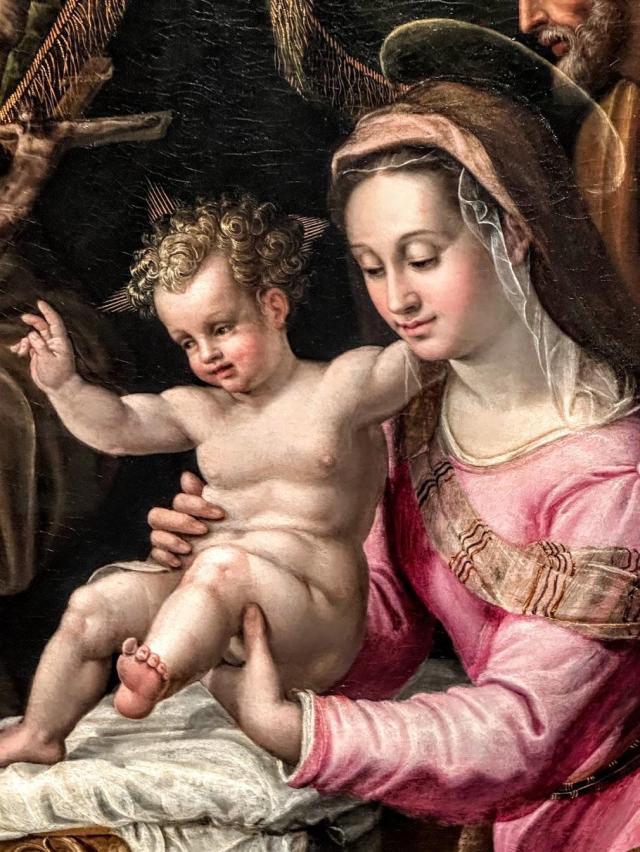
Virgin Mary & Infant Jesus – ca – 1575-80

She expanded beyond her father’s teachings by studying the works of Parmigianino and Correggio. Barbara painted primarily religious images, including several depictions of Madonna and Child with Renaissance style and features. I’m intrigued that parted drapes exposing landscapes was one of the elements.

Giorgio Vasari commended her for having “purity of line and soft brilliance of colour”.

Her ability to capture human interaction kept her one of the few successful career women of her day.

The Art Gallery of Ontario has obtained this  42.5 × 34 cm. oil on canvas painting for its permanent collection.

” Longhi’s painting, alongside two other gifted paintings by women artists (Mary Ann Alabaster (1805–1879) and Rosa Bonheur (1822–1899)), extends the AGO’s holdings of European Art by female artists three centuries deeper into the past.” – AGO

Click on the banner to go to resource links.

Photos © taken by Resa McConaghy – May 14, 2024

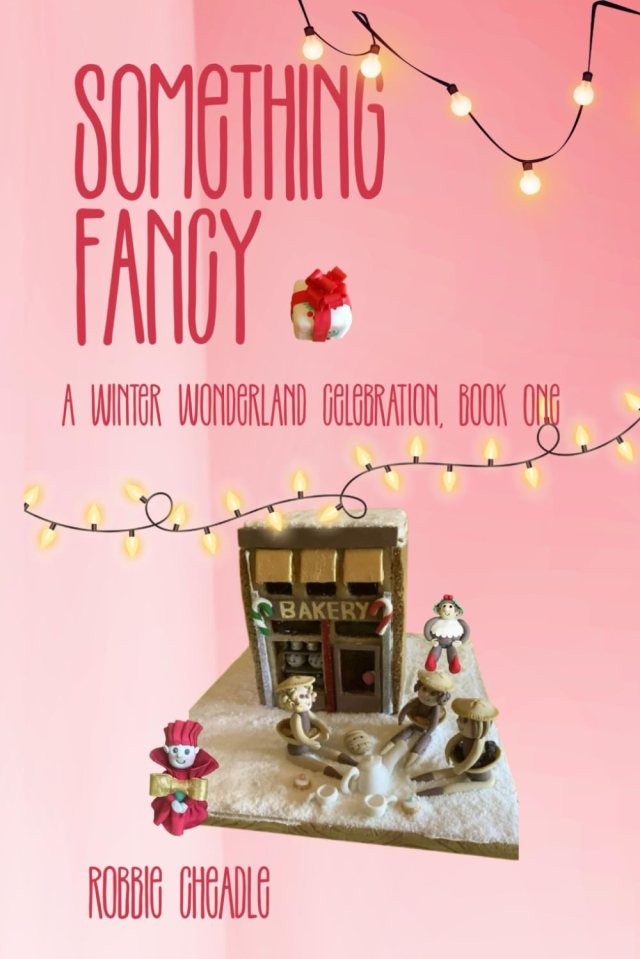
Something Fancy

by: Robbie Cheadle

In Robbie’s words:

"but I have moved on to drawing and painting,
which now dominate my artistic life."


"This book is a celebration of my cake and fondant art phase of life"

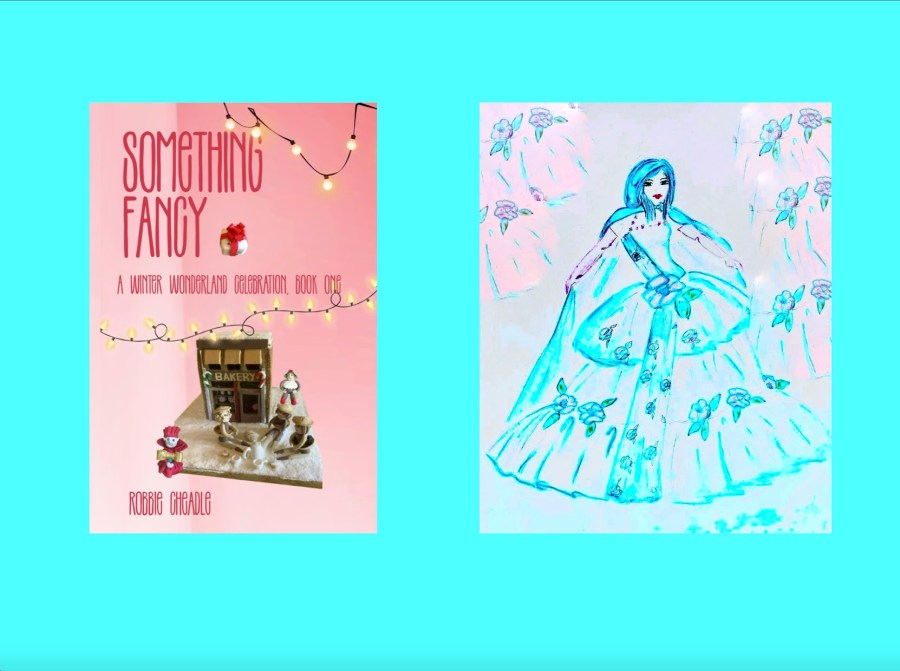
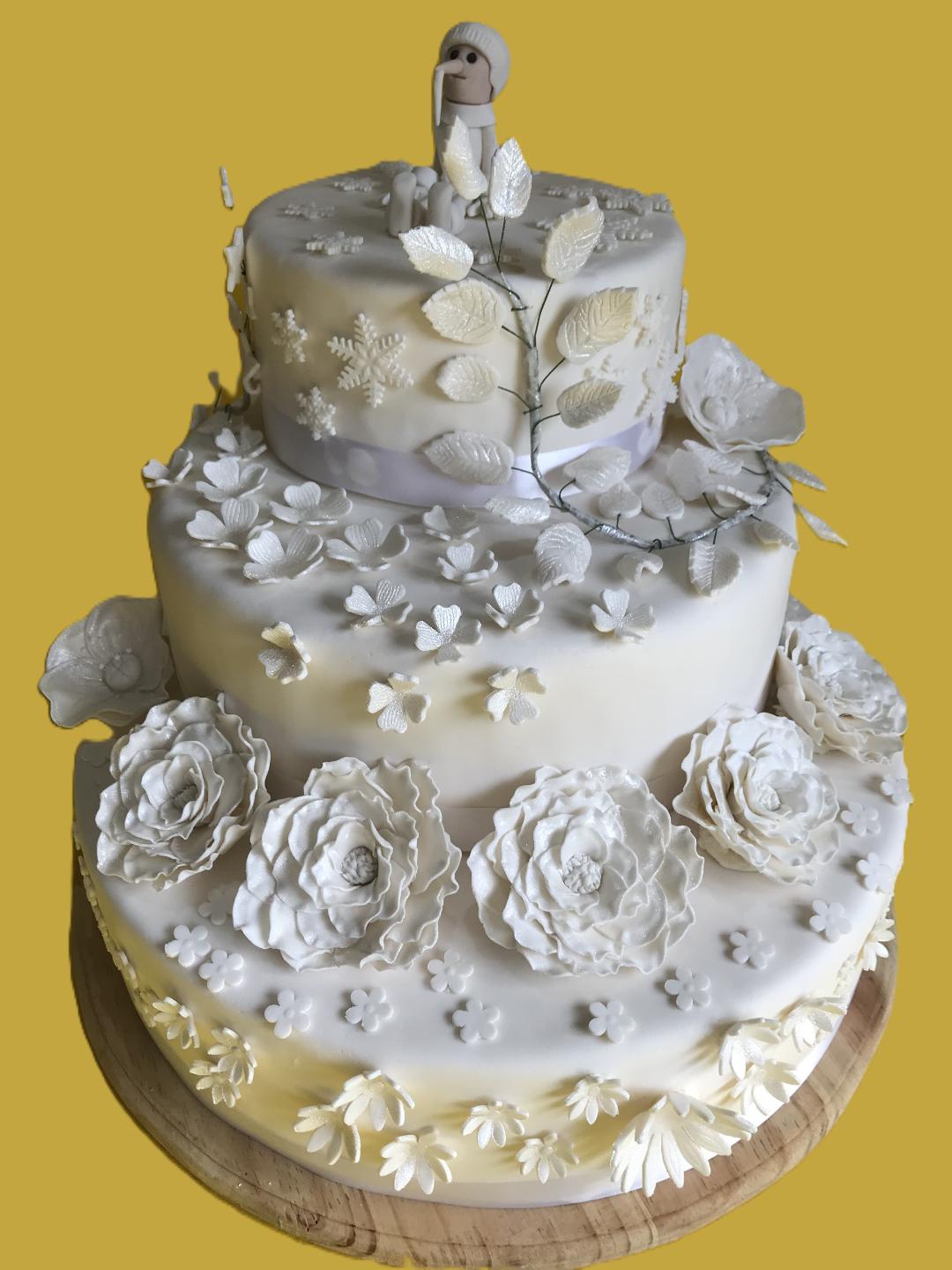
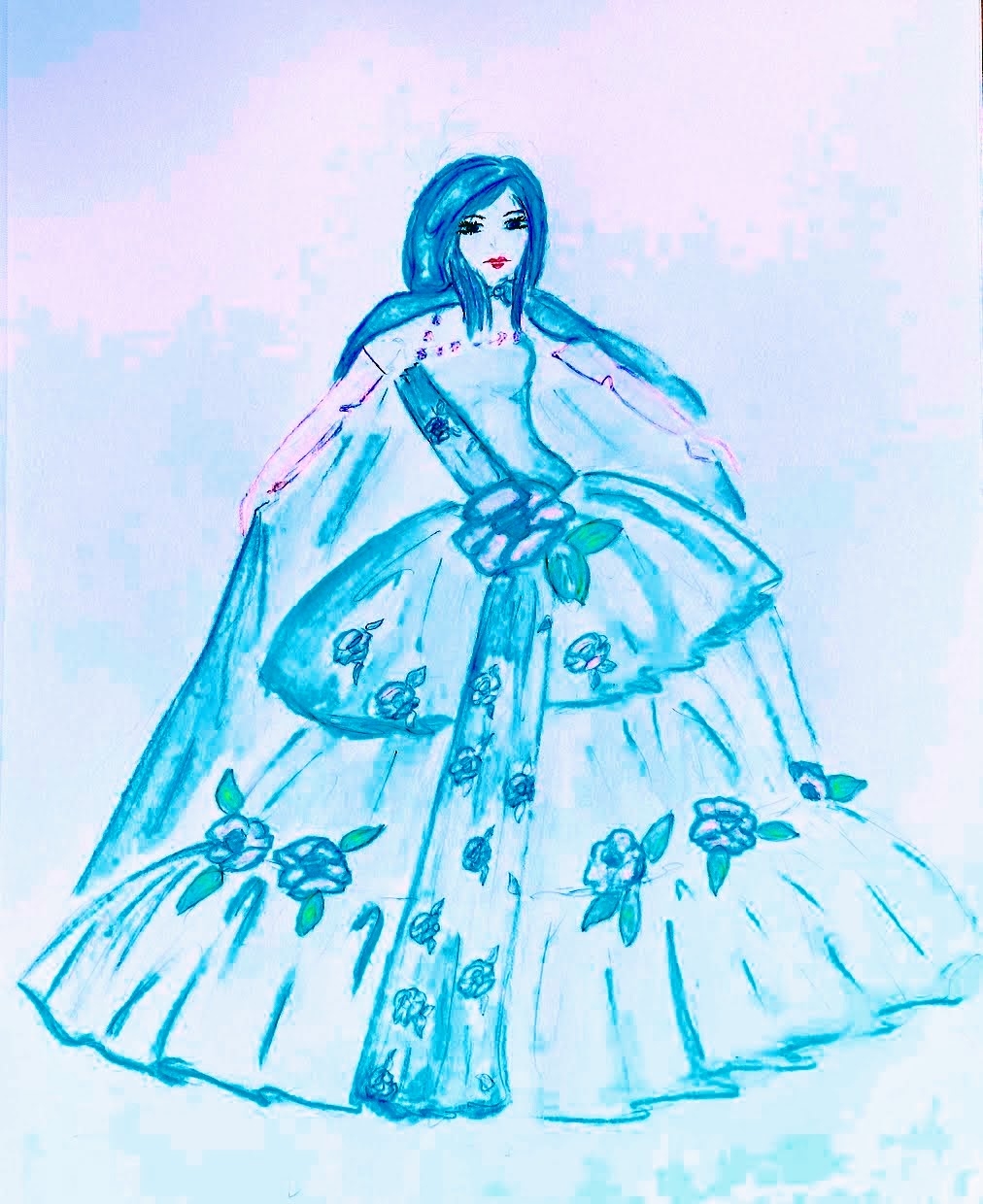
And what a fantastic phase it was! Just check out her “Jack Frost” cake above! I was so inspired, I drew the “Jacquie Frost” Art Gown below.

I’m just learning how to do white, so did a rendition of icy-blue white with window frost effect.

Of course there’s more to the book than cakes! There’s recipes and background history of both how fancy desserts and their recipes came to be, with a focus on:

Christmas Cakes

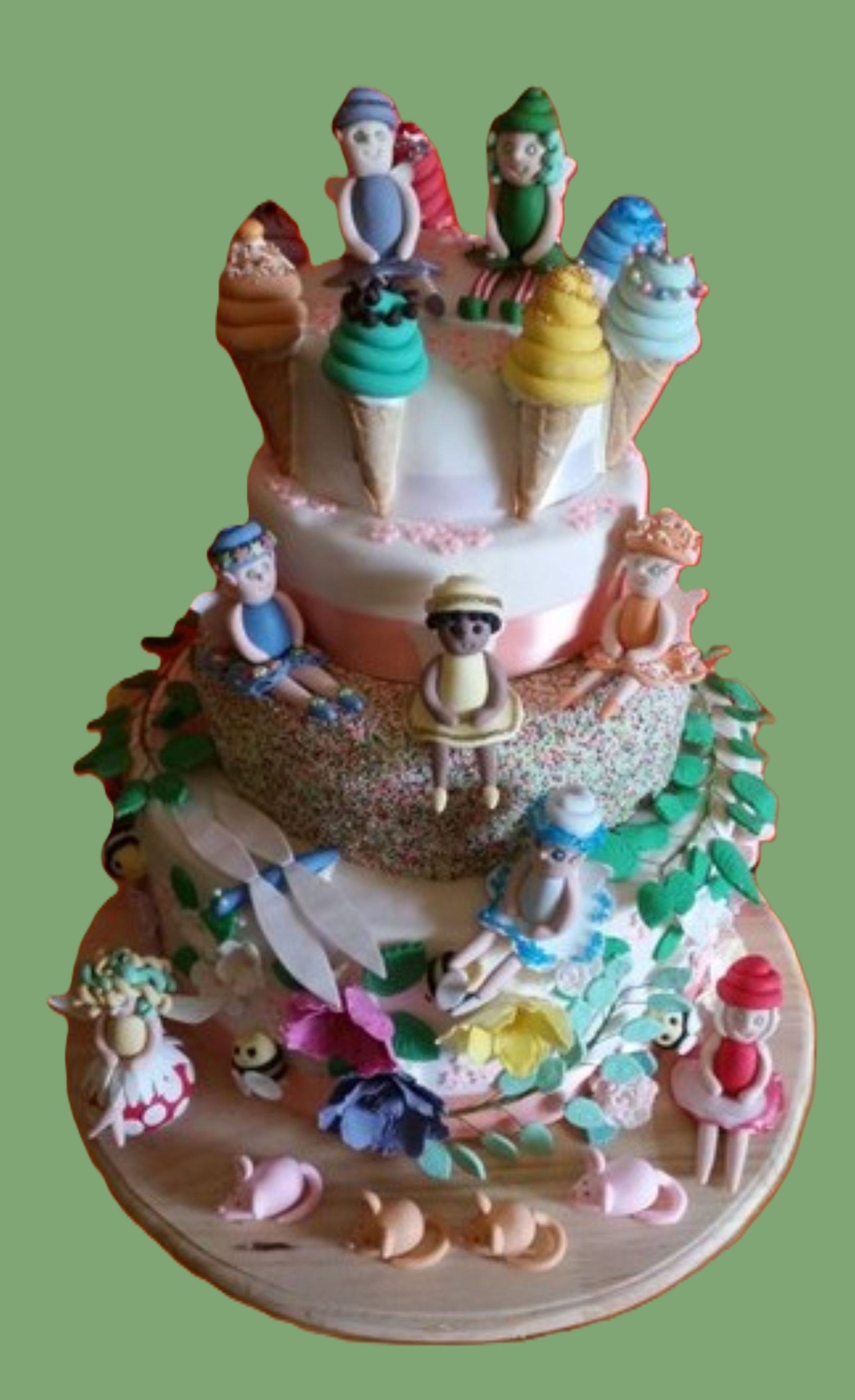
Okay, so that’s another kind of cake, but it is Christmas soon, and I just had to show off Robbie’s Tiered Rainbow Fairies Christmas Cake!

Which leads me to another Art Gown drawing inspired by the above cake; The Rainbow Fairies’ Art Gown.

Robbie says – “The ice cream fairies cake is a very happy one for me.”

Well, I can add more happy!

More! There’s poetry. There’s photos. There’s fondant art. There’s heart.

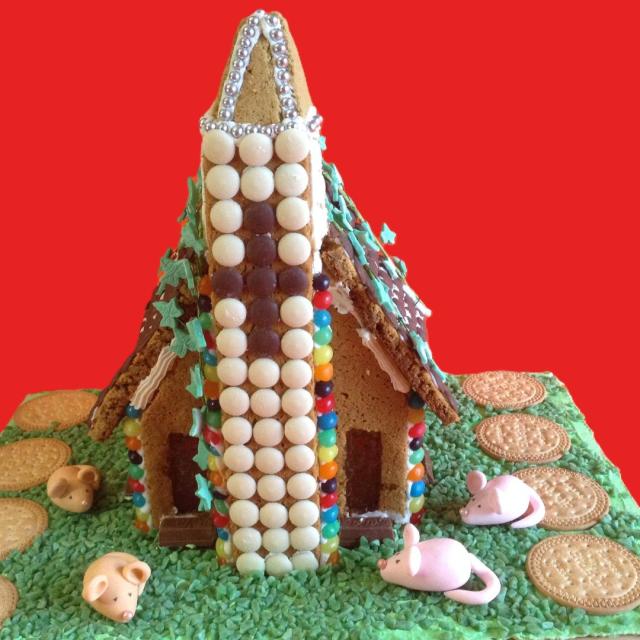
And there’s Gingerbread!

If there is anything that could be constructed out of gingerbread, Robbie has engineered it.

To the left is her gingerbread Chapel.

To our right, is her gingerbread Windmill.

There are a lot of gingerbread creations in the book, but these two are the inspiration for my Gingerbread Art Gown, below.

Ginger models the Gingerbread Art Gown.

This lovely 100+ page book can set you up nicely for the oncoming holiday season, or any celebration that comes your way.

About Robbie Cheadle

South African author, photographer, and artist, Robbie Cheadle, has written and illustrated seventeen children’s books, illustrated a further three children’s books, and written and illustrated four poetry books. Her work has also appeared in poetry and short story anthologies. .

Robbie also has two novels and a collection of short stories published under the name of Roberta Eaton Cheadle and has horror, paranormal, and fantasy short stories featured in several anthologies under this name.

OR – Just click on Something Fancy above, and go directly to its Amazon page!

Something Fancy is available in book or ebook formats!

You can find her books on Amazon sites around the globe. Just search “Robbie Cheadle” for children and youth books – “Roberta Eaton Cheadle” for adult books.

Visit Robbie on her blogs! Roberta Writes and Robbies Inspiration

Visit Robbie on her YouTube Channel to watch her bake, and get some tips! 


Gal-lery I

Thank you Lauren for thinking of me and taking these fab shots of beauty for me!

It’s a wonderful feeling to be thought of!

I also love Cora’s Quest (her first children’s book) and King Copper, Ever So Gently and More Than Coffee (fine poetry collections). Head to her site for the links to grab one of these gift-able books!

I’ve done reviews of all of her books. Just put the title into the “Search” engine not too far down the sidebar, and go to it.

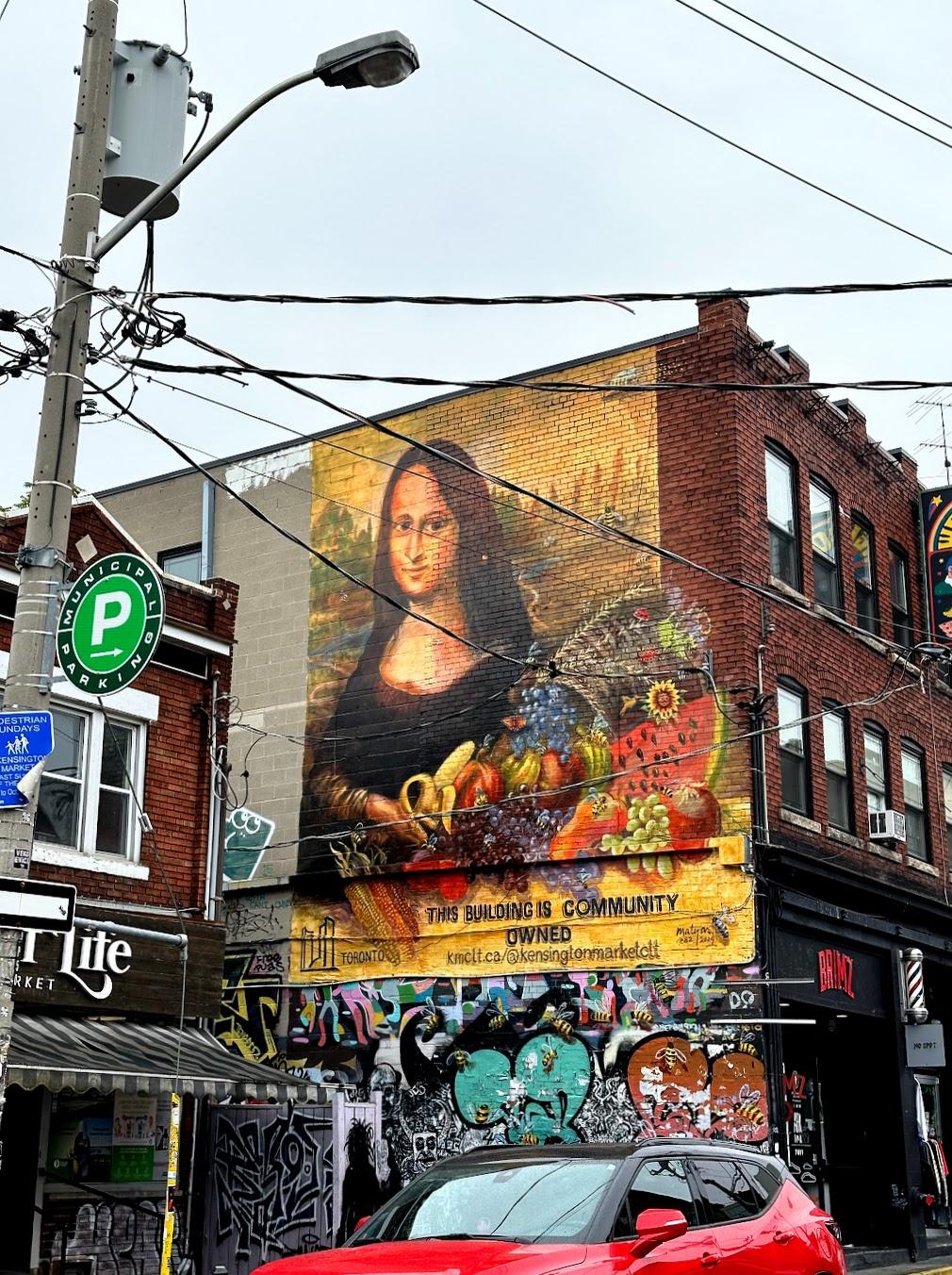
MONA OF KENSINGTON

“This iconic Kensington Market mural is finally complete — 43 years after it was painted on a dare.”

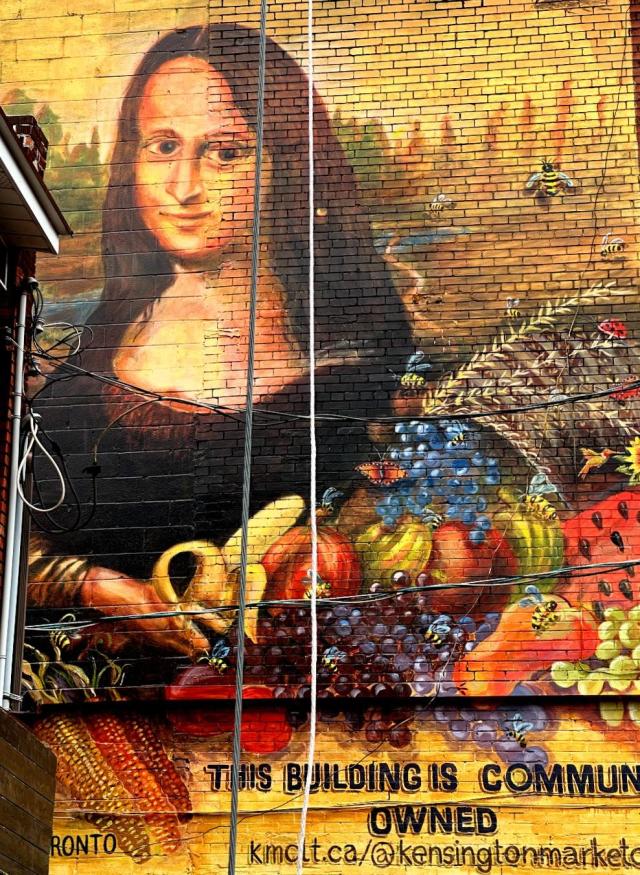
She’s miserably hard to shoot up high and through wires, but she’s always been there. With her wonky eyes, she was there on my first shopping trip to Kensington.

When I started collecting street art, I did take pics of her. However, she was crumbling & in b&w. This summer the original artist returned and finished her. Here’s an article about it!

Faces in Waiting

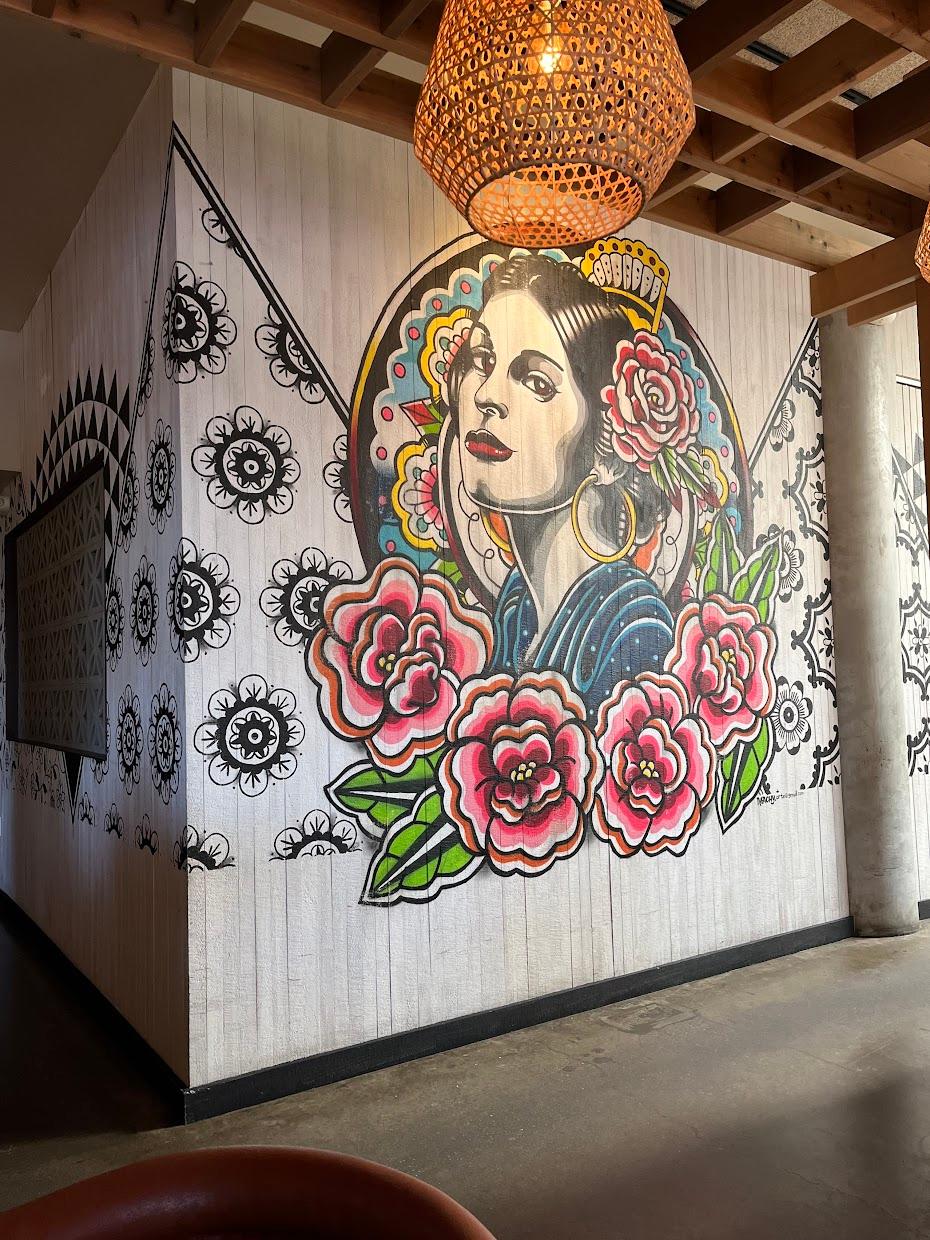
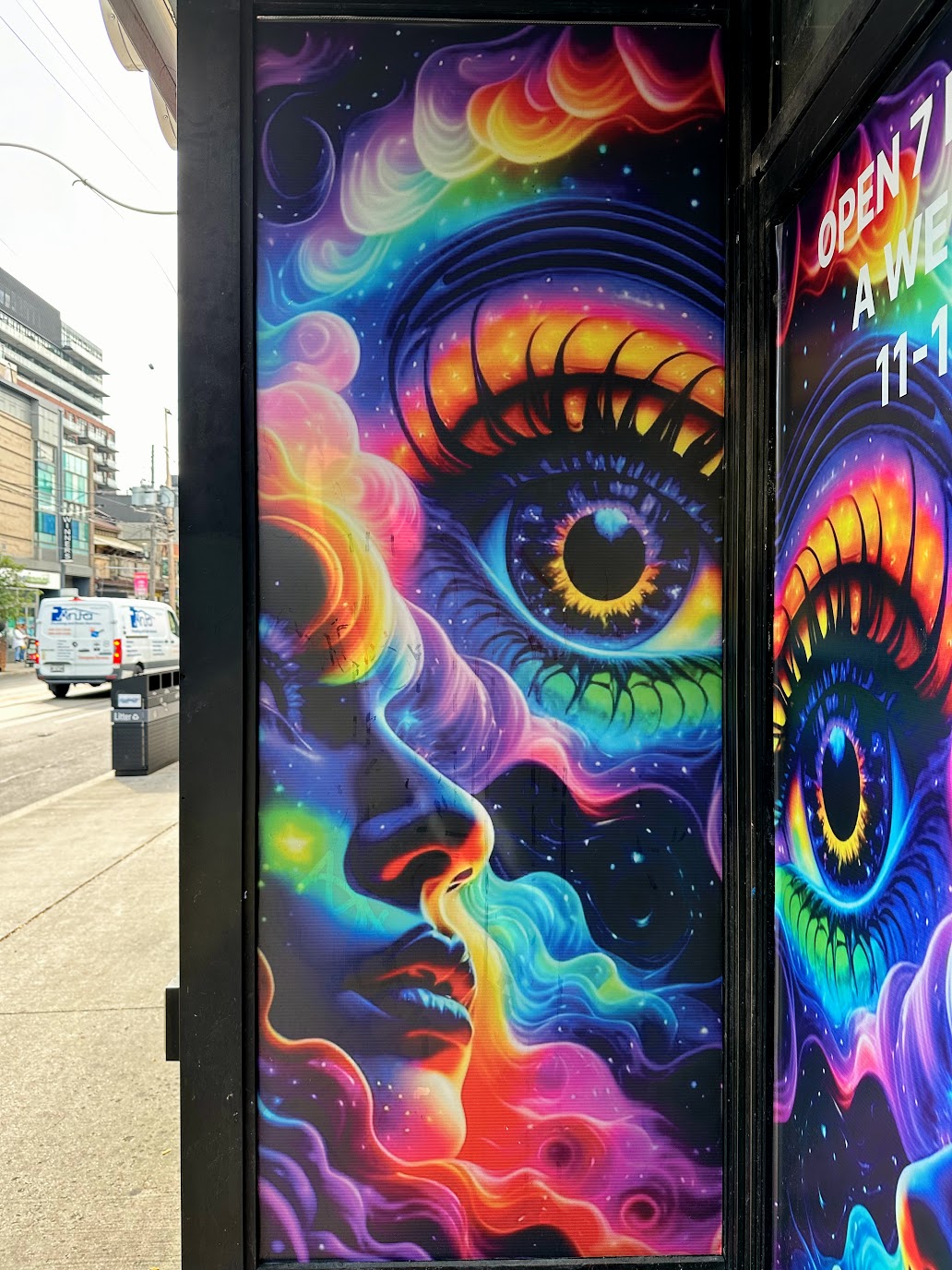
The first stunning multi-colour face was on a Magic Mushrooms shop.

This second face is on a shipping container used as a shop. A row of these container businesses line the Dundas West Skateboard Park “DUNBAT”

The third face was on a restaurant in Yorkville in 2020. It’s gone now.

THE VIOLINIST

I’d love to learn to paint white on black!

WOW! Watch Lindsey dress during the performance. Stunning!

Pics take by Resa 2020-2025

Toronto, Canada

The artists: in order of appearance

Machy Art

Unknown -on a Magic Mushrooms shop

Mathieu Bories