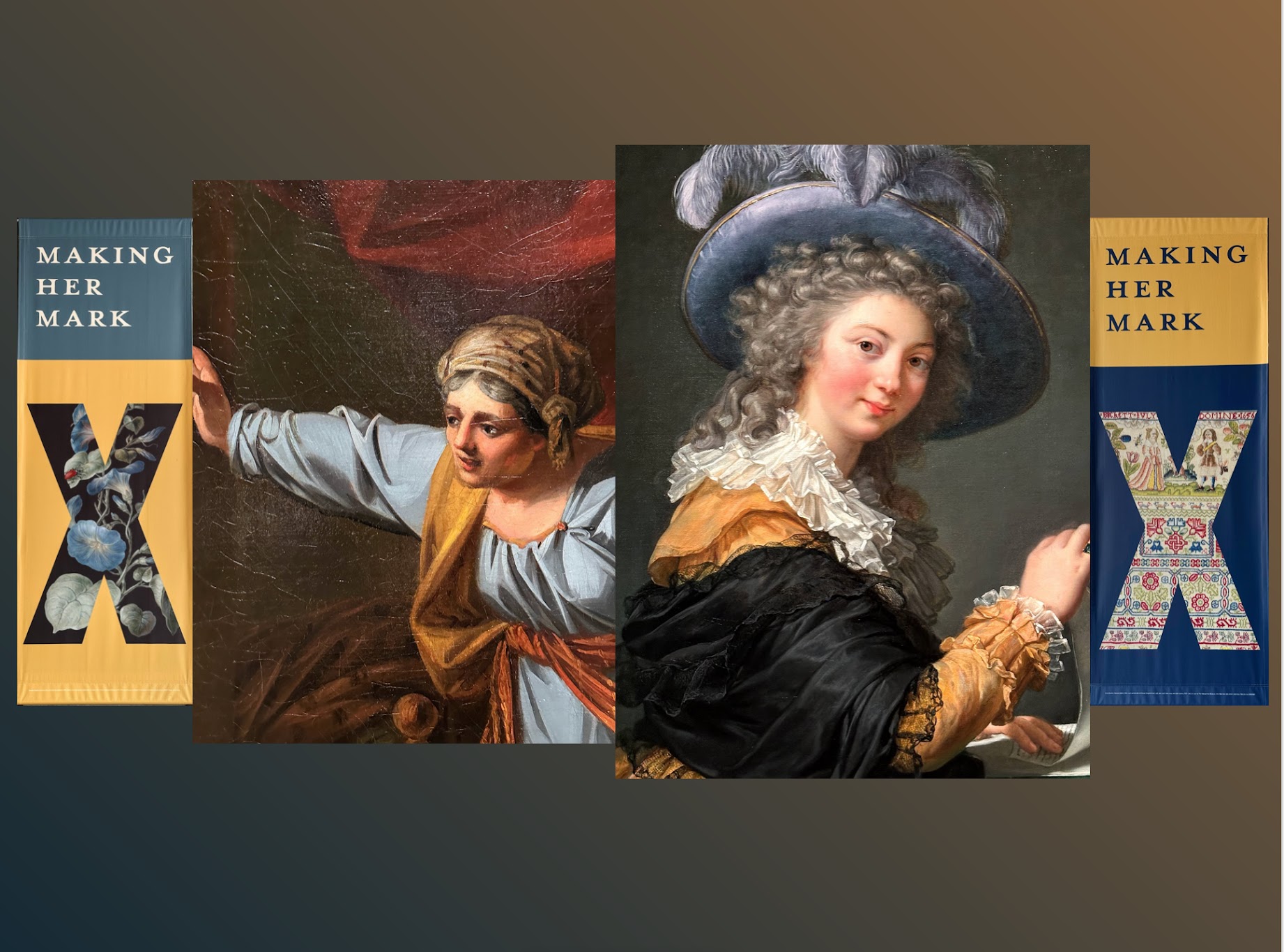
Making Her Mark – Self Portraits IV

Welcome back everyone! Today Rebecca Budd curator of Chasing Art  and I are going to present and discuss the 18th century artist, Anne Guéret!

Resa – Rebecca, how wonderful to have you back! I know it is believed that this is a self portrait of Anne Guéret but no one can verify it. Still, I have included it in this series. I hope you are good with that?

Rebecca – I am delighted that you have included Anne Guéret’s Portrait of an Artist with a Portfolio, Resa! This painting revolutionized the portrayal of women artists. I believe that it is an essential addition to your “MHM”* series.

Resa – Well, let’s get to everything you found out!

Mlle Guéret the Younger

Anne Guéret (1760–1805), also known as Mlle Guéret the Younger, was a notable French painter who was active at the end of the 18th century and the beginning of the 19th century. Despite being orphaned as a child, she and her sister Louise Catherine Guéret were fortunate to be adopted by the renowned dramatist and librettist Michel-Jean Sedaine.

His act of adoption not only provided the sisters with a stable upbringing but also served as a catalyst for their artistic pursuits, shaping their future as prominent figures in the art world of the late 18th and early 19th centuries. Under Sedaine’s care, they were introduced to esteemed painters Henri-Pierre Danloux and Jacques-Louis David, who provided them with valuable art lessons.

Salon Debut

Anne Guéret’s debut at the Salon in 1793 marked the beginning of her successful exhibition career. She continued to showcase her work in Salons until 1801, focusing primarily on presenting portraits of notable individuals. Her dedication to portraying prominent figures through her artwork and her lasting impression on the cultural heritage of France have solidified her status as a noteworthy figure in art history.
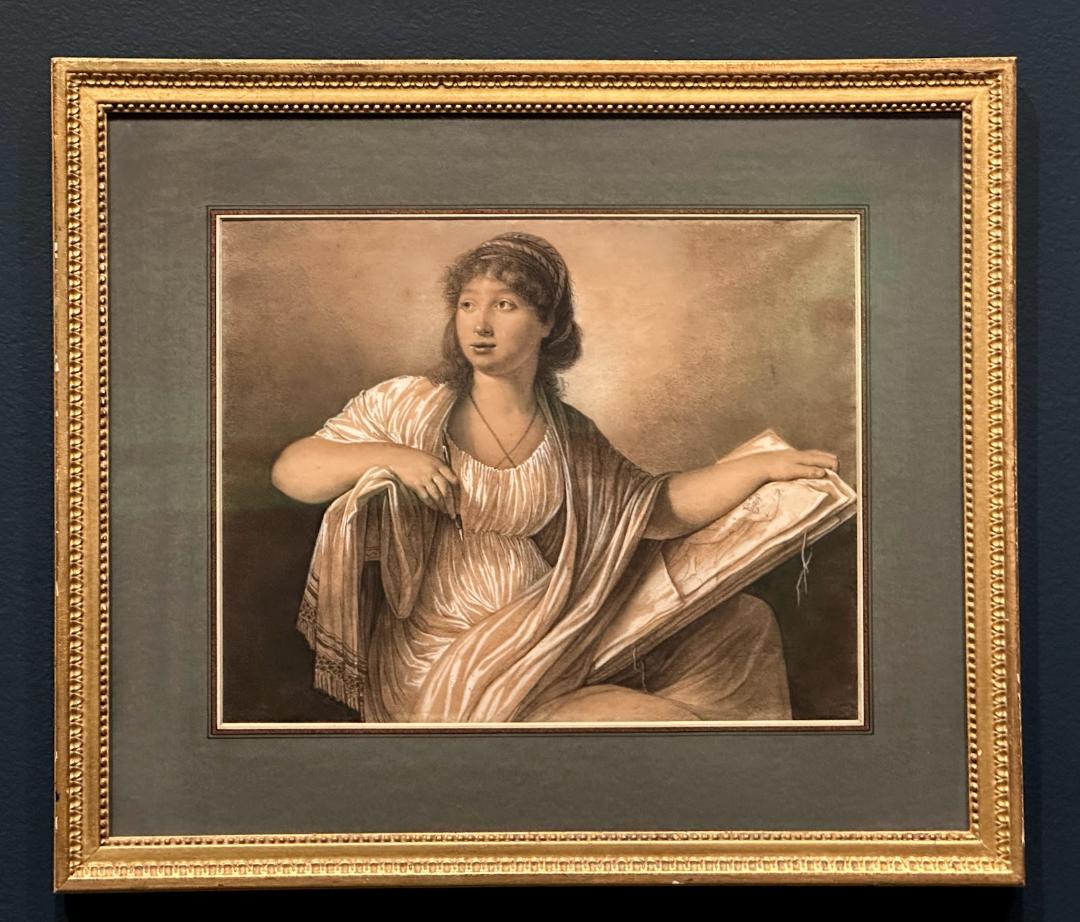
Portrait of an Artist with a Portfolio”

Resa – This particular “Salon” she first showed at is very famous. I’m just hearing about it now, and I think other female artists of the era presented there?

Rebecca – Indeed, they did! The Salon aka Paris Salon had its debut in 1667. It was the official art exhibition of the Académie des Beaux-Arts in Paris. Between 1748 and 1890, it was arguably the greatest annual or biennial art event in the Western world. The Salon played a significant role in the exhibition and recognition of artists during the 18th and 19th centuries.

While the official inclusion of women artists in the Salon was a gradual process, it did eventually provide opportunities for them to exhibit their paintings. Contemporaries of Anne Guéret, Anne Vallayer-Coster and Adélaïde Labille-Guiard, also participated in the Salon. Their contribution marked progressive attitudes towards women artists during that period.

Portrait of an Artist with a Portfolio

Anne Guéret’s “Portrait of an Artist with a Portfolio” was prominently displayed at the Salon of 1793, marking a significant moment in her exhibition career.

From a 21st-century perspective, the portrait of a young woman drawing by Anne Guéret (possibly a self-portrait) may appear unremarkable at first glance. However, upon closer examination, it represents a significant turning point in the history of women artists in Europe.

Click on pic to better see the nude drawing

The depiction of the seated woman drawing a nude male figure, albeit likely from a print or sculpture rather than a live model, signifies a progressive shift in attitudes towards women artists in the late 18th century.

Resa – Yes, the nude figure is remarkable for that era. Very few women dared.

Rebecca – According to historical records and analysis, Anne Guéret was not the first woman artist to paint a nude figure. Previous female artists, including Artemisia Gentileschi and Lavinia Fontana, portrayed nude figures in their artwork.

However, Anne Guéret positioned herself drawing a nude male figure, which holds significance in the context of late 18th-century art. Anne Guéret’s choice to depict herself engaging in this subject matter challenged traditional gender roles, contributed to the evolving status and recognition of women artists and carries symbolic weight to the changing perception of women artists during that era.

This remarkable piece of artwork, executed with black chalk, stumping, pen, grey ink, and grey wash on buff paper, measures 320 x 404 mm (12 5/8 x 15 7/8 in.) and reflects Anne Guéret’s distinctive artistic style and technical versatility.

The Evolving Status and Recognition of Women Artists

Anne Guéret’s relatively limited body of work available to us today can be attributed to several factors. As a female artist during the late 18th and early 19th centuries, she faced societal and institutional barriers that restricted her artistic opportunities and recognition. The historical context of the French Revolution and its aftermath created a turbulent environment that may have impacted the production and preservation of her artwork.

These combined factors may have contributed to the scarcity of paintings attributed to Anne Guéret. Despite the scarcity of paintings attributed to her, Anne Guéret’s enduring impact and revolutionary artistic vision continue to inspire and enrich the cultural heritage of France and Europe.

Anne Guéret’s indelible mark on the art world of the late 18th and early 19th centuries transcends the limitations she faced as a female artist during that era. Her dedication to her craft and the symbolic weight carried by her artworks serve as a testament to the evolving status and recognition of women artists.

Currently held in a private collection in France, this portrait serves as a monument to Anne Guéret’s enduring impact on the art world of the late 18th century.

Resa – I’m so glad we’ve shared this portrait by Anne Guéret, especially since so little of her art survived.

Rebecca – Resa, thank you for the invitation to join you on “MHM” series of posts. This experience has truly been a transformative journey of self-discovery for me. Anne Guéret challenges us to embrace boldness in our creative pursuits, urging us to push boundaries and explore new possibilities without fear of failure. Her message serves as a powerful reminder to step outside comfort zones and unleash creativity without reservation.
For Rebecca’s research links not included in the text, click on the above banner.

You can also visit Rebecca in her Reading Room!

Photos of Portrait of an Artist with a Portfolio taken by © Resa McConaghy – May, 2024

Art Gallery of Ontario – Toronto, Canada

“MHM”* – Making Her Mark”
Making Her Mark – Self Portraits III

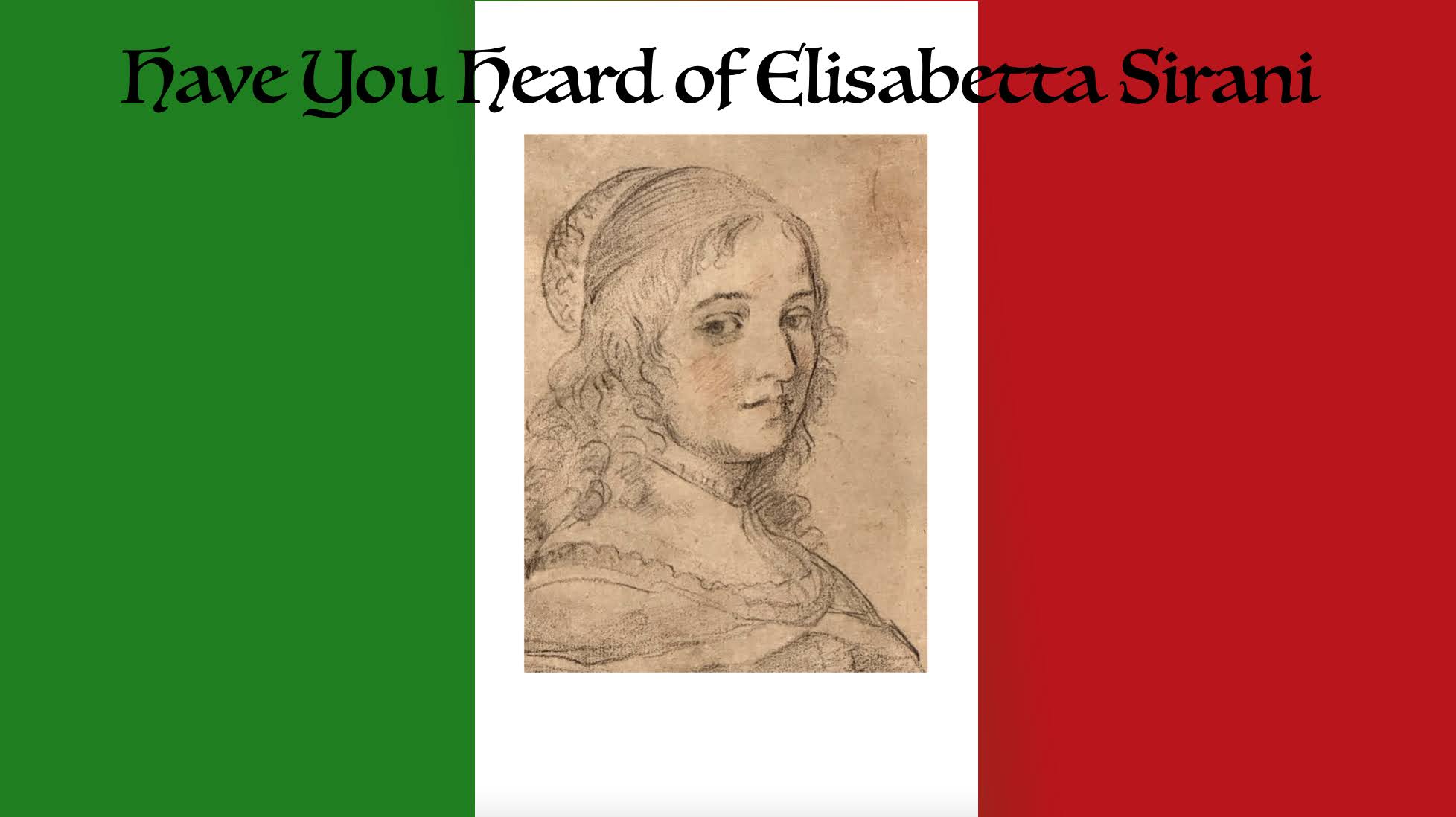
Welcome back to our Self Portraits series! I’m your host, Resa, with co-host Rebecca Budd, curator of Chasing Art. Today We are discussing an artist from the 17th century, Elisabetta Sirani.

Resa So Rebecca, after all you’ve learned, and passed on to me, I’ve come to think Elisabetta was Bologna’s rockstar in the early mid 1600’sSayest thee what to that?

Rebecca – I agree wholeheartedly, Resa. Elisabetta Sirani’s exceptional talent and prolific body of work cement her status as a celebrated artist of her time. Despite the challenges she faced as a female artist in a male-dominated field, Sirani’s enduring legacy as a pioneering Baroque painter reflects her rockstar-like influence on the art world of her era.

Over her 10-year artistic career, Sirani demonstrated exceptional productivity, creating over 200 paintings, 20 etchings, and an extensive collection of drawings. I marvel at her ability to create a life/work balance. At the young age of 19, she took on the responsibilities of managing her father’s workshop, supporting her family, and establishing an art academy to mentor and teach women artists. Elisabetta Sirani was a true rockstar of Bologna in the 17th century. In my opinion, she continues to be a rockstar today!

Resa – Well then, let’s see what you discovered!

Master of Chiaroscuro

Elisabetta Sirani was an Italian Baroque painter born in Bologna in 1638. She was the daughter of the painter Giovani Andrea Sirani, who recognized and nurtured her talent from an early age. Sirani’s artistic skills flourished, and she became known for her exceptional talent in her short life.

Despite facing challenges as a female artist in a male-dominated field, Sirani achieved great success and recognition during her career. She was prolific, producing a large body of work that included historical and biblical scenes, portraits, and allegorical paintings. Sirani’s mastery of chiaroscuro (the treatment of light and shade in drawing and painting) and her ability to depict emotion and narrative in her works garnered admiration from her contemporaries and art enthusiasts.

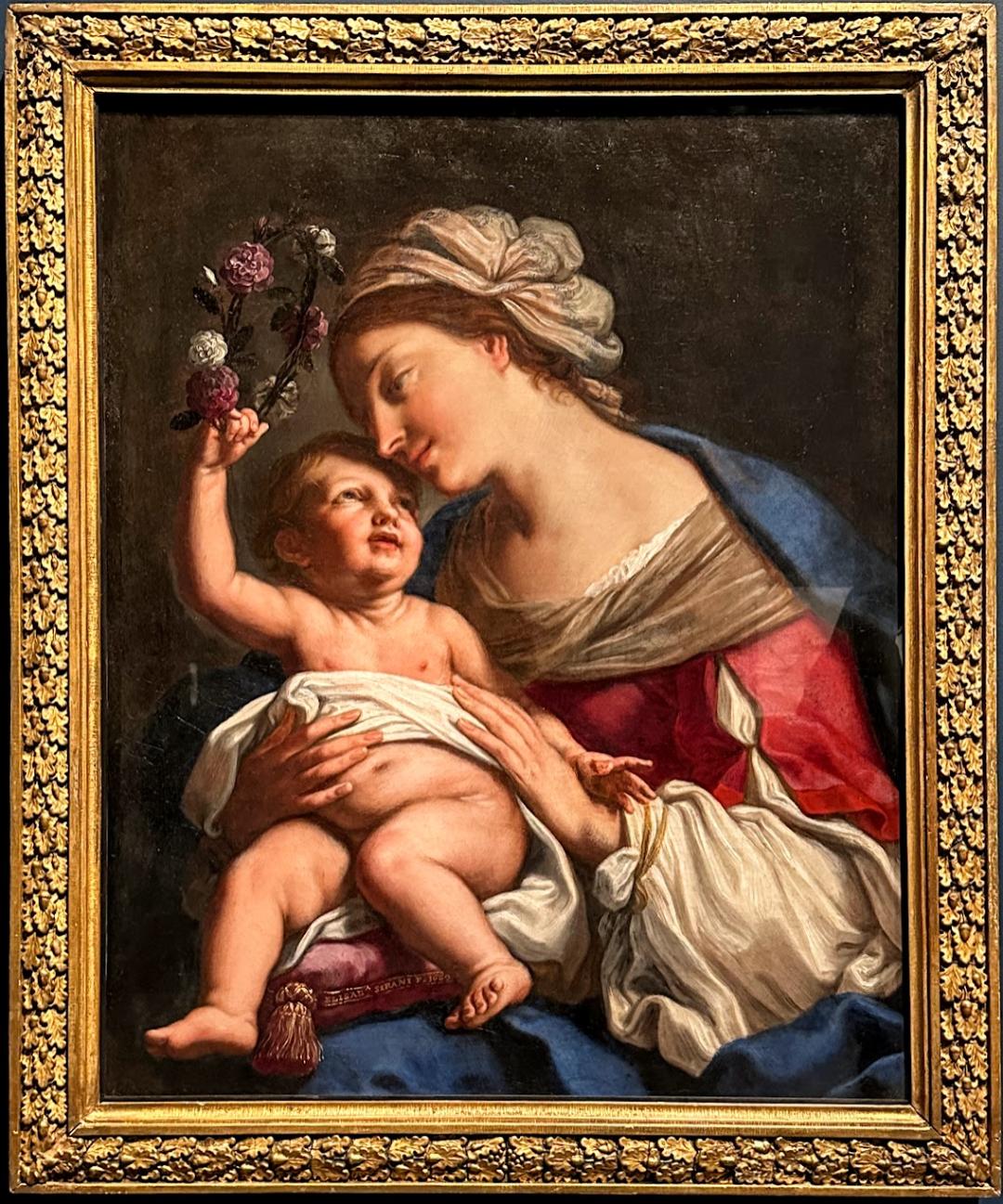
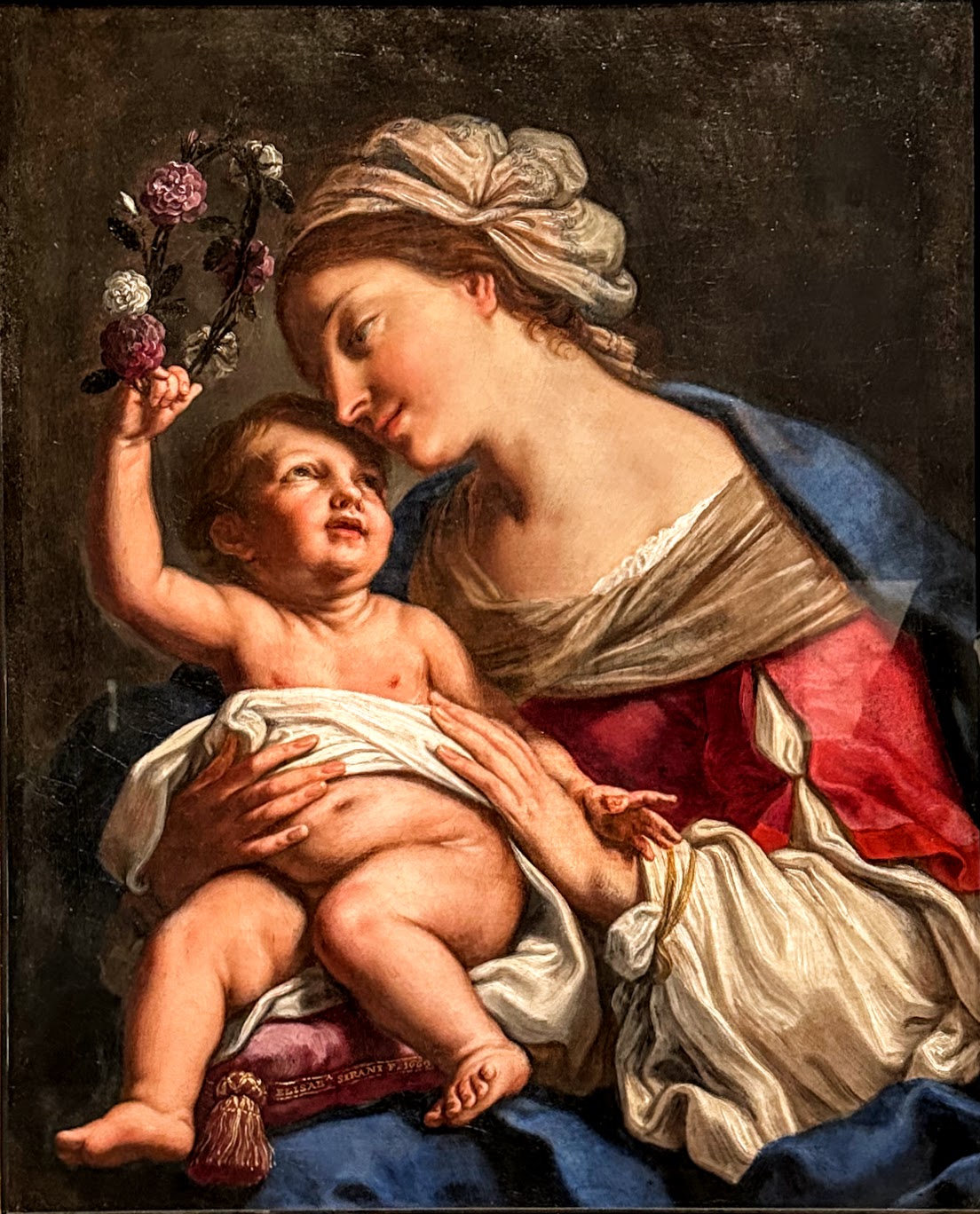
The Virgin Crowned by Christ Child with Roses

A Pioneering Legacy

Elisabetta Sirani’s legacy extends beyond her remarkable talent as a painter. As the successor of her father’s workshop, she also played a crucial role as a teacher, notably contributing to the development of women artists during the Renaissance period. In addition to training her sisters Barbara and Anna Maria, she also instructed at least twelve other young women at the school she established. This pioneering initiative marked the first school of painting for women in Europe outside of a convent, embracing inclusivity regardless of the women’s artistic and social backgrounds.

Elisabetta Sirani’s legacy endures through her remarkable paintings and the influence she had on future generations of artists. She remains celebrated as a pioneering female artist of the Baroque era, showcasing remarkable talent and determination in the face of societal norms.

Resa – “Making Her Mark” even had Elisabetta’s working drawing/study for the above painting. It’s a wonderful complete experience to see both.
Rebecca– I believe the painting, “Virgin Crowned by Christ Child with Roses” is all about love. Elisabetta Sirani imparts a compelling depiction of Mary as a relatable and tender young mother, diverging from the traditional portrayal of the remote Queen of Heaven. In this painting, Mary wears a turban associated with peasant women in Bologna, creating a down-to-earth portrayal. Her adoring gaze at the playful Christ child on her lap exudes a sense of genuine maternal love. Notice how the brushwork is highlighted in the textured representation of the Virgin’s white sleeve, emphasizing its rough and homespun quality. Elisabetta Sirani, with this tender and intimate moment of affection, offers a humanizing perspective of Mary and Jesus.

On the left :

The Virgin Crowned by Christ Child with Roses – 1663(red wash with grey chalk on paper)

On the right:

The oil on canvas painting in the same year.

An Untimely Death

Tragically, Eliabetta Sirani’s life was cut short when she passed away at the young age of 27 in August, 1665. Her untimely demise sparked controversy snd speculation. Following her sudden passing, suspicions arose, leading to the trial of her maidservant, Lucia Tolomelli, who was accused of poisoning the talented artist. The circumstances surrounding Sirani’s death led to diverse conjectures, with some attributing it to love-sickness due to her unmarried status, while others cited stress as a contributing factor.

It is widely believed that the true cause of Sirani’s demise was the onset of peritonitis following a ruptured peptic ulcer. This unfortunate event may have been exacerbated by the significant stress she experienced, particularly after being charged with providing for her entire household.

The controversy and diverse interpretations surrounding her passing have added intriguing layers to the legacy of Elisabetta Sirani, portraying a life marked by exceptional talent, determination, and the complexities of the era in which she lived.

A Rockstar Funeral

Elisabetta Sirani’s elaborate funeral reflected the deep respect and admiration held for her in Bologna. The grand ceremony featured an enormous catafalque (a decorated wooden framework supporting
the coffin) adorned with a life-sized sculpture of the esteemed artist, as depicted in Malvasia’s biography.

Orations and music composed in her honor by prominent figures from Bologna added a solemn and dignified atmosphere to the proceedings. Following this tribute, she was laid to rest in the Basilica of San Domenico, Bologna, where she joined her father’s teacher, Guido Reni, in a shared tomb

This final resting place solidifies her enduring legacy alongside revered artistic influences, commemorating her exceptional talent and remarkable contributions to the art world.

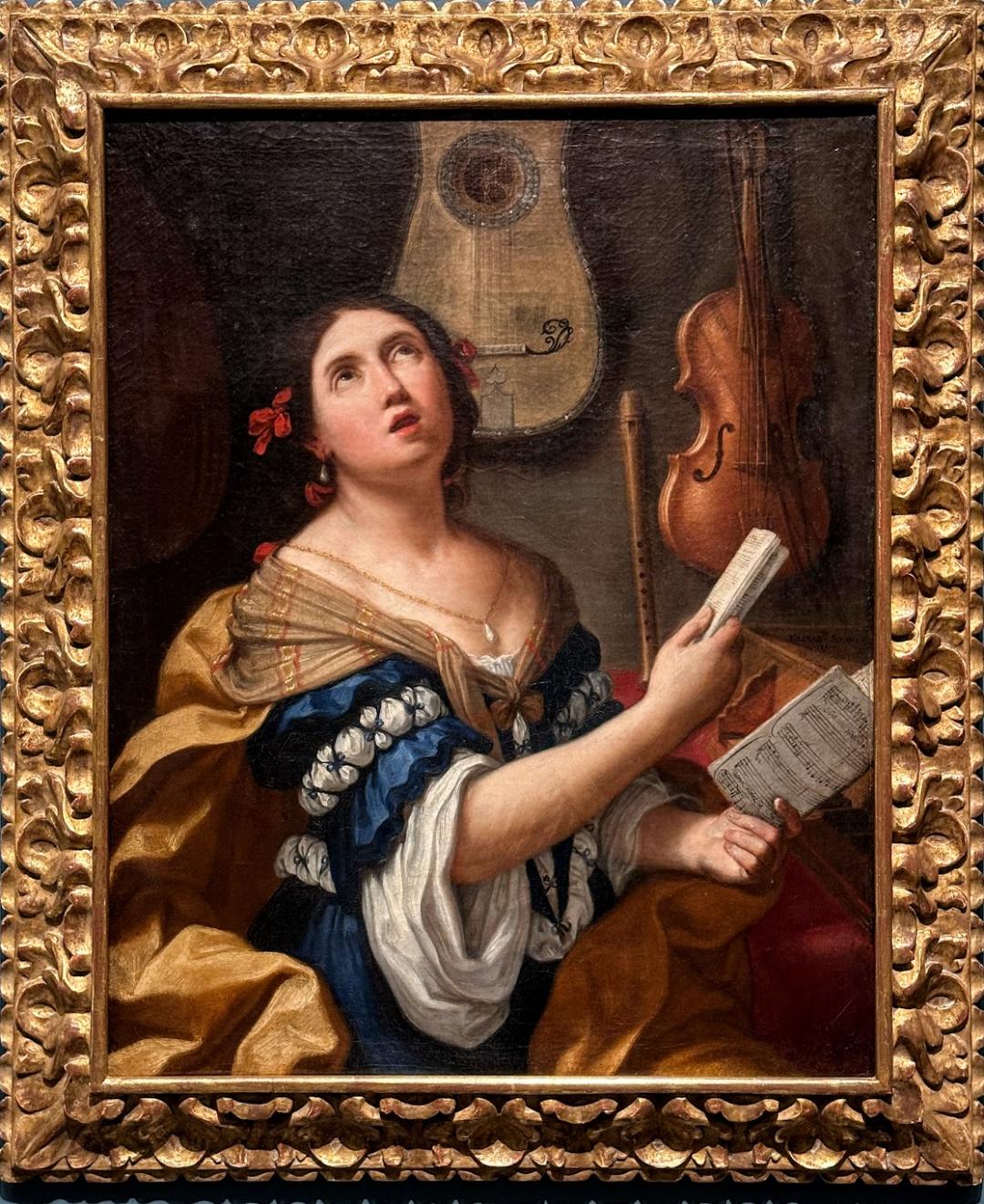
The Personification of Music

Resa – Rebecca, of all the paintings in the “Making Her Mark” exhibition, the Elisabetta Sirani allegorical painting title The Personification of Music was, and remains my favourite. Apparently she painted it in exchange for music lessons. I think she belongs in The Twenty-Seven Club, don’t you?
Rebecca – I did not know that Elisabetta Sirani exchanged her paintings for music lessons, but I am not surprised, given her proficiency as a musician in addition to her exceptional talent as a painter. This exchange speaks to her versatile creativity and passion for various art forms, further solidifying her legacy as a remarkably talented individual in the Baroque era. I agree – she belongs in The Twenty-Seven Club.

Resa – Admittedly I am smitten by this artist. I am also wild about that fact that you are here on this journey through these profiles in exceptionality. Mille GrazieRebecca!

Rebecca – Resa, your dedication to artistic endeavours and your profound belief in the power of creativity to enrich our world have truly inspired me. Thank you for including me on this extraordinary journey of self-discovery through Making Her Mark. I look forward to what comes next…
Mille grazie caro amico per averci invitato a unirci virtualmente alla tua Art Gallery of Ontario. Fino alla prossima volta.

You can also visit Rebecca by listening in on some of her fabulous Tea Toast and Trivia podcasts.

Click the above banner to view & link to Rebecca’s sources. not included in the body of text!

Photos taken by Resa © – May 14, 2024

Art Gallery of Ontario, Toronto, Canada

Making Her Mark – Self Portraits I

Welcome to the “Making Her Mark” Self Portraits Series! How better can we get to know some of the amazing female artists, from 1400 – 1800, than to introduce them through their own visions of self.
I have invited Rebecca Budd, curator of the online gallery – Chasing Art – to join me in unearthing more of the history of these artists.

Resa: Welcome Rebecca!

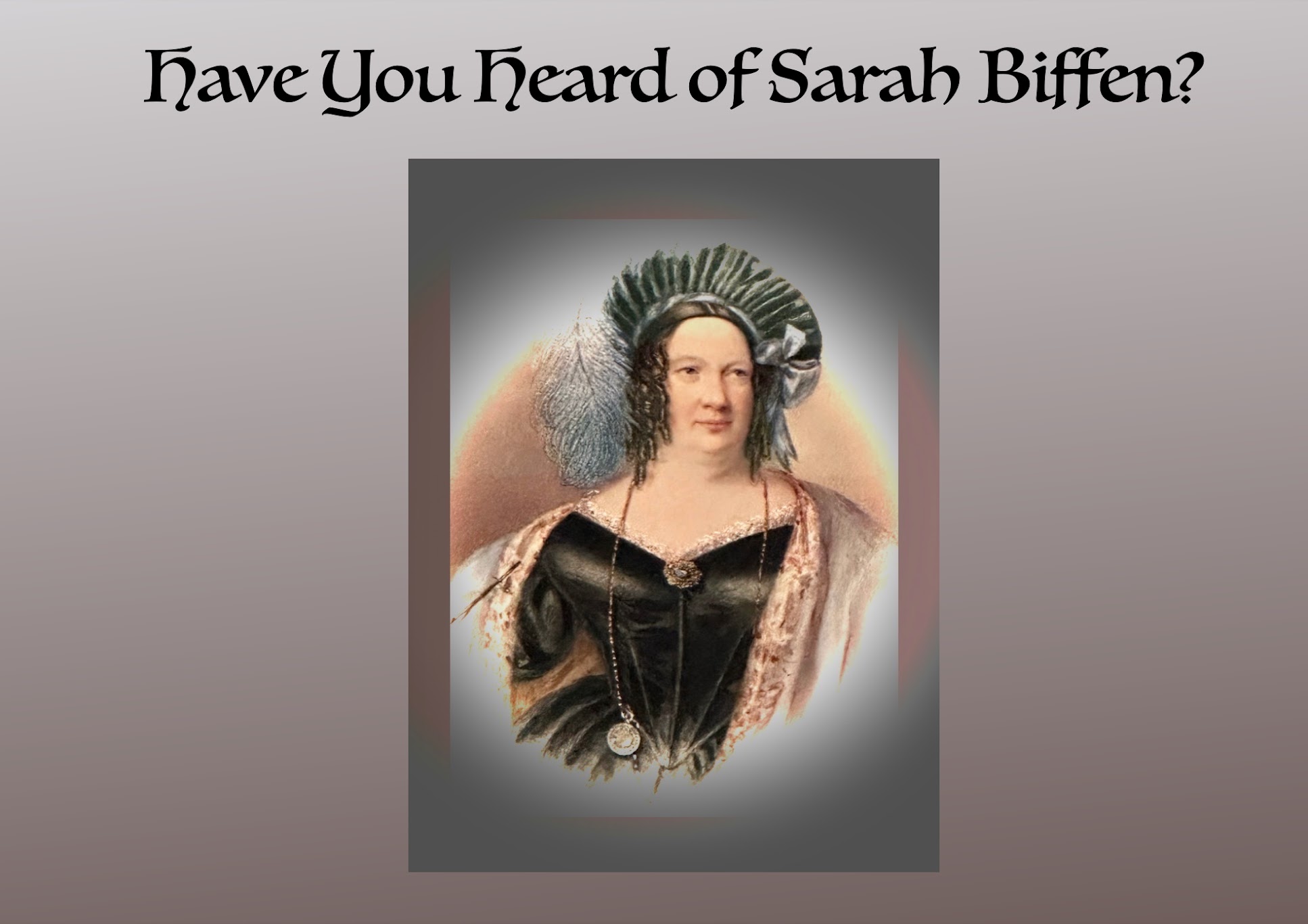
Rebecca: – Resa, I was thrilled to receive your invitation to participate in the Self Portraits segments of your “Making Her Mark” virtual event. What better way to begin this journey of discovery than with the artist, Sarah Biffin. I confess this was the first time I heard her name, which can be spelled either Sarah Biffin or Sarah Biffen.
Resa: So Rebecca, now that you’ve heard her name, I’m excited to hear what you have discovered.

The Remarkable Journey of Sarah Biffin

Born with a disability, Sarah Biffin’s remarkable journey from sideshow attraction to an artist patronized by royalty remained little known until recent years. Despite her initial challenges, her early talent blossomed into outstanding artistic ability, leading to recognition and patronage by the aristocracy. Her story serves as a true testament to the transformative power of opportunity and mentorship, showcasing the incredible potential that lies within each individual.

Born on October 25, 1784 in East Quantoxhead, Somerset, Sarah was the third of five children born to Henry Biffin, a farm labourer who later became a shoemaker, and Sarah Perkins. The baptism register noted that Sarah was born with a rare condition known as phocomelia, rendering her without arms or legs. At the age of 25, she was reported to be approximately 3 feet tall.

When she was 20, Sarah was exhibited as an attraction by a travelling showman at fairs throughout England. Even without formal training, crowds were impressed by how she used her mouth to sew, write and paint watercolours and portrait miniatures.

And then…. serendipity smiled and transformed Sarah’s destiny.

Sarah Biffin’s life was undeniably impacted by a twist of fate. It was at the St Bartholomew’s Fair of 1808 that George Douglas, 16th Earl of Morton (1761-1827) noticed her. This serendipitous encounter changed the trajectory of Sarah’s life in a profound and inspiring manner.

His sponsorship of Sarah Biffin, an artist born with a rare disability, enabled her to receive art lessons from renowned painter William Craig of the Royal Academy of Arts. Notably, George Douglas is remembered for his patronage of the arts and his support of individuals with exceptional talent.

As a result of the Earl of Morton’s support, Sarah’s artistic skills developed considerably. By the time she reached her 30s and 40s, she had become an extraordinarily talented artist, often considered to be as good as the best portrait miniaturists of her time. This period marked a significant ascent in her artistic prowess, solidifying her legacy as a remarkable and influential artist.

Patronage, Marriage & Legacy

Sarah’s exceptional artistic talent earned her prestigious commissions, including from the Royal Family, leading to her widespread popularity and acclaim. This royal patronage elevated her status and contributed to her flourishing career as an artist.

On September 6, 1824, Sarah entered into marriage with Stephen Wright in Kilton, Somerset. Despite the eventual end of the marriage, Sarah continued to exhibit under her married name in the years that followed.

Sarah’s influence extended beyond the realm of art, as she was prominently featured in the works of renowned author Charles Dickens. Dickens referenced her in several literary works, including “Nicholas Nickleby,” “Martin Chuzzlewit,” “Little Dorrit,” and “A Plated Article,” underscoring her cultural significance and enduring legacy.

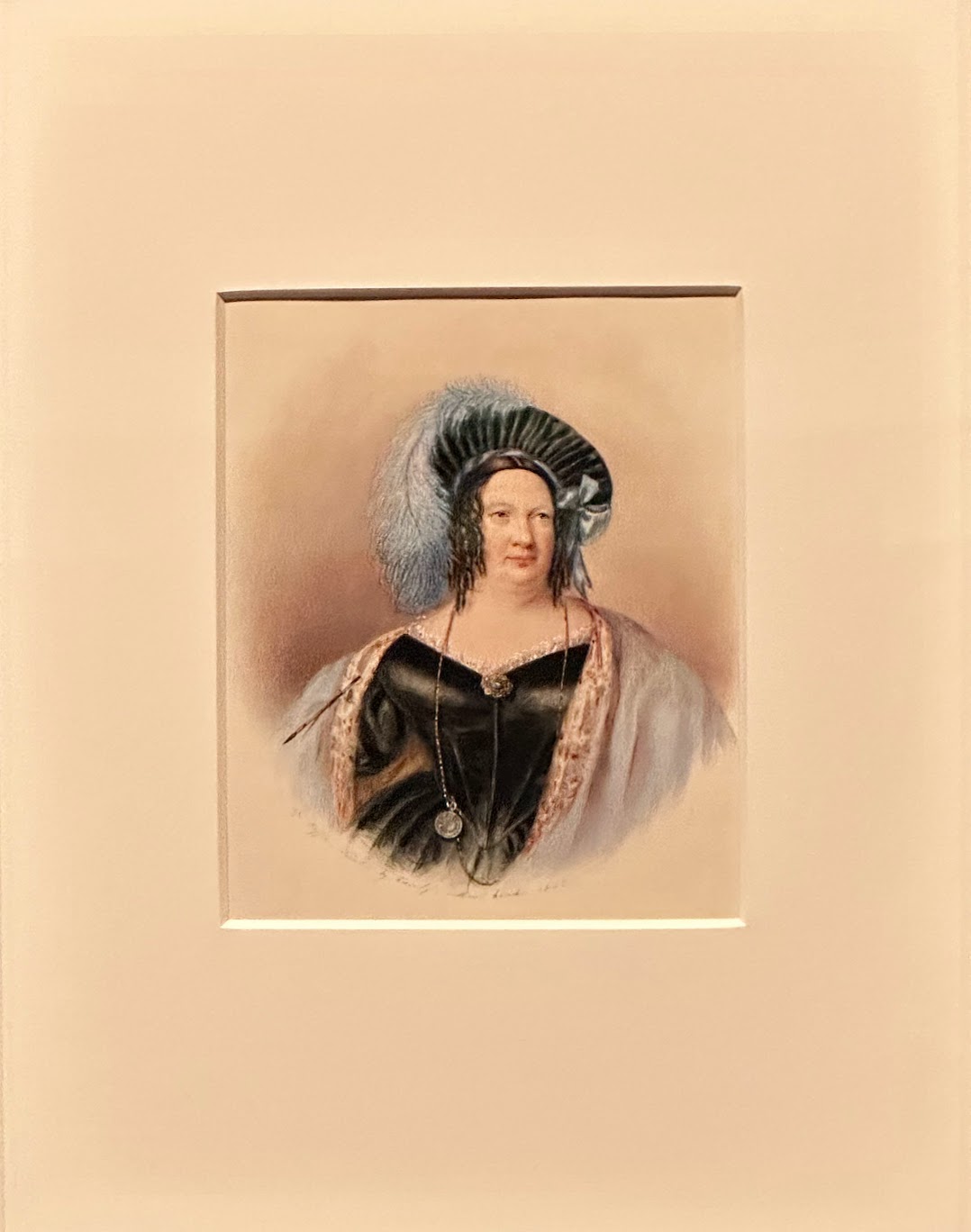
Sarah’s Last Self-Portrait

ResaRebecca, what an honour it is to have seen this portrait in real life. I took one close up within the glass free board frame, and one how it was on the wall. It’s a real treat to not have to look through glass. I hope my photography does it justice.

Rebecca – Your photos allowed me to step through the screen and join you virtually at the AGO.  It was as if I were viewing the paintings in person. 

Resa – Rebecca, I am so happy you are here! Thank you for joining me!

Rebecca – Thank you, Resa, for the invitation to join you on this profound “art” journey. I am thrilled to be sharing “Making Her Mark” with you.  Thank you for your extraordinary vision of creativity within our complex, evolving world. You have redefined the art world through your unparalleled leadership, emphasizing compassion and hope as guiding principles. Your profound understanding of art’s transformative power has inspired me and countless individuals, fostering a deeper appreciation for the inherent beauty and significance of artistic expression.
Resa – Thank you, Rebecca! Graciously and humbly.

I hope you all enjoyed this close up feature on Sarah Biffen. A million thank you’s to Rebecca Budd for joining me, with her fabulous research, in this Self Portraits series. Rebecca and I will be back with further instalments highlighting other women who made her mark with art.

Click on the banner above to view some of the site links Rebecca found and used for her research. The Artnet link reveals many of Sarah’s works. Unfortunately none are for sale

Visit Rebecca at CHASING ART! Here you will also find links to her other blogs and Podcast Tea, Toast and Trivia

Photos of Sarah Biffen’s self portrait taken by Resa – May 14, 2024

Art Gallery of Ontario, Toronto, Canada

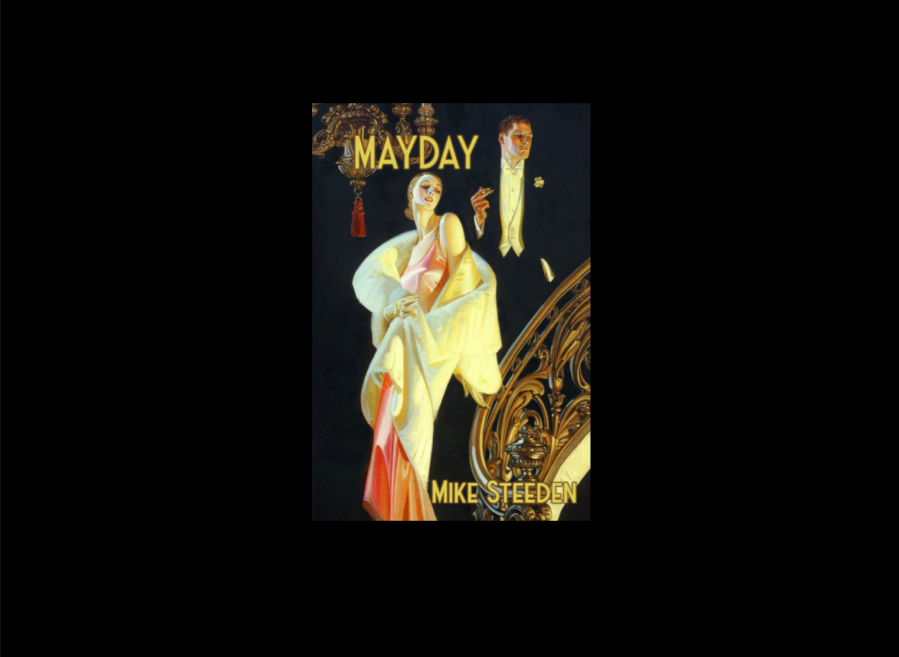
MAYDAY – by Mike Steeden

Genre: SciFi-Horror-Adventure-Adult-Romance-Fantasy

There is no way to pigeon hole Mike Steeden’s writing, both in style and genre. Then again, my reviews are unorthodox. So, let me get on with it!

THE SCI-FI

Mayday was not born, she was made by a male professor/scientist. Her body is perfection, her blonde hair is to her waist. She is an adult without a childhood. She will never age. Her cerebral prowess is unfathomable, and grows during the course of the story. She can heal the ill, feed the hungry, make people forget or make them remember something different. That’s just the tip of it.

 Her name means “help me”, but no one can; at least not for long, and not in the end.

THE HORROR

As knowledge of Mayday spreads throughout the world, there are 2 elemental societies that desire her. One is the religious fanatics that want to torture then crucify, or burn her at the stake. The other is the Nazis, who would use her to their advantage in securing the Master Race.

THE ADVENTURE

Rescued from prison, her safe keeping falls into the hands of a wealthy French man, Andrei Voland. It was just pre WWII and Andrei Voland, with a home in Paris and one in Lille, could afford all of the trappings, conveniences and more.

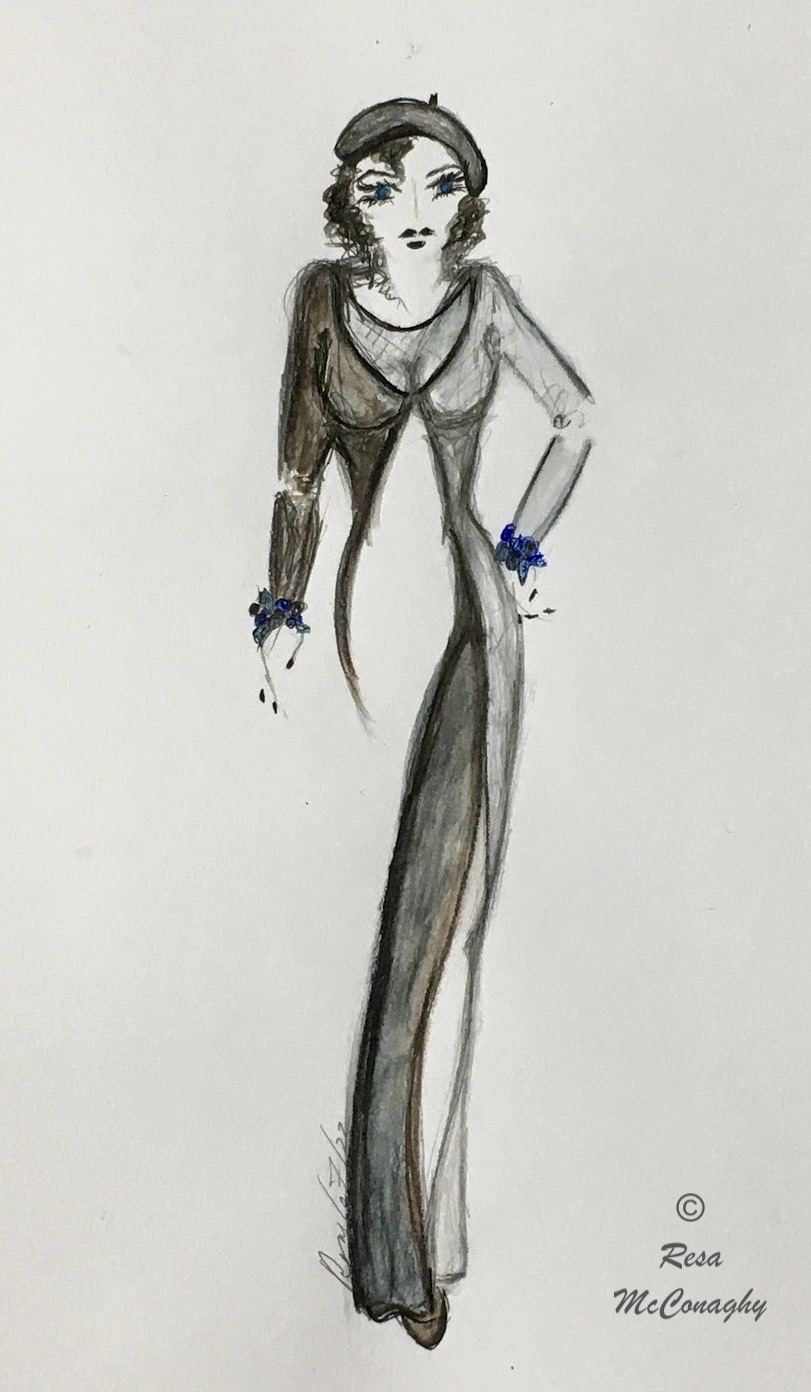
Andrei Voland hires Edith to give Mayday a makeover. Her hair is cut short, dyed black and Marcel waved. Make-up is a wise addition, as Mayday has been au naturel for her entire existence. Although Edith chooses smart fashions of the day, Mayday has her own take on the new her. She is given the name Nadele for public ventures.

Disguises & alter egos are Mayday’s reality.

For her part, Edith’s life is now in danger. Mayday, Edith and Andrei Voland move to his Lille home to hide.

Good friends, Eloise & Thunderman are let into the Mayday secret. Eloise joins them, living in the home in Lille. Thunderman, a large man, becomes security.  They start “Looking Glass Vacations”, as a lucrative cover.

THE ADULT

Just for fun, Mayday takes Edith, Eloise and Andrei Voland mentally into a harem, for a taste of that life. Although only gone moments, the 4 experience hours of harem life. Mayday accidentally brings back a black slave. They name her Princess, and she joins the household.

When Andrei Voland and Mayday return from an investigative trip to the Vatican, Thunderman is dead at the Nazi’s hands. Princess has been kidnapped.

After rescuing Princess, Juliette and Esme are hired to help with the agency. Now Andrei Voland has 6 women & his brother Henri, security replacing Thunderman, living with him. As with the harem experience, there is nothing obscene; however the story is quite suggestive of a sexually free bohemian lifestyle. This bohemian lifestyle prevails throughout the story.

THE ROMANCE

Love and romance evolves and flourishes in Lille, France. Mayday, Edith, Eloise, Princess, Juliette, Esme, Henri and Andrei Voland live under the radar of the religious fanatics and Nazis. During this time life is wonderful. Until the Nazis near Paris!

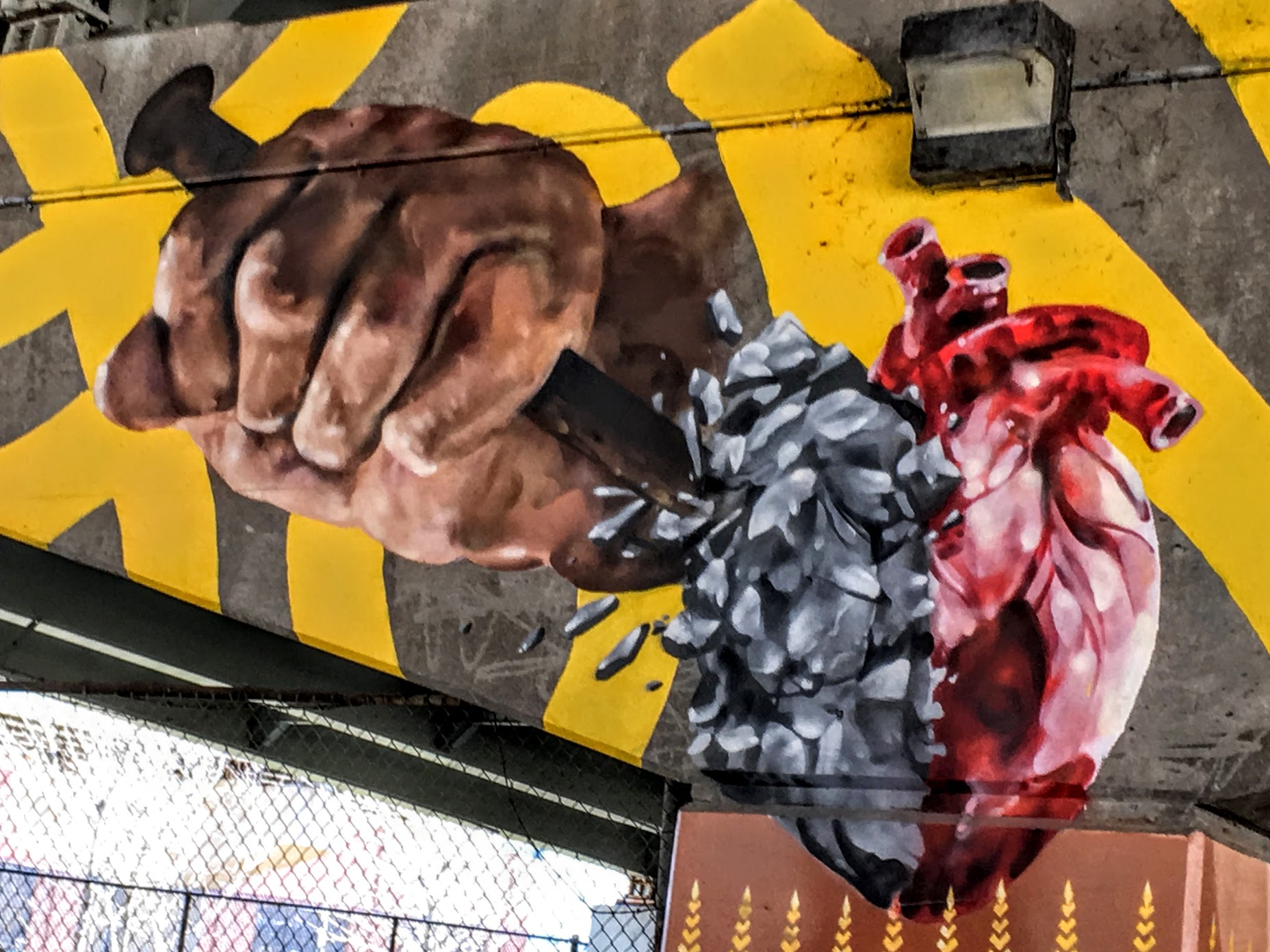
It’s at this point  that Juliette & Esme must flee, as they are not to the Nazi’s liking and will surely end up in a camp. When Mayday must leave to protect herself and others, Andrei Voland’s heart is shattered.

THE FANTASY

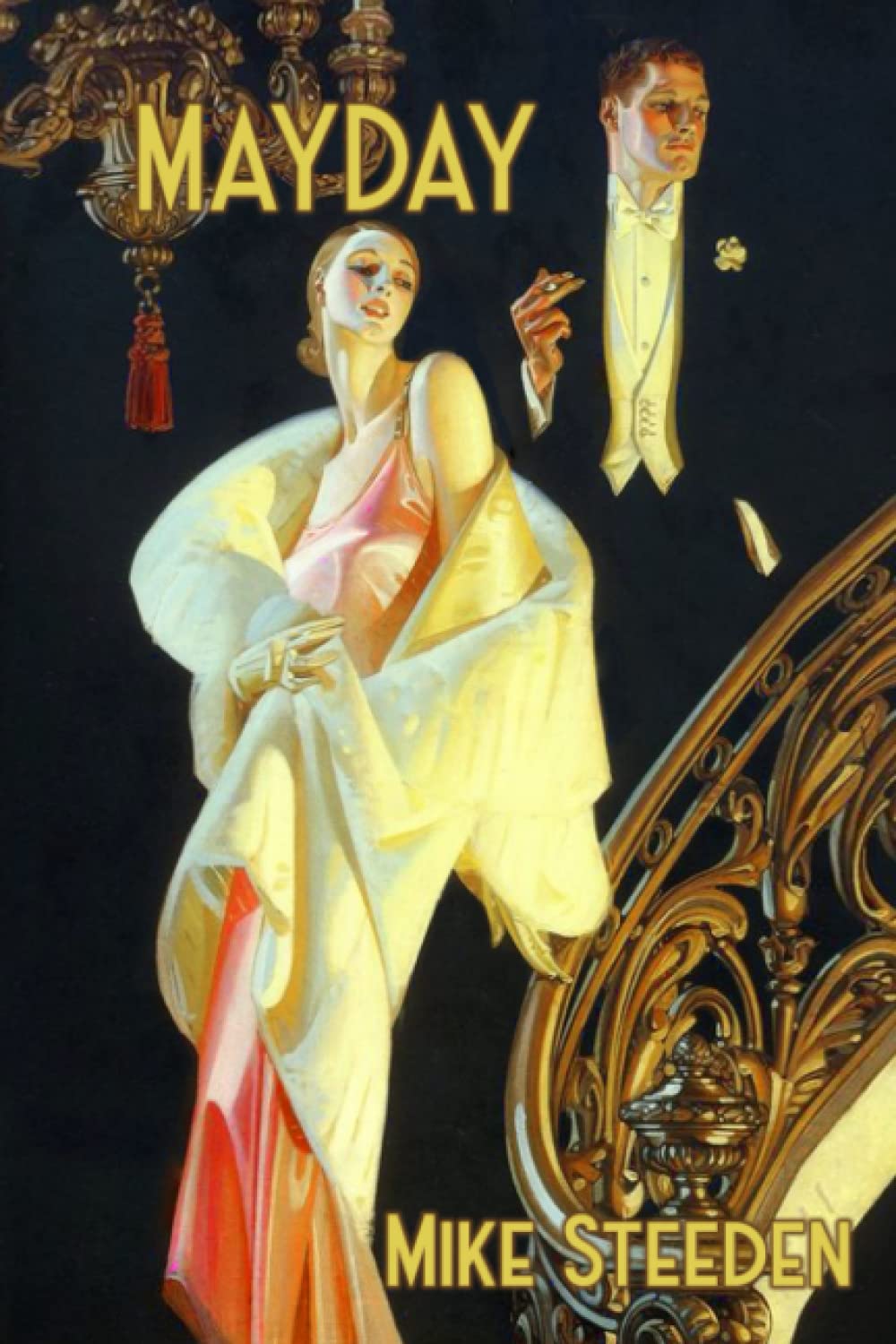
The ending of this tale is different from anything I’ve ever read. To see how this image applies, you’ll have to read the book.

To buy Mayday, or any of Mike Steeden’s books click on the book cover and go to Mike’s Amazon page.

The Author – in his own words – An aging old fool devoid of common sense and incapable of changing a light bulb. A ‘lefty’ at heart; an atheist by nature; I have no desire to be taken seriously!

The Author – in my words – Mike Steeden is a published prolific writer based in the UK. His mind is like the USS Enterprise in the sense that he goes where no man has gone before.