
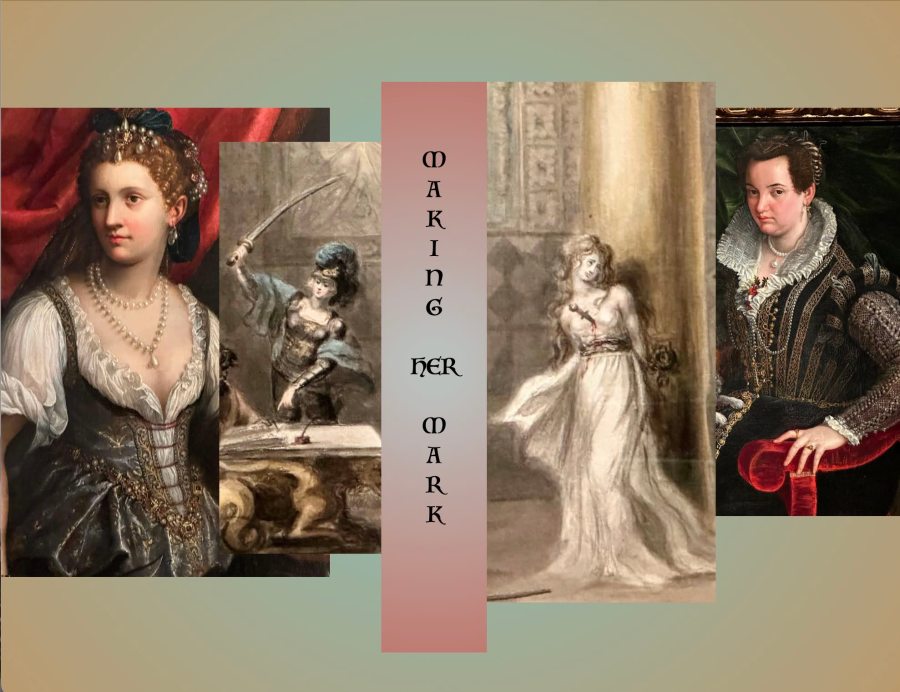
Lady Diana Beauclerk
British (1735 – 1808)
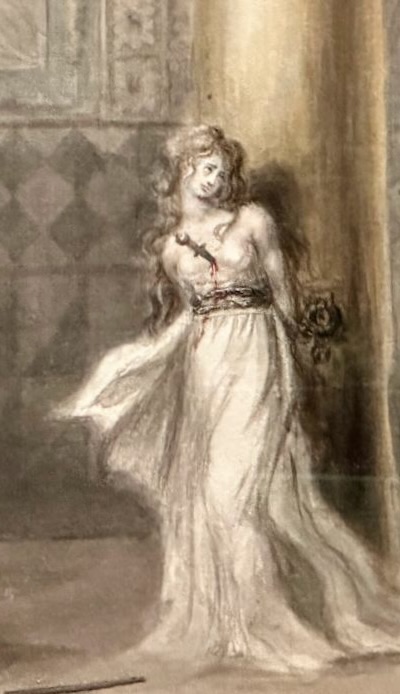
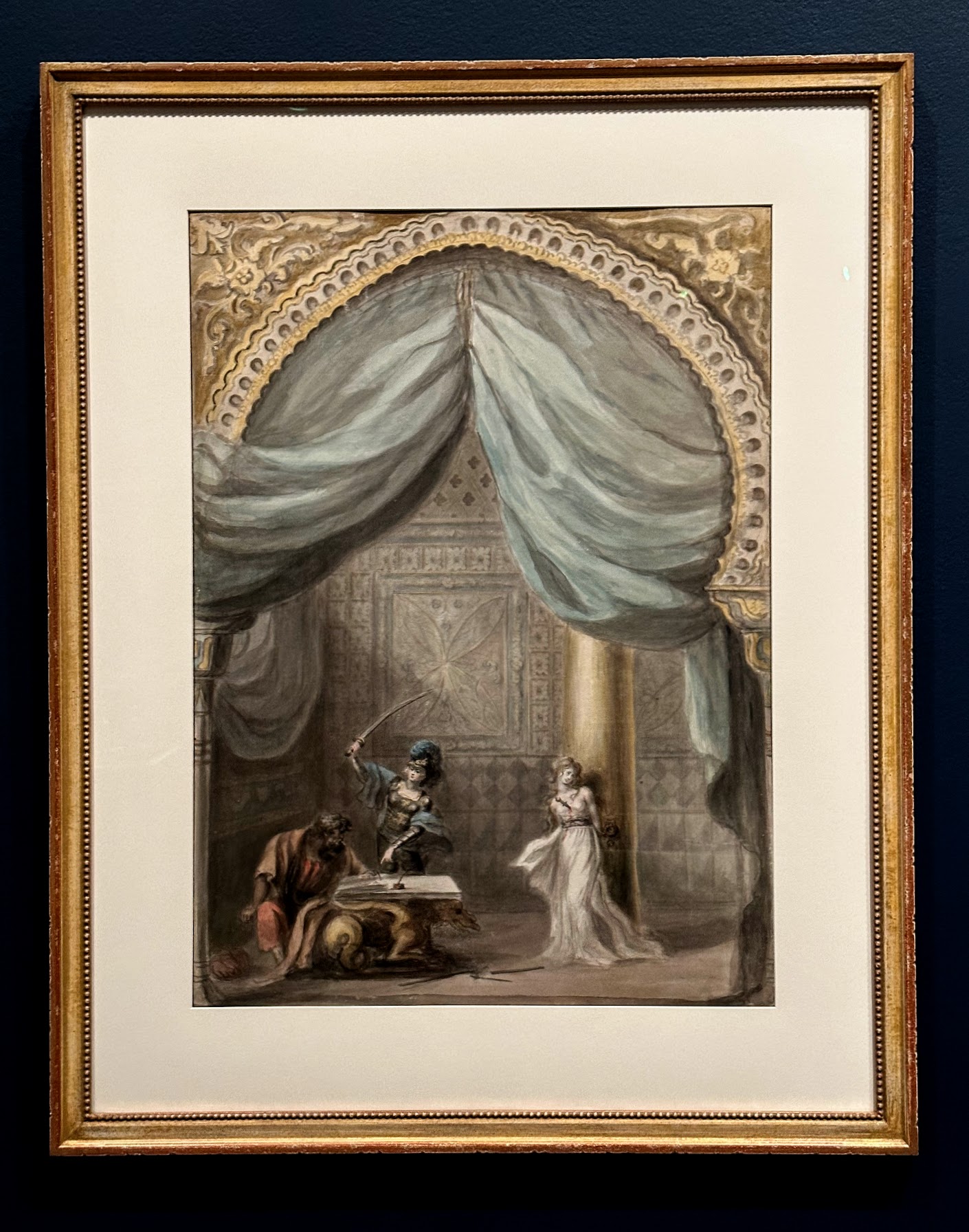
This watercolour is an illustration for Canto XII, verses 30-33, from The Fairie Queen: written by Edmund Spencer.
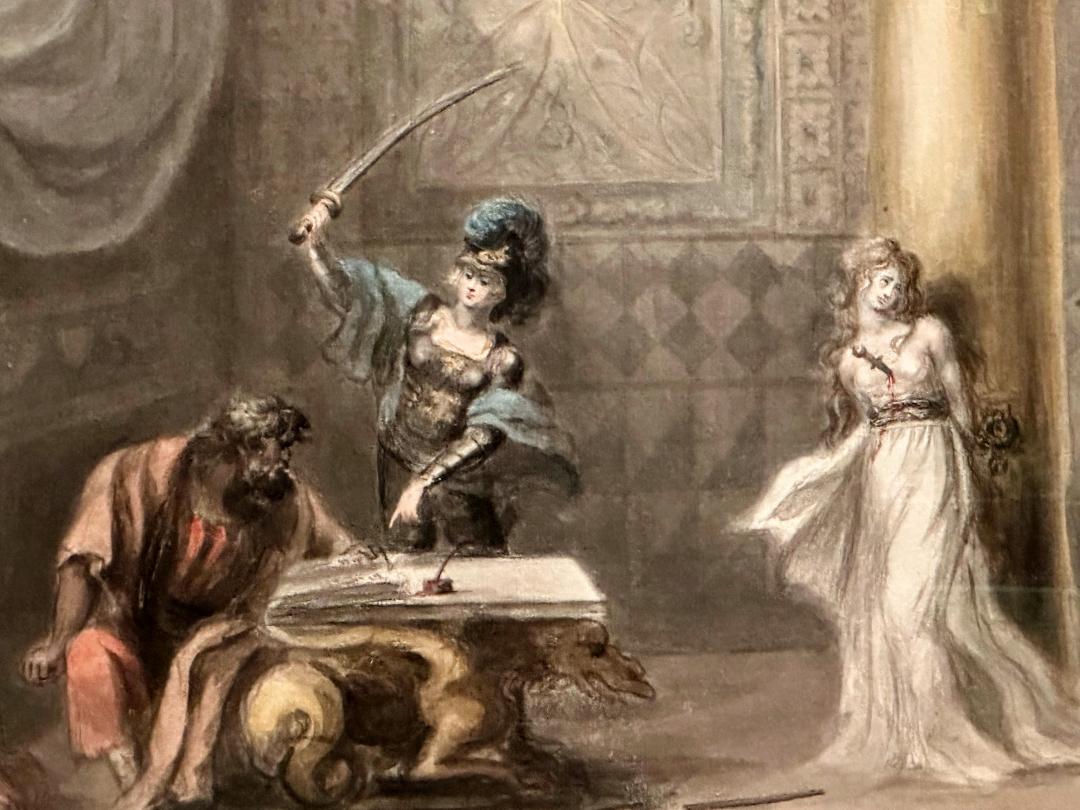
Diana Beauclerk was the daughter of the 3rd Duke of Marlborough and Lady Diana Spencer (Lady-in-Waiting to Queen Charlotte, 1761)
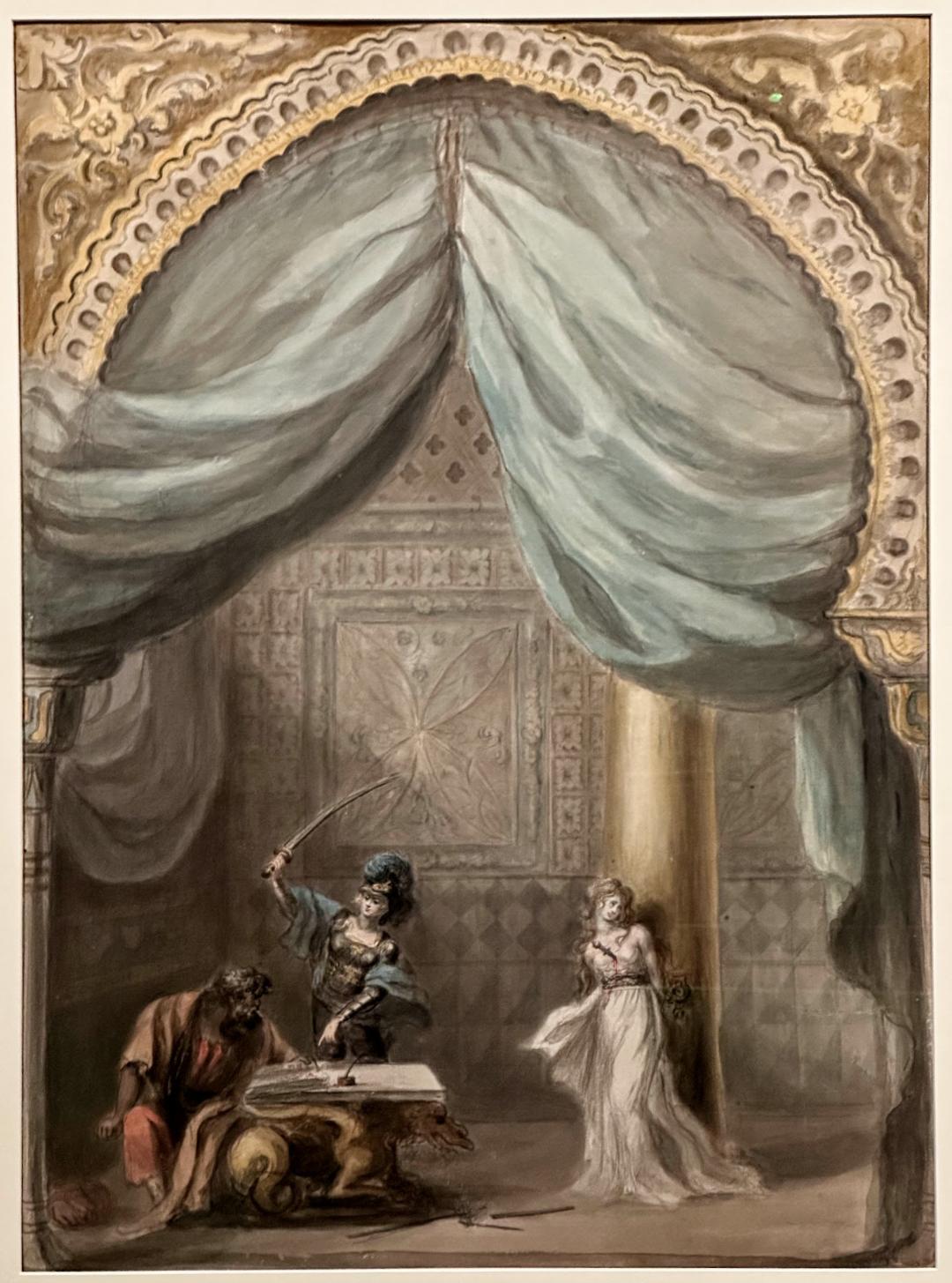
A scandalous figure, she left her husband.
She then had a clandestine affair with Topham Beauclerk, had an illegitimate child, divorced and remarried. Diana wound up having to earn a living with her artistic abilities.
An amateur artist, she was touted as painting in crayons. She worked as an illustrator, did admirable caricatures and created ceramic designs; notably for Wedgewood.
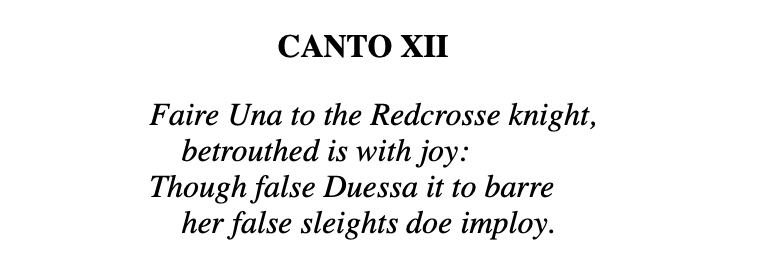
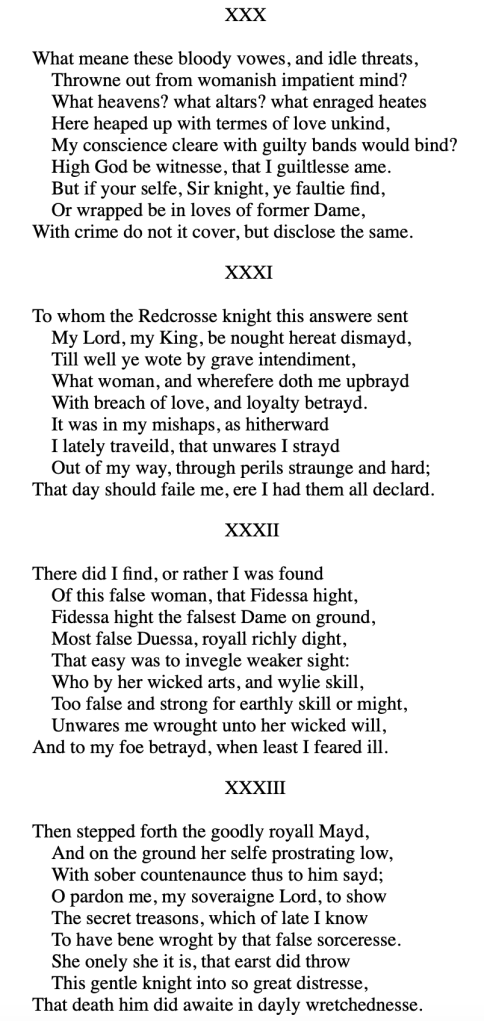
Click on poetry to read it more clearly.
The Fairie Queen is available to download for free from the Project Gutenburg.
Fede Galiza
Italian – (1578 – 1630)
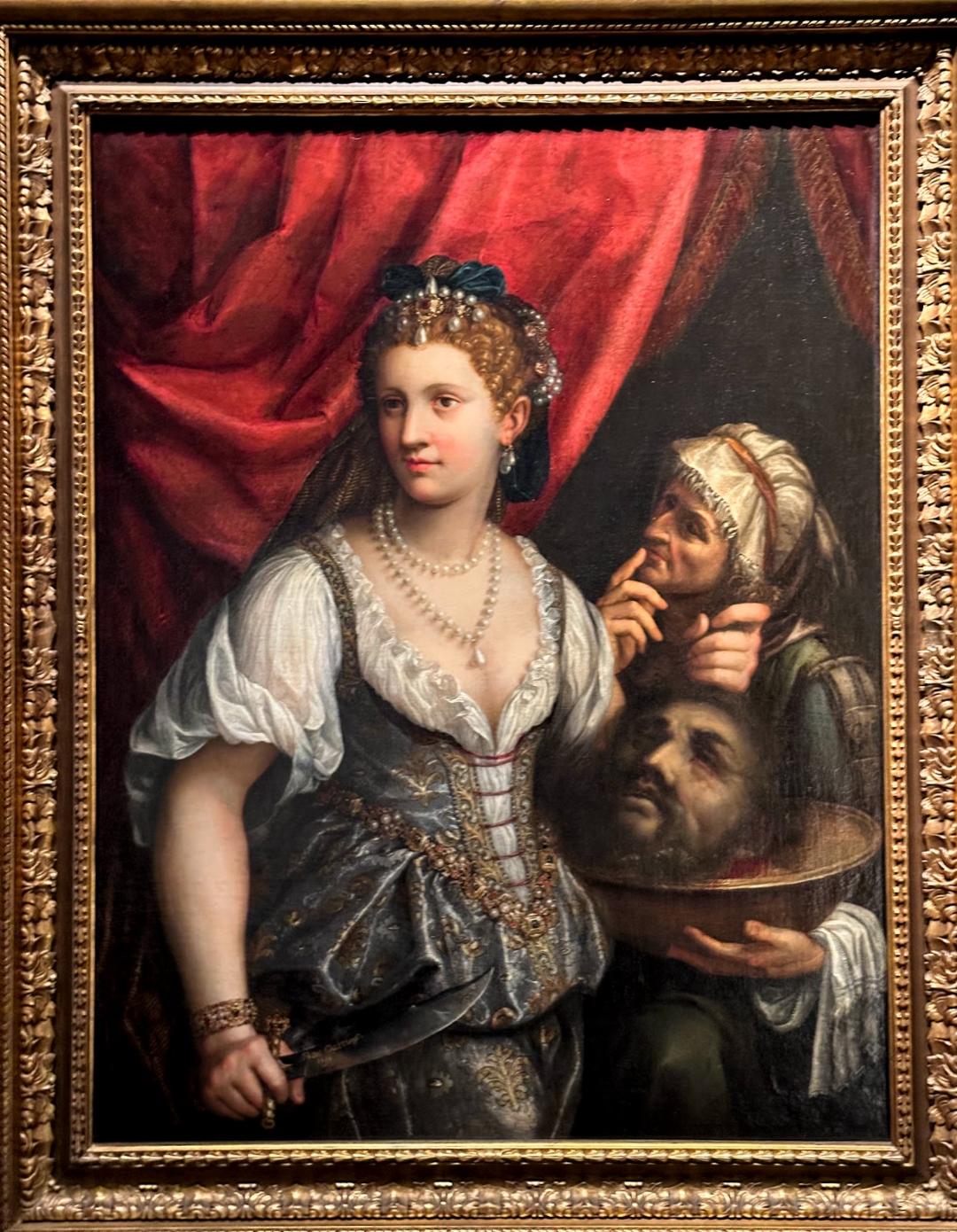
Fede’s father, Nunzio Galizia was a miniature portraitist who taught his daughter. By the age of 12 she was an accomplished artist.
Although she gained prominence in her lifetime, she did not acquire commissions, as her male counterparts did. Largely forgotten, she was rediscovered in the early 20th century.
In her lifetime, Galizia painted at least forty-four still lifes, some of which have been sold for millions. These represent about two thirds of her work. She is credited with having helped define early 17th century still life painting
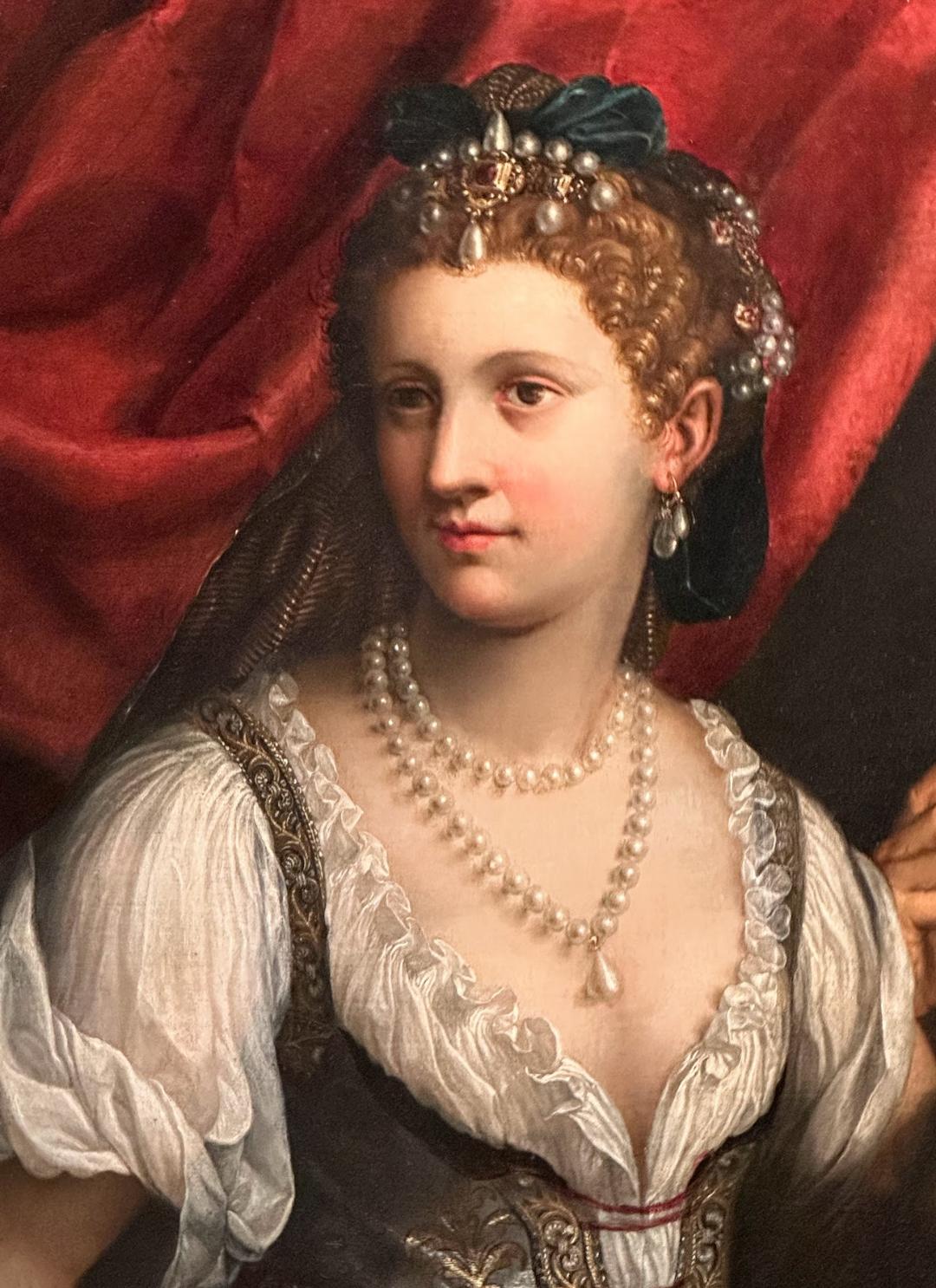
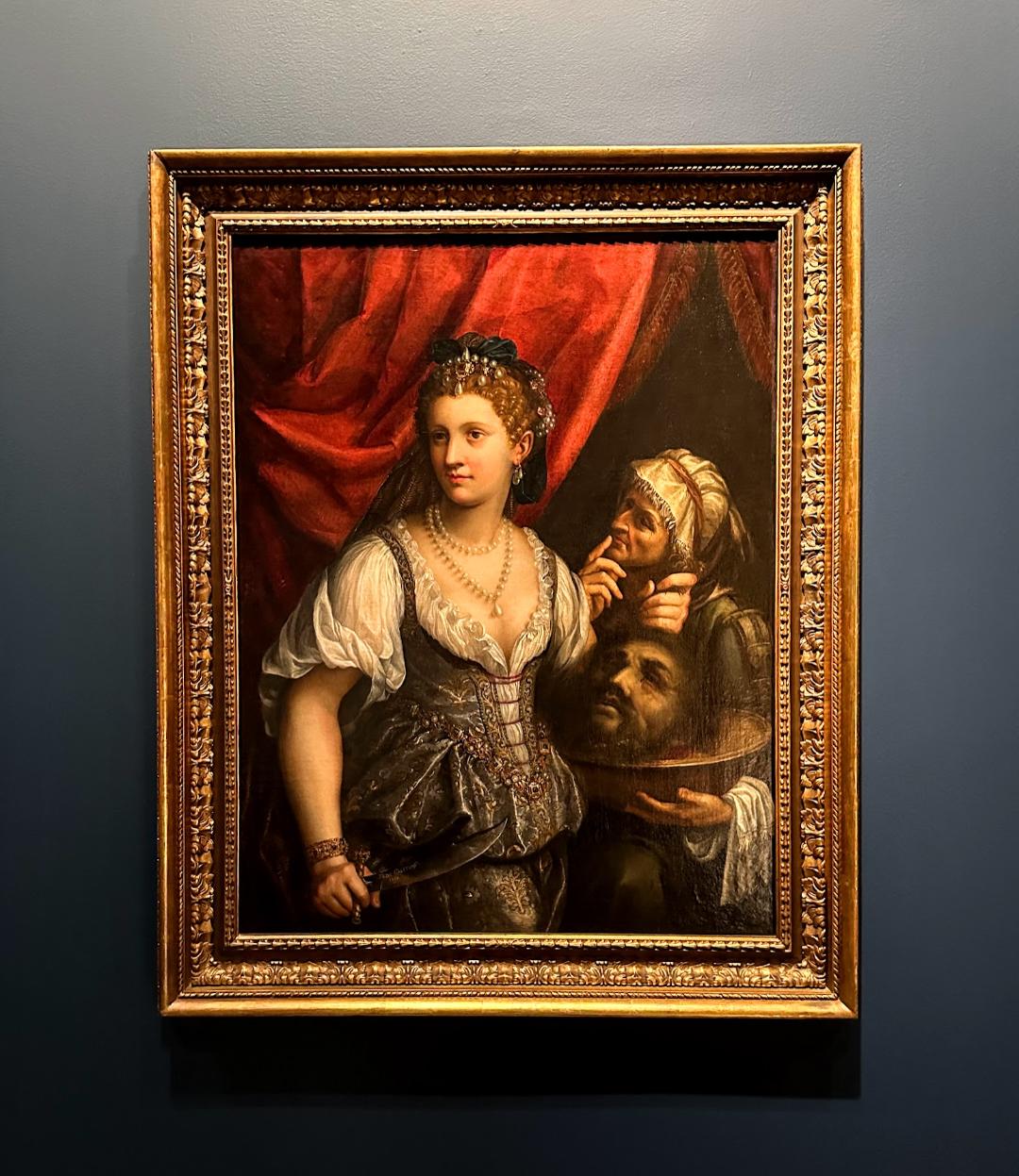
The biblical tale of Judith is possibly the most feminist in art history.
A beautiful Jewish widow, she went with her faithful maid to the Assyrian enemy general Holofernes tent, and seduced him.
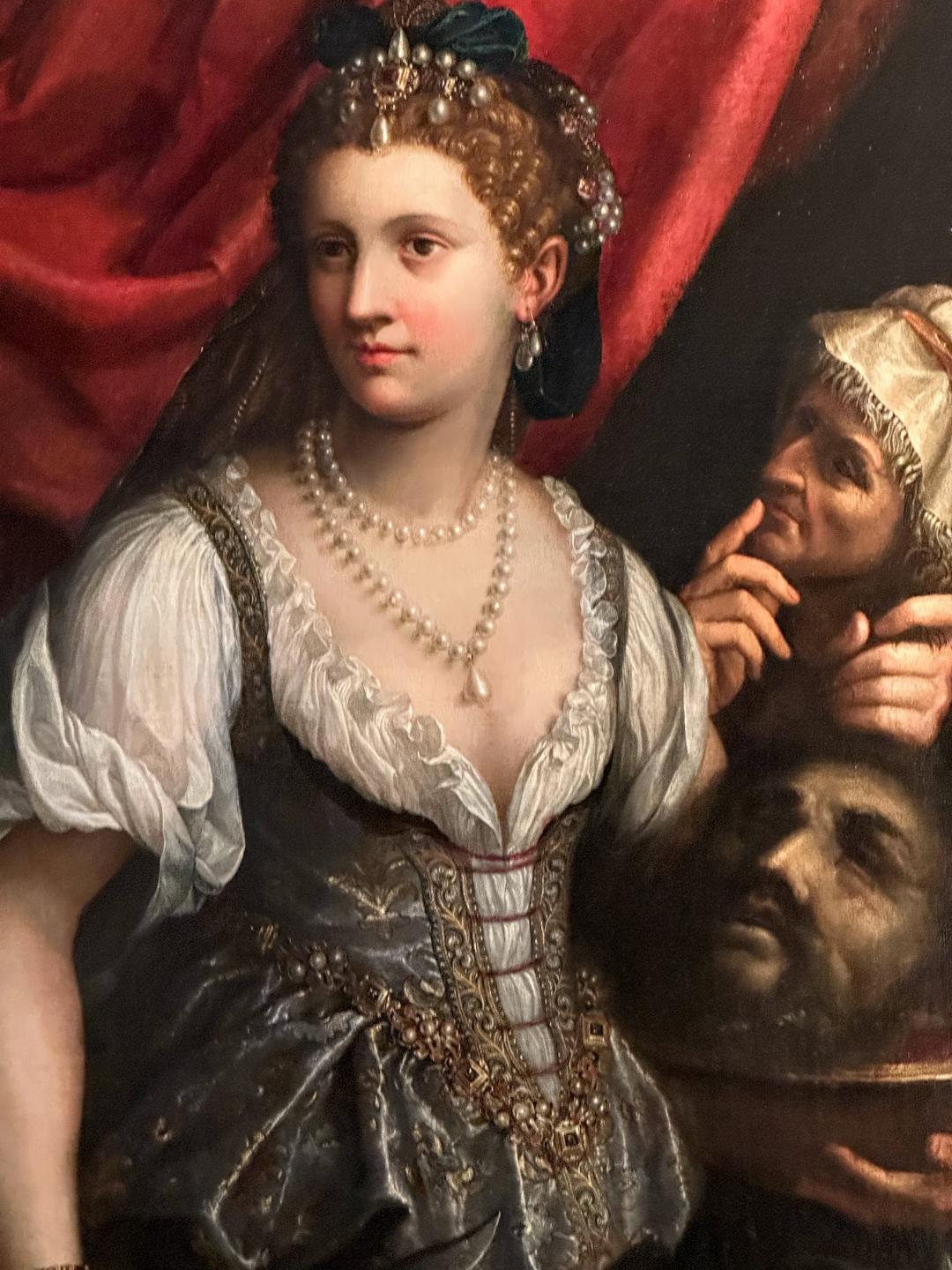
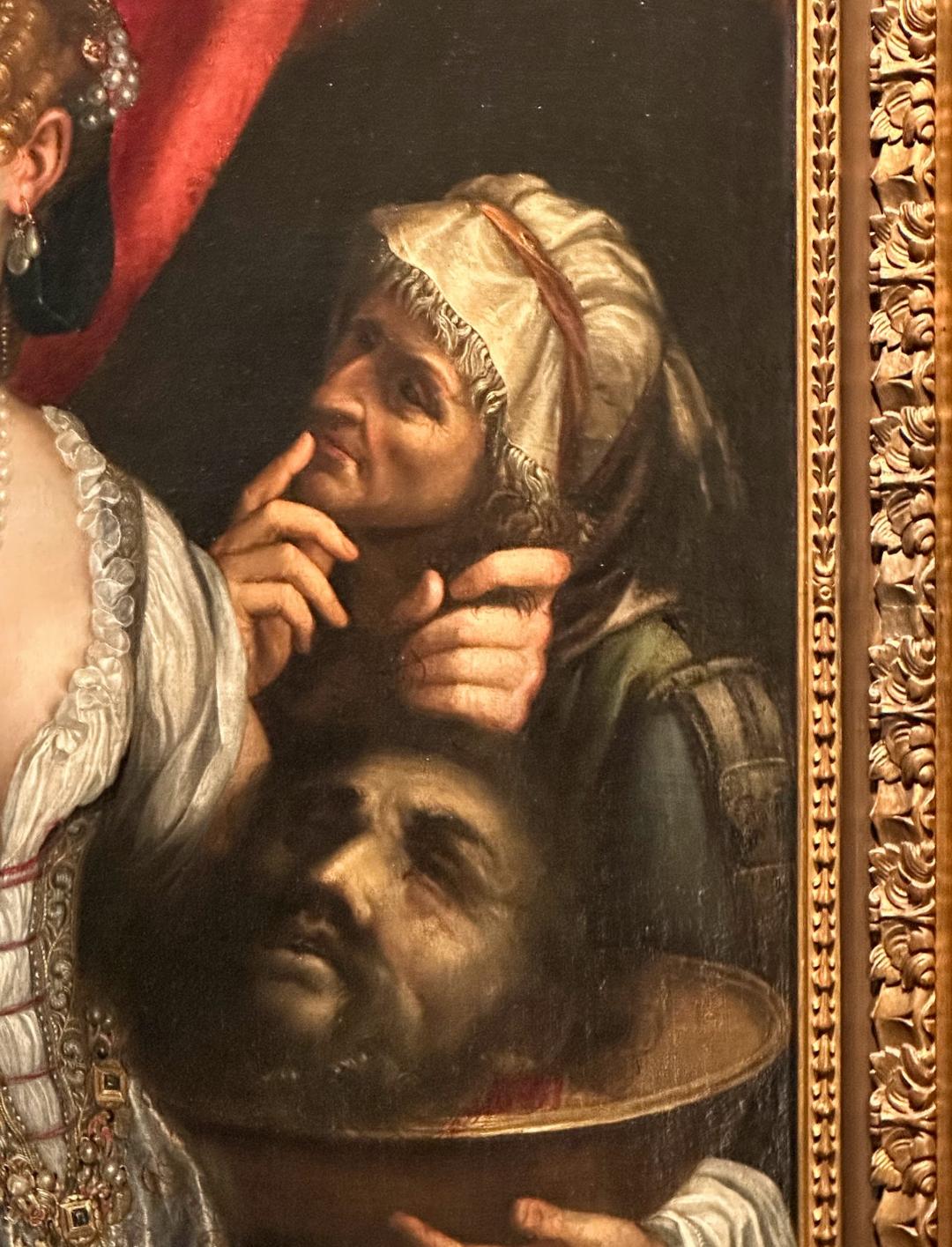
This gained his trust, and she was allowed into his tent freely, thereafter.
One night as he slept drunkenly, Judith decapitated him. She brought his head back to her timorous countrymen.
“Fede Galizia portrayed a calm, bejewelled Judith, with immaculate clothes and accessories at odds with the violence of her act.”
Lavinia Fontana
Italian – (1552 – 1614)
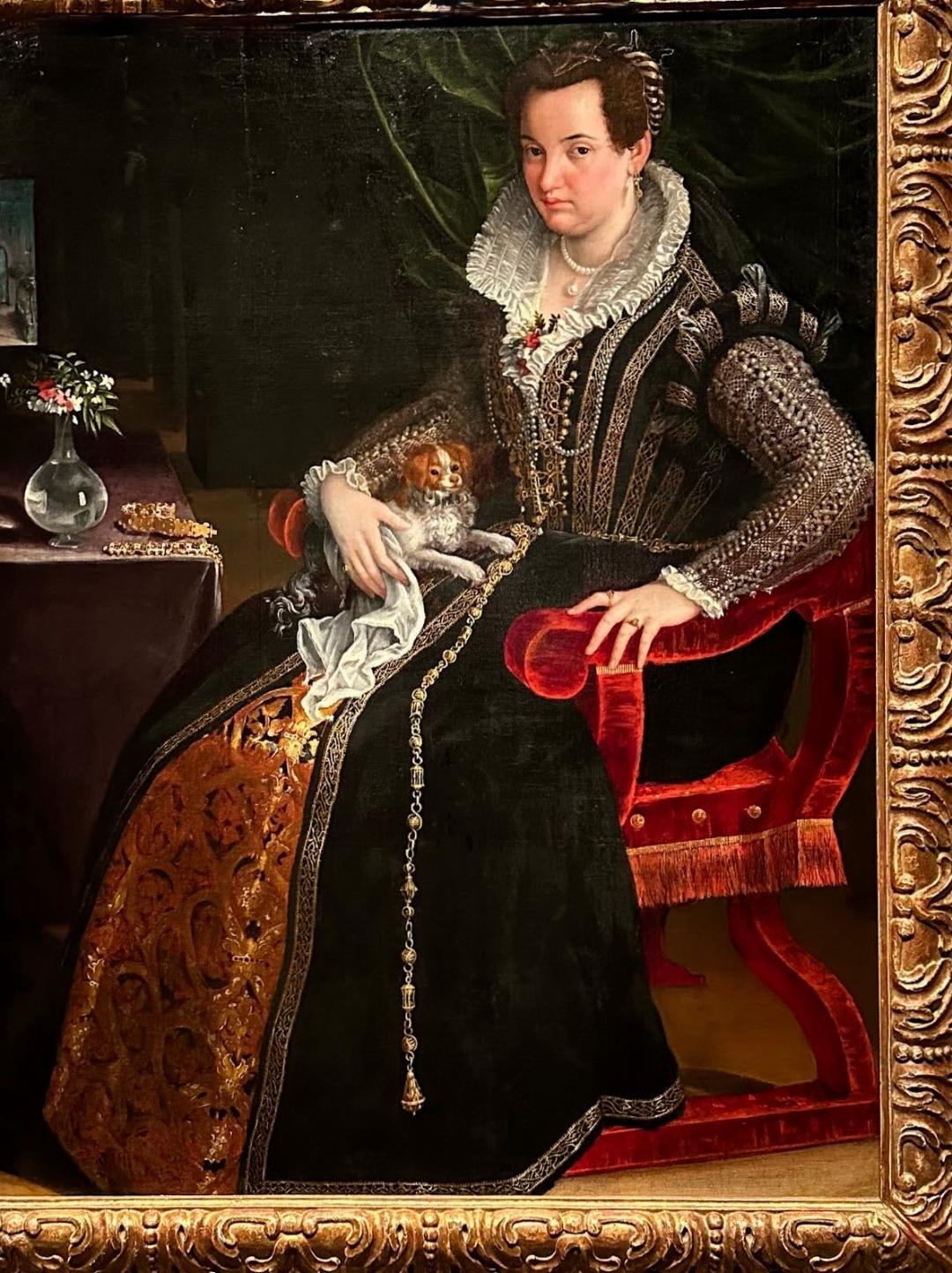
“Like many Renaissance artists, Lavinia Fontana used symbolism to convey messages in her paintings.”
In this painting, the noblewoman’s lap dog (an accessory must of the times) represents her faithfulness.
The juniper blossoms peeking from her neckline represent chasteness.
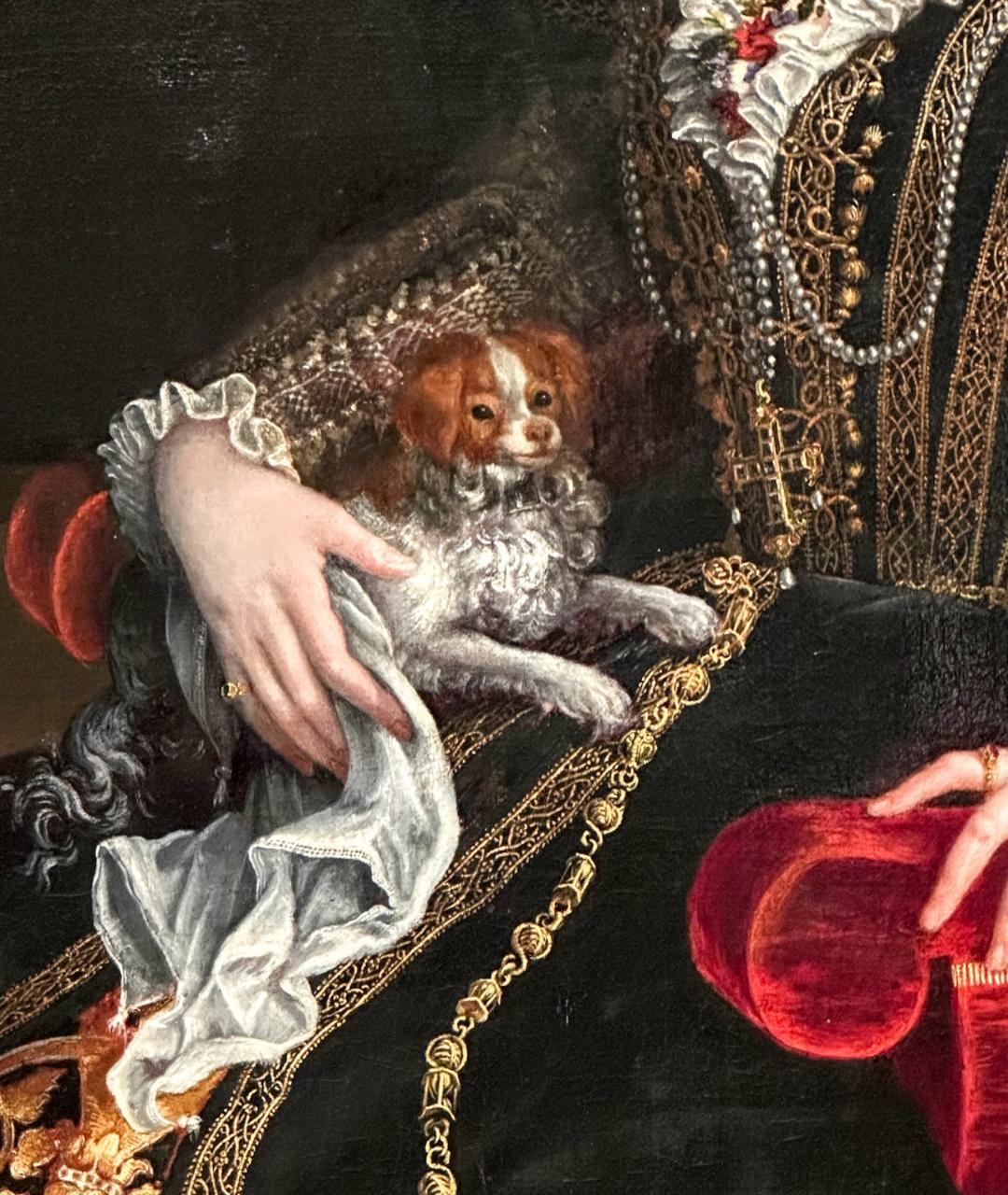
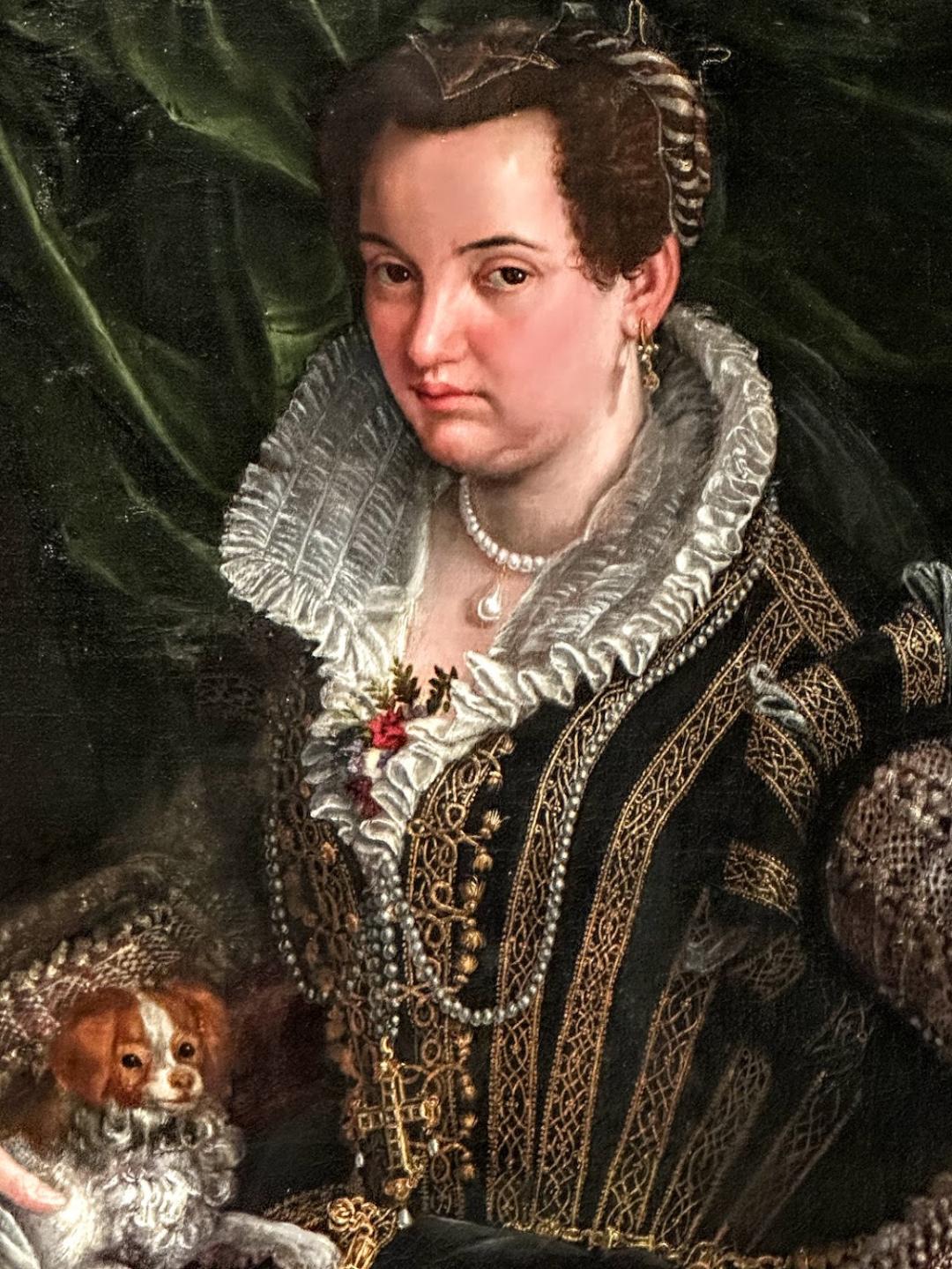
“Fontana also highlighted her sitter’s status through luxurious clothing and accessories.”
Note the pearl necklace, gold embroidered dress and fabulous lace details!
She was a celebrity, who documented not just fashion of the era, but also fashion accessories.
“Alidosi was one of many Bolognese elites who commissioned their portraits from Fontana”.
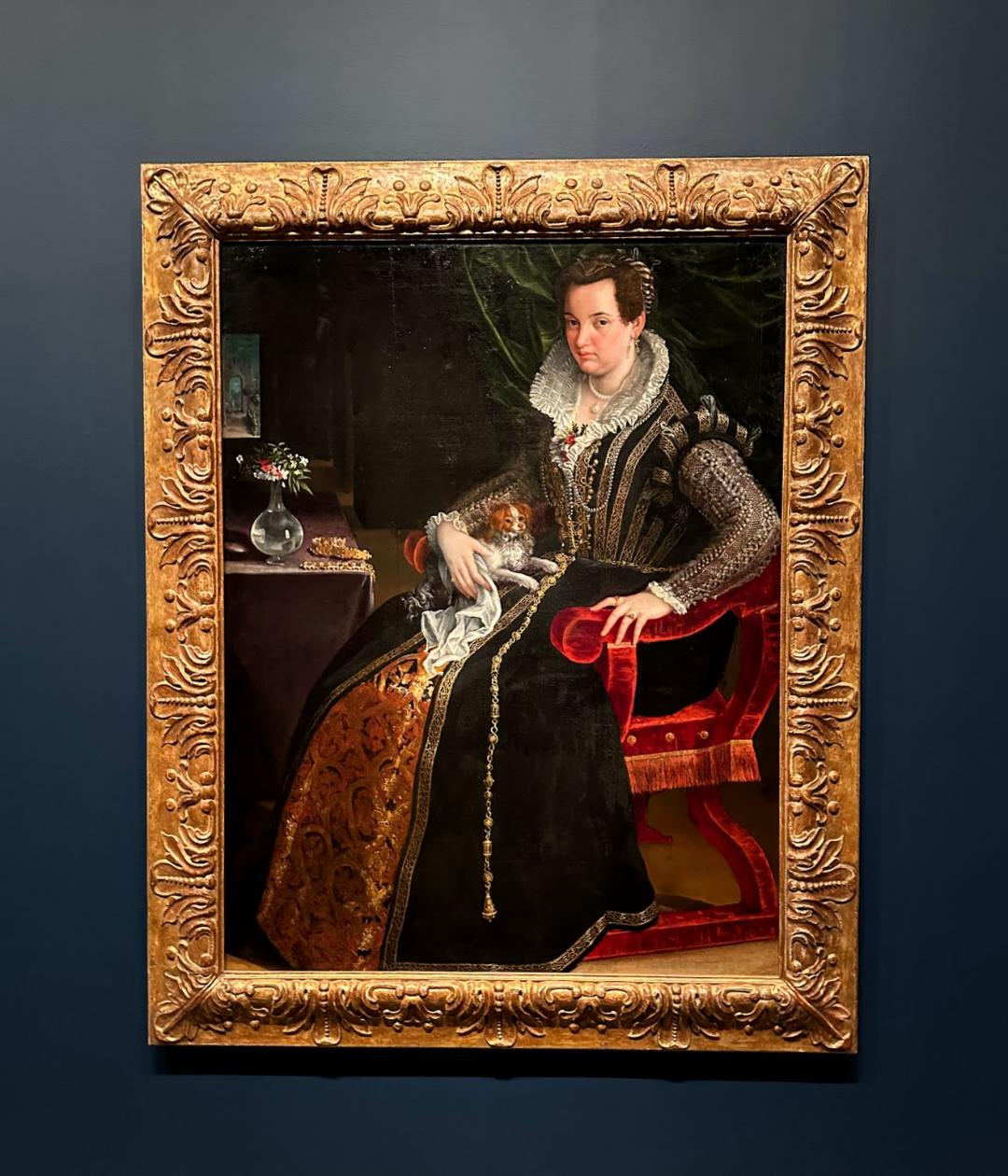
Lavinia Fontana was one of the most successful female artists in Bologna, Italy. Fontana left the largest body of existing art by any woman, who was painting prior to the 1700’s. Although much of her work is recorded but lost, about 150 works remain.
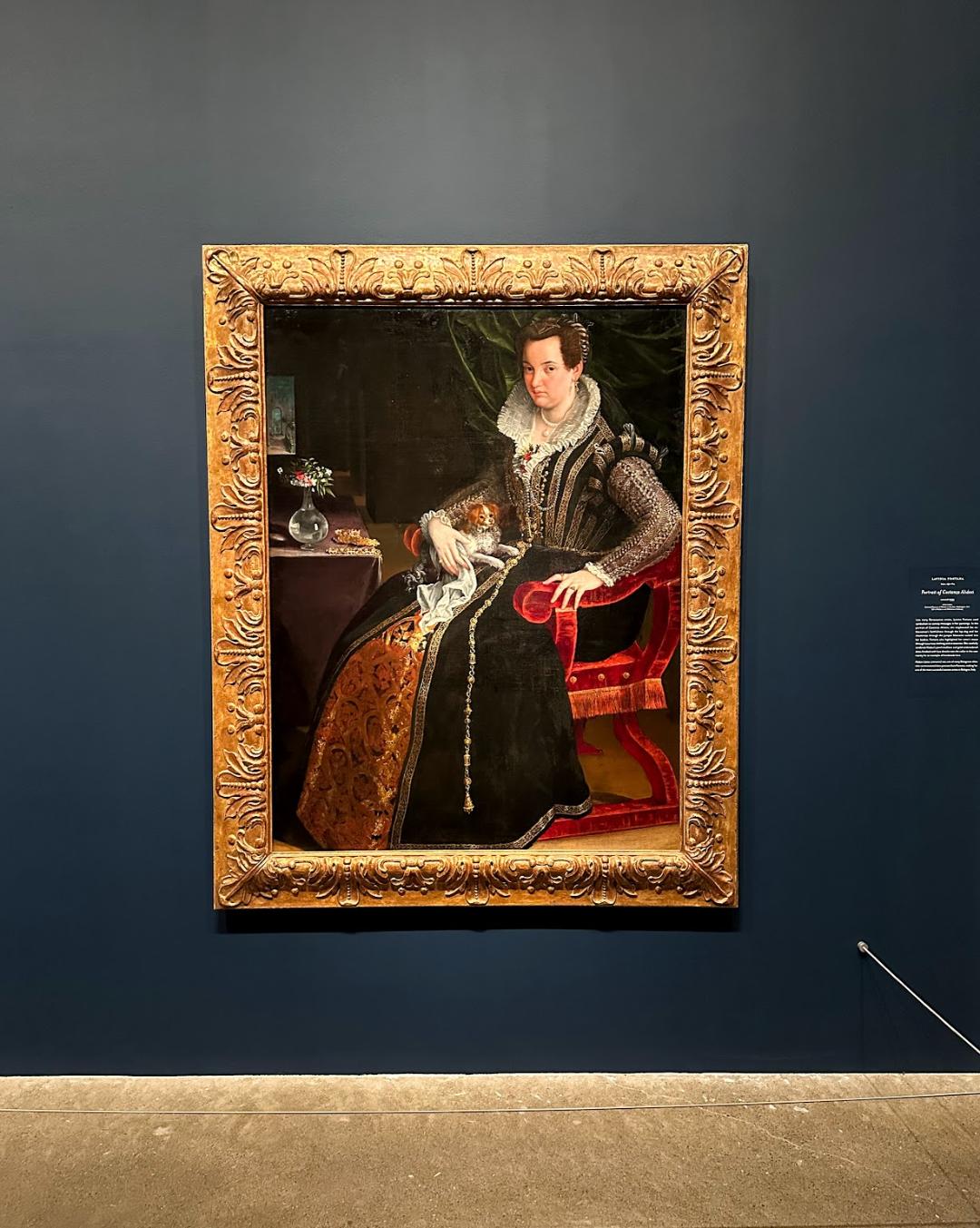
This is a lovely large painting.
As one can see, it sits about 18″ from the floor, and rises high above the information placquard, which is at low eye level.
Lavinia Fontana, was recently covered in an earlier post of Making her Mark. To learn more about her, please head over to the following:
Photos taken by ©️ Resa McConaghy – May 24, 2024
Art Gallery of Ontario, Toronto, Canada
Quotes in bold italics are from the Art Gallery of Ontario display placquards.


You must be logged in to post a comment.