Making Her Mark – Self Portraits IV

Welcome back everyone! Today Rebecca Budd curator of Chasing Art  and I are going to present and discuss the 18th century artist, Anne Guéret!
Resa – Rebecca, how wonderful to have you back! I know it is believed that this is a self portrait of Anne Guéret but no one can verify it. Still, I have included it in this series. I hope you are good with that?

Rebecca – I am delighted that you have included Anne Guéret’s Portrait of an Artist with a Portfolio, Resa! This painting revolutionized the portrayal of women artists. I believe that it is an essential addition to your “MHM”* series.

Resa – Well, let’s get to everything you found out!

Mlle Guéret the Younger

Anne Guéret (1760–1805), also known as Mlle Guéret the Younger, was a notable French painter who was active at the end of the 18th century and the beginning of the 19th century. Despite being orphaned as a child, she and her sister Louise Catherine Guéret were fortunate to be adopted by the renowned dramatist and librettist Michel-Jean Sedaine.

His act of adoption not only provided the sisters with a stable upbringing but also served as a catalyst for their artistic pursuits, shaping their future as prominent figures in the art world of the late 18th and early 19th centuries. Under Sedaine’s care, they were introduced to esteemed painters Henri-Pierre Danloux and Jacques-Louis David, who provided them with valuable art lessons.

Salon Debut

Anne Guéret’s debut at the Salon in 1793 marked the beginning of her successful exhibition career. She continued to showcase her work in Salons until 1801, focusing primarily on presenting portraits of notable individuals. Her dedication to portraying prominent figures through her artwork and her lasting impression on the cultural heritage of France have solidified her status as a noteworthy figure in art history.

Portrait of an Artist with a Portfolio”

Resa – This particular “Salon” she first showed at is very famous. I’m just hearing about it now, and I think other female artists of the era presented there?

Rebecca – Indeed, they did! The Salon aka Paris Salon had its debut in 1667. It was the official art exhibition of the Académie des Beaux-Arts in Paris. Between 1748 and 1890, it was arguably the greatest annual or biennial art event in the Western world. The Salon played a significant role in the exhibition and recognition of artists during the 18th and 19th centuries.

While the official inclusion of women artists in the Salon was a gradual process, it did eventually provide opportunities for them to exhibit their paintings. Contemporaries of Anne Guéret, Anne Vallayer-Coster and Adélaïde Labille-Guiard, also participated in the Salon. Their contribution marked progressive attitudes towards women artists during that period.

Portrait of an Artist with a Portfolio

Anne Guéret’s “Portrait of an Artist with a Portfolio” was prominently displayed at the Salon of 1793, marking a significant moment in her exhibition career.

From a 21st-century perspective, the portrait of a young woman drawing by Anne Guéret (possibly a self-portrait) may appear unremarkable at first glance. However, upon closer examination, it represents a significant turning point in the history of women artists in Europe.

Click on pic to better see the nude drawing

The depiction of the seated woman drawing a nude male figure, albeit likely from a print or sculpture rather than a live model, signifies a progressive shift in attitudes towards women artists in the late 18th century.

Resa – Yes, the nude figure is remarkable for that era. Very few women dared.

Rebecca – According to historical records and analysis, Anne Guéret was not the first woman artist to paint a nude figure. Previous female artists, including Artemisia Gentileschi and Lavinia Fontana, portrayed nude figures in their artwork.

However, Anne Guéret positioned herself drawing a nude male figure, which holds significance in the context of late 18th-century art. Anne Guéret’s choice to depict herself engaging in this subject matter challenged traditional gender roles, contributed to the evolving status and recognition of women artists and carries symbolic weight to the changing perception of women artists during that era.

This remarkable piece of artwork, executed with black chalk, stumping, pen, grey ink, and grey wash on buff paper, measures 320 x 404 mm (12 5/8 x 15 7/8 in.) and reflects Anne Guéret’s distinctive artistic style and technical versatility.

The Evolving Status and Recognition of Women Artists

Anne Guéret’s relatively limited body of work available to us today can be attributed to several factors. As a female artist during the late 18th and early 19th centuries, she faced societal and institutional barriers that restricted her artistic opportunities and recognition. The historical context of the French Revolution and its aftermath created a turbulent environment that may have impacted the production and preservation of her artwork.

These combined factors may have contributed to the scarcity of paintings attributed to Anne Guéret. Despite the scarcity of paintings attributed to her, Anne Guéret’s enduring impact and revolutionary artistic vision continue to inspire and enrich the cultural heritage of France and Europe.

Anne Guéret’s indelible mark on the art world of the late 18th and early 19th centuries transcends the limitations she faced as a female artist during that era. Her dedication to her craft and the symbolic weight carried by her artworks serve as a testament to the evolving status and recognition of women artists.

Currently held in a private collection in France, this portrait serves as a monument to Anne Guéret’s enduring impact on the art world of the late 18th century.

Resa – I’m so glad we’ve shared this portrait by Anne Guéret, especially since so little of her art survived.

Rebecca – Resa, thank you for the invitation to join you on “MHM” series of posts. This experience has truly been a transformative journey of self-discovery for me. Anne Guéret challenges us to embrace boldness in our creative pursuits, urging us to push boundaries and explore new possibilities without fear of failure. Her message serves as a powerful reminder to step outside comfort zones and unleash creativity without reservation.

For Rebecca’s research links not included in the text, click on the above banner.

You can also visit Rebecca in her Reading Room!

Photos of Portrait of an Artist with a Portfolio taken by © Resa McConaghy – May, 2024

Art Gallery of Ontario – Toronto, Canada

“MHM”* – Making Her Mark”

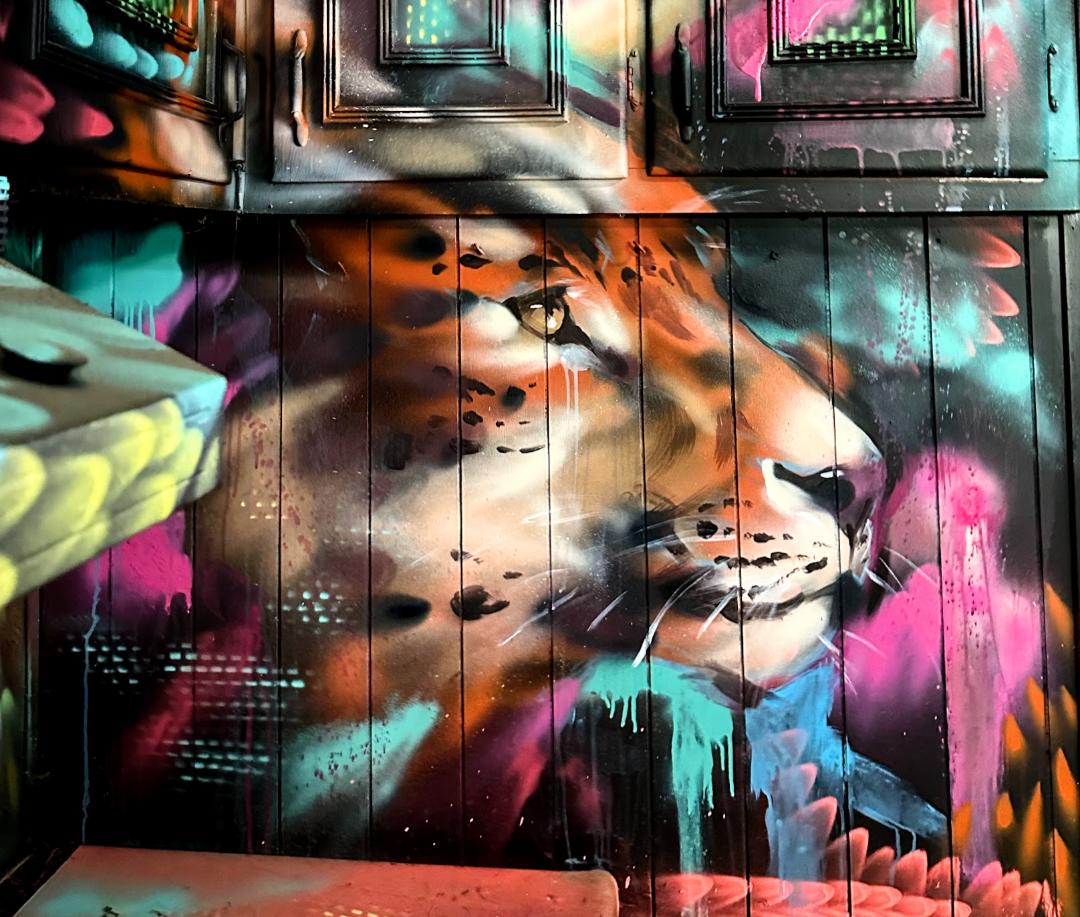
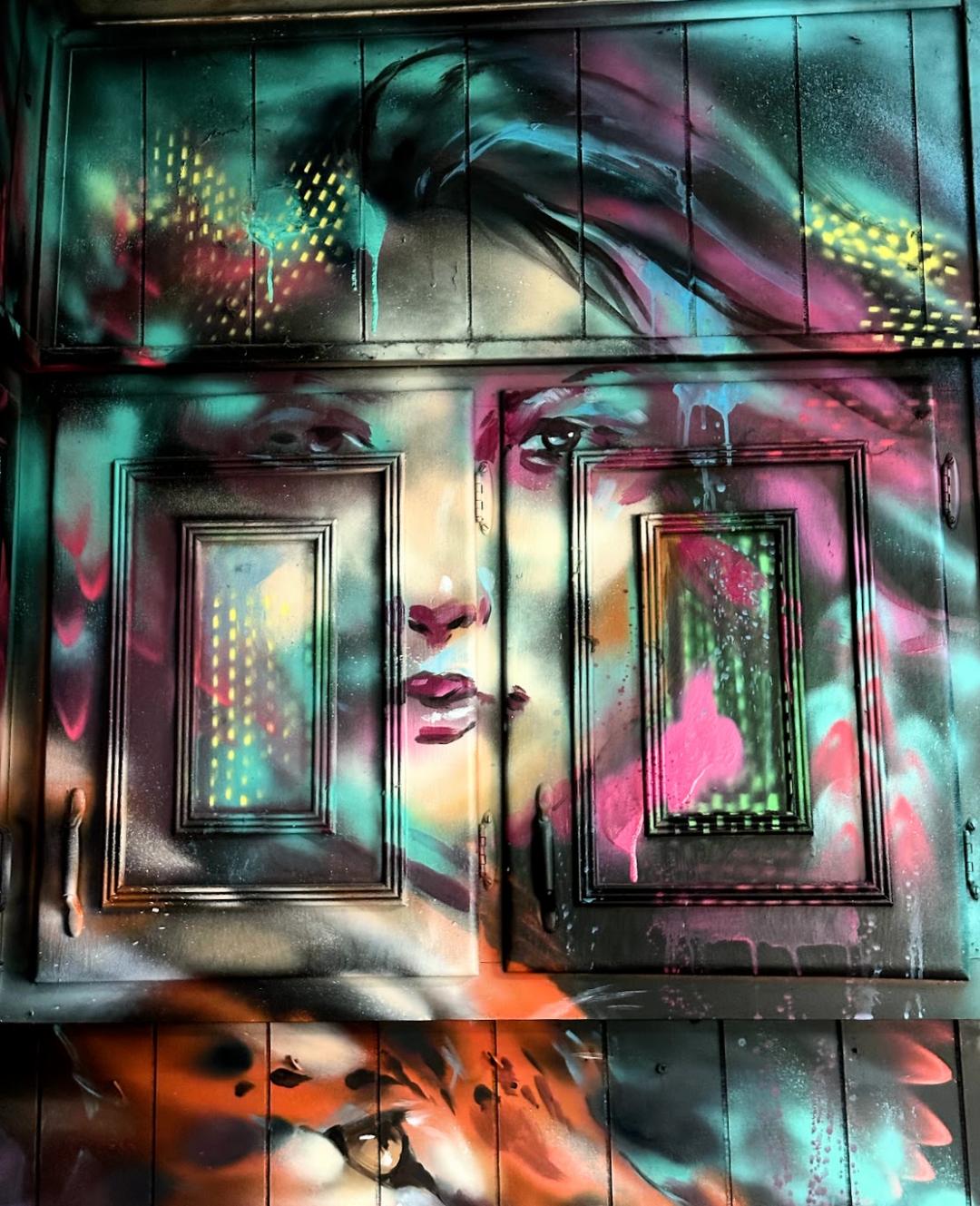
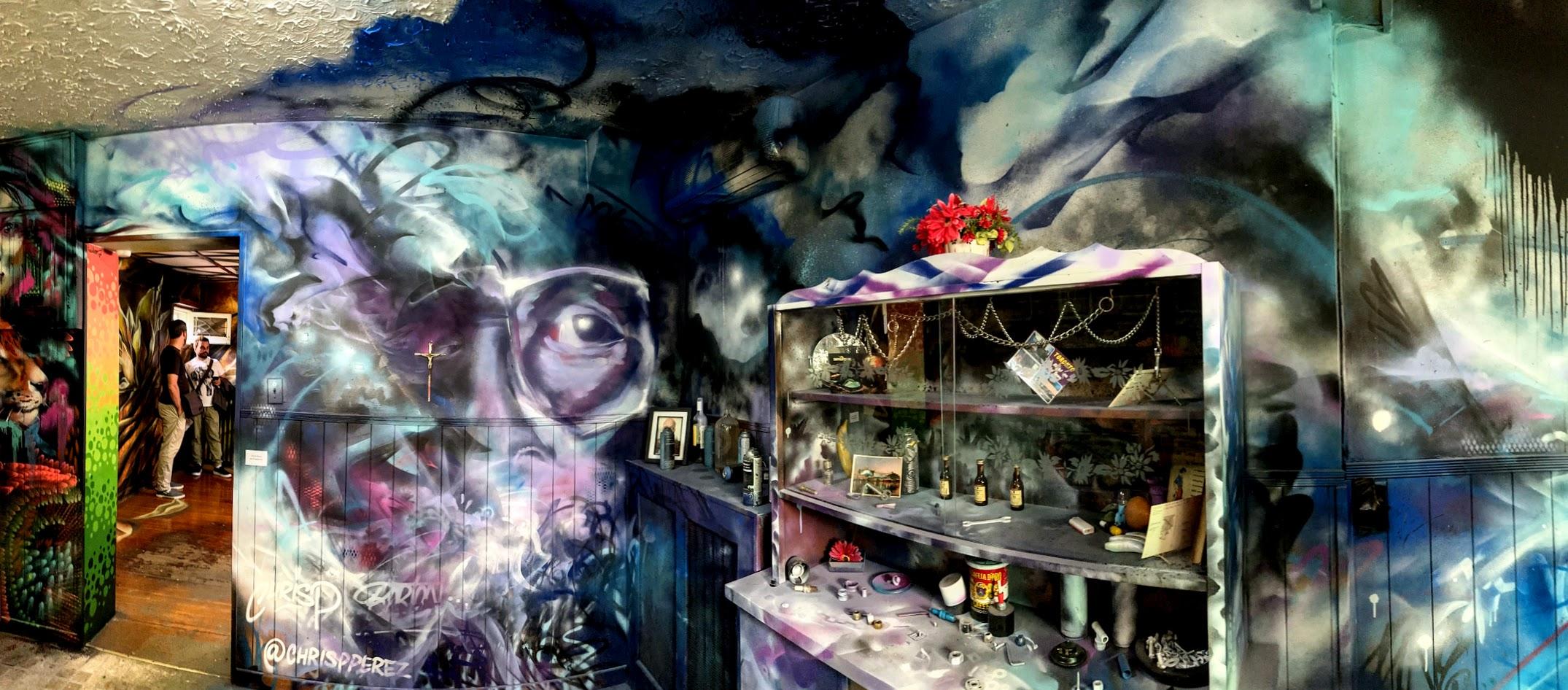
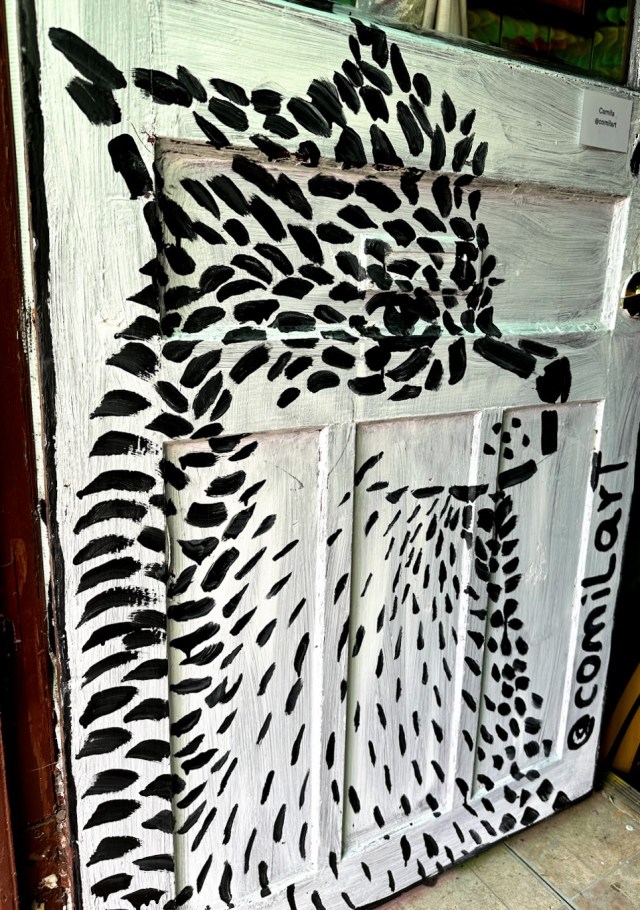
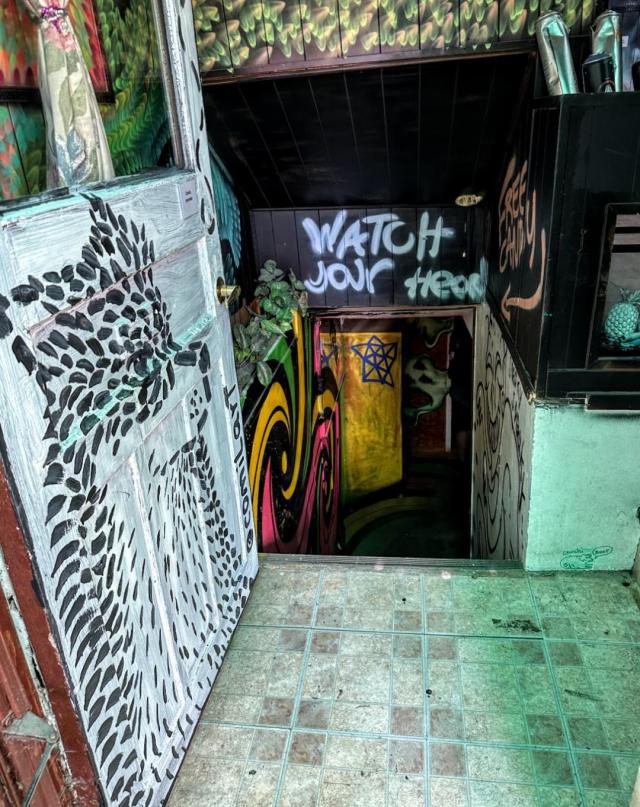
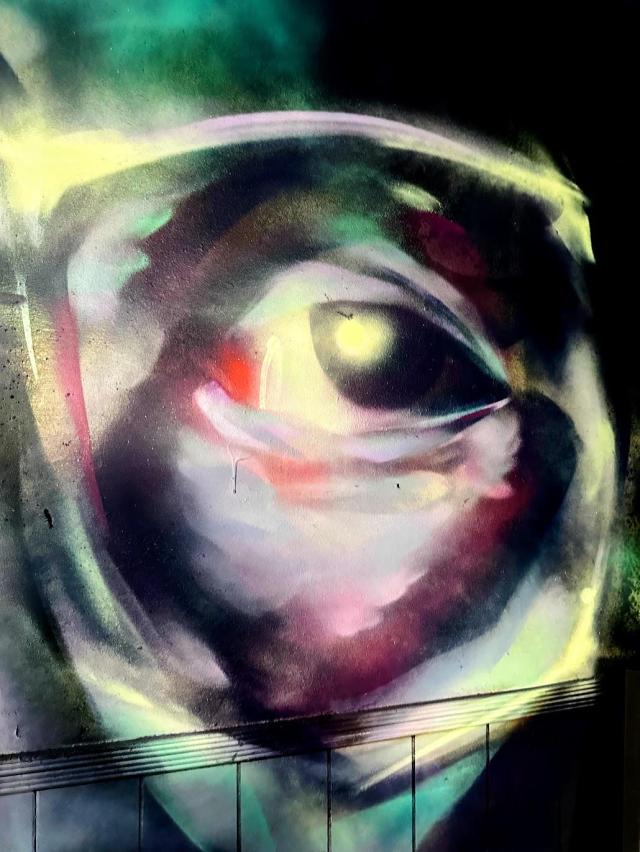
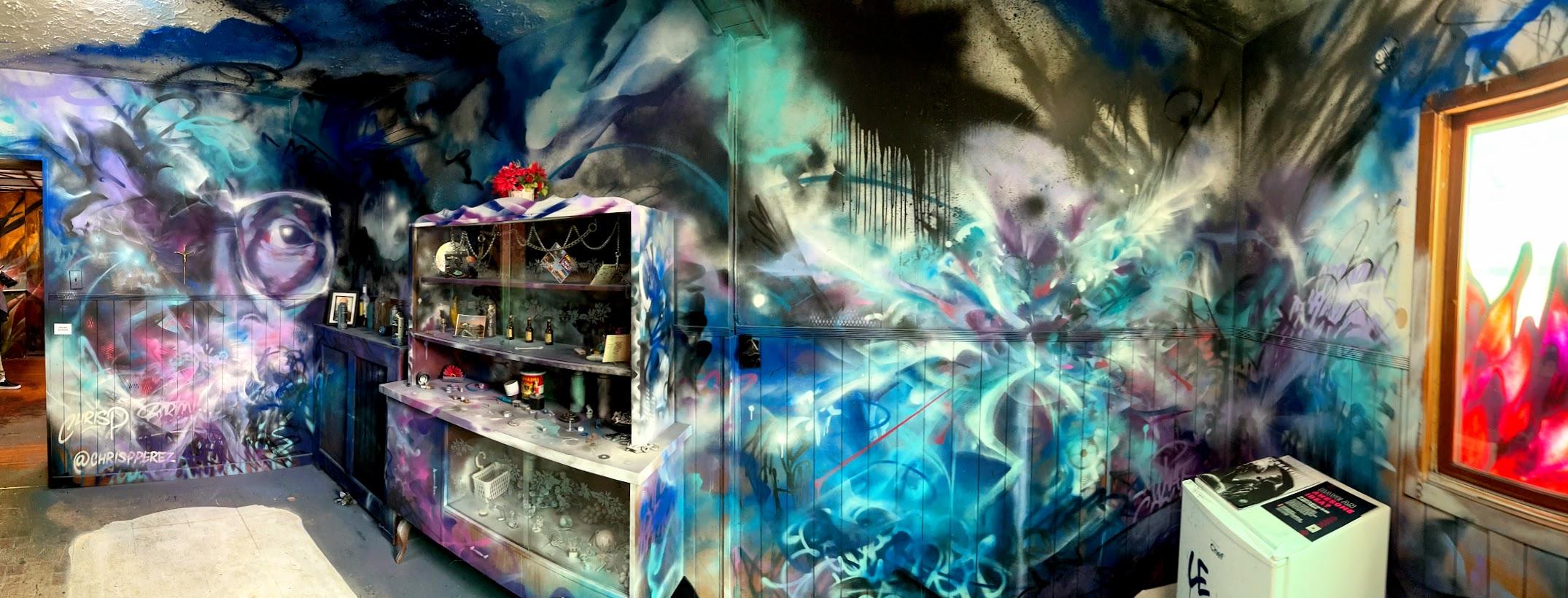
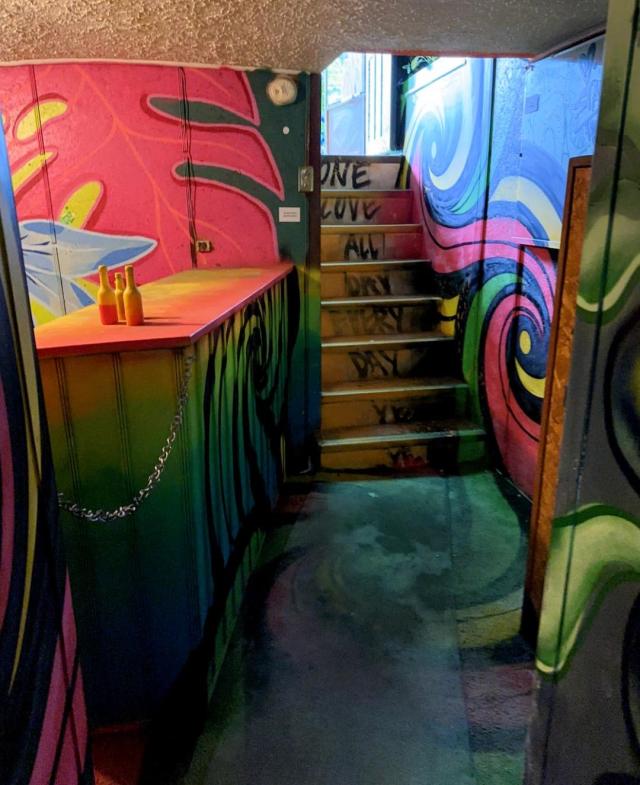
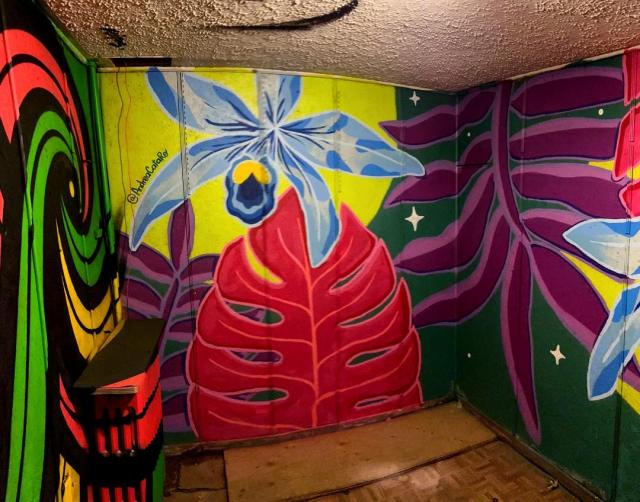
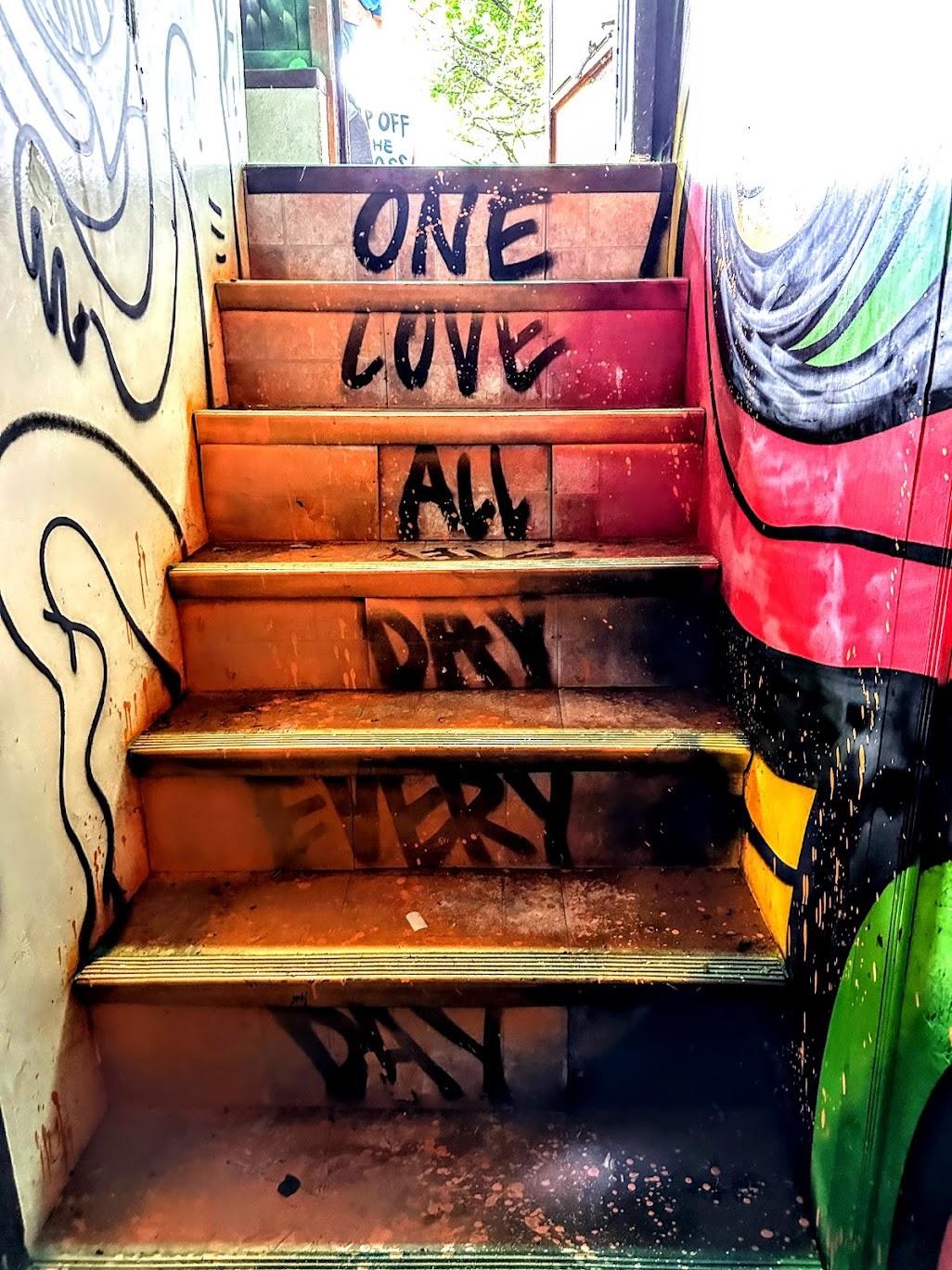
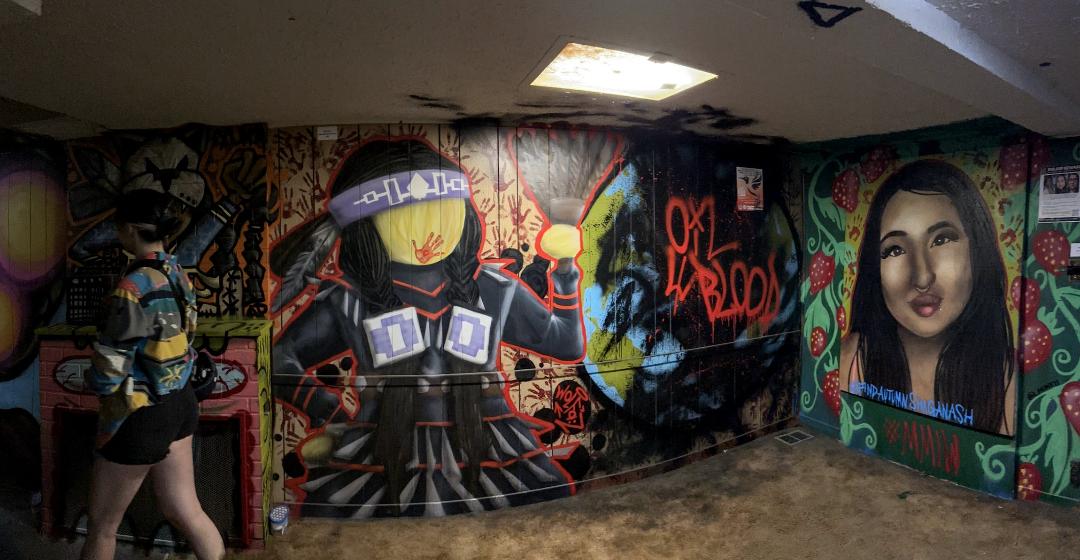
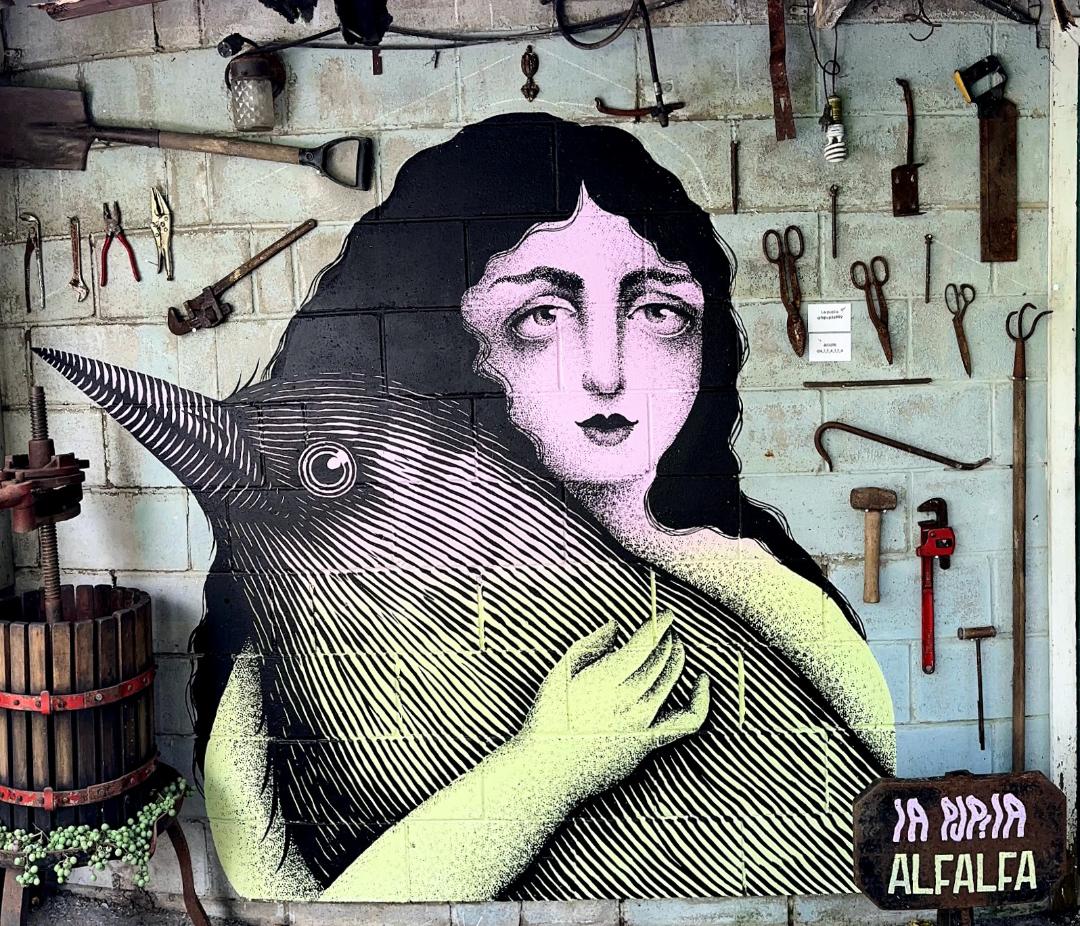
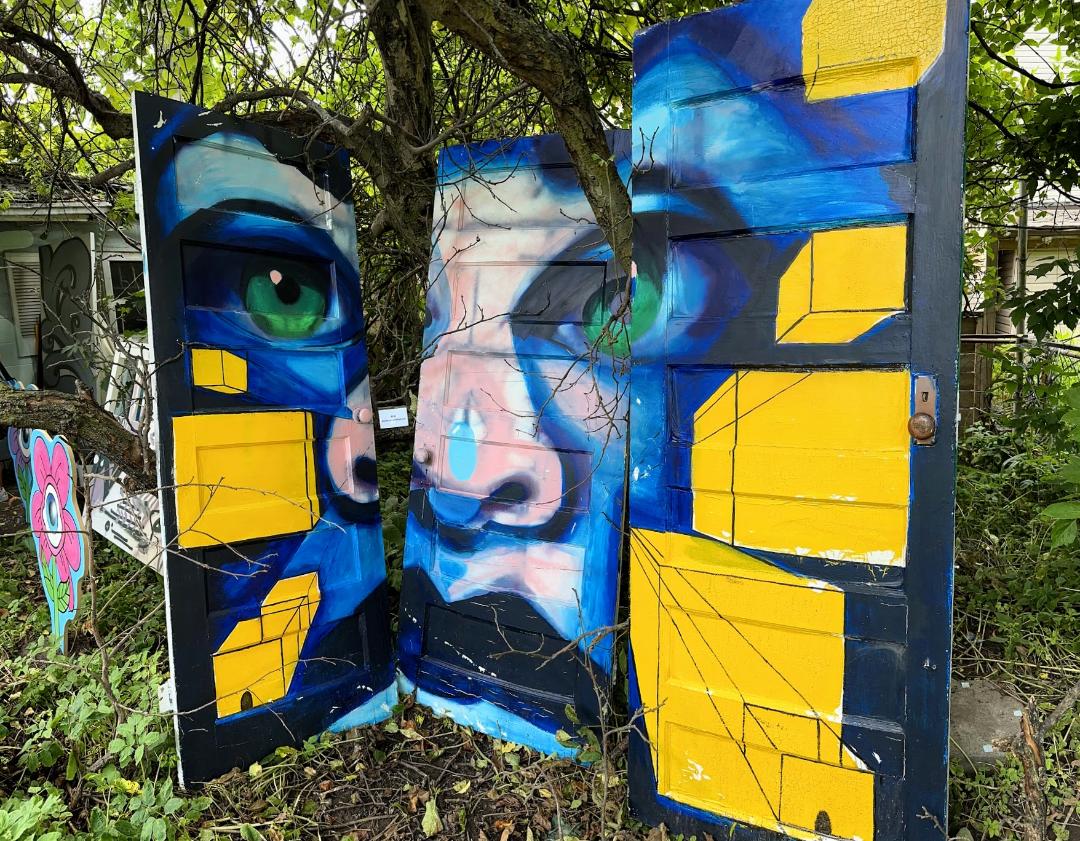
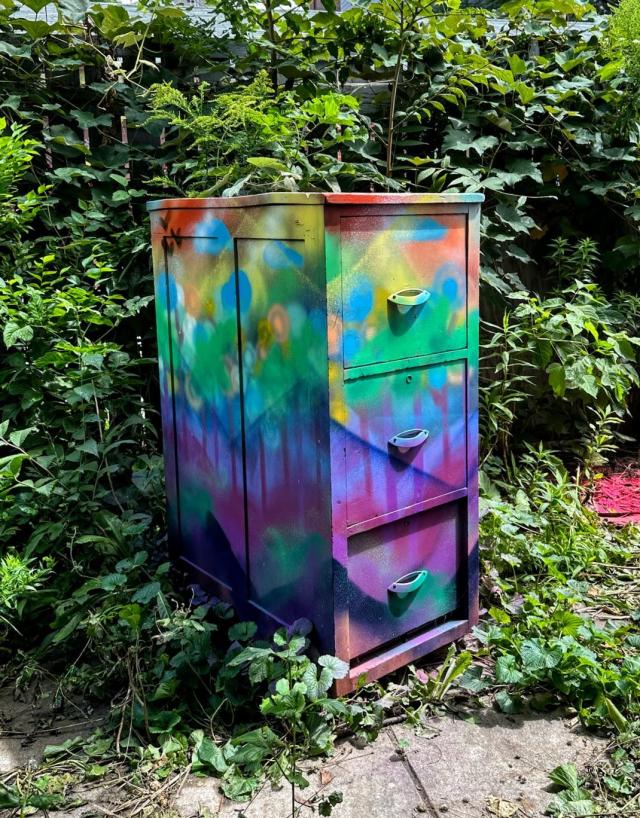
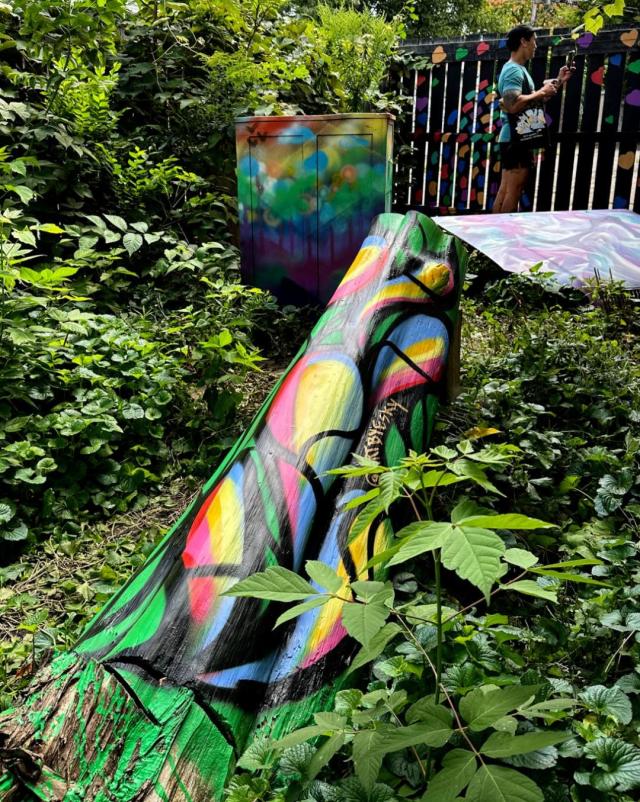
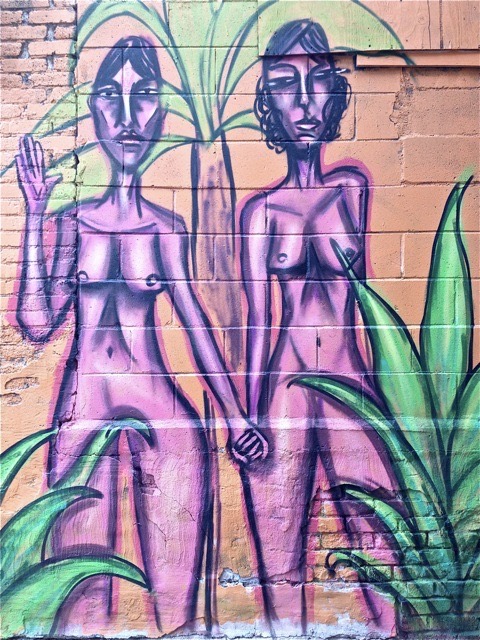
Can You Spot the Fake Street Art?

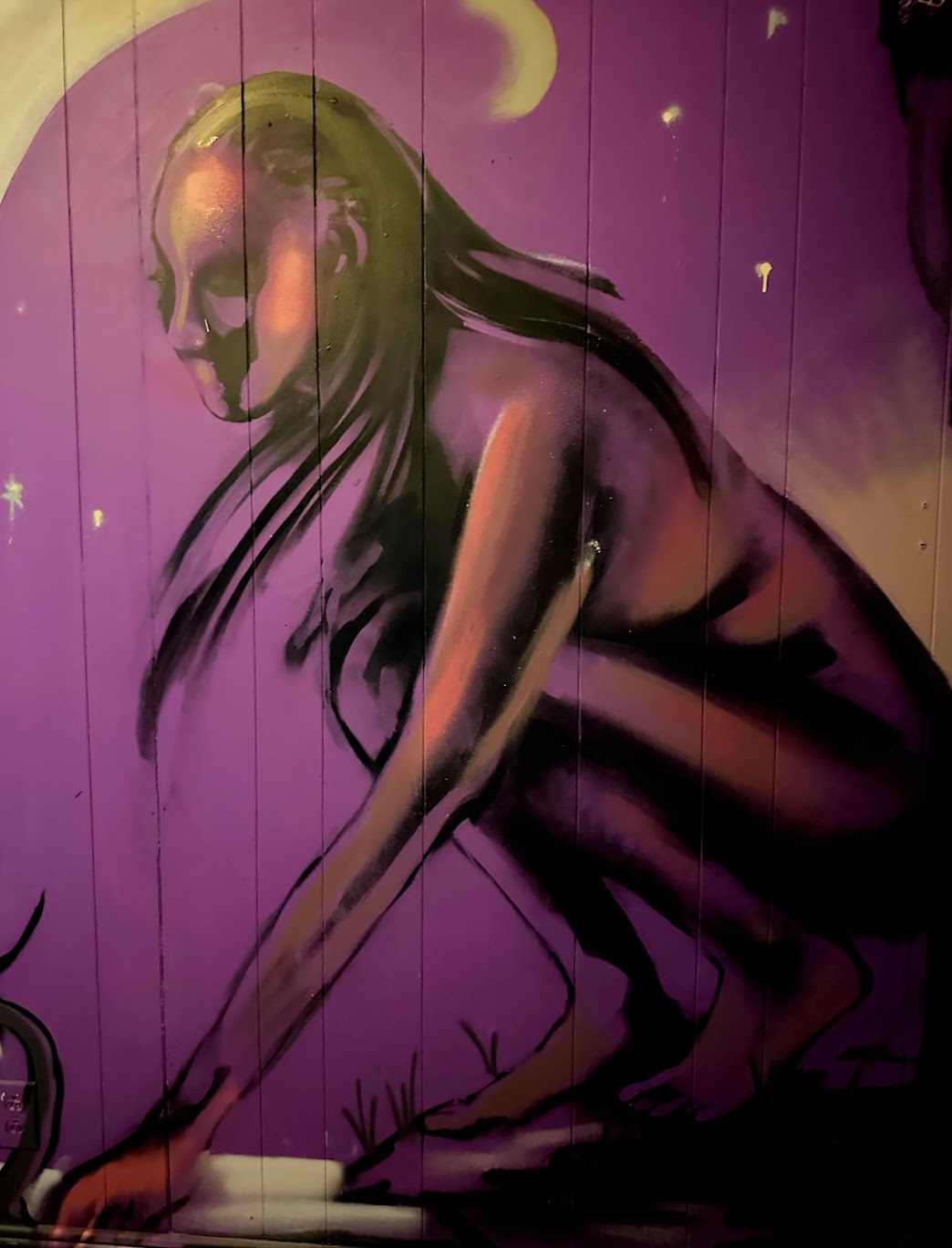
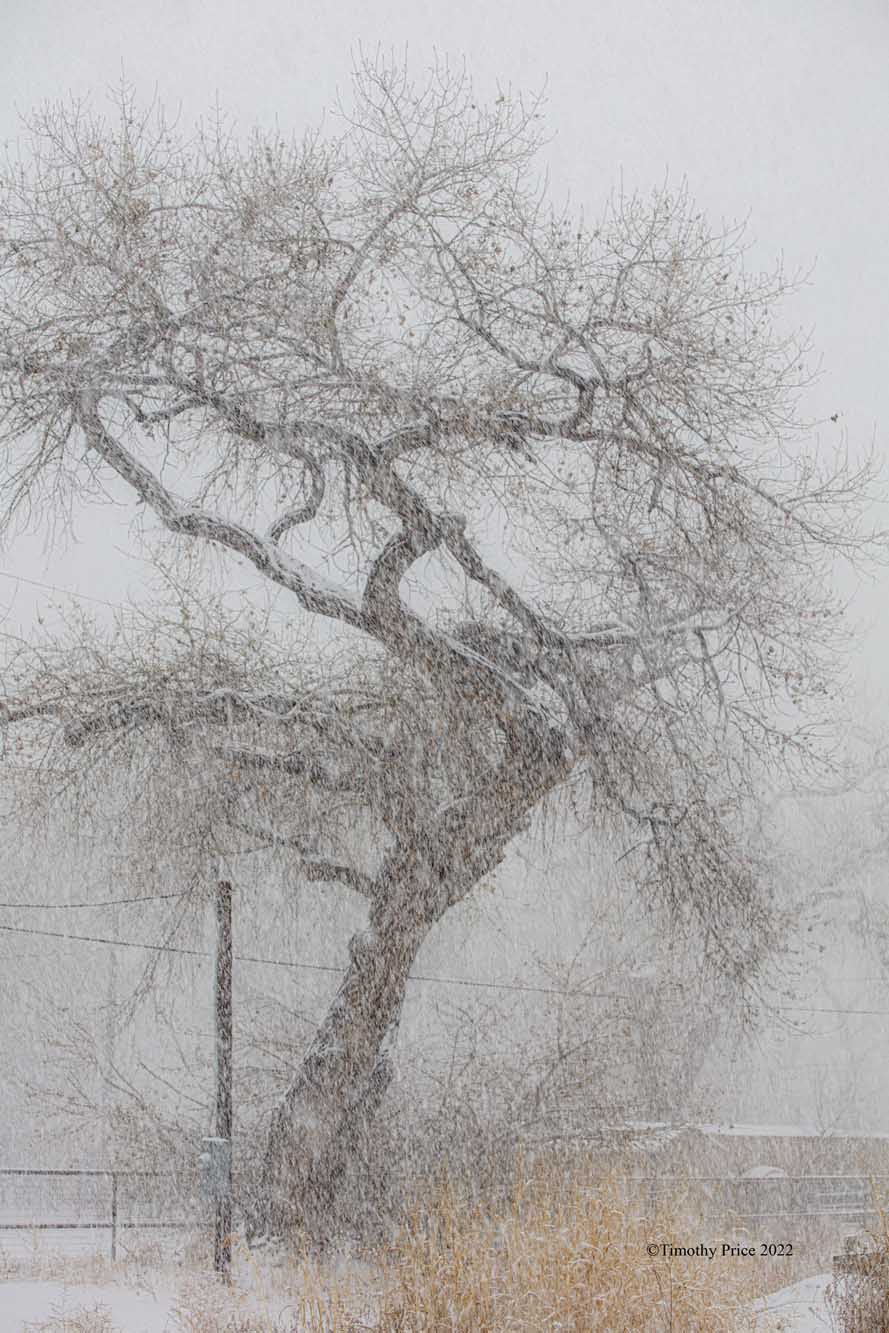
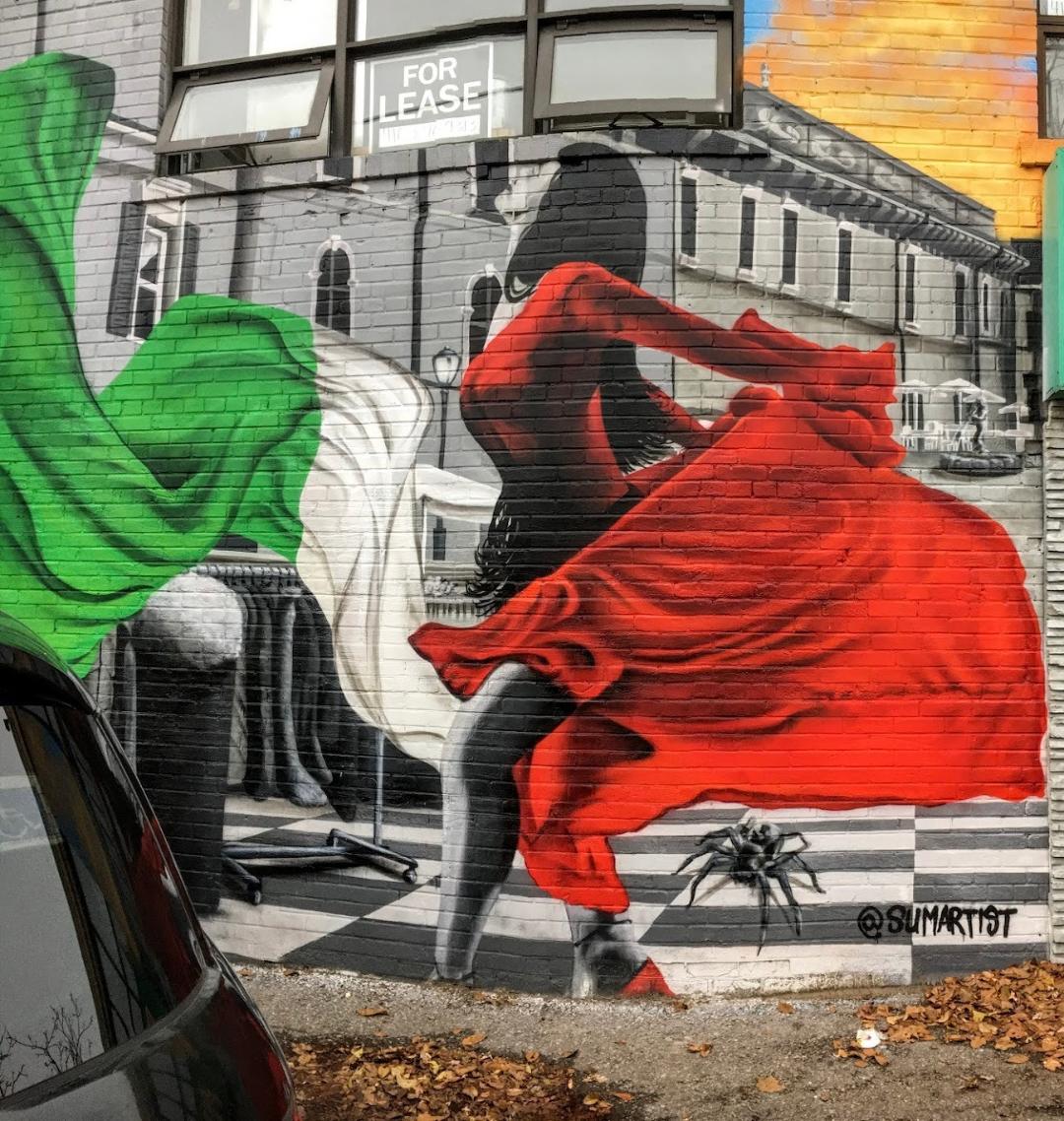
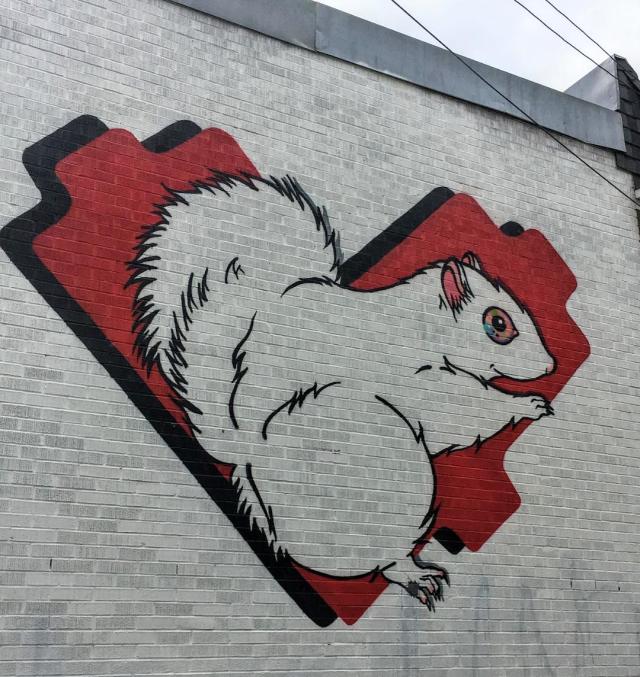
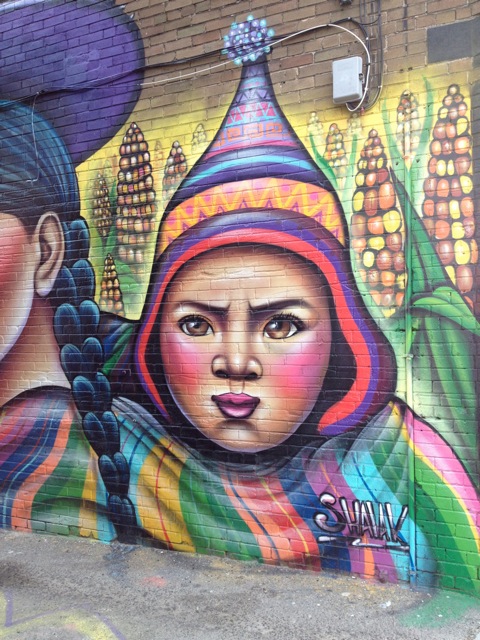
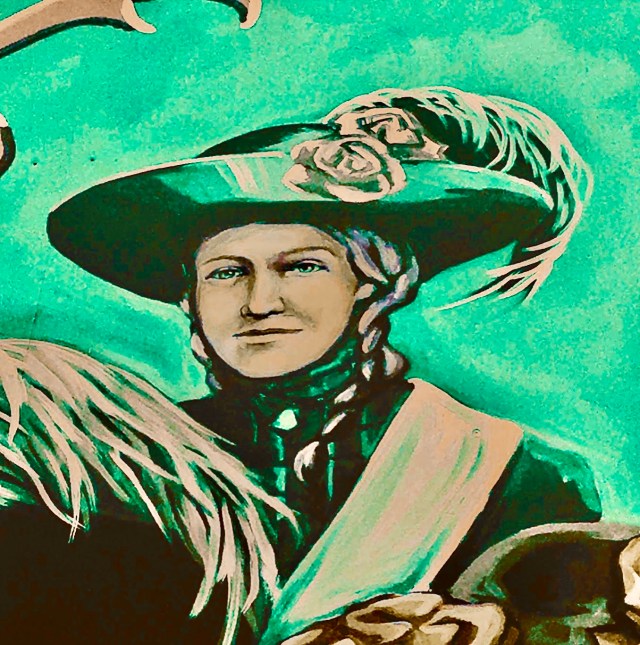
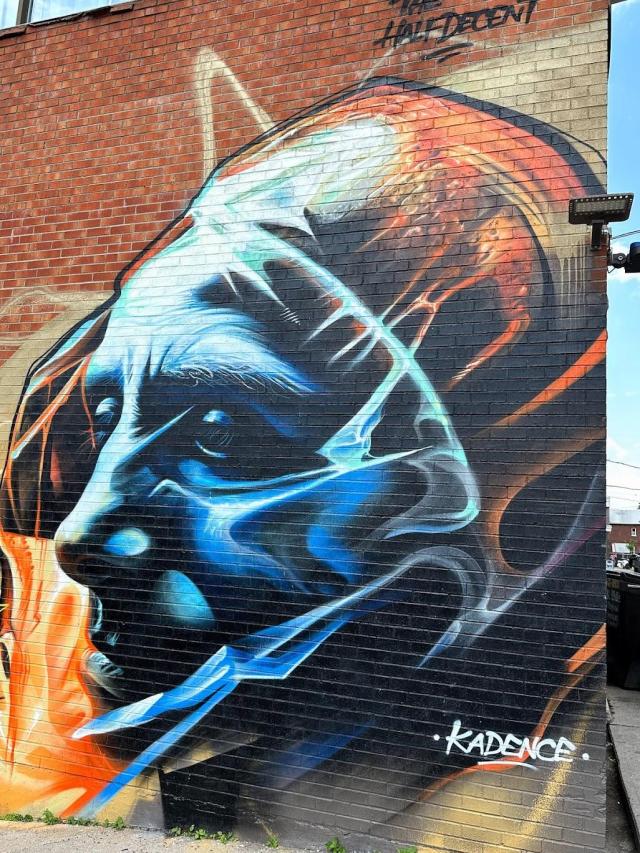
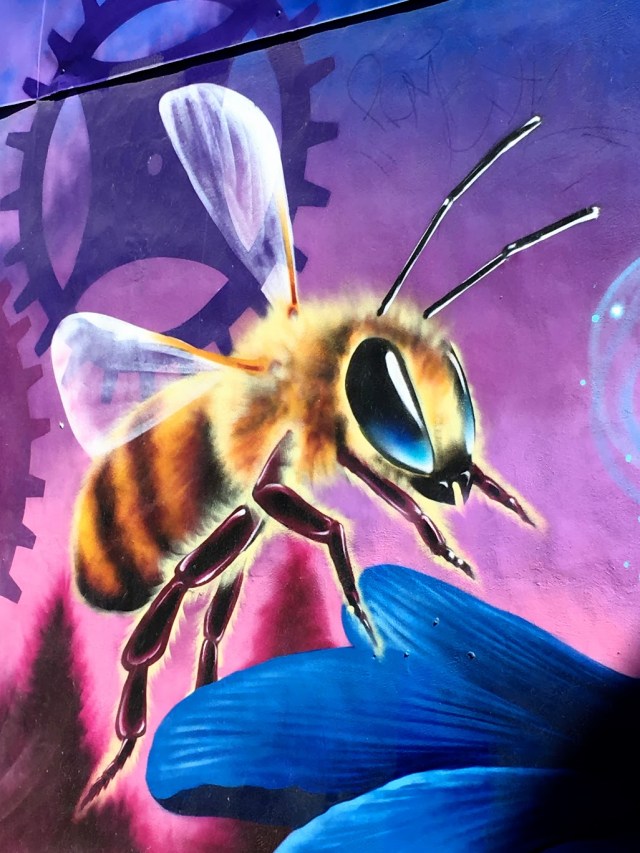
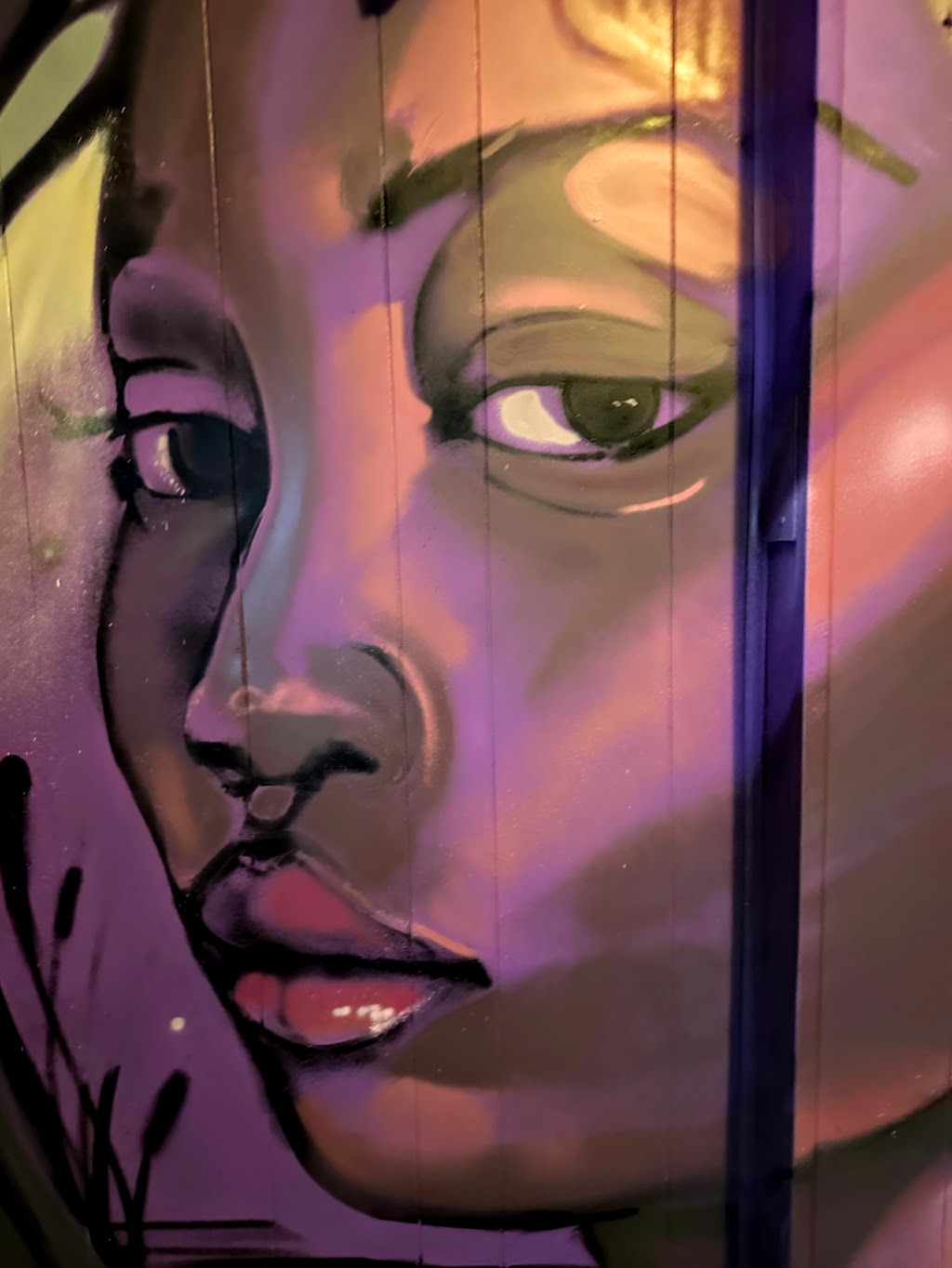
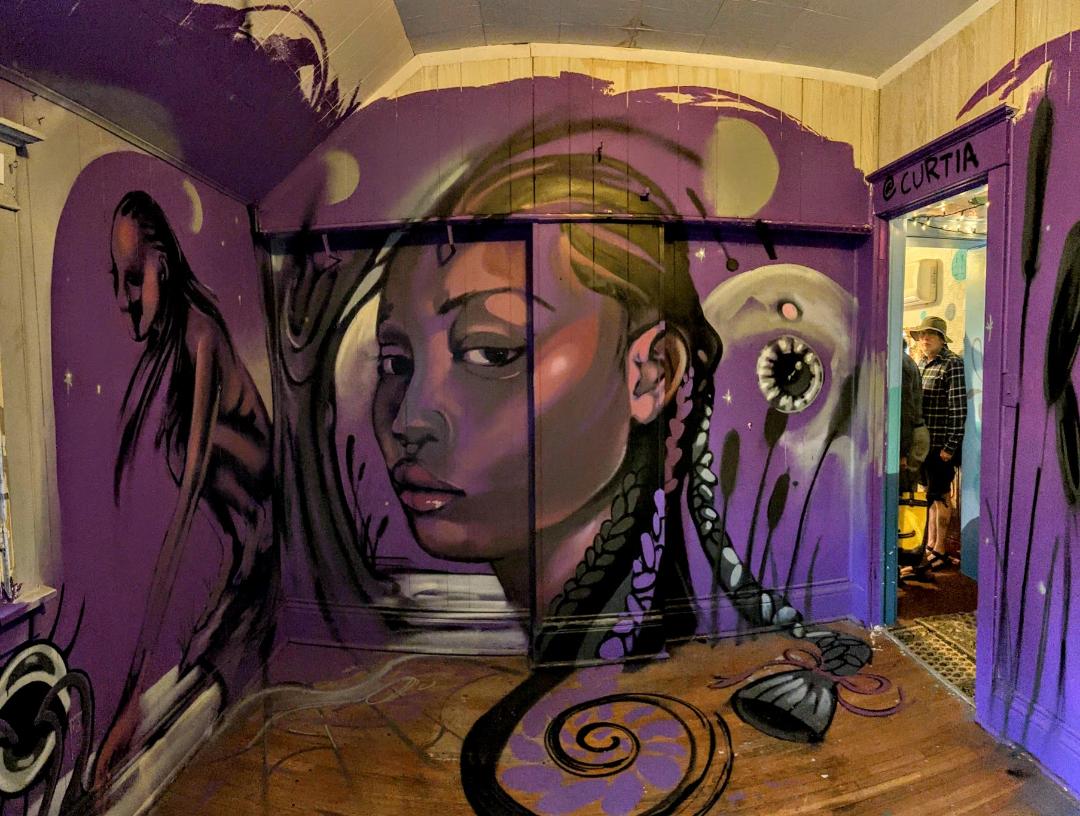
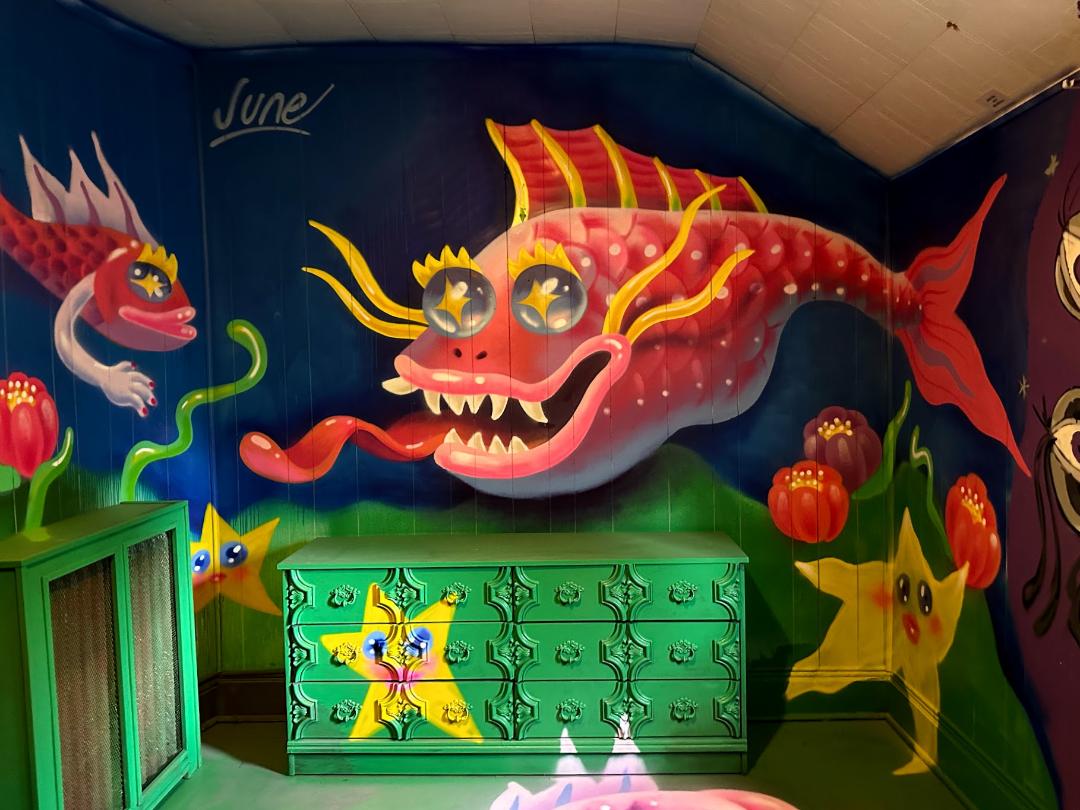
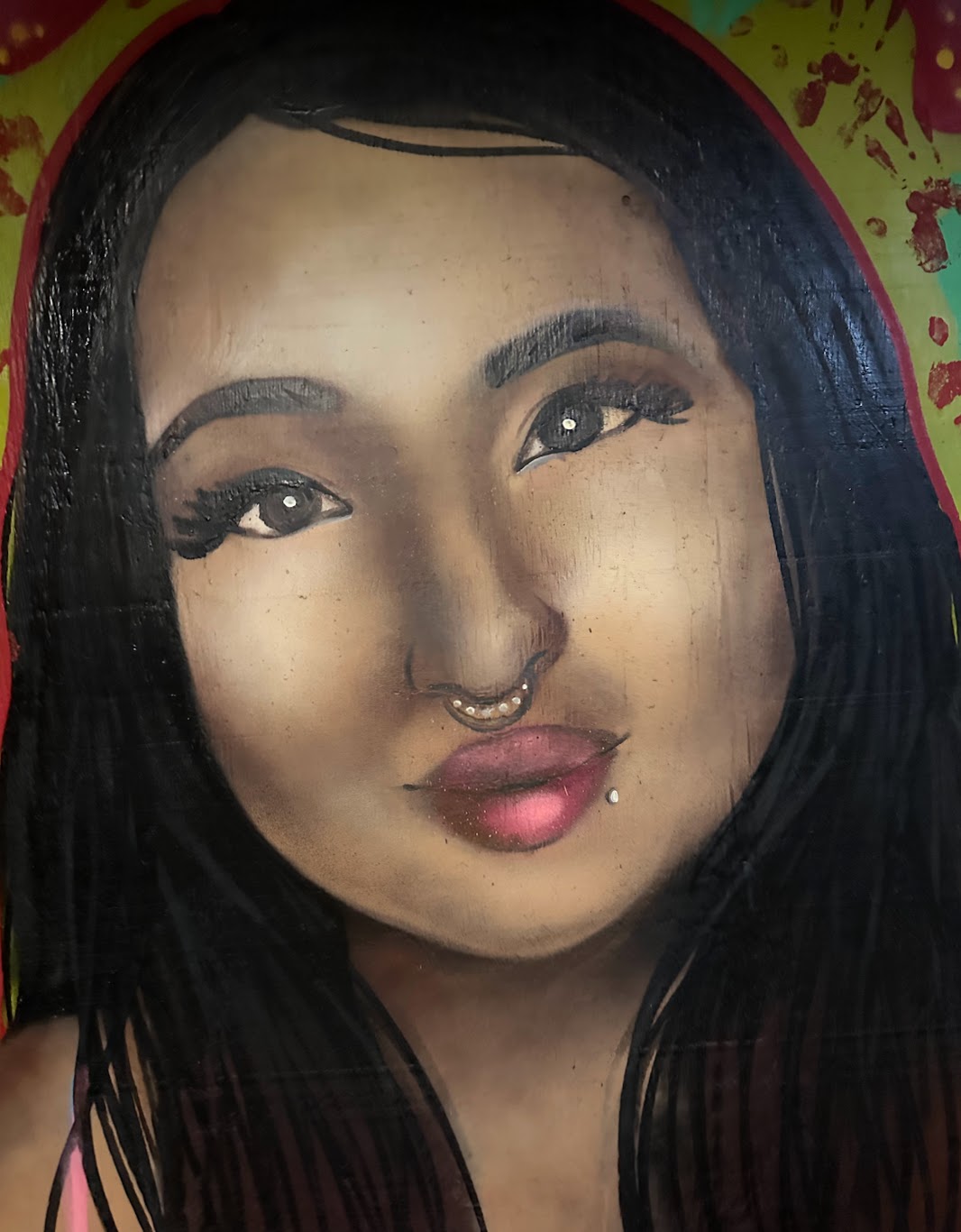
A wall was painted for a scene in a movie. After the scene was shot, the wall was painted over. I knew from the first piece, that something was off. Let me know which one you thought was fake in comments. Answer at end of post.

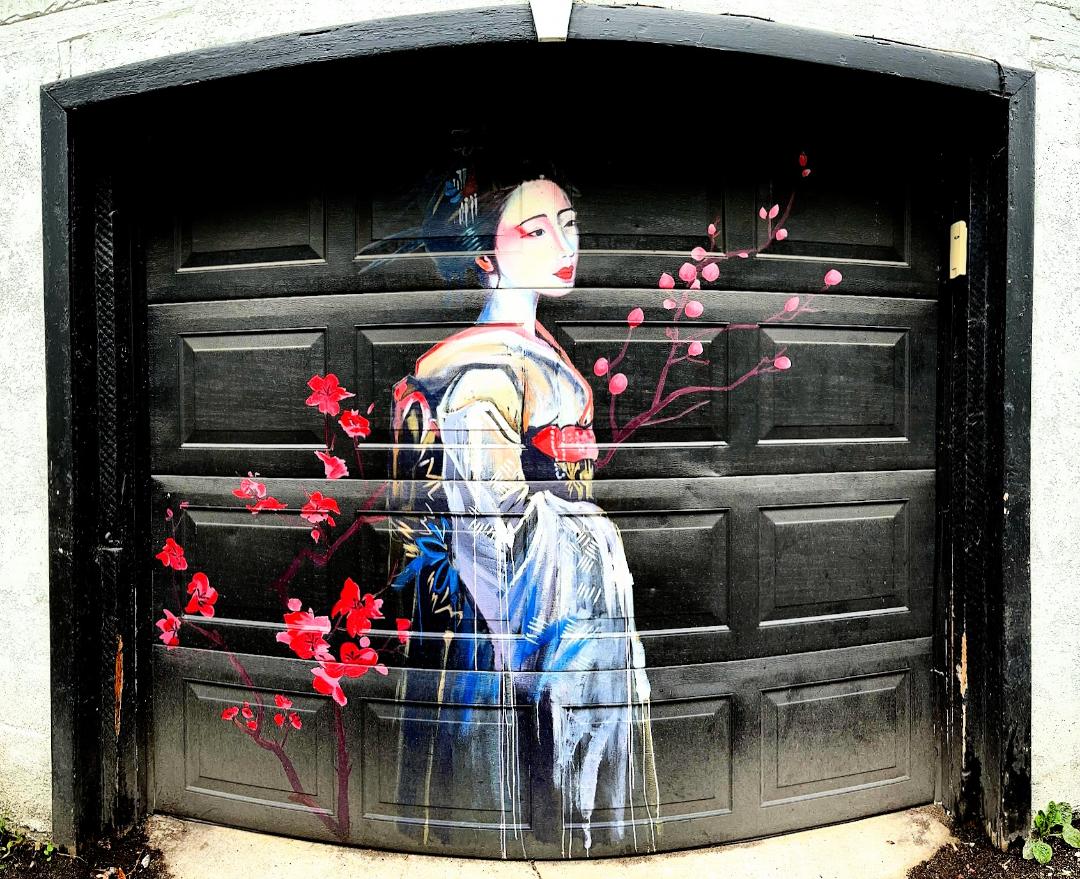
Street Art #1

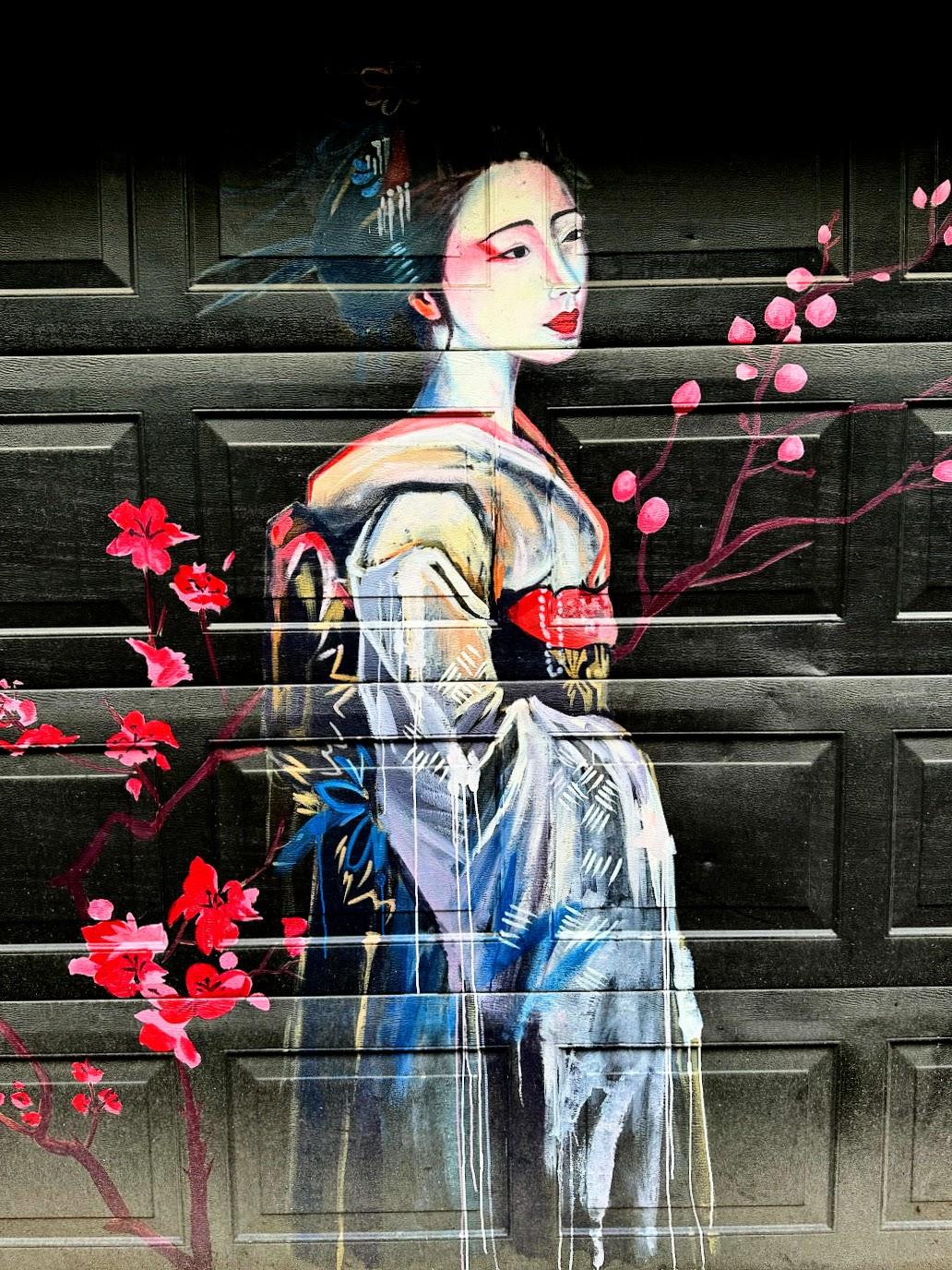
Street Art #2

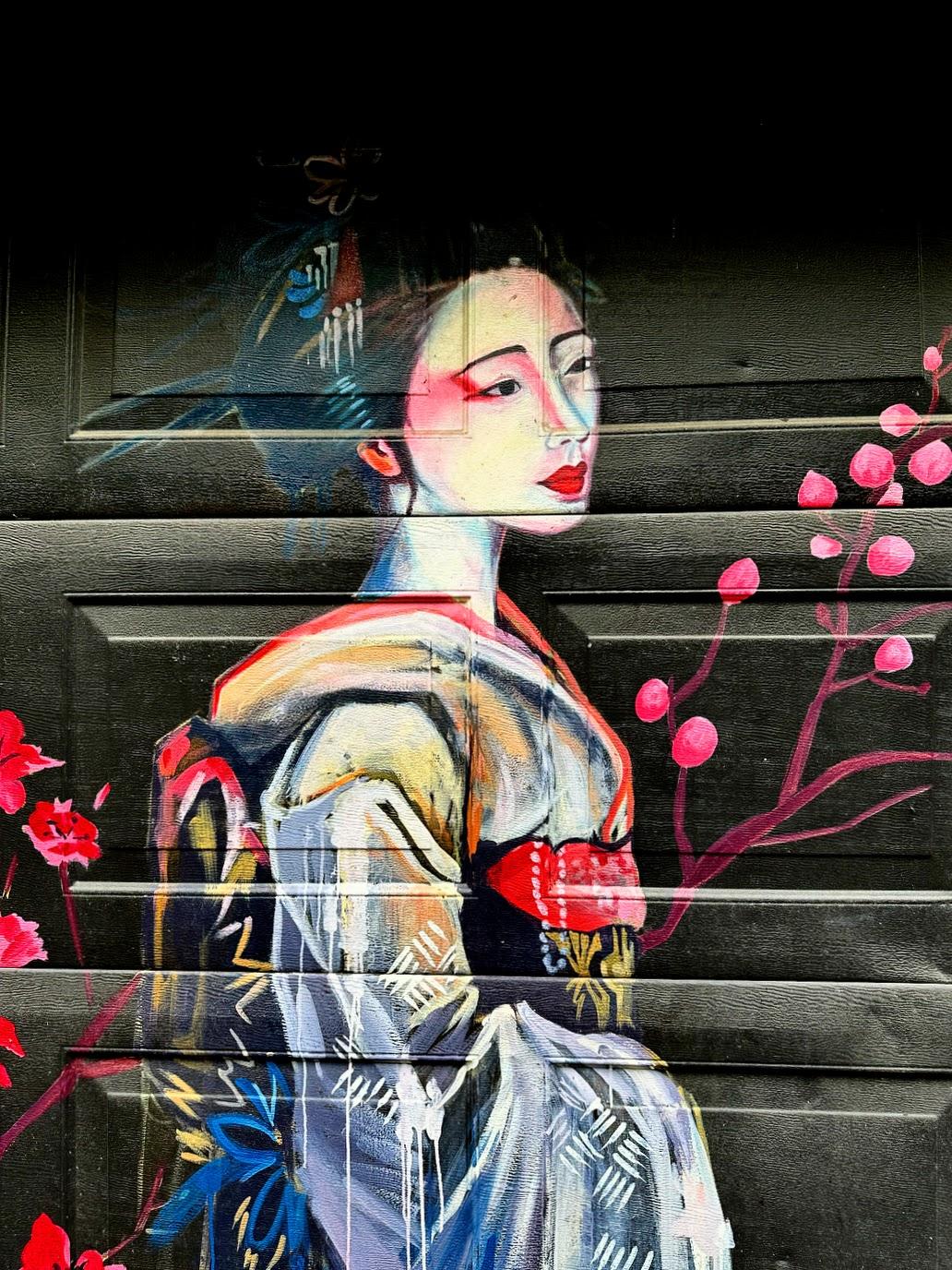
Street Art #3

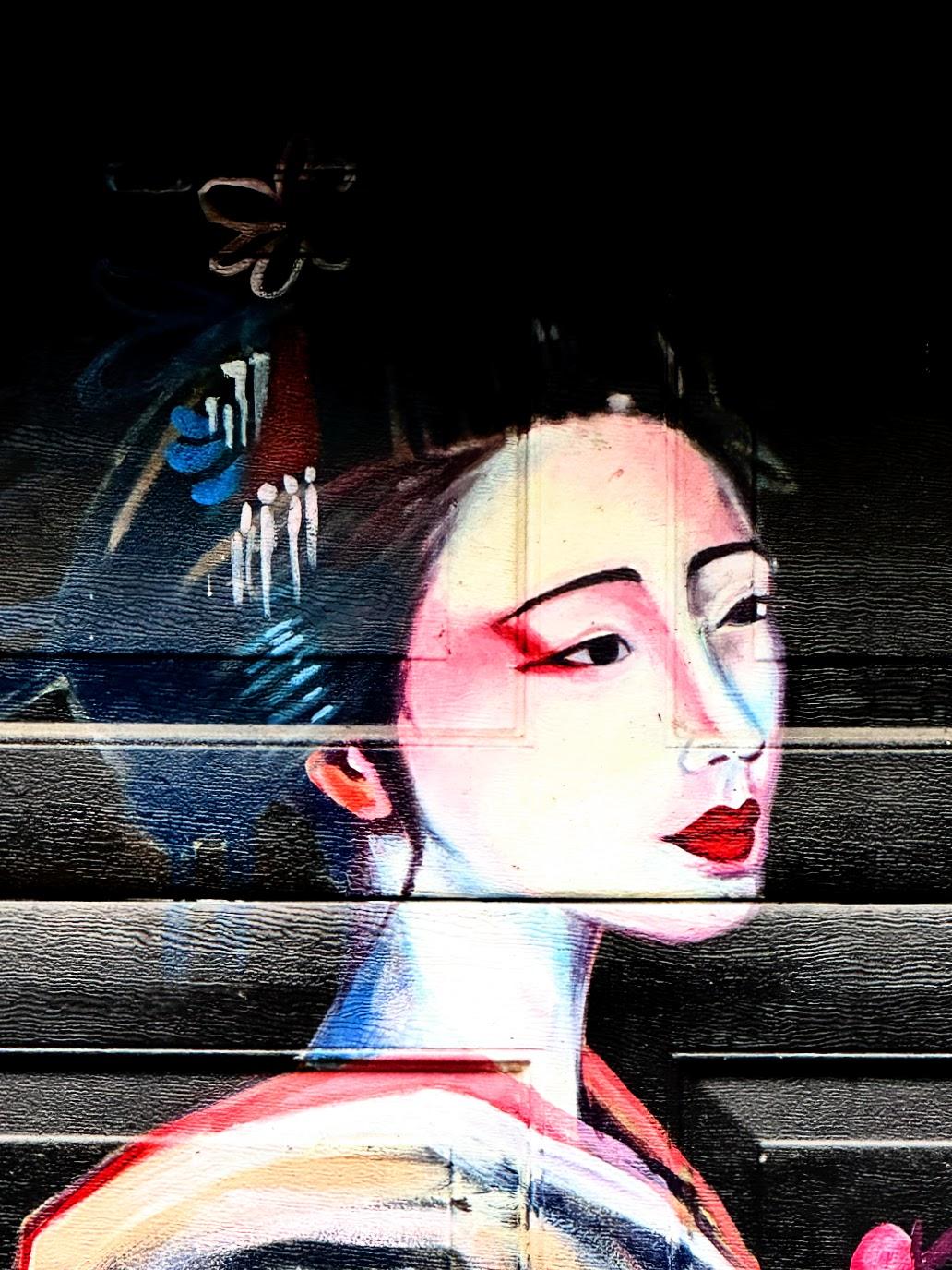
Street Art #4

Pics taken by Resa – 2023 & 2024

Toronto, Canada

They shot a movie once, in my hometown
Everybody was in it, from miles around
Out at the speedway, some kind of Elvis thing
Well, I ain't no movie star
But I can get behind anything.

When You Blow at High Dough - The Tragically Hip

A Winter’s Solstice in Summer

Ecila looked up at the hot summer’s sun.

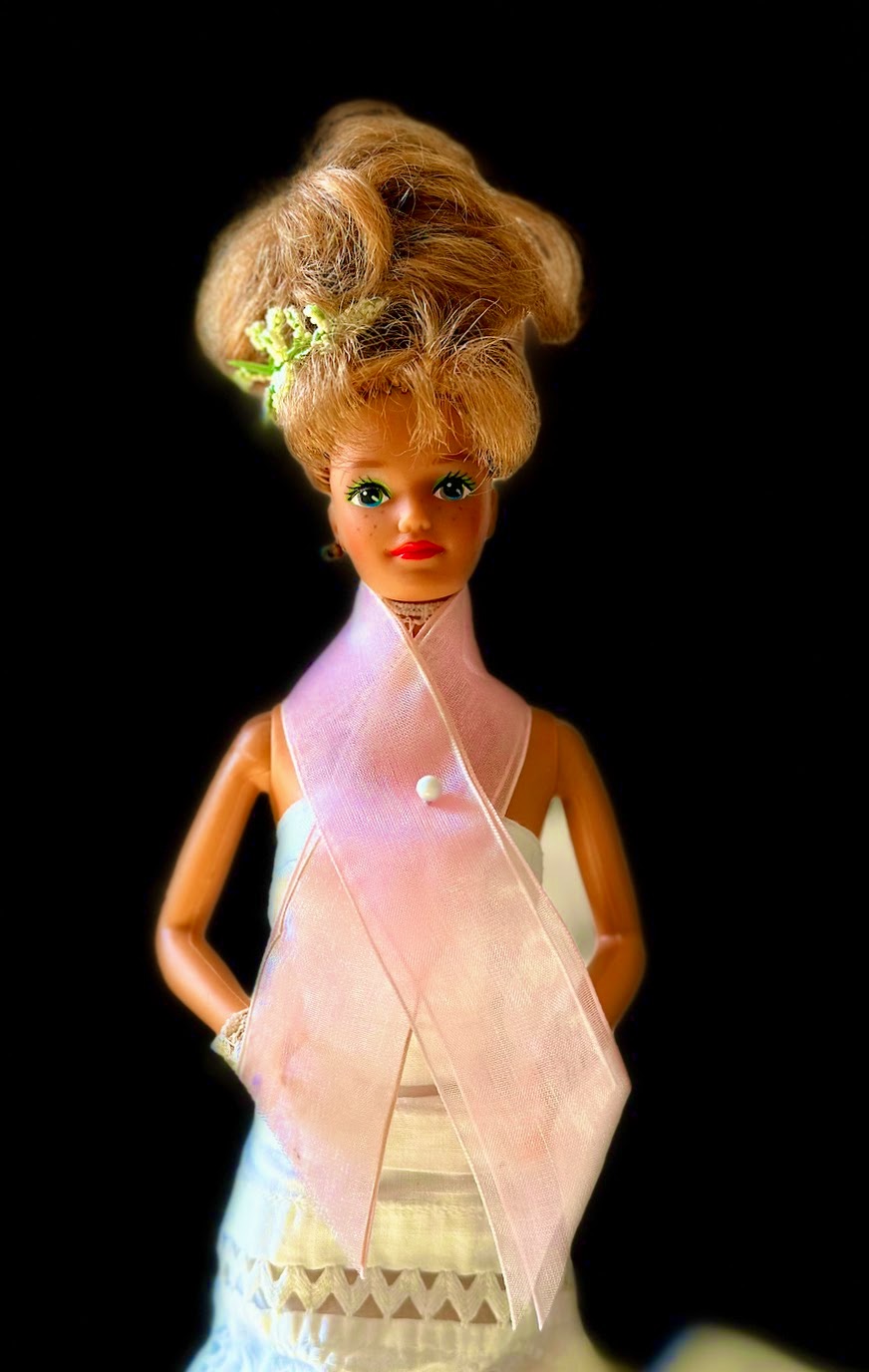
She was on her way to Teagan’s Christmas in July blog party, in a beautiful new gown. Blinded by the light, she accidentally turned left into a mural. Ecila looked around at the black and white world, and saw no way out.

Suddenly there was a black and white cat looming before her. “Who are you?” she asked.

“Why I’m Tac Tac the Water Cat,” he replied, “and you can’t get out the way you came in. You’ll have to go through the Purple Pink Rabbits’ door, in the pink alley.”

“Take this!” said Tac Tac, and he handed Ecila a gold rabbit coin. “Use it wisely. It’s your one chance to get out of here.”

Ecila wandered black and white curves until she saw a pink alley. In the alley was a Purple Pink Rabbit. “Hello! What’s your name, and can you please show me the door out of here?”

“I’m Tibbar,” the rabbit replied, “and yes, the door is at the top of the stairs.”

Ecila looked up some stairs guarded by three Purple Pink Rabbits. The door was there!

“But first you’ll have to get past Bugsy, Mugsy and Thugsy. Bugsy and Mugsy charge 5 gold rabbit coins each. Thugsy gets seven.”

“But I have only one gold rabbit coin,” Ecila said looking up at Bugsy.

“Not my problem,” replied Bugsy.

“There’s only one way to make gold rabbit coins here,” offered Mugsy. “You’ll have to play poker with the dogs! The game’s around the corner on an old red wood sliding door.”

Ecila found the dog’s game, draped her tail up to look like a gambler’s cape and threw her gold rabbit coin on the table.

“Chips please!” she demanded cooly.

The dogs howled. They figured she was just a human, and they would relieve her of her gold rabbit coin faster than the first day of winter. A chick in a bolero hat put a small stack of chips on the table for her.

Ecila thought of the wise words from her non uncle Kenny.

After many hours of holding, folding and not counting her chips, Ecila cashed in for 17 gold rabbit coins. She left the extra chips on the table, let down her tail and walked away.

Once out of sight of the dogs, she began running to the Purple Pink Rabbits’ door.

Ecila ran up the stairs tossing gold coins to the rabbits.

She threw the last 7 coins to Thugsy, and fled out the door. Elica ran all the way toTeagan’s blog hop party, where she made a grand entrance in her new Winter Solstice gown.

“Sorry I’m late everyone! My hair is mess and well, I can’t even begin to tell you what I’ve been through,” Ecila lightly panted. “Let me just say some cats are water cats, there’s such a thing as Purple Pink Rabbits and the the dog days of summer really are dog days.”

Teagan is holding a Christmas in Summer blog hop party. It doesn’t have to be Christmas, just a winter celebration around that time. Click on her badge above, and read the guidelines!

Outtakes

Winter Solstice gown created © by Resa – July, 2024

Pics of gown and street art © Resa McConaghy- June & July 2024

Story © Resa McConaghy – July 2024

Street Artists:

&

When Math Meets Art 2023 by Sasha Q

Raccoon Trilogy – The Peanut Butter Chronicles

Chillio

A Rock Star in the world of Rooftops, he single pawedly mutilated a humane mouse trap for the dime sized bit of peanut butter inside of it.

Chillio is known to screech a mean Rap in your yard during mating season, organize climb by garden raids and gain weight.

Mr. Draper

Works as a chimney supervisor, advertising attics. It’s a stressful career, which leads to overconsumption of peanut butter cocktails before wiping out on a branch office.

Mr. Draper is wildly adept at chewing electric wires, gnawing at support beams and building nests out of insulation.

Julia Childe

A gourmet raccoon chef, Julia Childe is first cousin, several times removed by evolution, to Julia Child. The garbage can lid has not been invented that can keep this whiz with a whisk out.

Famous for scraping up a meal from the leftover peanut butter on the insides of a tossed jar in minutes flat, she is a must to cater any raccoon repast.

Pics taken by Resa – July 21 & September 23, 2023

Toronto, Canada

Garage door Artist:

Let’s All Join In

This is a post about Peace, Love, Smiles & a song Trent wrote & recorded..

It began with the John Lennon post I recently did. Trent had selected a Lennon song for the event.

Then it grew into a song and video written and produced by Trent.

The lyrics are poetic, and hold a message inspired by John.

V1
I thought I saw Lennon’s face
From a trolley rocketing by
It disappeared without a trace
Did the vision also die?

His words come tumbling back
From a far off distant land
A great message on each track
A utopian dream so grand

V2
I read the news today (oh boys)
Children-human shields were killed
Drones and bombs made some noise
More innocent blood was spilled

Why is making war so appealing?
Why is love considered quaint?
I think our attitude is revealing
Our devotion to guns a taint

Chorus

So let’s all join in
Sing of peace and love again
For we all belong
In a Lennon written song
It can’t be wrong
So sing along
Let us all join in
All join in

Bridge

Such an imagination!
He made us dream
The world stood as one
Our actions could redeem

Can we remember
Perhaps even enhance
And once again
Give peace a chance?

V3
Today people gave power to the rich
A billionaire grabbed more
We’re told advancing is a cinch
Just give the billionaires more

John trusted the People’s voice
Today that seems absurd
I think that we have no choice
But to make our voices heard

(Chorus)

V4
I found the face in a doorway
Faded into nostalgic hues
The simple picture’s seen better days
Reflecting Lennon’s views

Although the decades whizzed past
Never believe that it is too late
John’s message will always last
Hold my hand, let’s temp fate

(Chorus)
(Chorus)
(Chorus)


Once a week there is usually a Weekly Smile post on Trent’s Blog, He tells about something that made him smile. He asks what made you smile.

This week I’m smiling because a street art post of mine, inspired a beautiful song about “give peace a chance” to be written & video to be made.

I’ve always believed in peace and love.

Making Her Mark – Self Portraits II

ResaWelcome back to “Making Her Mark” – Self Portrait Series! I’m your host, Resa with special guest host Rebecca Budd – curator of Chasing Art.

Resa So Rebecca, today we’re shining the spotlight on another accomplished female artist once buried by history, Amalia von Königsmarck.

I “fell in love” with our last artist, Sarah BiffenAmalia von Königsmarck does not inspire the same “fell in love” in me, yet hers is nonetheless a valuable contribution to the world of art, and art remembering us. Can you speak to that?

Rebecca – Amalia von Königsmarck’s contribution to the world of art is indeed remarkable, especially considering the complex, perilous and politically charged environment in which she lived. The intricate dynamics of the royal court, especially during the Great Northern War, as well as her spouse’s involvement in the service of Augustus II the Strong, led to dire consequences. Given her status as a dilettante painter and her involvement in painting as a hobby or pastime, it is likely that her primary motivation for creating art was personal enjoyment and creative expression.  I believe that in the midst of uncertainty, Amalia chose to follow her creative spirit, which is a reminder to me that art generates positive outcomes.  That thought resonated with me when I viewed your photographs.

Resa Okay, now I’m “fell in love”with Amalia, too! So, Rebecca, let’s check out the details on what you’ve said and what else you have discovered about Amalia von Königsmarck!

Amalia von Königsmarck – A Dilettante Painter

Amalia von Königsmarck (1663–1740) hailed from a distinguished German-Swedish noble family. Her paternal grandfather, Field Marshal Hans Christoff von Königsmarck, notably served on the Swedish side in the Thirty Years’ War and was subsequently honored with the title of a Swedish count. Meanwhile, her father, Conrad Christoff von Königsmarck, held notable roles in the Swedish possessions of Bremen and Verden, among others.

Amalia von Königsmarck married Carl Gustaf Lewenhaupt, a Swedish nobleman, in 1686. Their union was a significant aspect of her life amidst the complex dynamics of the royal court.

Allegory with Self Portrait and Profile Portrait of Queen Eleonora – 1689

Resa – The above photo I took is from the “Making Her Mark” exhibit. I was lured in by its richness. This painting was not behind glass, and on close inspection I gasped when I saw the 335 year old cracks in the oils. I thought – Rebecca would love these cracks.

Rebecca – I do love those cracks, Resa!!  This is a 335-year-old painting!!  I believe that those delicate cracks add to overall aesthetic appeal of the artwork by providing a sense of history and authenticity. The cracks, also known as craquelure, can be seen as a unique feature that showcases the passage of time and the natural aging process of the artwork. I find that the presence of cracks enhances the texture and visual interest of the painting, giving it a distinct character that sets it apart from newer, flawless pieces.

Amalia von Königsmarck’s Artistic Pursuits

Amalia von Königsmarck was known for her literary and intellectual achievements as well as for her artistic endeavors. As a member of the royal court, she delved into the world of painting and portrayed various notable figures of her time. One of her renowned paintings is a self portrait dating back to 1688, offering a personal glimpse into her life and artistic expression.

In addition to her accomplishments in visual arts, Amalia participated in the amateur theatre of the royal court, an endeavor encouraged by Queen Ulrika Eleonora of Sweden. This involvement in the theatre highlighted her multifaceted interests and contributions to the cultural life of the royal court.

In the painting, Amalia holds her portrait of Queen Ulrika, a bold nod to her relationship with the queen.

One of her hands holds paintbrushes, depicting herself as a painter. (see full painting)It is the first known image of a Swedish female painter.

Although Amalia had studied under David Klöcker Ehrenstrahl, a Swedish nobleman and portrait painter, Amalia was a dilettante painter. This refers to an individual who engages in painting as a hobby or pastime, without pursuing it as a serious or professional occupation.

Dilettante painters typically approach art with enthusiasm and interest but may not have undergone formal training or dedicated extensive time and effort to develop their skills to a professional level. Their works are often created for personal enjoyment or as a form of creative expression, without the intention of displaying or selling them in a professional art context.

Amalia and the Great Northern War

In 1695, amidst the intricate dynamics of the royal court, Amalia Lewenhaupt (Königsmarck) persuasively influenced her spouse to enter into the service of Augustus II the Strong, who was at that time engaged in a romantic relationship with her sister Aurora. However, this decision led to dire consequences, as her spouse faced the confiscation of property and a sentence of death in his absence by Charles XII of Sweden in 1703, during the tumultuous Great Northern War. Tragically, her spouse passed away in exile in Hamburg, Germany, in the same year.

The other 2 women in this allegorical portrait:

Left – winged and holding a trumpet is likely Fama, goddess of rumour and fame.

Right – The woman points to the queen while gazing out of frame.

Resa – So Rebecca, I add the thought here that the pointing indicates that Amalia is saying that Queen Eleonora is of rumour and fame?

Rebecca – While the specific meaning of the painting, “Allegory with self-portrait and profile portrait of Ulrika Eleonora the Elder” is open to interpretation, the inclusion of the self-portrait alongside the profile portrait of the queen suggests a significant personal connection between Amalia and Queen Ulrika Eleonora. The portrayal may convey Amalia’s admiration for the queen and her acknowledgment of the queen’s reputation and prominent status. Queen Ulrika Eleonora was renowned for her religious devotion, patience, mild demeanor, and charitable nature, which endeared her to the public. Her modest beauty and dignified presence further enhanced her image as a symbol of hope and lasting peace. Embraced with enthusiasm by the public, she was perceived as a beacon of optimism, and her personal merits bolstered her popularity, solidifying her status as a beloved and influential figure in her time.

Amalia’s Return to Sweden

Following the upheavals and challenges she encountered, Amalia Lewenhaupt eventually journeyed back to Sweden in 1722. Notably, her return to her homeland was accompanied by the fortune-teller Höffern, perhaps seeking guidance and solace after the tumultuous events she had endured.

In 1740, at the age of 76, Amalia Lewenhaupt peacefully passed away in Övedskloster, thereby transcending the trials and tribulations of her lifetime. Her final years were marked by the tranquility of her surroundings, providing a contrast to the tumultuous events she had previously experienced.

Regrettably, Amalia Lewenhaupt’s poignant story was further shadowed by the tragic fate of her firstborn son, Charles Emil Lewenhaupt, who faced condemnation for treason and was ultimately executed in 1743, thus adding another layer of sorrow to her enduring legacy.

Resa –  Rebecca, I can’t thank you enough for being here with me to present Amalia von Königsmarck. It’s somewhat jolting to realize that she was on earth 361 years ago.

Rebecca – Thank you, Resa, for this extraordinary opportunity to collaborate with you on “Making Her Mark”. It is truly fascinating to unravel the multifaceted contributions of remarkable women from past centuries and to witness the enduring impact they have on the world of art and culture. These women have left a profound legacy that continues to inspire and shape our artistic landscape today. By delving into their lives and artistic endeavors, we gain invaluable insights into the richness of history and the enduring influence of these visionary individuals.

Thank you again and again Rebecca!

You can visit Rebecca on Chasing Art! Also for links on the research, just click on the above banner!