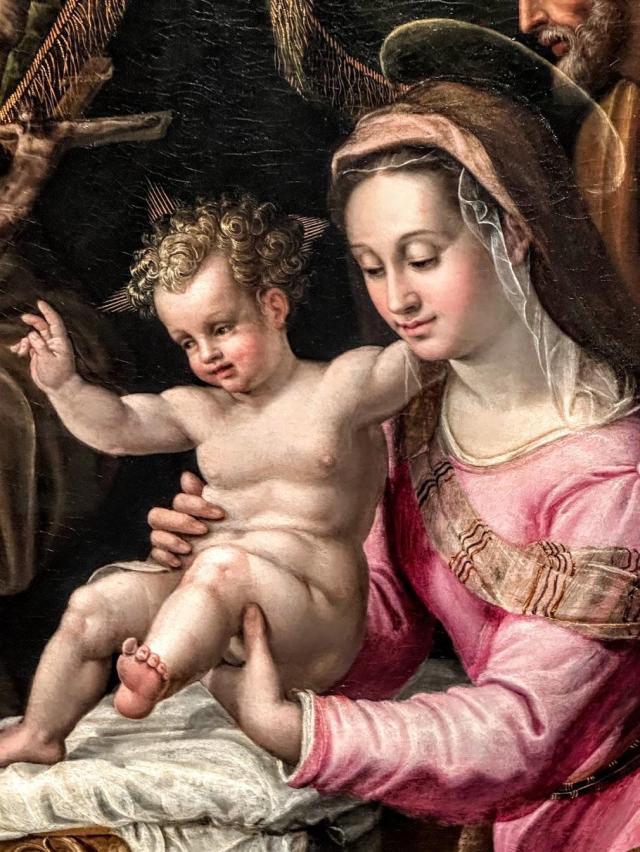
Josefa de Ayala, aka Josefa de Óbidos, was a novelty. She was celebrated after her death; the only woman known to have worked as a painter in Portugal, during that period.
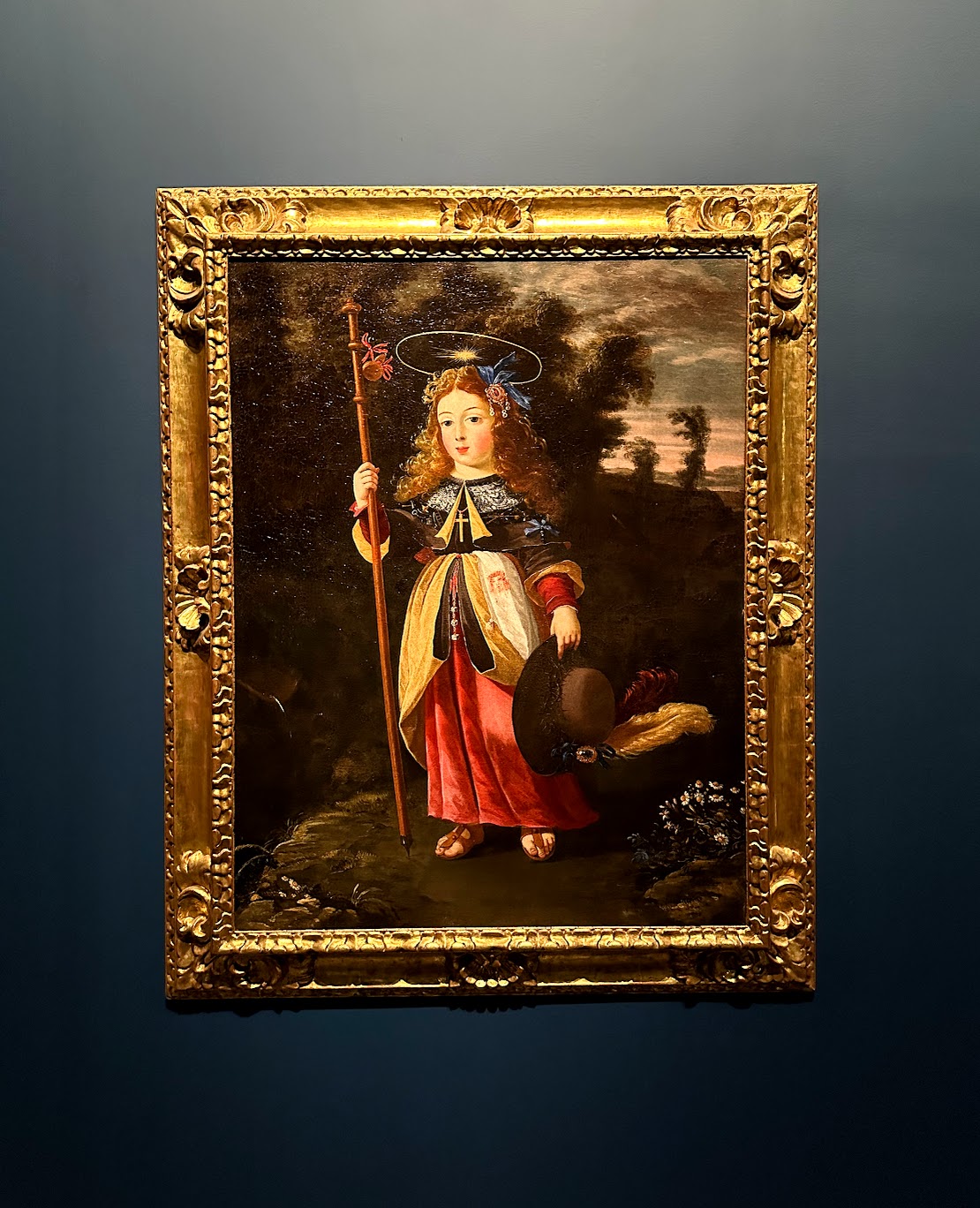
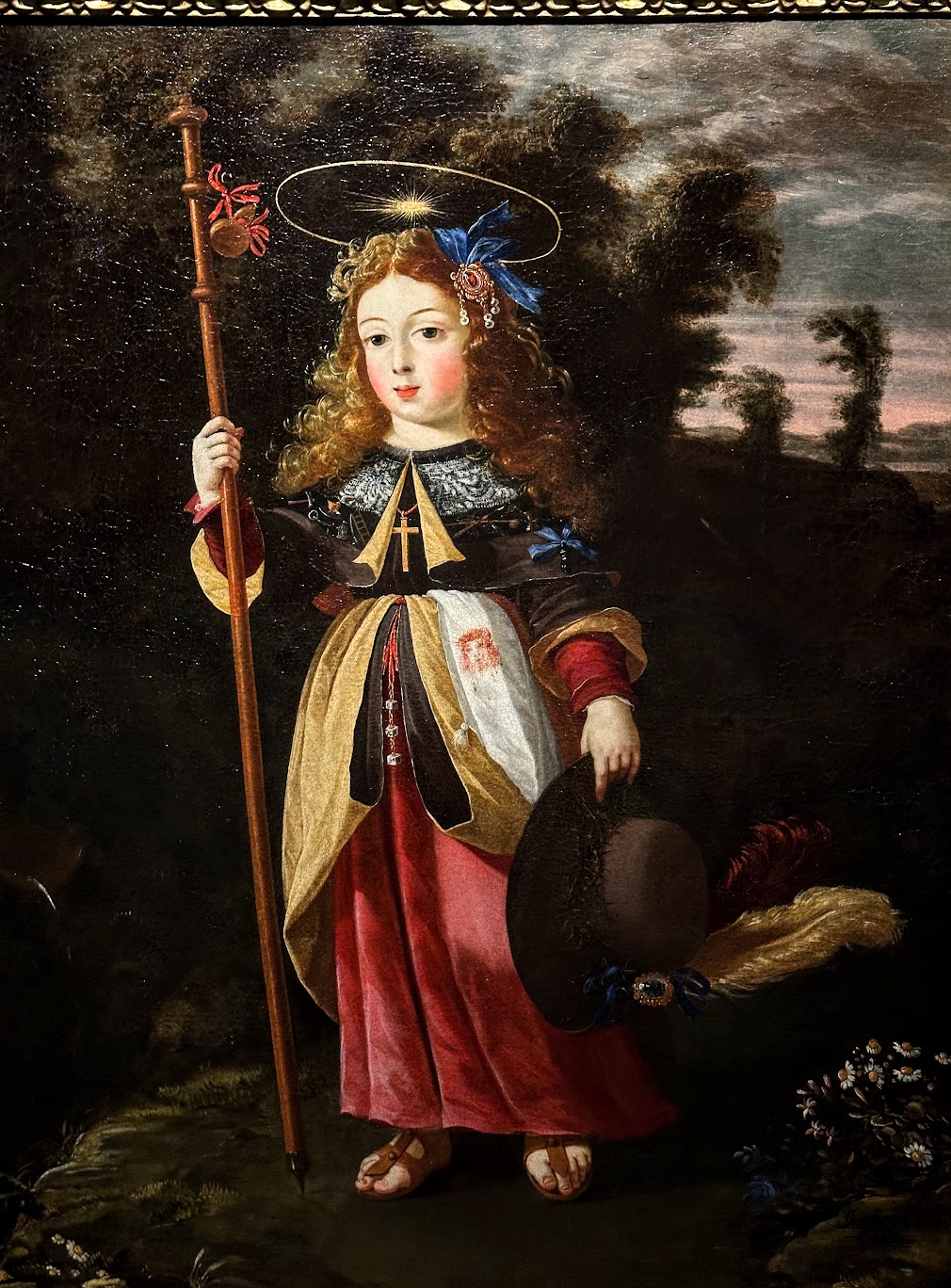
The Christ Child as Pilgrim – 1676– Oil on Canvas
Josepha learned to paint by helping her father, Baltazar Gomes Figueira. In her lifetime, Portugal was monetarily unstable and often at war. However, much of her artwork was for patrons in Coimbra, a wealthy area boasting a university.
At 29 years old, her parents gave written permission for her to be to be a Donzela emancipada. (emancipated woman). She remained unmarried and independent for her entire life.
She received many commissions, during her lifetime. However, Josepha was wealthy from real estate investments and was able to refuse work at the Portuguese court.
She signed many of her artworks, as Salvator Mundi. Thinking this was a male painter attracted clients, and prevented her from being forgotten over time.
Lavinia Fontana
Italian: 1552 -1614
Born in Bologna, died in Rome; Lavinia Fontana painted in the Mannerist style she was taught by her father, Prospero Fontana.
Holy Family with Saints Margaret and Francis – 1578
An important portraitist in the late 16th century, she also produced many religious paintings. Lavinia was celebrated for the vibrant colour and detail of the clothes and jewels her subjects wore. She also became one of the first women to render publicly funded, large scale figure paintings.
In 1577 Fontana married Gian Paolo Zappi. An inferior painter, he pivoted to becoming her business agent.
Some of her paintings are signed with her married name.
Lavinia was the mother of 11 children.
Enjoying the patronage of the family of Pope Gregory XIII, Lavinia painted portraits of much of the elite.
In 1604 she painted the Martyrdom of St. Stephen, for San Paolo Fuori le Mura in Rome. An altarpiece and her largest work, it was destroyed when the basilica burned down, in the fire of 1823.
This is an oil on canvas painting, and there were at least 2 others by Lavinia Fontana in the Making Her Mark exhibit. I’ll show those at another time, with a few more tidbits of her extraordinary life.
In the meantime, should you be interested to learn more about her, you can check out the links at the end of this post, search her online or in libraries.
Barbara Longhi
Italian: 1552 – 1638
Known primarily for her religious paintings, Barbara Longhi’s work can be difficult to differentiate from her father’s work. Her father, Luca Longhi, was a renown painter and miniaturist. Barbara began her art journey, by assisting him with altar pieces.
Virgin Mary & Infant Jesus – ca – 1575-80
She expanded beyond her father’s teachings by studying the works of Parmigianino and Correggio. Barbara painted primarily religious images, including several depictions of Madonna and Child with Renaissance style and features. I’m intrigued that parted drapes exposing landscapes was one of the elements.
Giorgio Vasari commended her for having “purity of line and soft brilliance of colour”.
Her ability to capture human interaction kept her one of the few successful career women of her day.
The Art Gallery of Ontario has obtained this 42.5 × 34 cm. oil on canvas painting for its permanent collection.
” Longhi’s painting, alongside two other gifted paintings by women artists (Mary Ann Alabaster (1805–1879) and Rosa Bonheur (1822–1899)), extends the AGO’s holdings of European Art by female artists three centuries deeper into the past.” – AGO
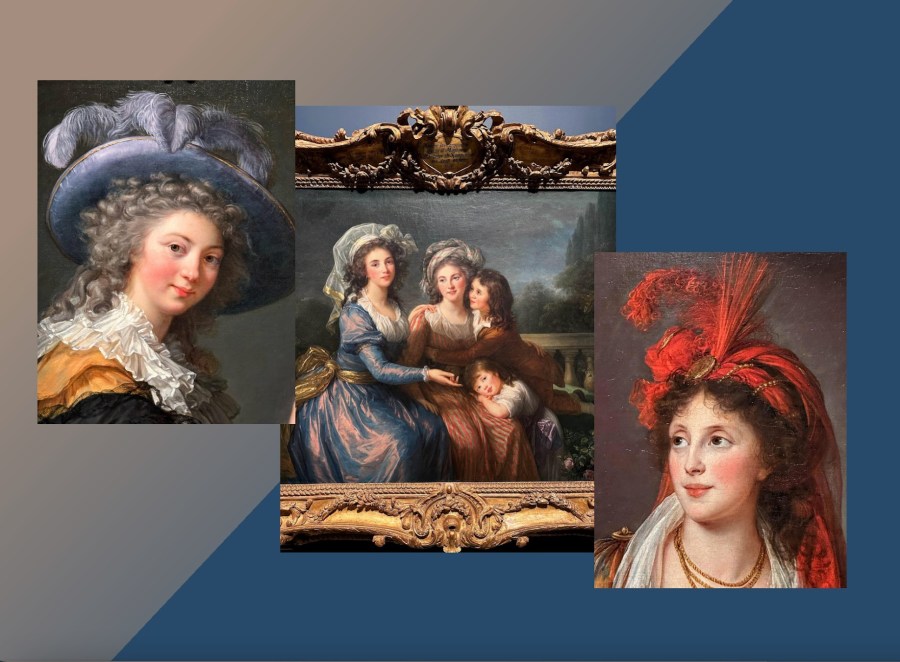
She painted Queens and Kings. She was the official portrait artist to Marie Antionette. Much has been recorded by and of Élisabeth Vigée Le Brun (1775 -1842).
Yet, who are some of the extended royalty whose VigéeLe Brun’s images linger on earth for posterity? I was privy to viewing 3 of Élisabeth Vigée Le Brun’s portraits at the Making Her Mark exhibit. All 3 are of royalty.
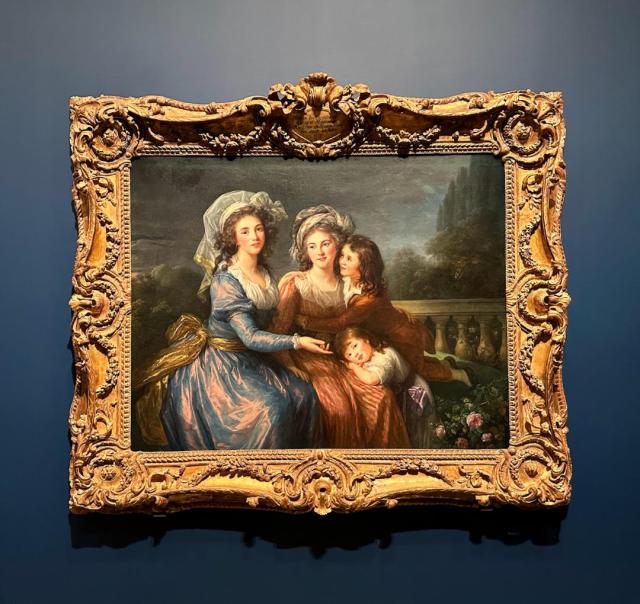
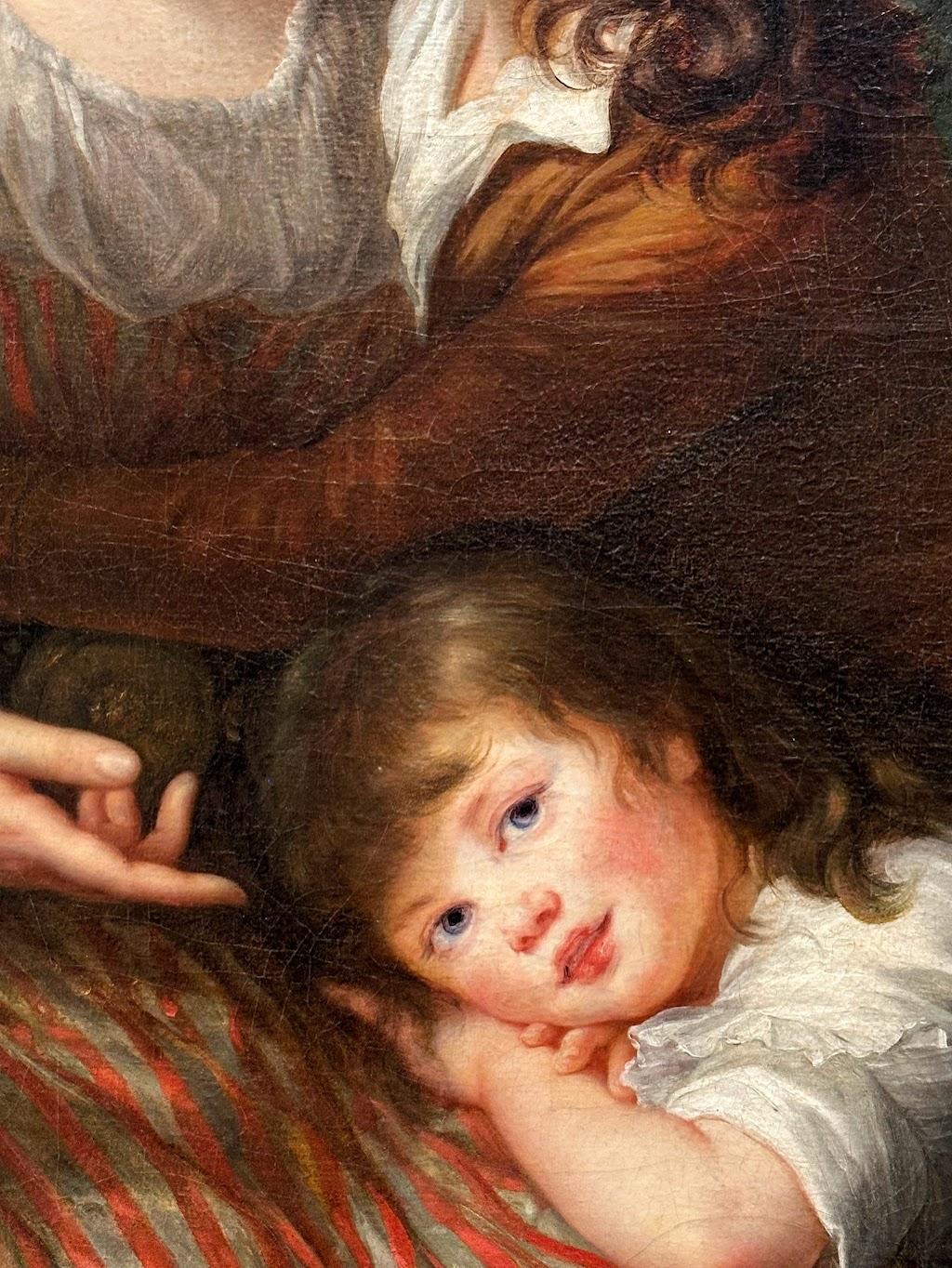
The Marquise de Pezay, and the Marquise de Rougé with Her Sons Alexis and Adrien
This massive painting (4.5 ‘ x 5.1’) painted in 1787, was one of my faves at the exhibit. It was almost like being with living people.
1787 – Oil on canvas
The Marquise de Pezay
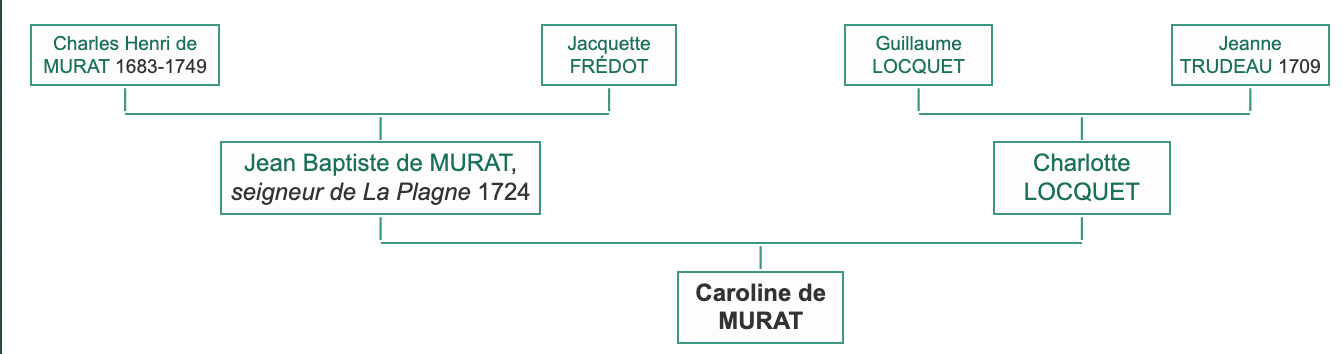
There is not much written about The Marquise de Pezay nee: Caroline de Murat, and I cannot find the date of her birth. From an old Auvergne family, she was very beautiful and quite penniless.
In 1776 she married Alexandre-Frédéric-Jacques Masson , Marquis de Pezay. The Marquis de Pezay was a French Military officer of distinction, a writer and encyclopedist. In 1777, at only 36 years of age he died at Pezay Castle.
Vigée Le Brun and the Marquise de Pezay both fled Paris in 1789 shortly after the storming of the Bastille.
The Marquise de Pezay found refuge in Lausanne, Switzerland, where she died in 1794.
There is also a record of her in Heidelberg in 1791.
In researching Caroline de Murat, you will also find Caroline Murat is the name of Napoleon Bonaparte’s youngest sister.
Marquise de Rougé
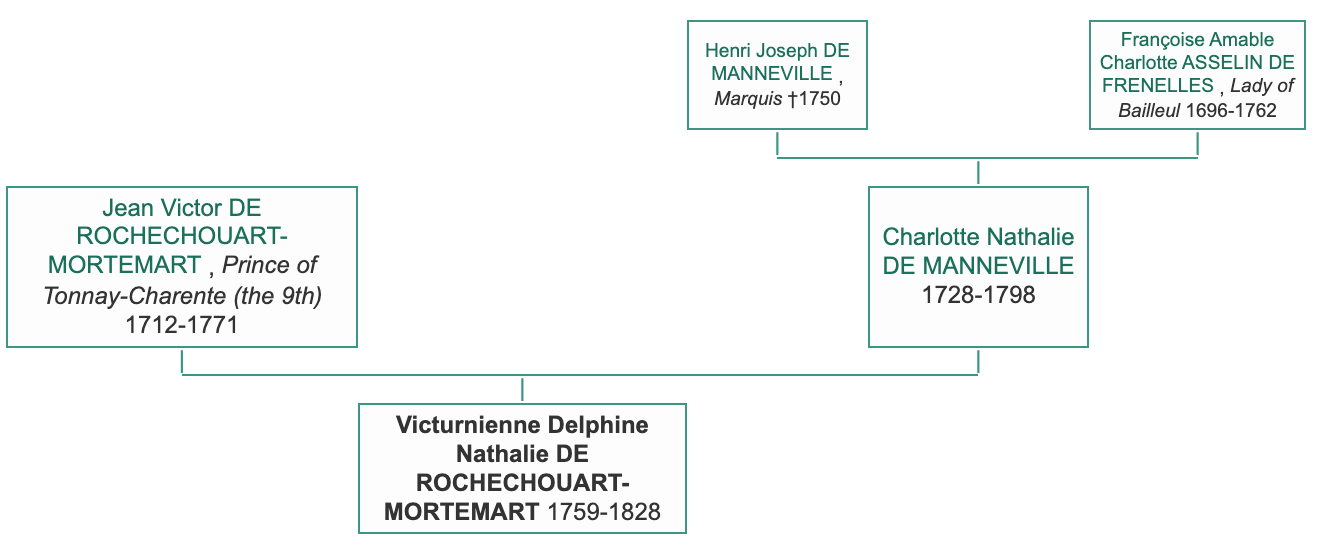
Nee: Natalie Victurnienne de Rochechouart de Mortemart (1759 -1828). Her father was Jean Victor de Rochechouart de Mortemart. Her mother was Charlotte Nathalie De Manneville.
She wed in 1777 to Bonabes-Jean-Catherine-Alexis de Rougé, the 3rd Marquis de Rougé. Five years later, returning from the West Indies on a battleship, he died.
In 1789 she and her sons left France for Switzerland, but returned to France in 1790. At that time, they lived in seclusion at the Château de Moreuil with her husband’s aunt, the Duchess d’Elbeuf. In 1791, she emigrated to Heidelberg, Germany, along with her children, her mother, andthe Marquise de Pezay.
From the Journal of the Emigration -by: Count d’Espinchal (1748 – 1823) while living in Heidelberg, Germany. Published from the original manuscripts in 1812.
“I have found living here since the winter, the Duchess de Mortemart, mother of the Duke and of the Marquis de Mortemart, both of whom are deputies to the Estates-General … and both members of the majority of the conservative nobility. The Marquise de Rougé, their sister, a pretty and amiable widow, is here with her children (she looks more like their sister) … and Mme de Pezay … who is her intimate friend.”
She returned to Paris in 1798. Her lands had been expropriated and sold. So, she took room and board in a home run by former nuns. Her sons joined her in France in 1800. She died on 25 December 1828
Alexis and Adrien
Alexis Bonabes Louis Victurnien, Marquis de Rougé, ( 1778 – 1839) was a French military officer and Statesman.
In April 1804, he married Alexandrine Célestine Zoé Emmanuelle Thimarette de Crussol d’Uzes (1785–1866). They had 6 children.
Adrien Gabriel Victurnien de Rougé (1782 – 1838) was a statesman and distinguished soldier.
In 1809 he married Caroline de Forbin d’Oppède. They had 4 children.
The Comtesse de Cérès
Seems some scallywag royalty wormed its way into Vigée Le Brun’s life.
1794 – Oil on canvas
It appears as though Anne Marie Thérèse de Rabaudy Montoussin (1759 – 1834) married “The Roué himself”, Jean de Barry-Cérès when she was 18.
Jean de Barry-Cérès, from suspect lower nobility, may have added the “de” to his name. That was easy to do back then, and claim you were A somebody. It appears he earned a scrounged living by both legal and so/so illegal means (gambling parlours and pimping) .
Not only does there appear to be only a Jean Barry (no Cérès), but it is somewhat unclear if he did wed Anne Marie Thérèse de Rabaudy Montoussin, who would have been his second wife. Barry’s first wife was Ursule Dalmas de Vernongrese.
Anne Marie Thérèse de Rabaudy Montoussin apparently married “de Barry” when she was eighteen. This portrait was done in 1784. She would have been 25.
De Barry, the Roué, was persona extremely non-grata at the French Court. Yet, Vigée Le Brun befriended the Comtesse de Cérès.
The friendship did not last.
Vigée Le Brun was furious that gossip was accusing her of having an affair with the French Finance Minister, Charles Alexandre de Calonne; gossip fuelled by the actions of Madame de Cérès .
From the memoirs of Élisabeth Vigée Le Brun
“While I was painting her portrait, she did me an atrocious disservice. In her ingratiating way she asked me to lend her my horses and carriage to take her to the theater.
The next morning I requested my horses for eleven o’clock. Coachman, horses, nothing had come back. I learned that Madame de Cérès had spent the night at the Finance Ministry.”
All assumed the affair was with Vigée Le Brun, as it was her coach that spent the night outside the Finance Ministry.
Élisabeth Vigée Le Brun
I’d like to take a moment here to say how awed I was standing in front of Élisabeth Vigée Le Brun’s paintings. They took my breath away. Rebecca Budd, curator of Chasing Art has, written an outstanding 7 part series onÉlisabeth Vigée Le Brun.
Below is the link to the first article. Just click on “NEXT POST” and work your way through this enchanting recounting of a remarkable woman in history, or I might say – Herstory!
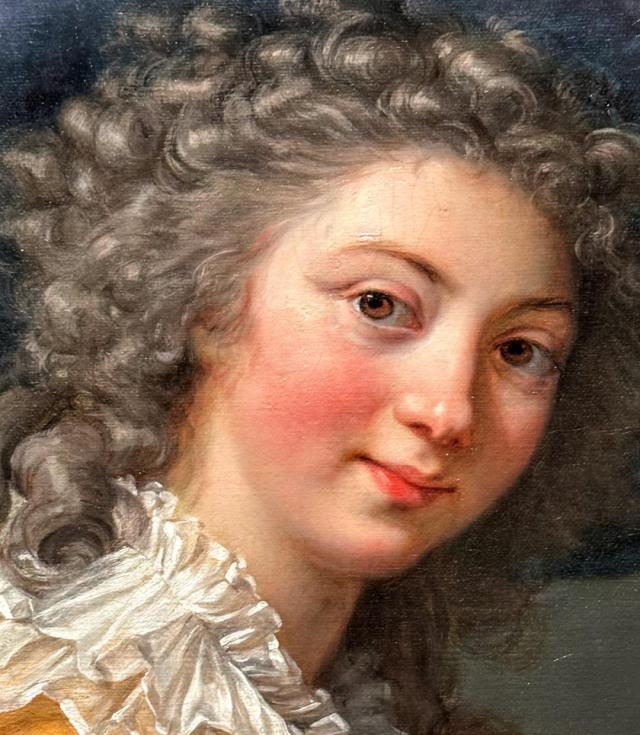
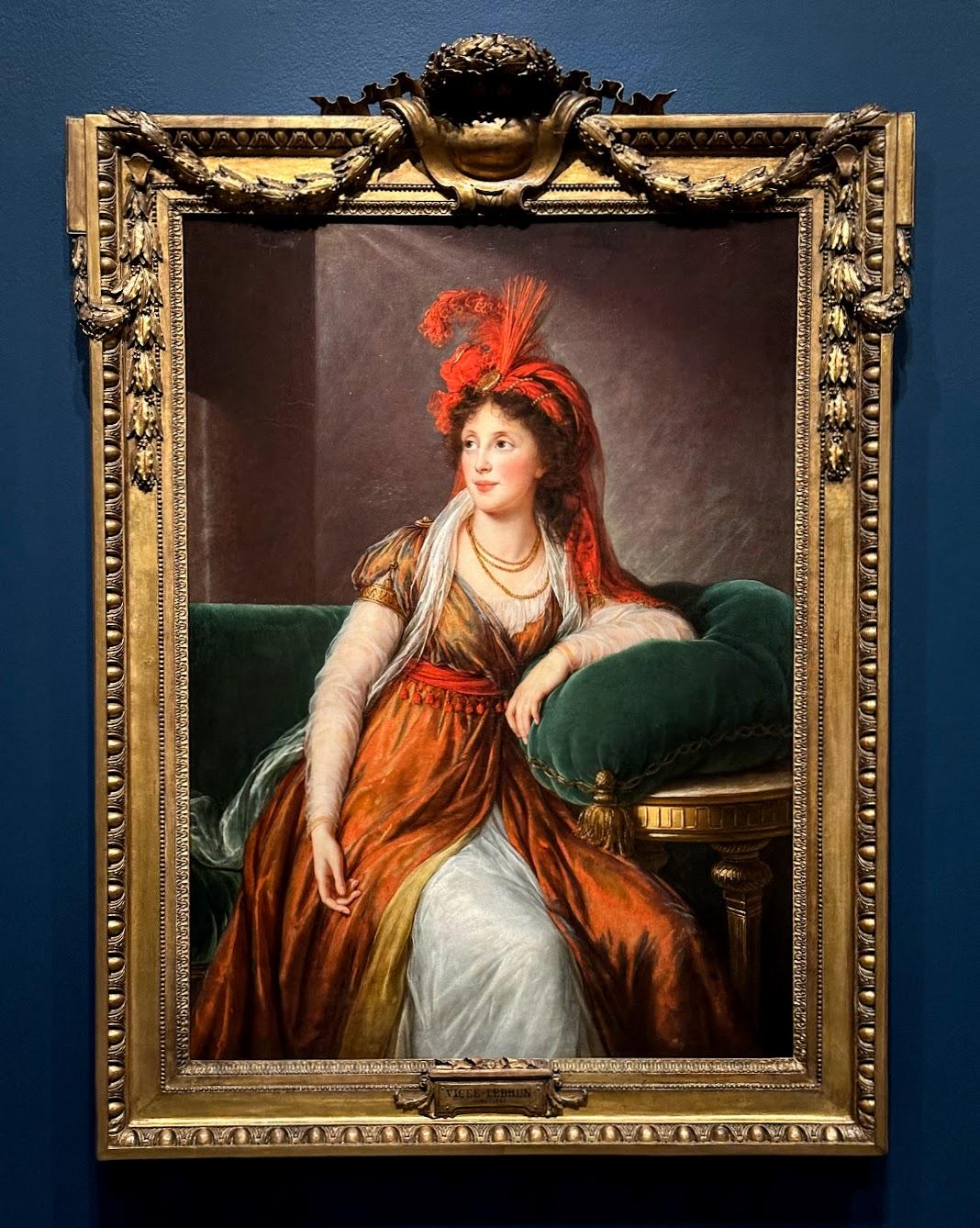
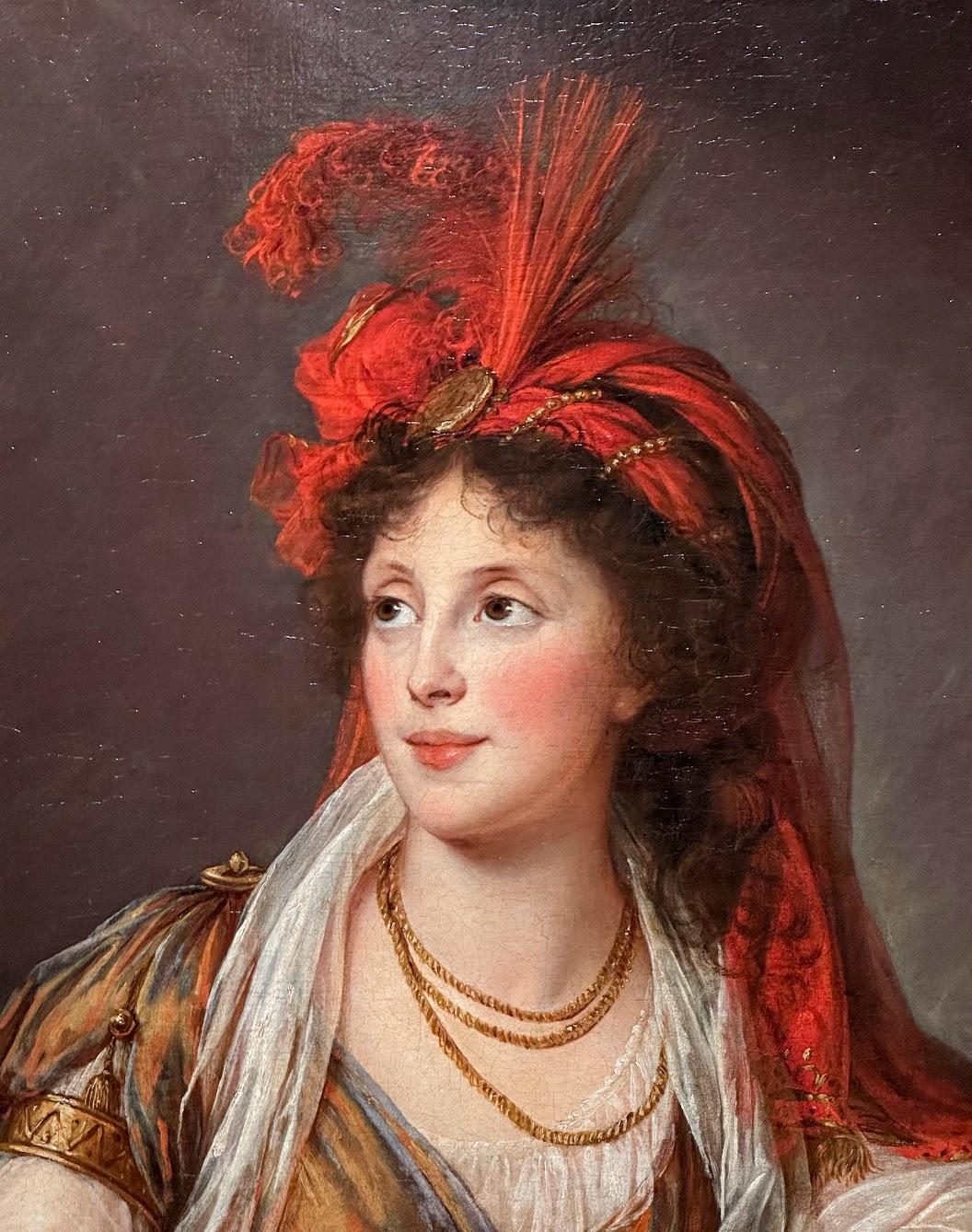
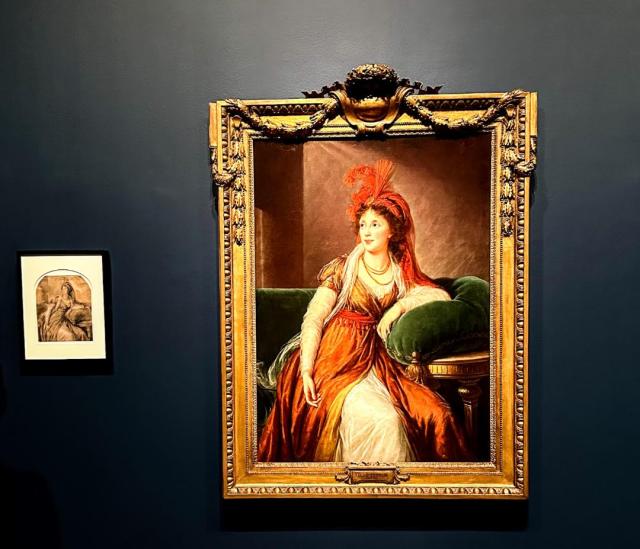
Princess Anna Alexandrovna Galitzin (August 1763 — October 1842) was a Russian aristocrat of Georgian royal origin.
1797 – Oil on canvas
Anna was the daughter of the Tsarevich of Georgia. Growing up in Moscow, she knew a good deal of local power. This power was afforded her, because she was a member of the house of Bagration-Gruzinsky.
In 1785 she married the illegitimate son of Prince Aleksander Mikhailovich Golitsyn, Alexander Alexandrovich Litsyn. One year after his passing, in 1789, she married her third cousin once removed, Prince Boris Andreevicholitsyn. Together they had 8 children. Her husband died of a stroke in 1822.
Tsar Paul Icame to the Russian throne in 1796. In 1798 he promoted Prince Boris to lieutenant general. In 1800, Boris did something to anger a higher ranking officer. The result was that he, Anna and her family were “compelled to retire” to their estate, in the province of Vladimir.
In 1801 Alexander I came to power, and high society of St. Petersburg accepted the family back.
Back in St. Petersburg, Princess Anna hosted a most influential salon.
Vigée Le Brun was charging high prices when Princess Anna commissioned it in 1797. However, money was not an issue. Princess Anna possessed of one of the largest fortunes in the empire.
Also on display was the working drawing, in black and white chalk with stumping on paper.
It seems the gown Princess Anna is wearing was a house dress, nothing fancy. Also, for reasons of modesty, the sheer arm sleeves were apparently added after completion of the portrait.
Thank you for reading another post of “Making Her Mark”
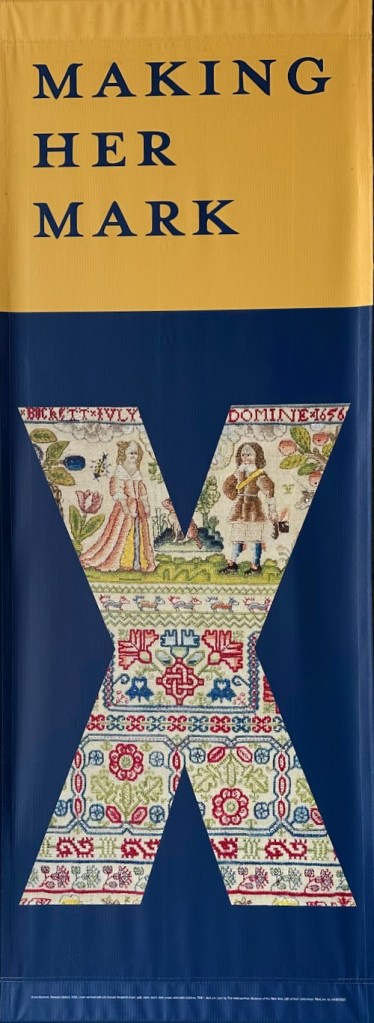
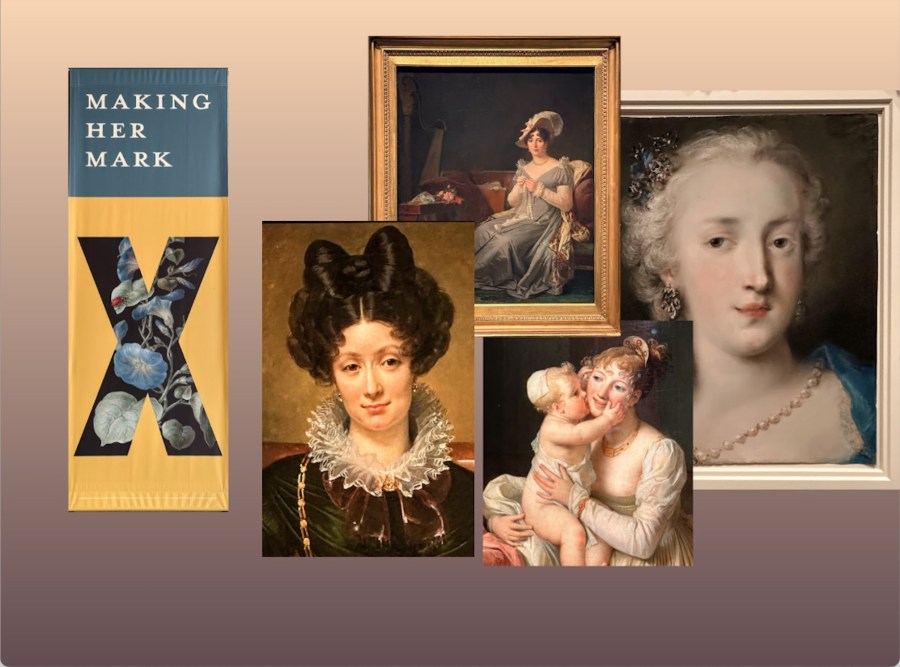
To read all posts just click on the Making Her Mark banner at the top of the side bar!
Please click on the banner below to go to the research links page.
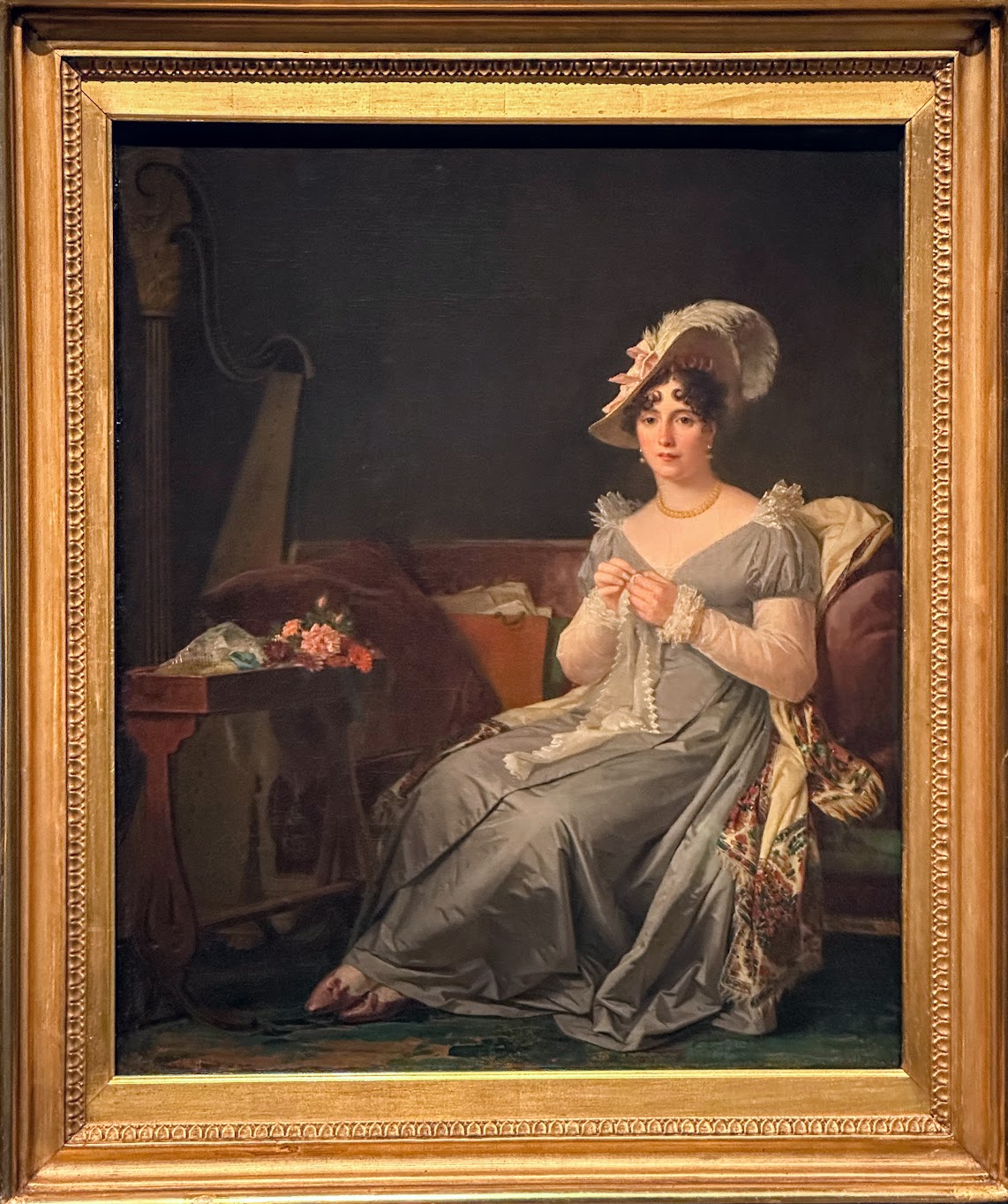
They were not royalty, but may have painted for royalty.
Their parents worked for royalty, were politicians, acclaimed artists or important clergy. These aristocrats wielded economic, political, and social influence. They were fortunate ones, before and during the rise of a European middle class due to the industrial revolution.
Louise-Adéone Drölling
French – 1797 – 1831
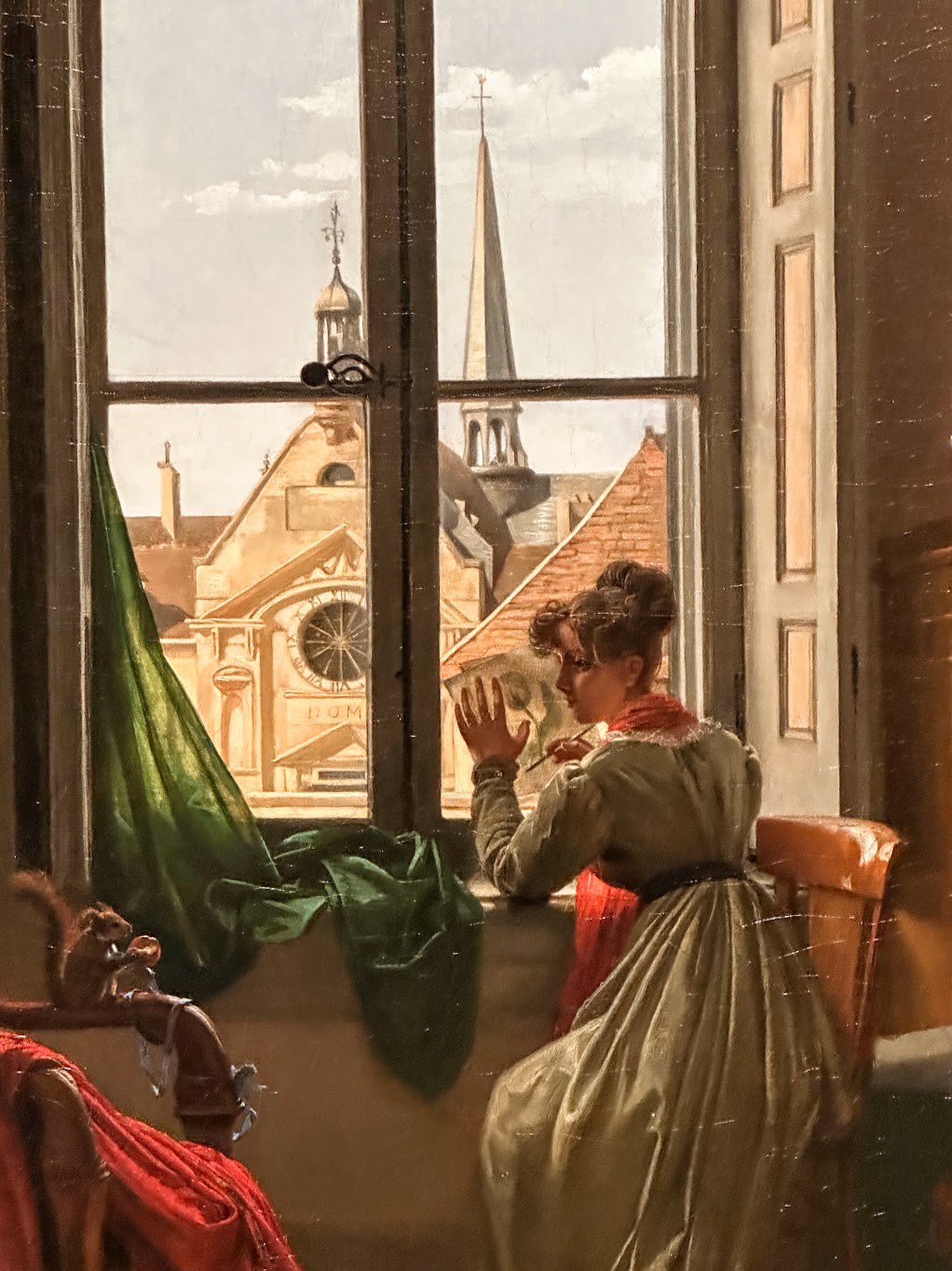
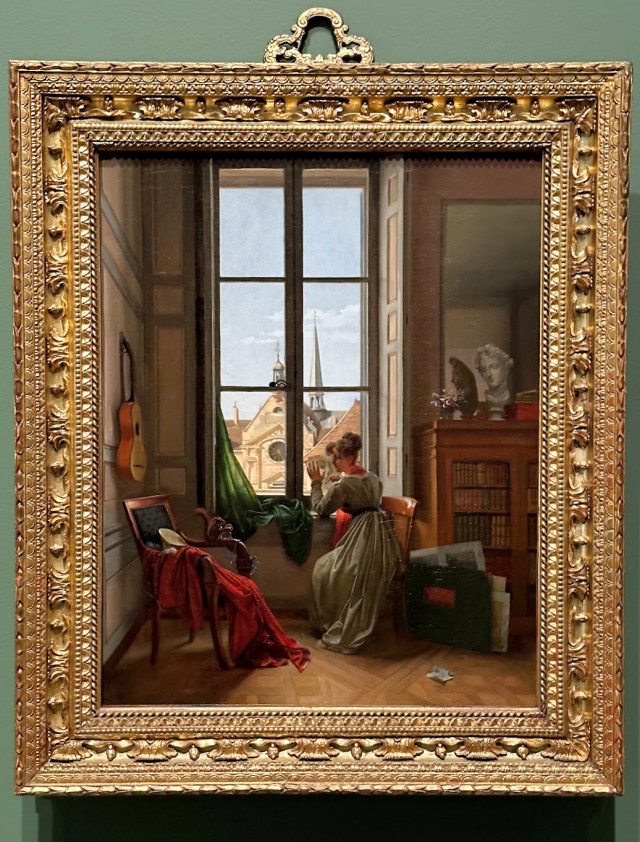
Young Woman Tracing a Flower – Circa 1820-22
Louise-Adéone‘s father, Martin Drölling, and older brother, Michel Martin Drölling, were celebrated artists in their day. At the age of 15 she was encouraged to begin painting.
In 1819, Louise-Adéone married architect Jean-Nicolas Pagnierre. Widowed in 1822, she remarried Nicholas Roch Joubert in 1826. Joubert, chief tax officer of Paris, was the son of politician and former bishop Pierre-Mathieu Joubert. They had two daughters, Adéone Louise Sophie, and Angélique Marie.
Louise-Adéone Drölling, aka Madame Joubert won a Gold Medal from Salon des Amis des Arts, for her above painting; Young Woman Tracing a Flower. Thought be a self portrait, it later became part of the distinguished collection in the Gallery of La Duchesse de Berry.
I have found conflicting dates of her Gold Award – 1824, 1827 or 1831.
Marguerite Gérard
French – 1761 – 1837
Motherhood Circa 1795-1800
Marguerite Gérard attained much wealth and real estate during her life, despite remaining unmarried.
In 1775 she moved from Grasse to Paris and lived with her sister’s family. Her sister was married to the popular Rococo painter Jean-Honoré Fragonard. Here she had financial freedom and was trained in art as Fragonard’s unofficial apprentice.
By her mid 20’s, Gérard had achieved a signature style.This involved precise details made with subtle and blended brush strokes, inspired by 17th-century Dutch genre paintings. However, she made it her own by focusing on females in intimate domestic settings.
Young Woman Embroidering – Circa 1815-20
In the 1790’s, once the Salons were opened to women, she exhibited often, winning three medals.
Over the course of her successful fifty years, Gérard survived the French Revolution and Napoleonic Wars.
Her paintings were acquired by luminaries such as Napoleon and King Louis XVII.
Her small-scale, portable canvases appealed to many wealthy collectors, who preferred to display her small scale still life and genre paintings in their homes, over large historical canvases.
The numerous engraved versions of Gérard’s paintings made them accessible to less affluent art lovers and helped increase her reputation.
Gérard did not always follow convention, turning down a place at the French Royal Academy.
Catherine Lusurier
French – 1753 – 1781
Portrait of a Woman Drawing
Catherine Lusurier died at the young age of 28 years old. There is not a lot known about her, and only a few known signed paintings are accounted for.
Her mother, Jeanne Callot, was a dressmaker, while her father Pierre was a milliner. Apprenticing under her uncle,Hubert Drouais (1699-1767), her work bears his stylistic influence. Her paintings are predominantly portraits of children and artists.
A Catherine Lusurier work recently headlined Christie’s Old Masters and 19th Century Paintings, selling from a Private Collection. Sold Without Reserve at 3.11 million dollars, it exceeded the pre-sale high estimate.
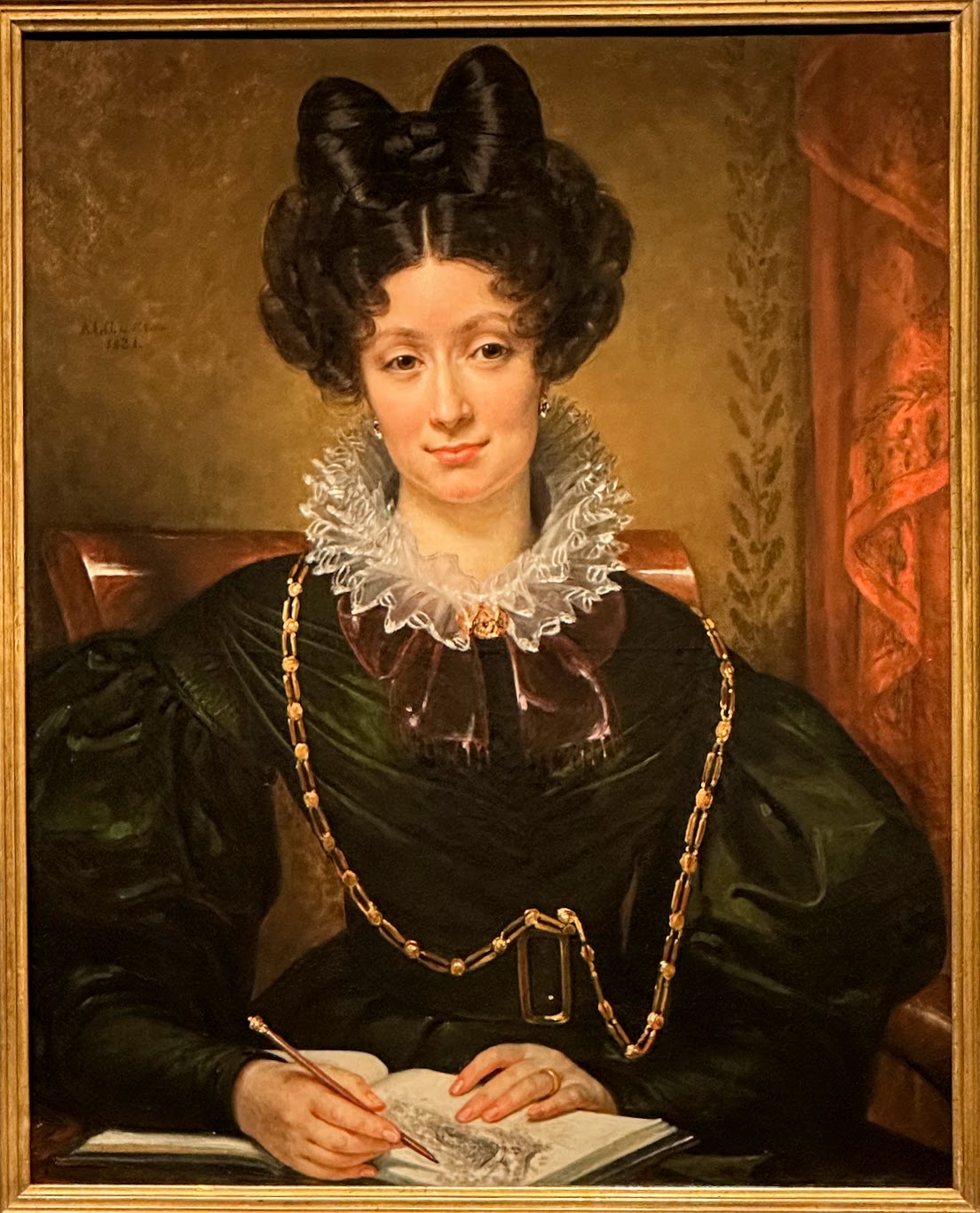
Amélie Legrand de Saint-Aubin
French – 1797 – 1878
Portrait of an Artist Drawing a Landscape in her Sketchbook – 1831
Amélie Legrand de Saint-Aubin, the eldest daughter of Pierre Jean Hilaire Legrand de Saint-Aubin (1772–1839) and Denise Marie Claudine Legrand (1772–1855), was born in Paris. After training and studying in the Women Only Studio with Charles Meynier, Amélie Legrand de Saint-Aubin‘s Rococo style portraits and history paintings grew in popularity.
Portrait of an Artist Drawing a Landscapein her Sketchbook is of a long standing tradition of women artists picturing women painting art.
Political changes from the French Revolution resulted in women being allowed to exhibit in the French Salon. Amélie Legrand de Saint-Aubin went on to exhibit at 17 salons over the course of her career.
Around 1831, she began teaching, offering private lessons. She never married.
“This stunning portrait recently joined the AGO’s permanent collection and made its debut as part of the exhibition Making Her Mark: A History of Women Artists in Europe 1400 – 1800. “
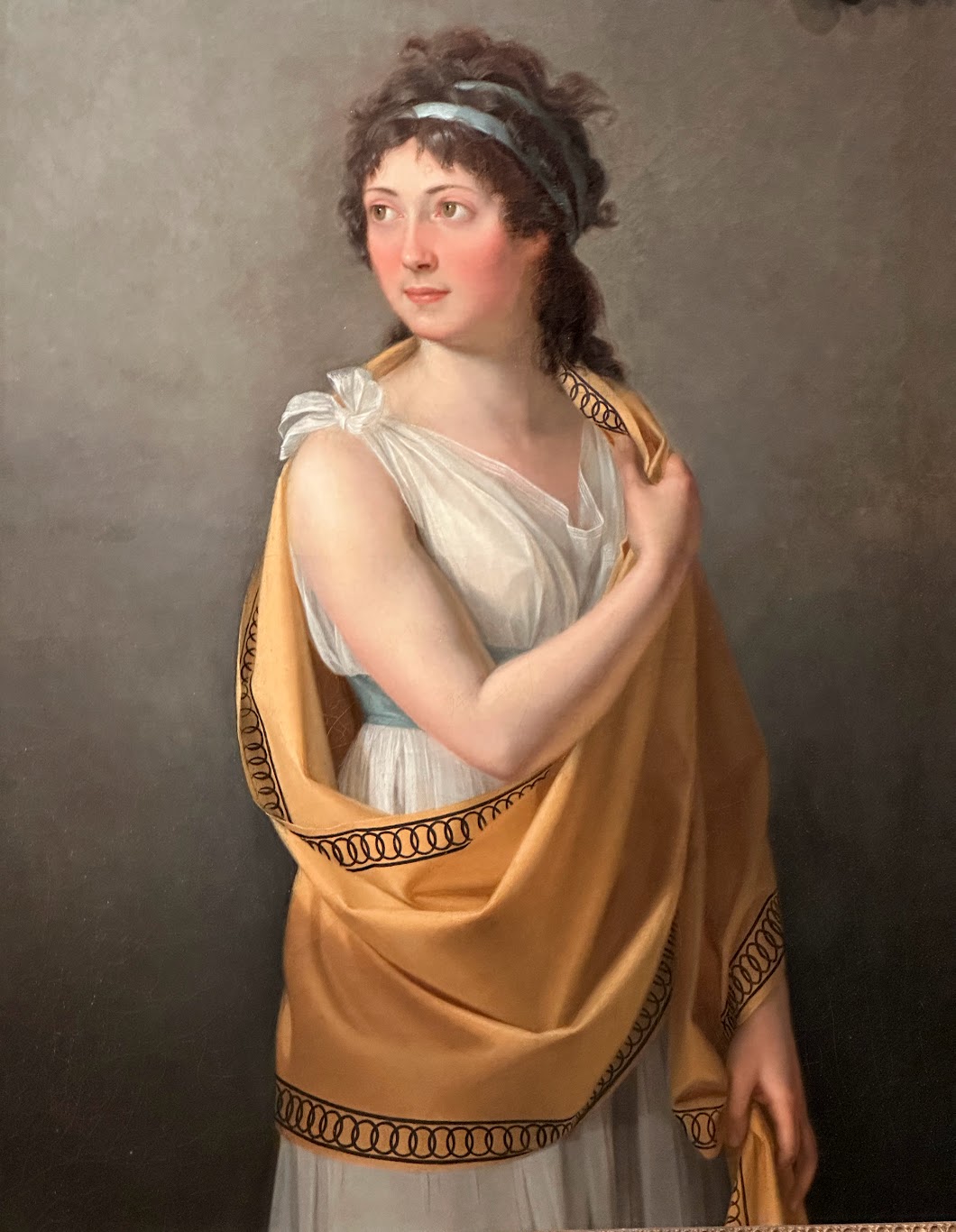
Marie-Guillemine Benoist
French – 1768 – 1826
Portrait of a Lady Circa 1799
Marie-Guillemine was born in Paris. Her mother was Marguerite-Marie Lombard and her father, René Laville-Leroux, a royal administrator for the ancien régime state. Marie and her sister, Baroness Larrey, (1770–1842), studied art from Élisabeth Vigée-Lebrun. Later they studied under Jacques-Louis David.
Her first exhibition was in 1784, at an annual 1 day show in Paris – Exposition de la Jeunesse.
Until the Louvre Salon became open to all exhibitors in 1791, where Benoist was one of 22 women presenting, she showed yearly at the Exposition de la Jeunesse.
At the Salon in 1804, she won a medal, whereby France’s new Emperor, Napoleon Bonaparte, ordered multiple commissions.
Other than her Salon successes, which are in the French state collection, Benoist’s work, including Portrait of a Lady was attributed to a man; in her case, Jacques Louis David.
Like many women artists of her day, their posthumous fate was to be overlooked, forgotten and/or effaced.
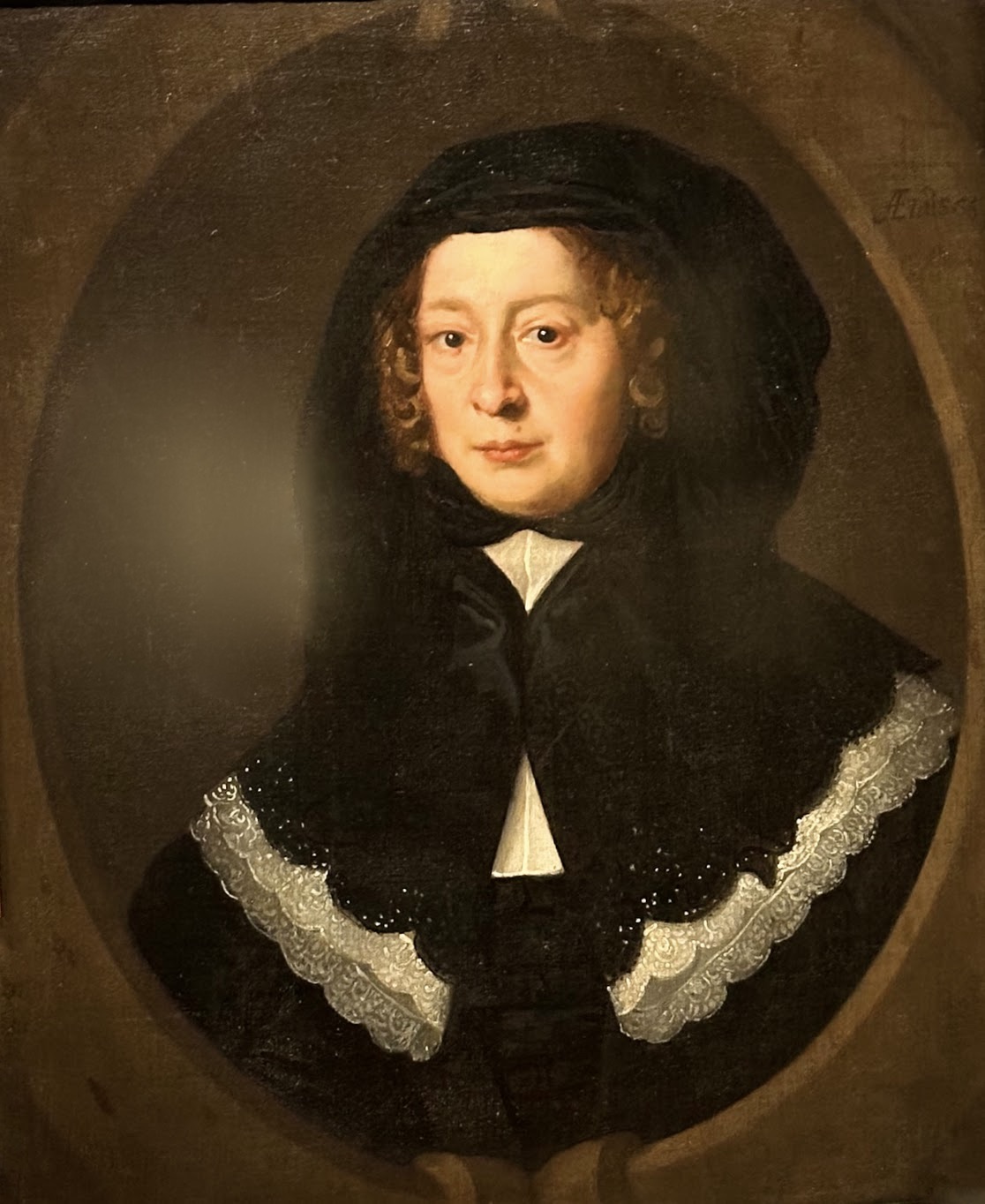
Mary Beale
English – 1633 – 1699
Portrait of a Woman with a Black Hood -Circa 1660
Mary Beale was the daughter of a clergyman, John Cradock, so it seems natural that much of her portraiture is of churchmen. It is not sure who she trained under, but she received considerable guidance from Peter Lely
In London, she moved in intellectual circles. By, and into the 1670s she was in demand as a portrait artist, earning enough money to support her family of four.
After several years of mundane civil service; Mary’s husband, Charles Beale, left his monotonous job to become her full time studio manager.
Much has been learned from the many notebooks he kept.
One example: Charles recorded that in 1677 Mary completed 90 commissioned portraits. There were 31 female sitters and 34 male. The women and girls were mostly either titled or gentry. Men and boys were gentry or of “middling sort.”
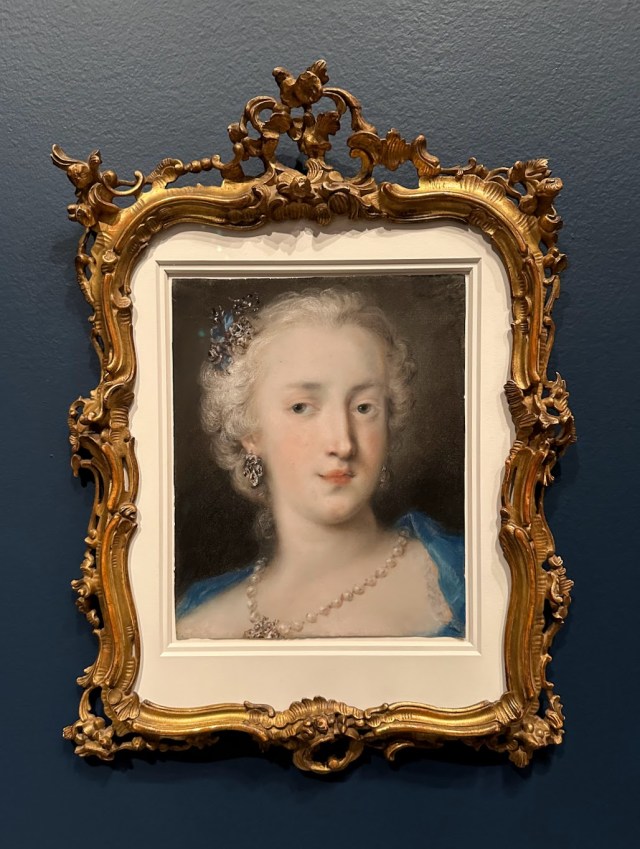
Rosalda Carriera
Italian – 1673 – 1757
Portrait of a Woman – Circa 1720’s
Rosalba Carriera was born in Venice to Andrea Carriera, a lawyer, and lacemaker, Alba Foresti. Taught to make lace by her mother, little is known of her artistic training. She is renowned for pastel portraiture and allegories.
In 1720, during a stay with French banker Pierre Crozat in Paris, Rosalba created portraits of Louis XV as a child, and members of the French aristocracy. Here she developed a friendship with Antoine Watteau, who influenced her work.
Rosalba is one of the originators of the Rococo style in Italy and France.
Her greatest patron, Augustus III of Poland, collected more than 150 of her pastels. He also sat for her in 1713.
In 1746 she lost her sight, but her work continued to influence many other artists.
I’ve merely highlighted these women’s lives. There is so much more to know about our trailblazing sisters, who went before us.
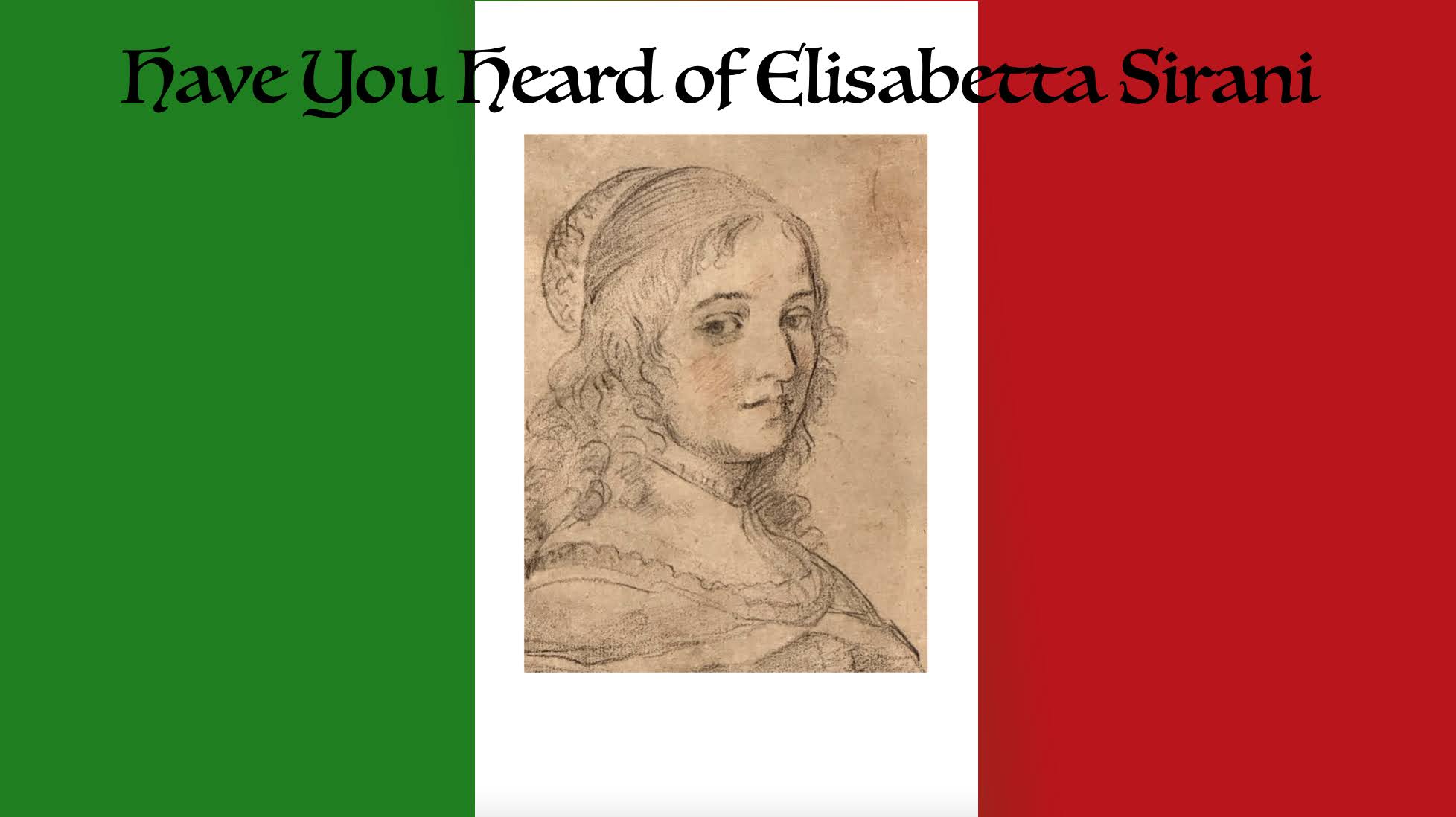
Welcome back to our Self Portraits series! I’m your host, Resa, with co-host Rebecca Budd, curator of Chasing Art. Today We are discussing an artist from the 17th century, Elisabetta Sirani.
Resa – So Rebecca,after all you’ve learned, and passed on to me, I’ve come to think Elisabetta was Bologna’s rockstar in the early mid 1600’s. Sayest thee what to that?
Rebecca – I agree wholeheartedly, Resa. Elisabetta Sirani’s exceptional talent and prolific body of work cement her status as a celebrated artist of her time. Despite the challenges she faced as a female artist in a male-dominated field, Sirani’s enduring legacy as a pioneering Baroque painter reflects her rockstar-like influence on the art world of her era.
Over her 10-year artistic career, Sirani demonstrated exceptional productivity, creating over 200 paintings, 20 etchings, and an extensive collection of drawings. I marvel at her ability to create a life/work balance. At the young age of 19, she took on the responsibilities of managing her father’s workshop, supporting her family, and establishing an art academy to mentor and teach women artists. Elisabetta Sirani was a true rockstar of Bologna in the 17th century. In my opinion, she continues to be a rockstar today!
Resa – Well then, let’s see what you discovered!
Master of Chiaroscuro
Elisabetta Sirani was an Italian Baroque painter born in Bologna in 1638. She was the daughter of the painter Giovani Andrea Sirani, who recognized and nurtured her talent from an early age. Sirani’s artistic skills flourished, and she became known for her exceptional talent in her short life.
Despite facing challenges as a female artist in a male-dominated field, Sirani achieved great success and recognition during her career. She was prolific, producing a large body of work that included historical and biblical scenes, portraits, and allegorical paintings. Sirani’s mastery of chiaroscuro (the treatment of light and shade in drawing and painting) and her ability to depict emotion and narrative in her works garnered admiration from her contemporaries and art enthusiasts.
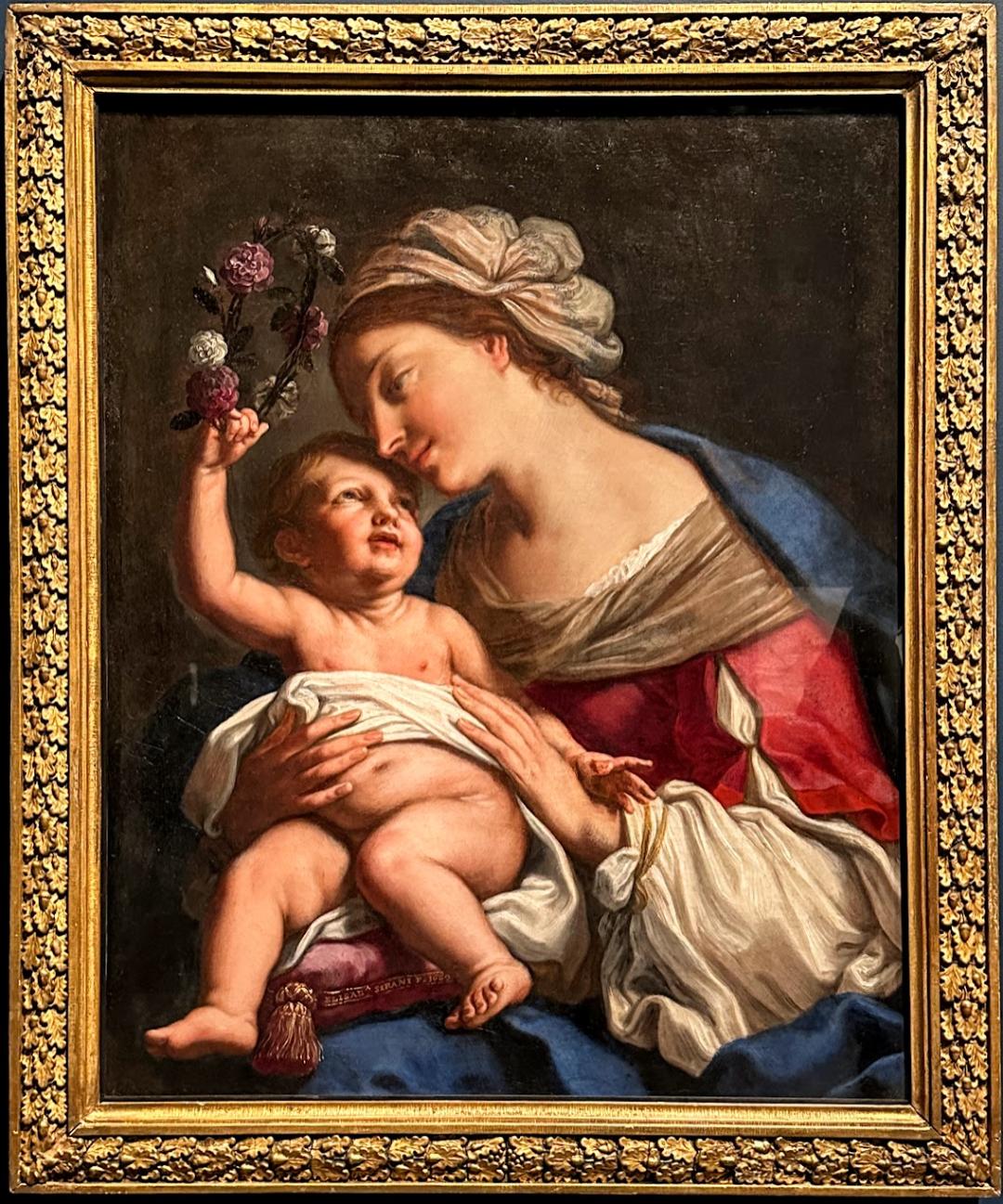
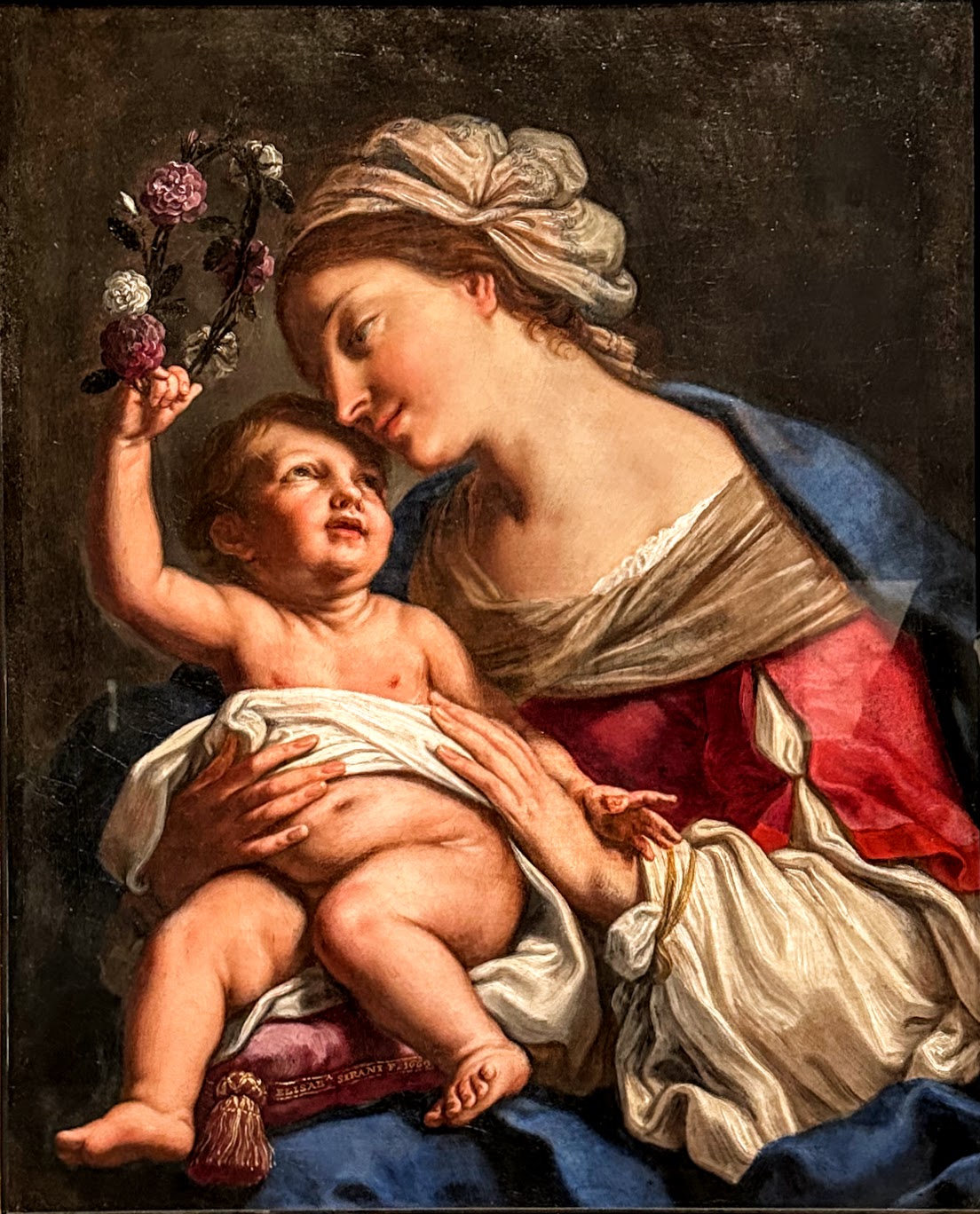
The Virgin Crowned by Christ Child with Roses
A Pioneering Legacy
Elisabetta Sirani’s legacy extends beyond her remarkable talent as a painter. As the successor of her father’s workshop, she also played a crucial role as a teacher, notably contributing to the development of women artists during the Renaissance period. In addition to training her sisters Barbara and Anna Maria, she also instructed at least twelve other young women at the school she established. This pioneering initiative marked the first school of painting for women in Europe outside of a convent, embracing inclusivity regardless of the women’s artistic and social backgrounds.
Elisabetta Sirani’s legacy endures through her remarkable paintings and the influence she had on future generations of artists. She remains celebrated as a pioneering female artist of the Baroque era, showcasing remarkable talent and determination in the face of societal norms.
Resa – “Making Her Mark”even had Elisabetta’s working drawing/study for the above painting. It’s a wonderful complete experience to see both.
Rebecca– I believe the painting, “Virgin Crowned by Christ Child with Roses” is all about love. Elisabetta Sirani imparts a compelling depiction of Mary as a relatable and tender young mother, diverging from the traditional portrayal of the remote Queen of Heaven. In this painting, Mary wears a turban associated with peasant women in Bologna, creating a down-to-earth portrayal. Her adoring gaze at the playful Christ child on her lap exudes a sense of genuine maternal love. Notice how the brushwork is highlighted in the textured representation of the Virgin’s white sleeve, emphasizing its rough and homespun quality. Elisabetta Sirani, with this tender and intimate moment of affection, offers a humanizing perspective of Mary and Jesus.
On the left :
The Virgin Crowned by Christ Child with Roses – 1663 – (red wash with grey chalk on paper)
On the right:
The oil on canvas painting in the same year.
An Untimely Death
Tragically, Eliabetta Sirani’s life was cut short when she passed away at the young age of 27 in August, 1665. Her untimely demise sparked controversy snd speculation. Following her sudden passing, suspicions arose, leading to the trial of her maidservant, Lucia Tolomelli, who was accused of poisoning the talented artist. The circumstances surrounding Sirani’s death led to diverse conjectures, with some attributing it to love-sickness due to her unmarried status, while others cited stress as a contributing factor.
It is widely believed that the true cause of Sirani’s demise was the onset of peritonitis following a ruptured peptic ulcer. This unfortunate event may have been exacerbated by the significant stress she experienced, particularly after being charged with providing for her entire household.
The controversy and diverse interpretations surrounding her passing have added intriguing layers to the legacy of Elisabetta Sirani, portraying a life marked by exceptional talent, determination, and the complexities of the era in which she lived.
A Rockstar Funeral
Elisabetta Sirani’s elaborate funeral reflected the deep respect and admiration held for her in Bologna. The grand ceremony featured an enormous catafalque (a decorated wooden framework supporting the coffin) adorned with a life-sized sculpture of the esteemed artist, as depicted in Malvasia’s biography.
Orations and music composed in her honor by prominent figures from Bologna added a solemn and dignified atmosphere to the proceedings. Following this tribute, she was laid to rest in the Basilica of San Domenico, Bologna, where she joined her father’s teacher, Guido Reni, in a shared tomb
This final resting place solidifies her enduring legacy alongside revered artistic influences, commemorating her exceptional talent and remarkable contributions to the art world.
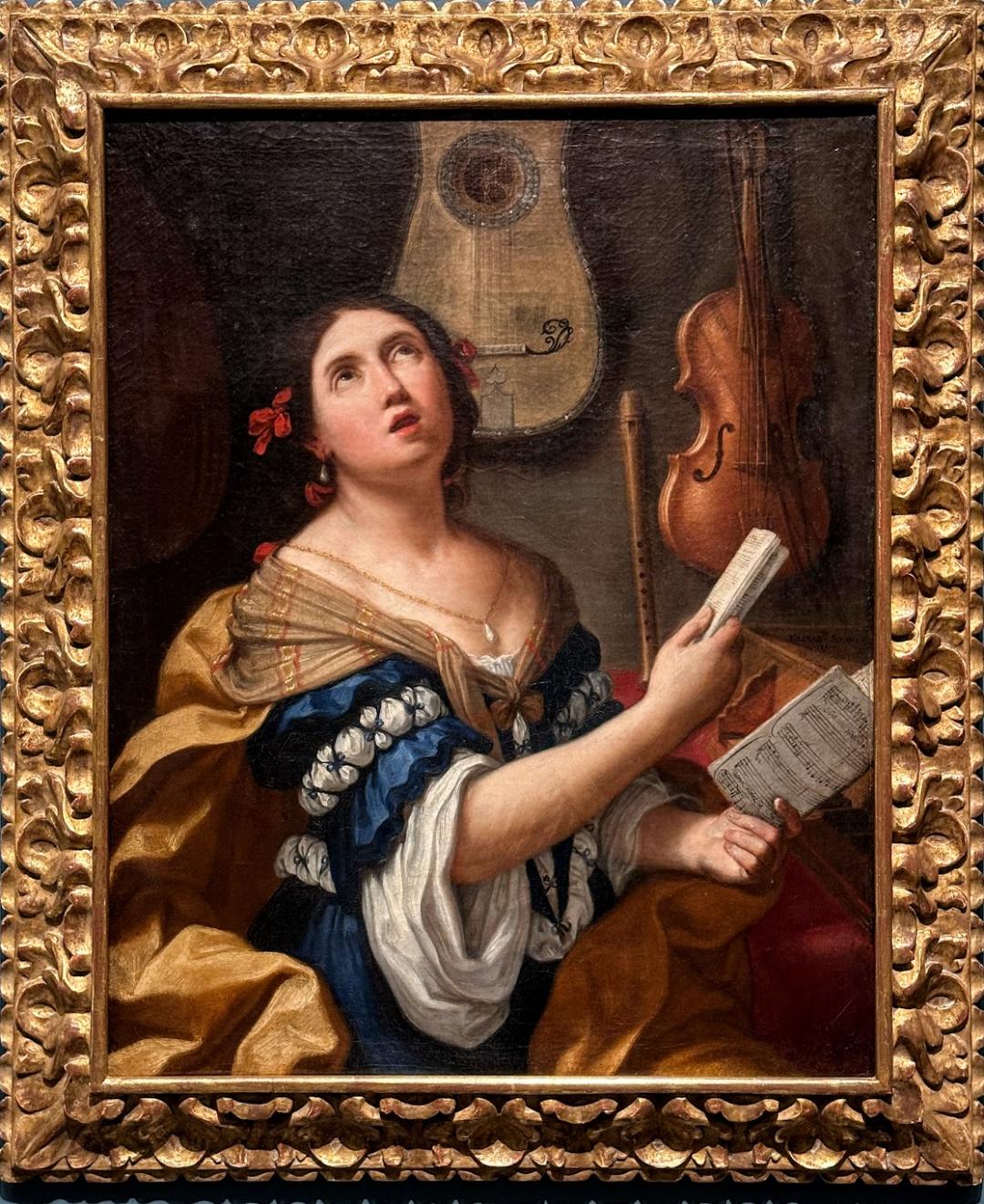
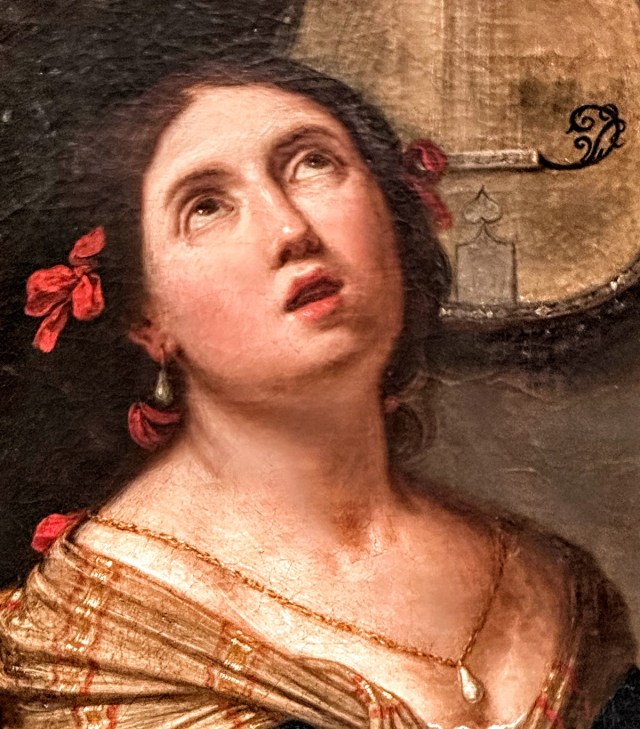
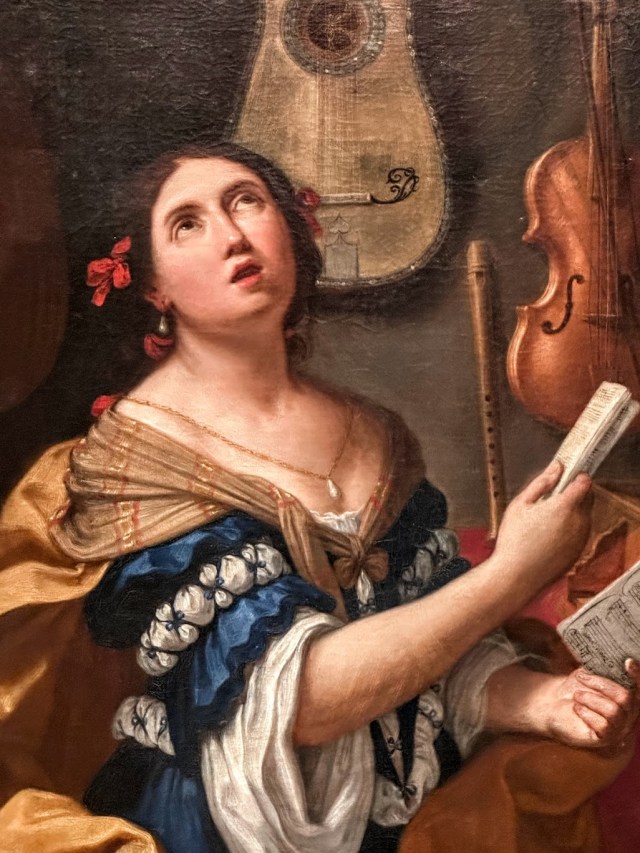
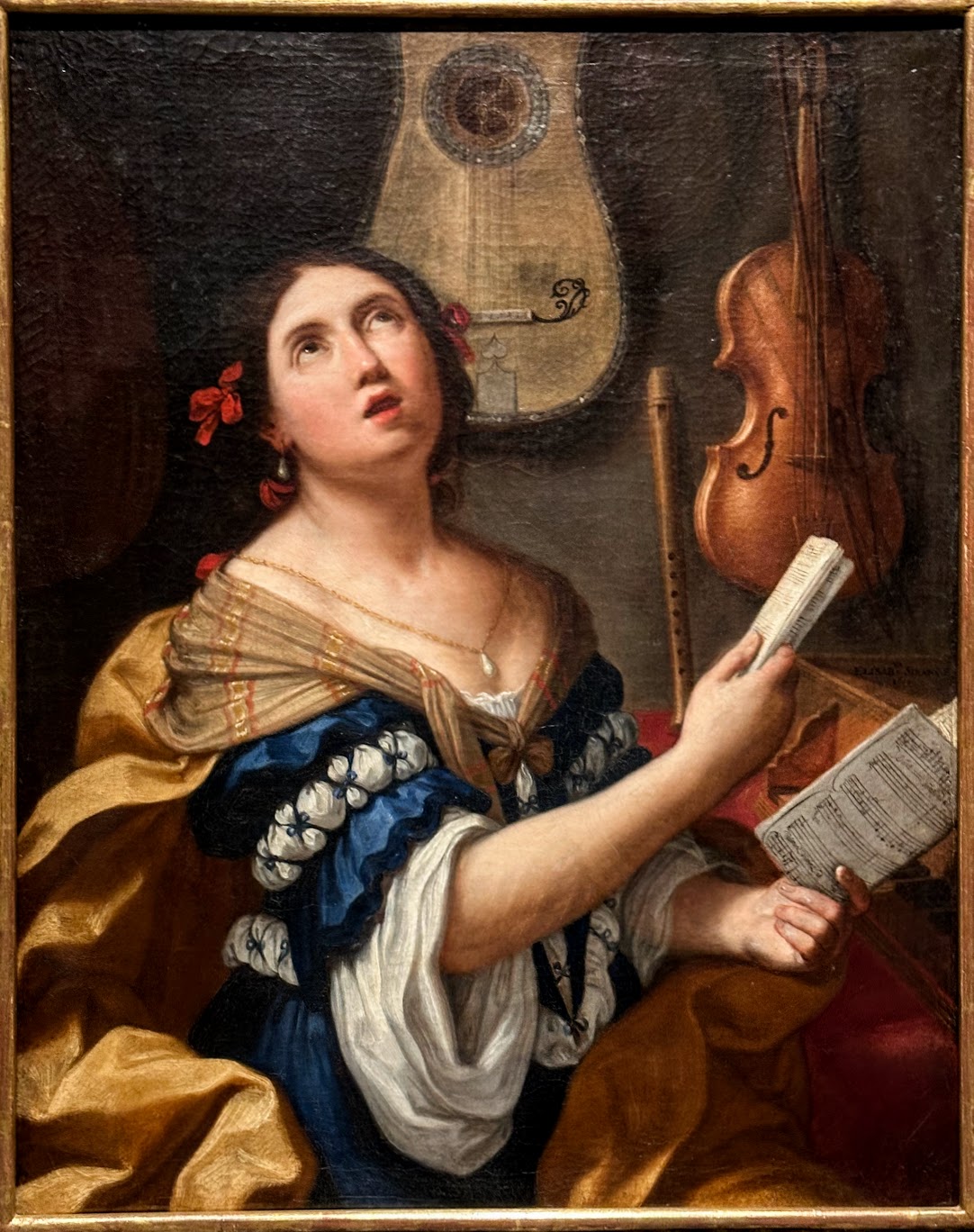
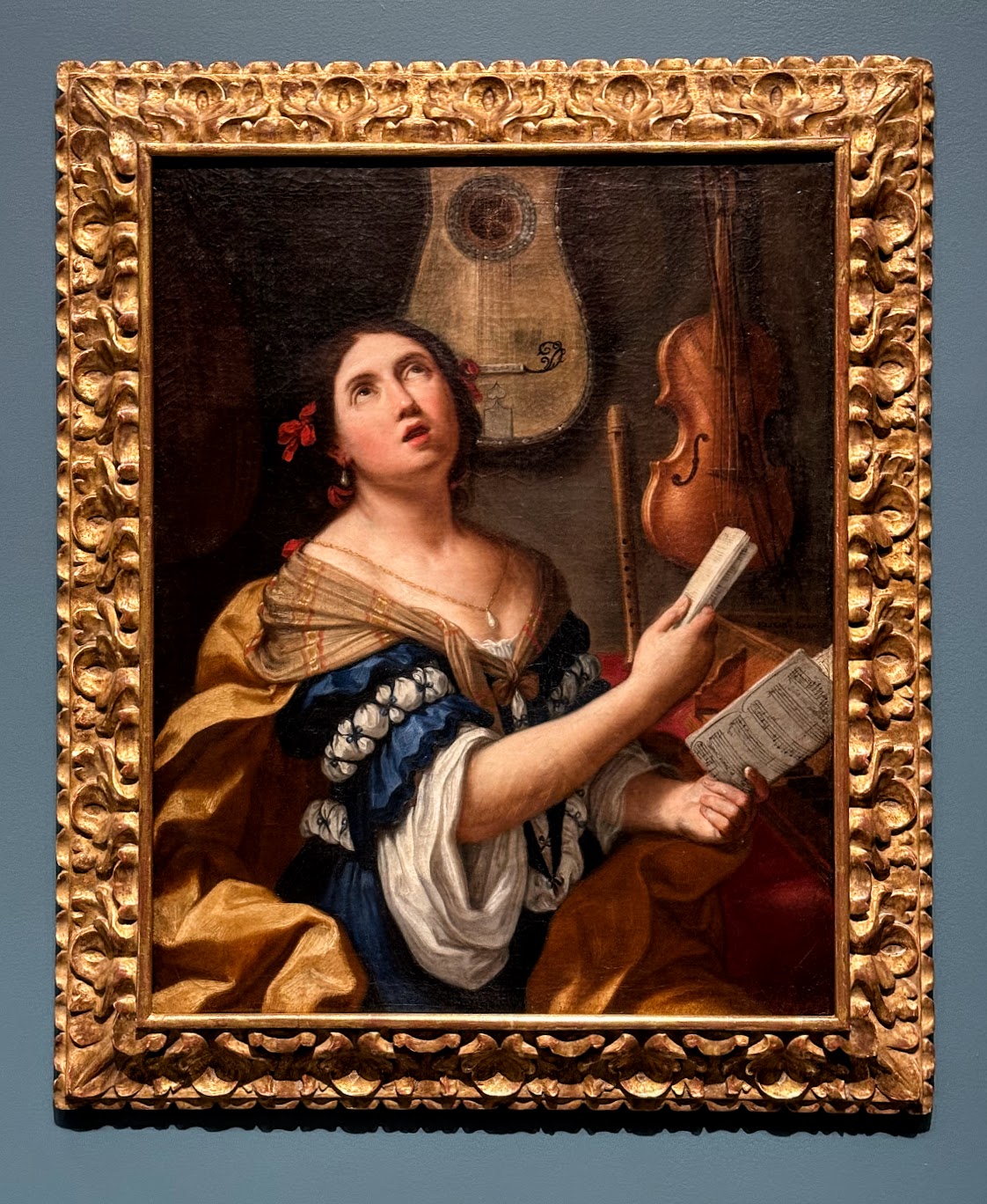
The Personification of Music
Resa – Rebecca, of all the paintings in the“Making Her Mark”exhibition, the Elisabetta Sirani allegorical painting titleThe Personification of Music was, and remains my favourite. Apparently she painted it in exchange for music lessons. I think she belongs inThe Twenty-Seven Club, don’t you?
Rebecca – I did not know that Elisabetta Sirani exchanged her paintings for music lessons, but I am not surprised, given her proficiency as a musician in addition to her exceptional talent as a painter. This exchange speaks to her versatile creativity and passion for various art forms, further solidifying her legacy as a remarkably talented individual in the Baroque era. I agree – she belongs in The Twenty-Seven Club.
Resa – Admittedly I am smitten by this artist. I am also wild about that fact that you are here on this journey through these profiles in exceptionality. Mille Grazie, Rebecca!
Rebecca – Resa, your dedication to artistic endeavours and your profound belief in the power of creativity to enrich our world have truly inspired me. Thank you for including me on this extraordinary journey of self-discovery through Making Her Mark. I look forward to what comes next… “Mille grazie caro amico per averci invitato a unirci virtualmente alla tua Art Gallery of Ontario. Fino alla prossima volta.“
You can also visit Rebecca by listening in on some of her fabulous Tea Toast and Trivia podcasts.
Click the above banner to view & link to Rebecca’s sources. not included in the body of text!
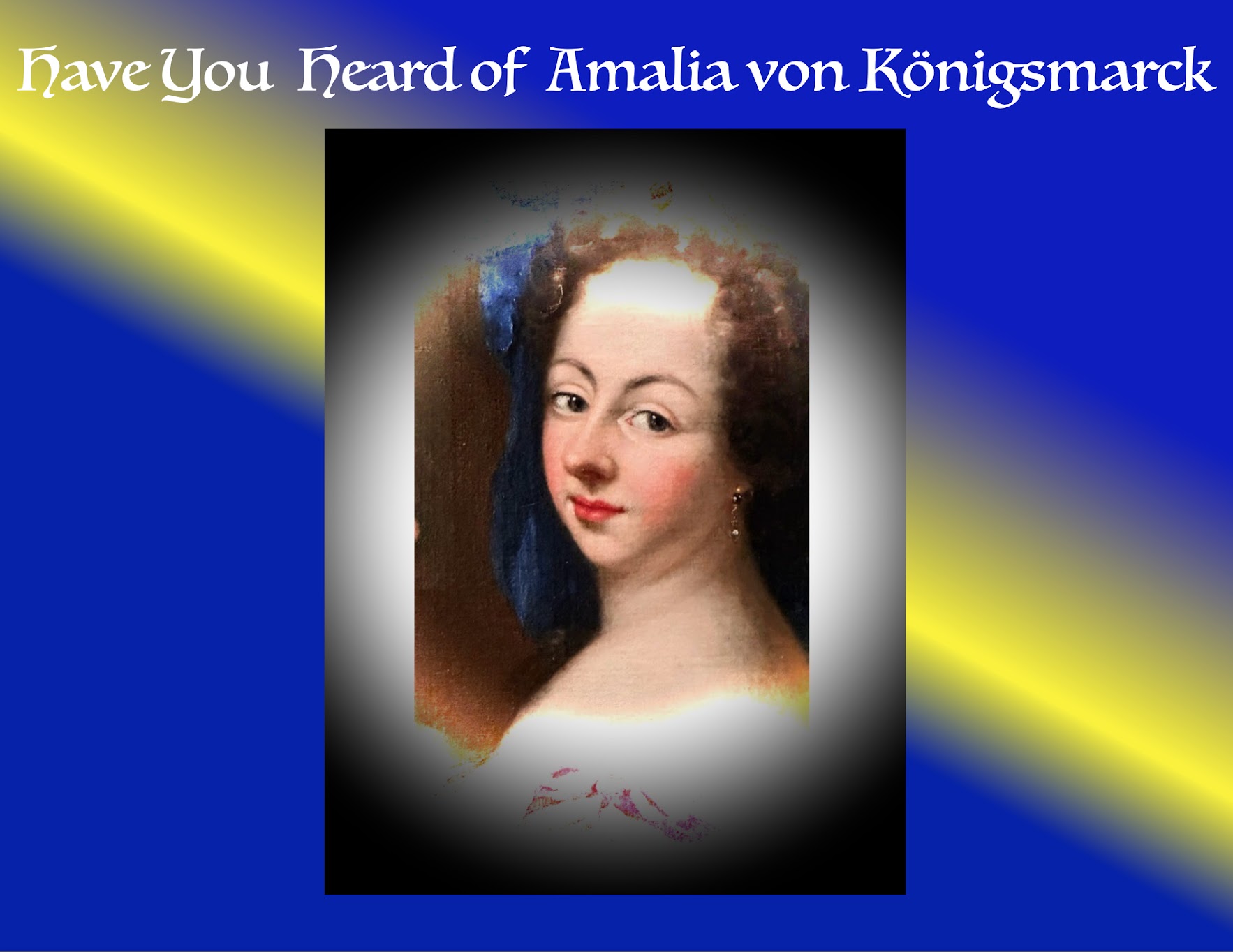
Resa – So Rebecca, today we’re shining the spotlight on another accomplished female artist once buried by history, Amalia von Königsmarck.
I “fell in love” with our last artist,Sarah Biffen. Amalia von Königsmarck does not inspire the same “fell in love” in me, yet hers is nonetheless a valuable contribution to the world of art, and art remembering us. Can you speak to that?
Rebecca – Amalia von Königsmarck’s contribution to the world of art is indeed remarkable, especially considering the complex, perilous and politically charged environment in which she lived. The intricate dynamics of the royal court, especially during the Great Northern War, as well as her spouse’s involvement in the service of Augustus II the Strong, led to dire consequences. Given her status as a dilettante painter and her involvement in painting as a hobby or pastime, it is likely that her primary motivation for creating art was personal enjoyment and creative expression. I believe that in the midst of uncertainty, Amalia chose to follow her creative spirit, which is a reminder to me that art generates positive outcomes. That thought resonated with me when I viewed your photographs.
Resa – Okay, now I’m “fell in love”with Amalia, too!So, Rebecca, let’s check out the details on what you’ve said and what else you have discovered about Amalia von Königsmarck!
Amalia von Königsmarck – A Dilettante Painter
Amalia von Königsmarck (1663–1740) hailed from a distinguished German-Swedish noble family. Her paternal grandfather, Field Marshal Hans Christoff von Königsmarck, notably served on the Swedish side in the Thirty Years’ War and was subsequently honored with the title of a Swedish count. Meanwhile, her father, Conrad Christoff von Königsmarck, held notable roles in the Swedish possessions of Bremen and Verden, among others.
Amalia von Königsmarck married Carl Gustaf Lewenhaupt, a Swedish nobleman, in 1686. Their union was a significant aspect of her life amidst the complex dynamics of the royal court.
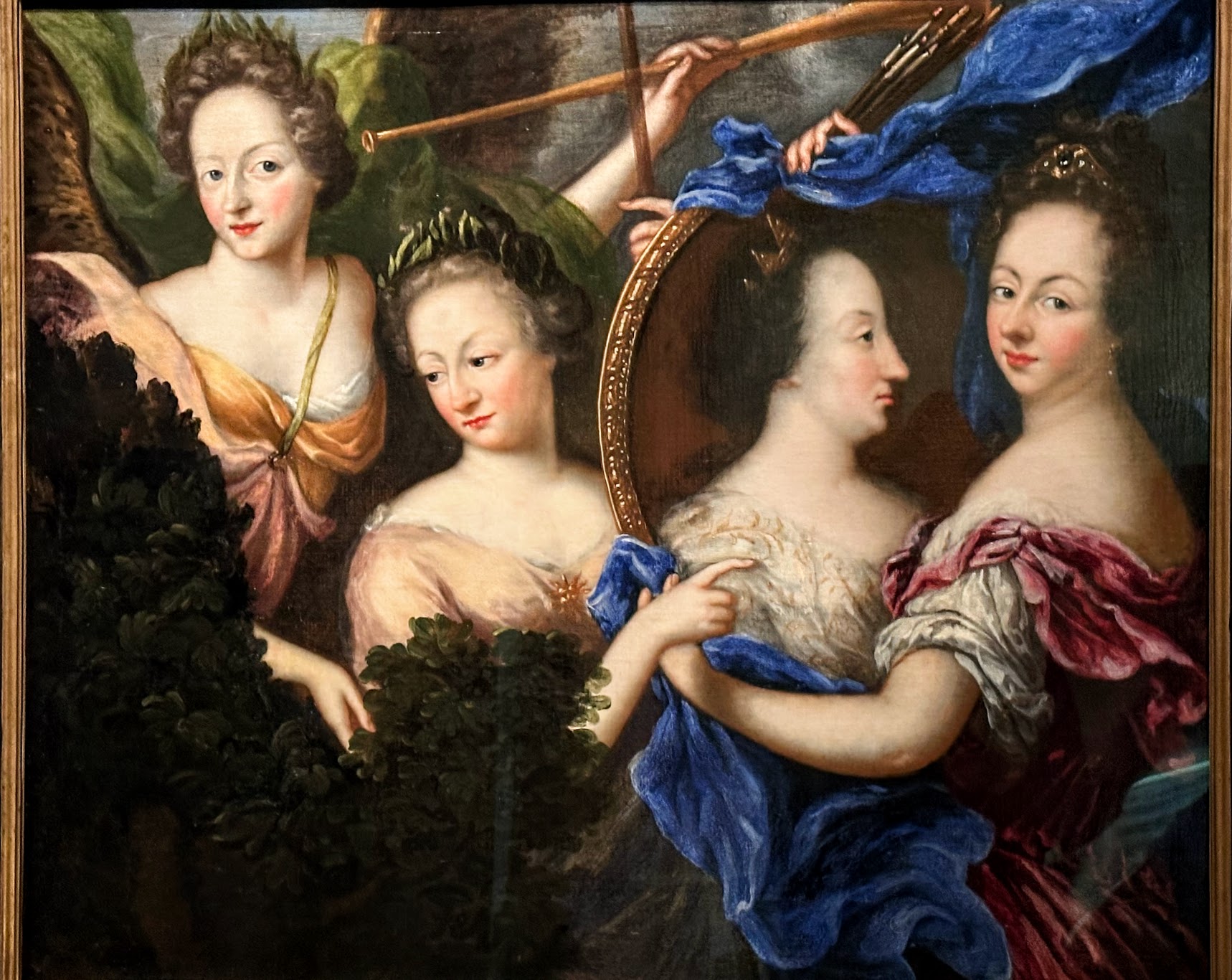
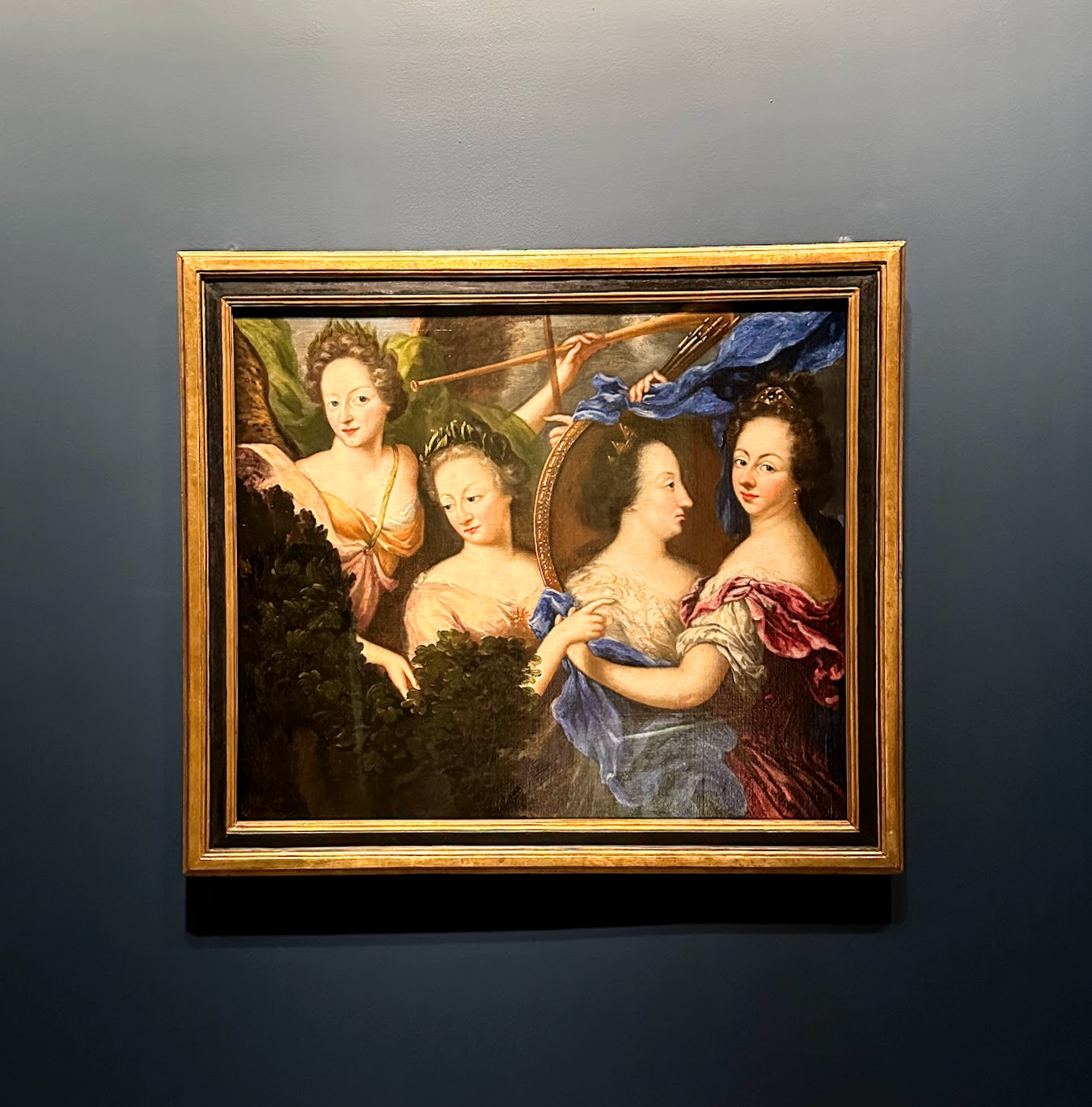
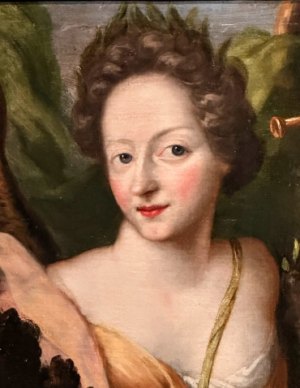
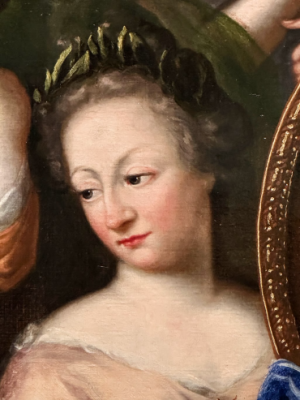
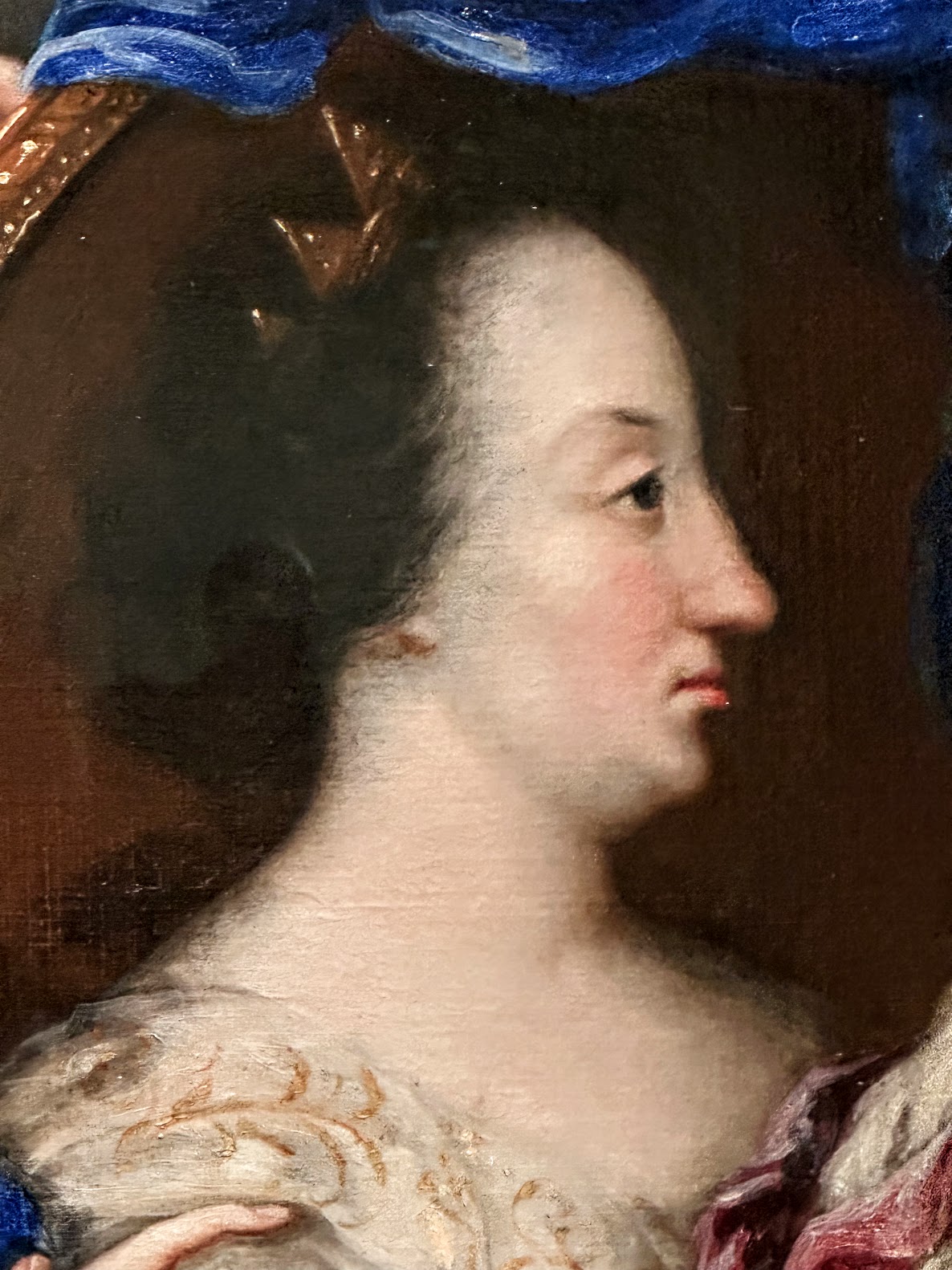
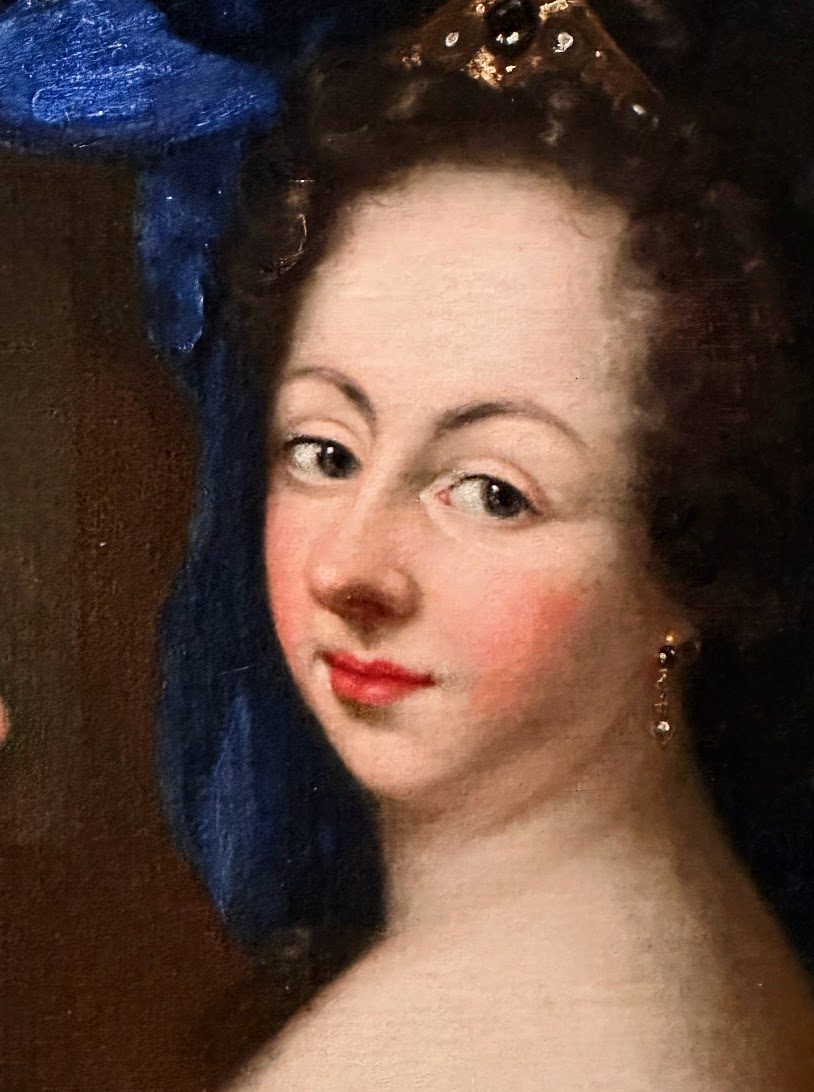
Allegory with Self Portrait and Profile Portrait of Queen Eleonora – 1689
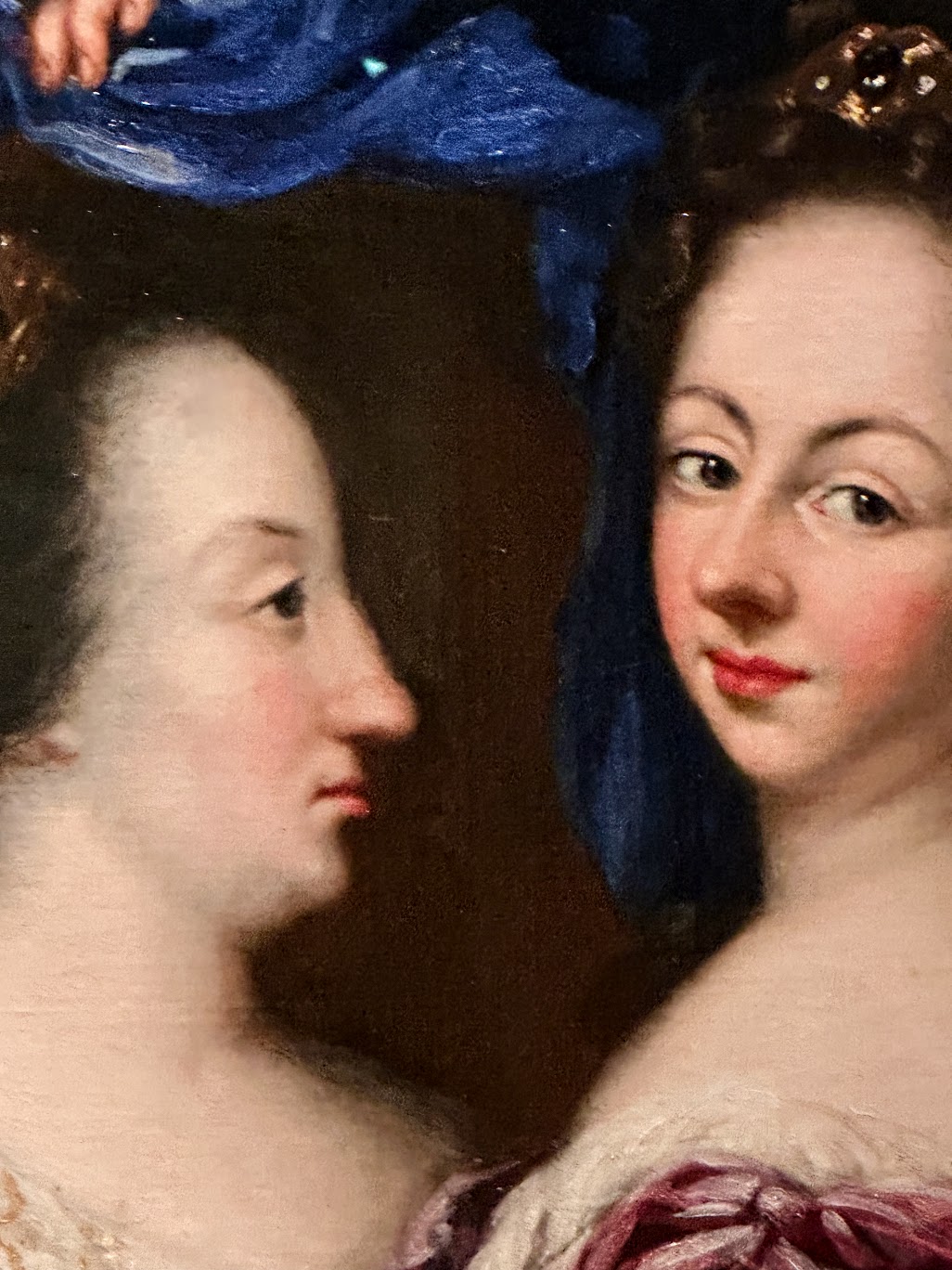
Resa – The above photo I took is from the “Making Her Mark” exhibit. I was lured in by its richness. This painting was not behind glass, and on close inspection I gasped when I saw the 335 year old cracks in the oils. I thought – Rebecca would love these cracks.
Rebecca – I do love those cracks, Resa!! This is a 335-year-old painting!! I believe that those delicate cracks add to overall aesthetic appeal of the artwork by providing a sense of history and authenticity. The cracks, also known as craquelure, can be seen as a unique feature that showcases the passage of time and the natural aging process of the artwork. I find that the presence of cracks enhances the texture and visual interest of the painting, giving it a distinct character that sets it apart from newer, flawless pieces.
Amalia von Königsmarck’s Artistic Pursuits
Amalia von Königsmarck was known for her literary and intellectual achievements as well as for her artistic endeavors. As a member of the royal court, she delved into the world of painting and portrayed various notable figures of her time. One of her renowned paintings is a self portrait dating back to 1688, offering a personal glimpse into her life and artistic expression.
In addition to her accomplishments in visual arts, Amalia participated in the amateur theatre of the royal court, an endeavor encouraged by Queen Ulrika Eleonora of Sweden. This involvement in the theatre highlighted her multifaceted interests and contributions to the cultural life of the royal court.
In the painting, Amalia holds her portrait of Queen Ulrika, a bold nod to her relationship with the queen.
One of her hands holds paintbrushes, depicting herself as a painter. (see full painting)It is the first known image of a Swedish female painter.
Although Amalia had studied under David Klöcker Ehrenstrahl, a Swedish nobleman and portrait painter, Amalia was a dilettante painter. This refers to an individual who engages in painting as a hobby or pastime, without pursuing it as a serious or professional occupation.
Dilettante painters typically approach art with enthusiasm and interest but may not have undergone formal training or dedicated extensive time and effort to develop their skills to a professional level. Their works are often created for personal enjoyment or as a form of creative expression, without the intention of displaying or selling them in a professional art context.
Amalia and the Great Northern War
In 1695, amidst the intricate dynamics of the royal court, Amalia Lewenhaupt (Königsmarck) persuasively influenced her spouse to enter into the service of Augustus II the Strong, who was at that time engaged in a romantic relationship with her sister Aurora. However, this decision led to dire consequences, as her spouse faced the confiscation of property and a sentence of death in his absence by Charles XII of Sweden in 1703, during the tumultuous Great Northern War. Tragically, her spouse passed away in exile in Hamburg, Germany, in the same year.
The other 2 women in this allegorical portrait:
Left – winged and holding a trumpet is likely Fama, goddess of rumour and fame.
Right – The woman points to the queen while gazing out of frame.
Resa – So Rebecca, I add the thought here that the pointing indicates that Amalia is saying that Queen Eleonora is of rumour and fame?
Rebecca – While the specific meaning of the painting, “Allegory with self-portrait and profile portrait of Ulrika Eleonora the Elder” is open to interpretation, the inclusion of the self-portrait alongside the profile portrait of the queen suggests a significant personal connection between Amalia and Queen Ulrika Eleonora. The portrayal may convey Amalia’s admiration for the queen and her acknowledgment of the queen’s reputation and prominent status. Queen Ulrika Eleonora was renowned for her religious devotion, patience, mild demeanor, and charitable nature, which endeared her to the public. Her modest beauty and dignified presence further enhanced her image as a symbol of hope and lasting peace. Embraced with enthusiasm by the public, she was perceived as a beacon of optimism, and her personal merits bolstered her popularity, solidifying her status as a beloved and influential figure in her time.
Amalia’s Return to Sweden
Following the upheavals and challenges she encountered, Amalia Lewenhaupt eventually journeyed back to Sweden in 1722. Notably, her return to her homeland was accompanied by the fortune-teller Höffern, perhaps seeking guidance and solace after the tumultuous events she had endured.
In 1740, at the age of 76, Amalia Lewenhaupt peacefully passed away in Övedskloster, thereby transcending the trials and tribulations of her lifetime. Her final years were marked by the tranquility of her surroundings, providing a contrast to the tumultuous events she had previously experienced.
Regrettably, Amalia Lewenhaupt’s poignant story was further shadowed by the tragic fate of her firstborn son, Charles Emil Lewenhaupt, who faced condemnation for treason and was ultimately executed in 1743, thus adding another layer of sorrow to her enduring legacy.
Resa – Rebecca, I can’t thank you enough for being here with me to present Amalia von Königsmarck. It’s somewhat jolting to realize that she was on earth 361 years ago.
Rebecca – Thank you, Resa, for this extraordinary opportunity to collaborate with you on “Making Her Mark”. It is truly fascinating to unravel the multifaceted contributions of remarkable women from past centuries and to witness the enduring impact they have on the world of art and culture. These women have left a profound legacy that continues to inspire and shape our artistic landscape today. By delving into their lives and artistic endeavors, we gain invaluable insights into the richness of history and the enduring influence of these visionary individuals.
Thank you again and again Rebecca!
You can visit Rebecca on Chasing Art! Also for links on the research, just click on the above banner!
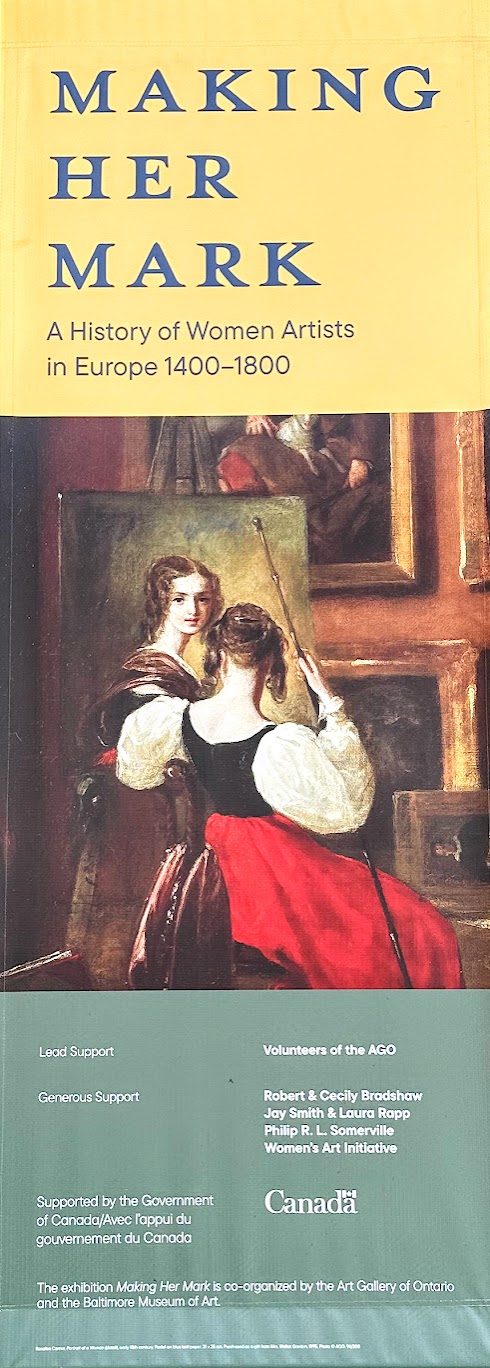
I saw the most inspiring show at the Art Gallery of Ontario.
Elisabetta Sirani (Italian 1638-1665)
Personification of Music – 1659 – oil on canvas – Painted in exchange for music lessons.
It was all European female artists from 1400 – 1800. It included 230 pieces of art: oils, watercolours, chalk, etchings, sketches, tatting, embroidery, quill work and more.
Themes included portraits, self portraits, religion, nudes, still life, nature, home decor and more
Josefa Ayala (Portuguese circa 1630 – 1684)
The Christ Child as Pilgrim – 1676 – oil on canvas
It is the AGO’s policy that we are allowed to take pics (no tripods, flash or other professional equipment), that we may post on social media and that we do not make money from said photos.
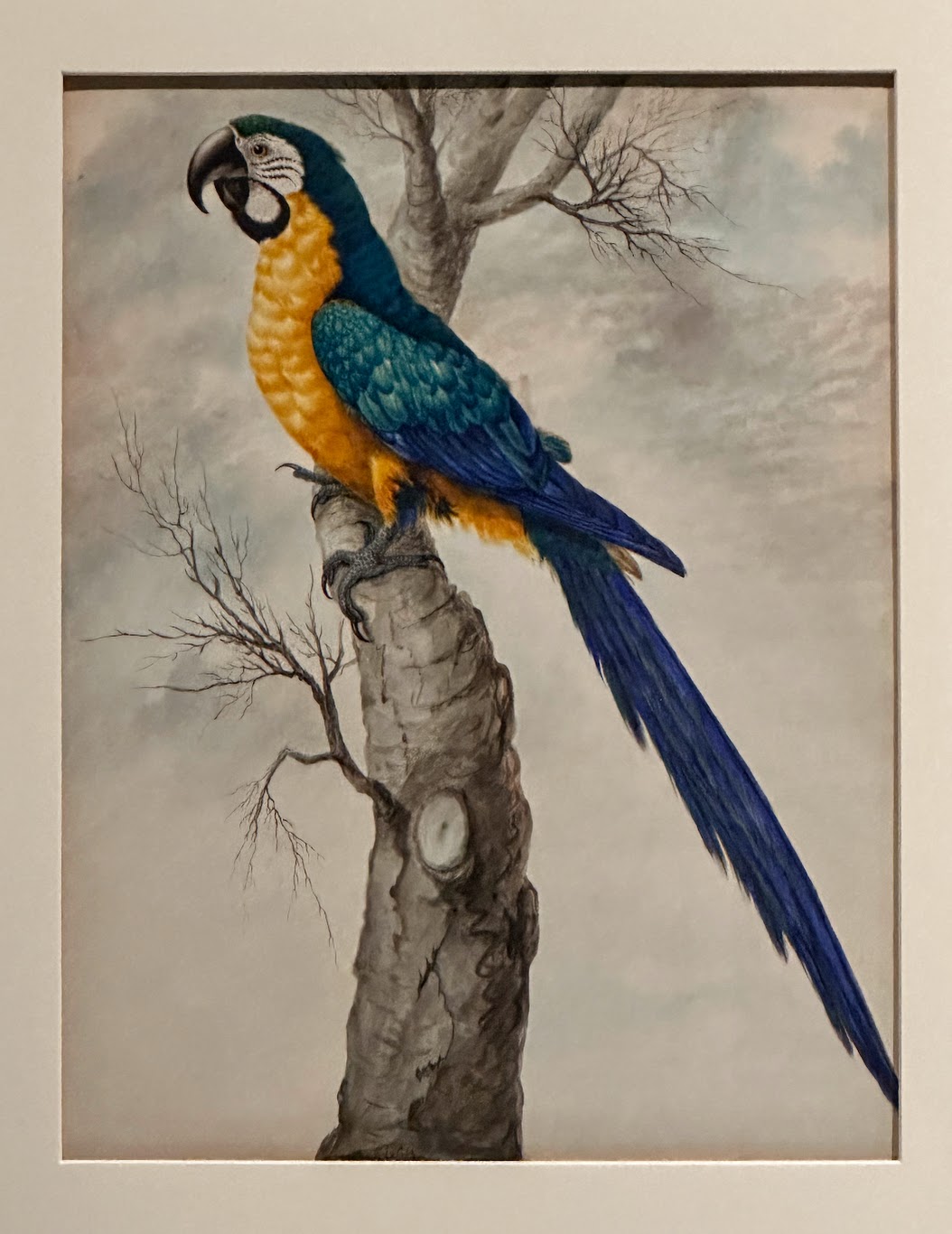
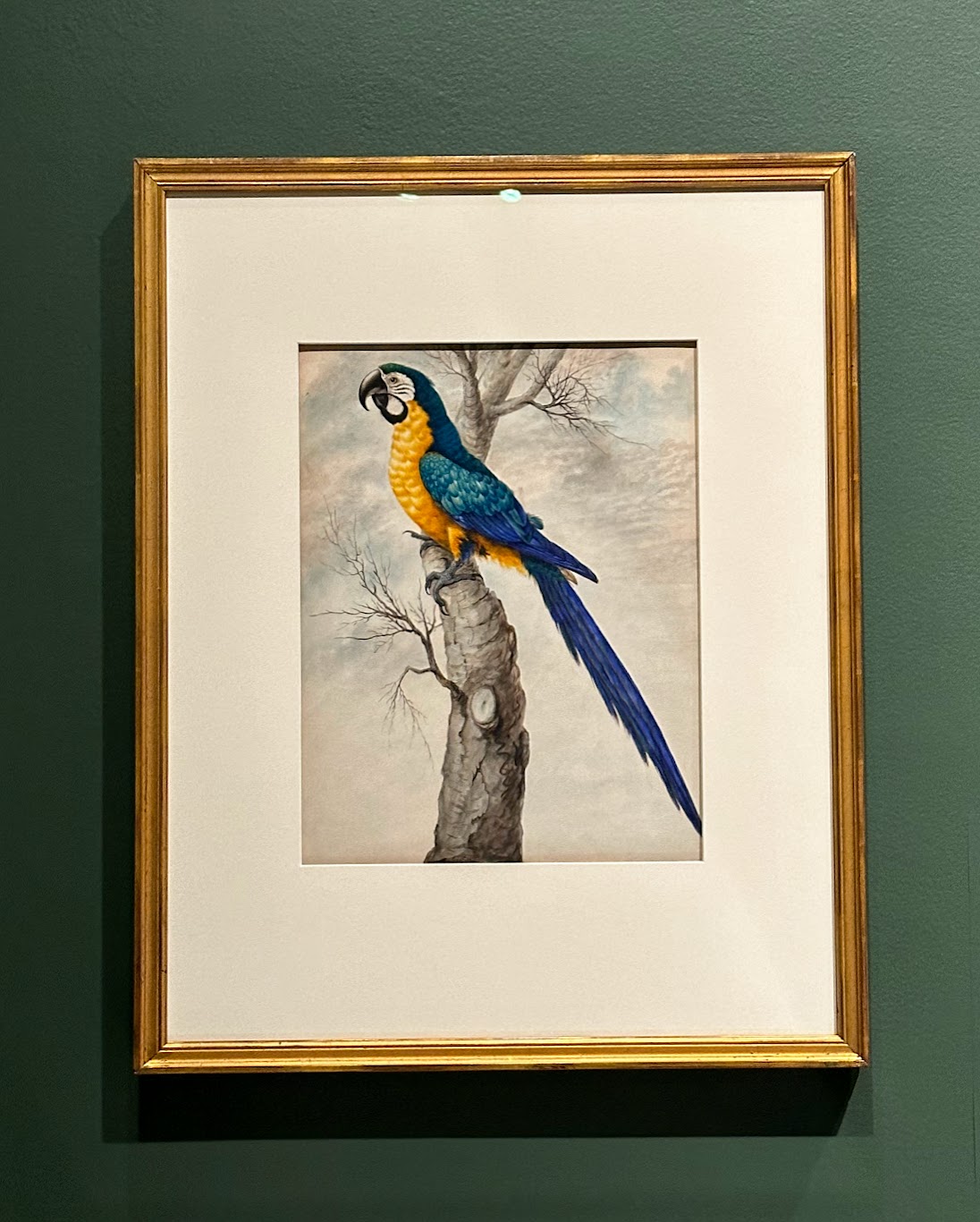
Sarah Stone (English circa 1760 – 1844)
A Blue and Yellow Macaw circa 1789 – watercolour, watercolour glaze & black ink border on paper.
I’ve never taken pics at the AGO before, and did my best despite: lighting in general, lighting reflected in in glass & oil paints & lucite display cabinets, and my unbridled enthusiasm.
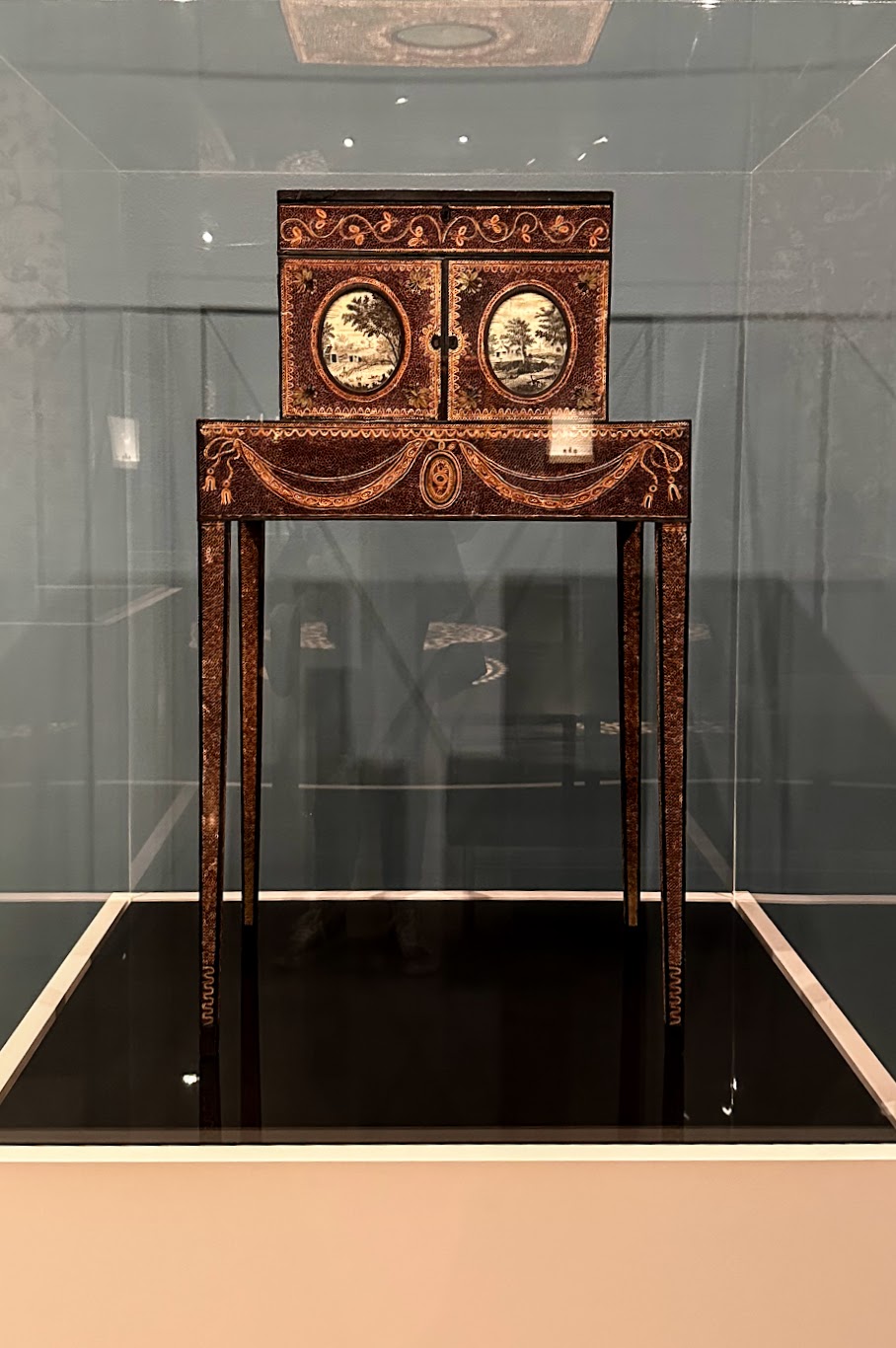
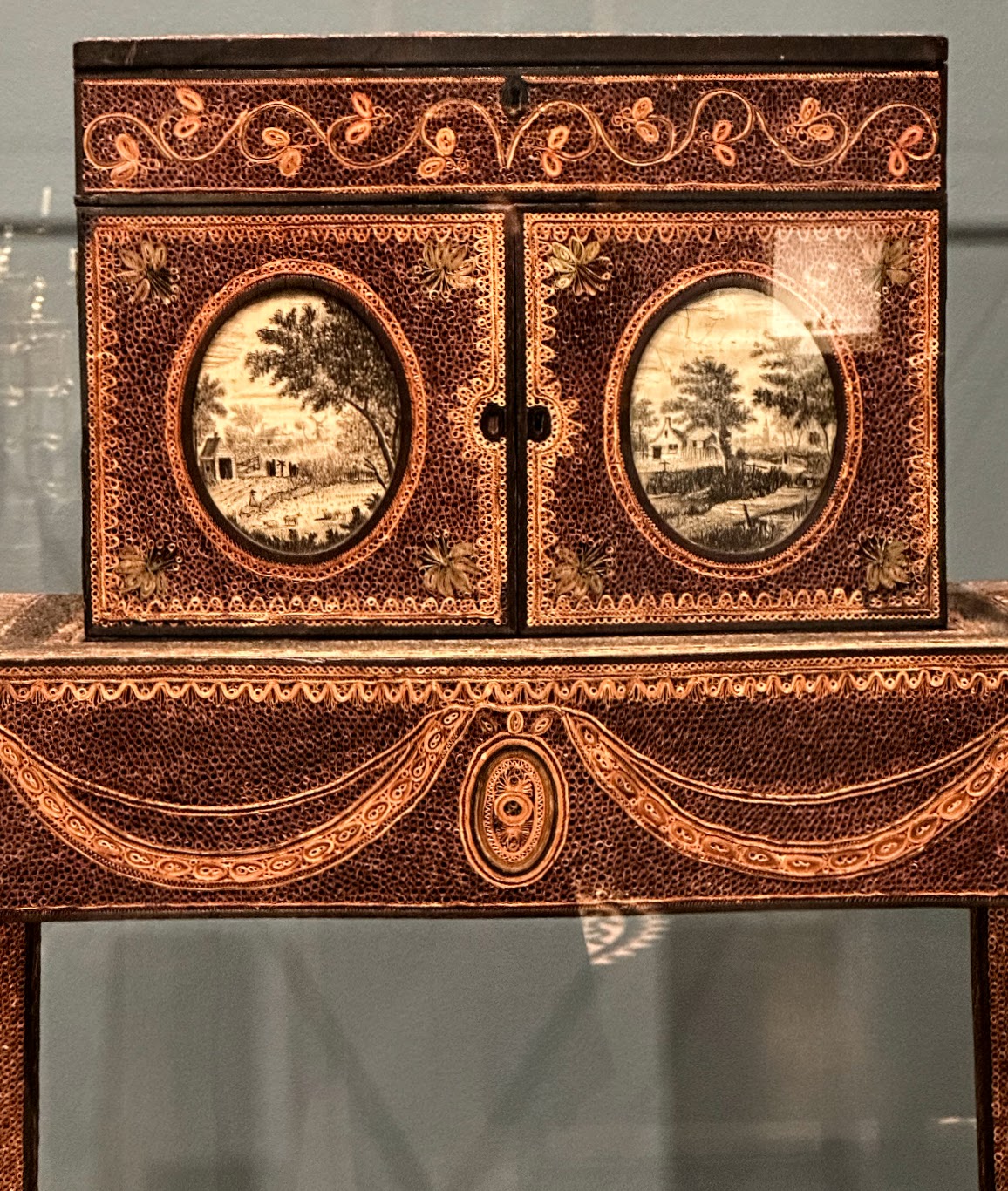
Below is an example of a cabinet encased in the joys of reflections. Thiscabinet is made of water colour and metallic paper, hair (hairwork), and watercolour panels.
Sophia Jane Maria Bonnell (English – circa 1748 – 1841) and Mary Anne Harvey Bonnell (English – 1748 – 1853)
Paper Filigree Cabinet circa 1789
The plan is to show more of the art in categories. However, due to the plethora of photos to comb through, It will happen between street art posts.
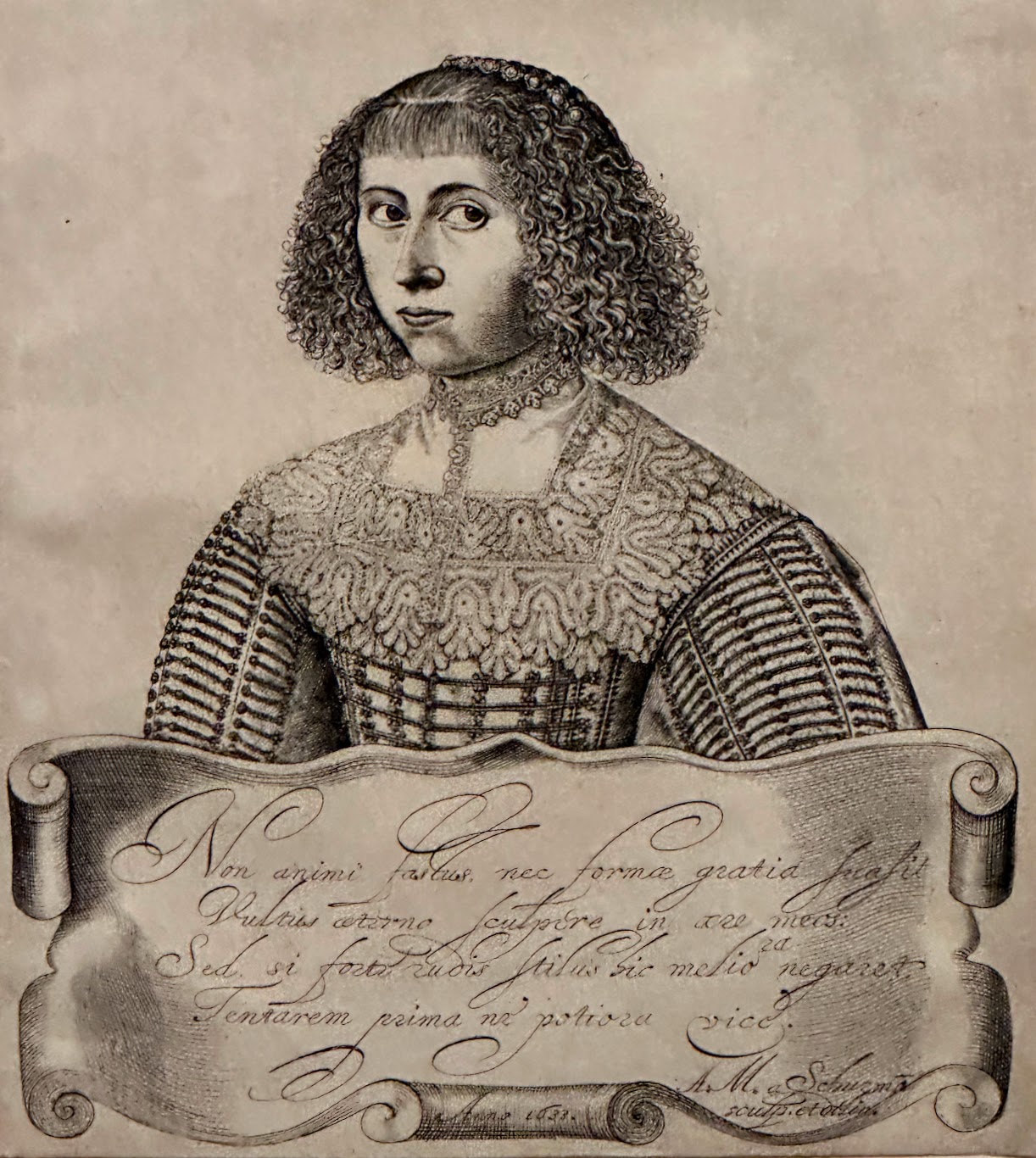
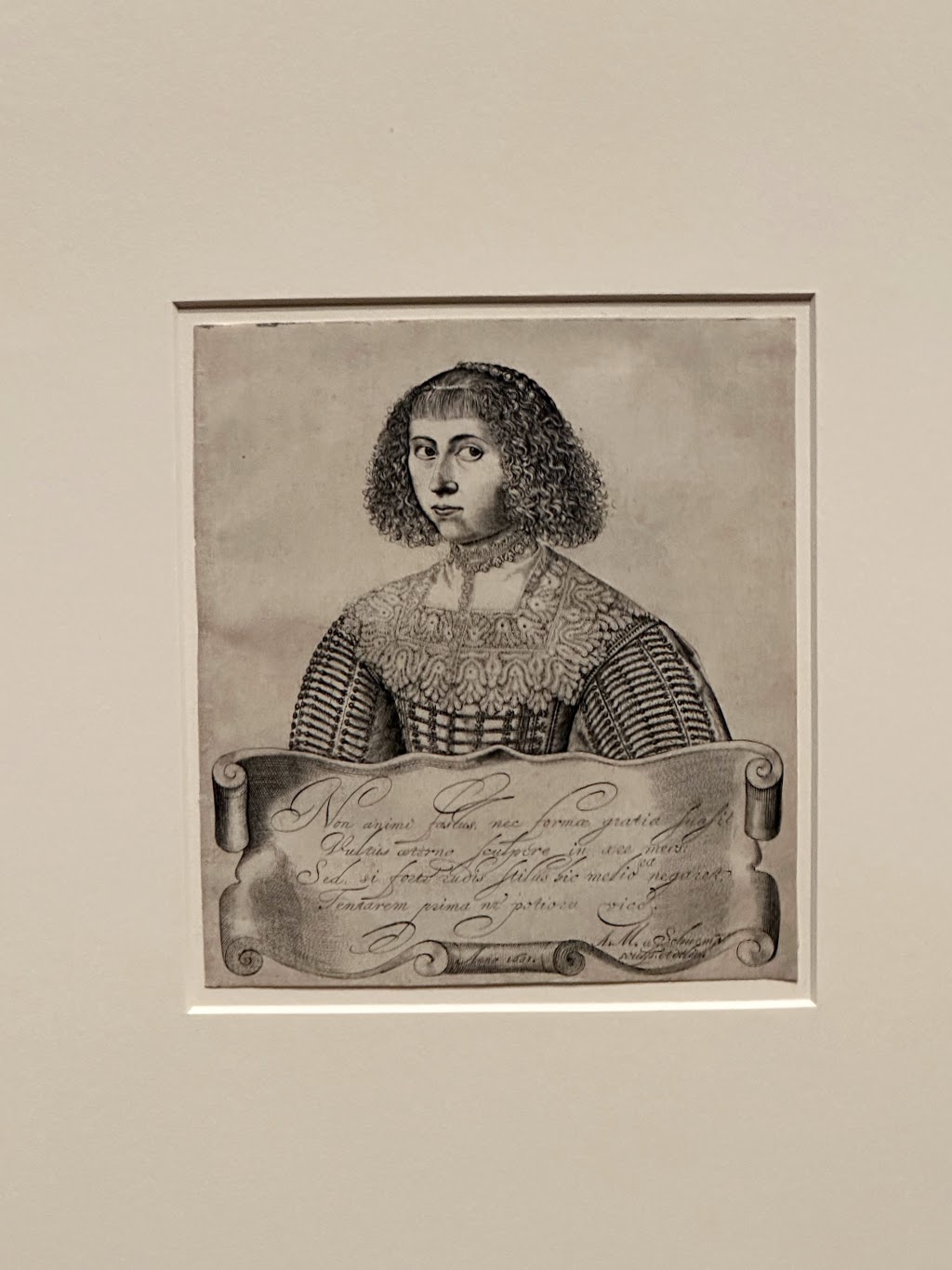
Anna Maria Von Schurman (Dutch 1607- 1678)
Self-Portrait -1633 – engraving on paper
Anna mastered 14 languages. Her proto-feminist treatise The Learned Maid was published in Latin in 1638
One art blogger has agreed to come on as a guest.
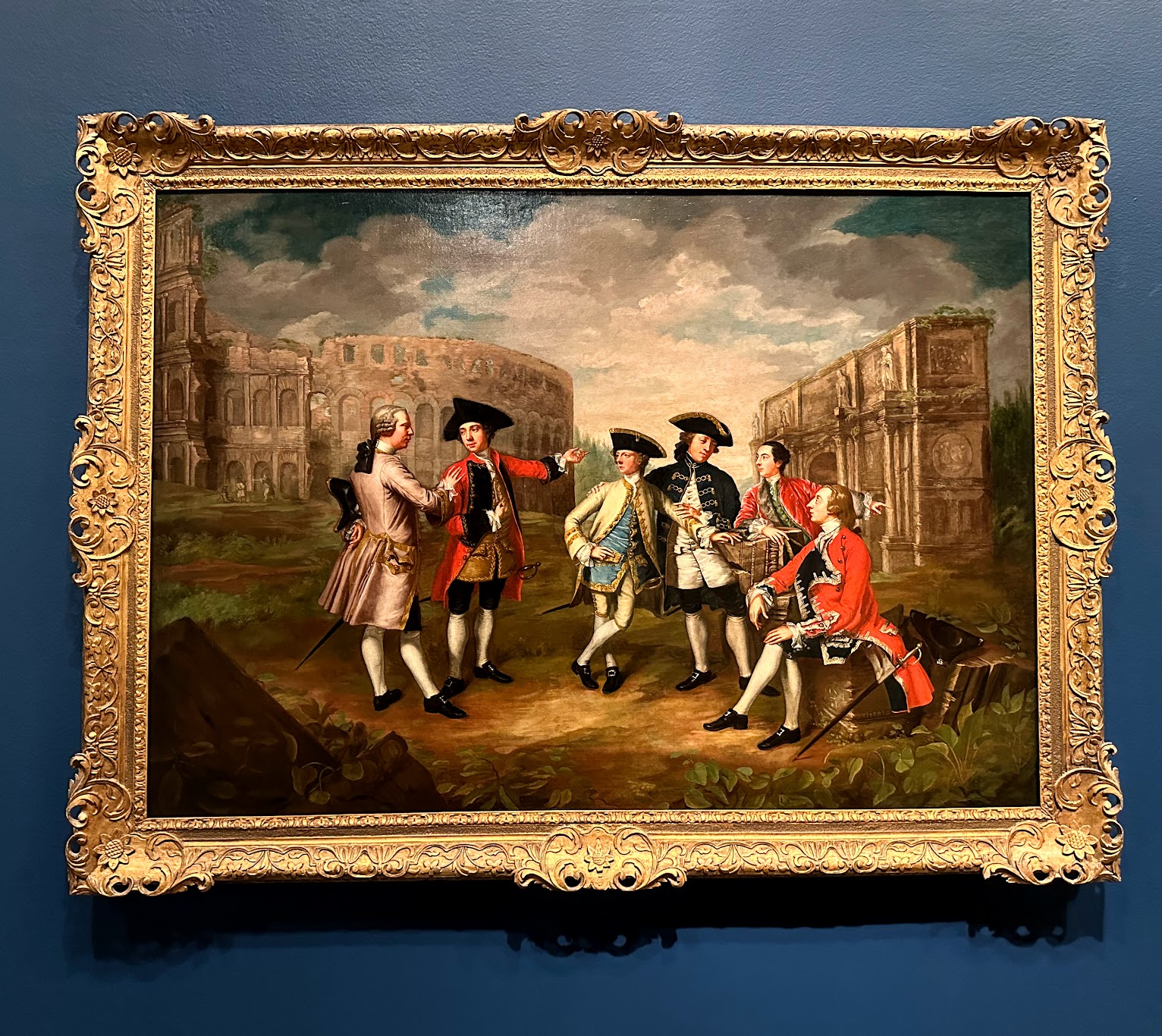
Katherine Read (English 1723 -1778)
British Gentlemen in Rome – circa 1750 – oil on canvas



































 Graffiti Lux Art & More
You must be logged in to post a comment.