Making Her Mark – Self Portraits IV

Welcome back everyone! Today Rebecca Budd curator of Chasing Art  and I are going to present and discuss the 18th century artist, Anne Guéret!

Resa – Rebecca, how wonderful to have you back! I know it is believed that this is a self portrait of Anne Guéret but no one can verify it. Still, I have included it in this series. I hope you are good with that?

Rebecca – I am delighted that you have included Anne Guéret’s Portrait of an Artist with a Portfolio, Resa! This painting revolutionized the portrayal of women artists. I believe that it is an essential addition to your “MHM”* series.

Resa – Well, let’s get to everything you found out!

Mlle Guéret the Younger

Anne Guéret (1760–1805), also known as Mlle Guéret the Younger, was a notable French painter who was active at the end of the 18th century and the beginning of the 19th century. Despite being orphaned as a child, she and her sister Louise Catherine Guéret were fortunate to be adopted by the renowned dramatist and librettist Michel-Jean Sedaine.

His act of adoption not only provided the sisters with a stable upbringing but also served as a catalyst for their artistic pursuits, shaping their future as prominent figures in the art world of the late 18th and early 19th centuries. Under Sedaine’s care, they were introduced to esteemed painters Henri-Pierre Danloux and Jacques-Louis David, who provided them with valuable art lessons.

Salon Debut

Anne Guéret’s debut at the Salon in 1793 marked the beginning of her successful exhibition career. She continued to showcase her work in Salons until 1801, focusing primarily on presenting portraits of notable individuals. Her dedication to portraying prominent figures through her artwork and her lasting impression on the cultural heritage of France have solidified her status as a noteworthy figure in art history.
Portrait of an Artist with a Portfolio”

Resa – This particular “Salon” she first showed at is very famous. I’m just hearing about it now, and I think other female artists of the era presented there?

Rebecca – Indeed, they did! The Salon aka Paris Salon had its debut in 1667. It was the official art exhibition of the Académie des Beaux-Arts in Paris. Between 1748 and 1890, it was arguably the greatest annual or biennial art event in the Western world. The Salon played a significant role in the exhibition and recognition of artists during the 18th and 19th centuries.

While the official inclusion of women artists in the Salon was a gradual process, it did eventually provide opportunities for them to exhibit their paintings. Contemporaries of Anne Guéret, Anne Vallayer-Coster and Adélaïde Labille-Guiard, also participated in the Salon. Their contribution marked progressive attitudes towards women artists during that period.

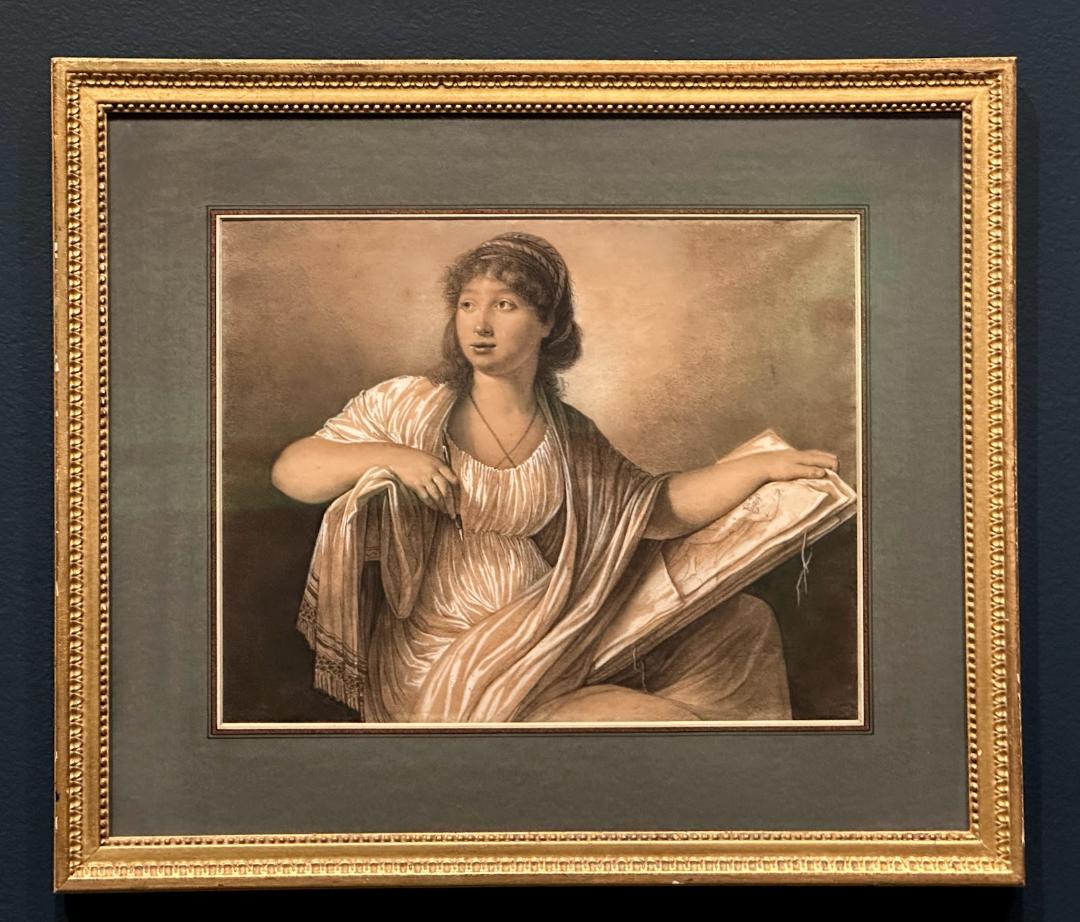
Portrait of an Artist with a Portfolio

Anne Guéret’s “Portrait of an Artist with a Portfolio” was prominently displayed at the Salon of 1793, marking a significant moment in her exhibition career.

From a 21st-century perspective, the portrait of a young woman drawing by Anne Guéret (possibly a self-portrait) may appear unremarkable at first glance. However, upon closer examination, it represents a significant turning point in the history of women artists in Europe.

Click on pic to better see the nude drawing

The depiction of the seated woman drawing a nude male figure, albeit likely from a print or sculpture rather than a live model, signifies a progressive shift in attitudes towards women artists in the late 18th century.

Resa – Yes, the nude figure is remarkable for that era. Very few women dared.

Rebecca – According to historical records and analysis, Anne Guéret was not the first woman artist to paint a nude figure. Previous female artists, including Artemisia Gentileschi and Lavinia Fontana, portrayed nude figures in their artwork.

However, Anne Guéret positioned herself drawing a nude male figure, which holds significance in the context of late 18th-century art. Anne Guéret’s choice to depict herself engaging in this subject matter challenged traditional gender roles, contributed to the evolving status and recognition of women artists and carries symbolic weight to the changing perception of women artists during that era.

This remarkable piece of artwork, executed with black chalk, stumping, pen, grey ink, and grey wash on buff paper, measures 320 x 404 mm (12 5/8 x 15 7/8 in.) and reflects Anne Guéret’s distinctive artistic style and technical versatility.

The Evolving Status and Recognition of Women Artists

Anne Guéret’s relatively limited body of work available to us today can be attributed to several factors. As a female artist during the late 18th and early 19th centuries, she faced societal and institutional barriers that restricted her artistic opportunities and recognition. The historical context of the French Revolution and its aftermath created a turbulent environment that may have impacted the production and preservation of her artwork.

These combined factors may have contributed to the scarcity of paintings attributed to Anne Guéret. Despite the scarcity of paintings attributed to her, Anne Guéret’s enduring impact and revolutionary artistic vision continue to inspire and enrich the cultural heritage of France and Europe.

Anne Guéret’s indelible mark on the art world of the late 18th and early 19th centuries transcends the limitations she faced as a female artist during that era. Her dedication to her craft and the symbolic weight carried by her artworks serve as a testament to the evolving status and recognition of women artists.

Currently held in a private collection in France, this portrait serves as a monument to Anne Guéret’s enduring impact on the art world of the late 18th century.

Resa – I’m so glad we’ve shared this portrait by Anne Guéret, especially since so little of her art survived.

Rebecca – Resa, thank you for the invitation to join you on “MHM” series of posts. This experience has truly been a transformative journey of self-discovery for me. Anne Guéret challenges us to embrace boldness in our creative pursuits, urging us to push boundaries and explore new possibilities without fear of failure. Her message serves as a powerful reminder to step outside comfort zones and unleash creativity without reservation.
For Rebecca’s research links not included in the text, click on the above banner.

You can also visit Rebecca in her Reading Room!

Photos of Portrait of an Artist with a Portfolio taken by © Resa McConaghy – May, 2024

Art Gallery of Ontario – Toronto, Canada

“MHM”* – Making Her Mark”
Making Her Mark – Self Portraits II

ResaWelcome back to “Making Her Mark” – Self Portrait Series! I’m your host, Resa with special guest host Rebecca Budd – curator of Chasing Art.

Resa So Rebecca, today we’re shining the spotlight on another accomplished female artist once buried by history, Amalia von Königsmarck.

I “fell in love” with our last artist, Sarah BiffenAmalia von Königsmarck does not inspire the same “fell in love” in me, yet hers is nonetheless a valuable contribution to the world of art, and art remembering us. Can you speak to that?

Rebecca – Amalia von Königsmarck’s contribution to the world of art is indeed remarkable, especially considering the complex, perilous and politically charged environment in which she lived. The intricate dynamics of the royal court, especially during the Great Northern War, as well as her spouse’s involvement in the service of Augustus II the Strong, led to dire consequences. Given her status as a dilettante painter and her involvement in painting as a hobby or pastime, it is likely that her primary motivation for creating art was personal enjoyment and creative expression.  I believe that in the midst of uncertainty, Amalia chose to follow her creative spirit, which is a reminder to me that art generates positive outcomes.  That thought resonated with me when I viewed your photographs.

Resa Okay, now I’m “fell in love”with Amalia, too! So, Rebecca, let’s check out the details on what you’ve said and what else you have discovered about Amalia von Königsmarck!

Amalia von Königsmarck – A Dilettante Painter

Amalia von Königsmarck (1663–1740) hailed from a distinguished German-Swedish noble family. Her paternal grandfather, Field Marshal Hans Christoff von Königsmarck, notably served on the Swedish side in the Thirty Years’ War and was subsequently honored with the title of a Swedish count. Meanwhile, her father, Conrad Christoff von Königsmarck, held notable roles in the Swedish possessions of Bremen and Verden, among others.

Amalia von Königsmarck married Carl Gustaf Lewenhaupt, a Swedish nobleman, in 1686. Their union was a significant aspect of her life amidst the complex dynamics of the royal court.

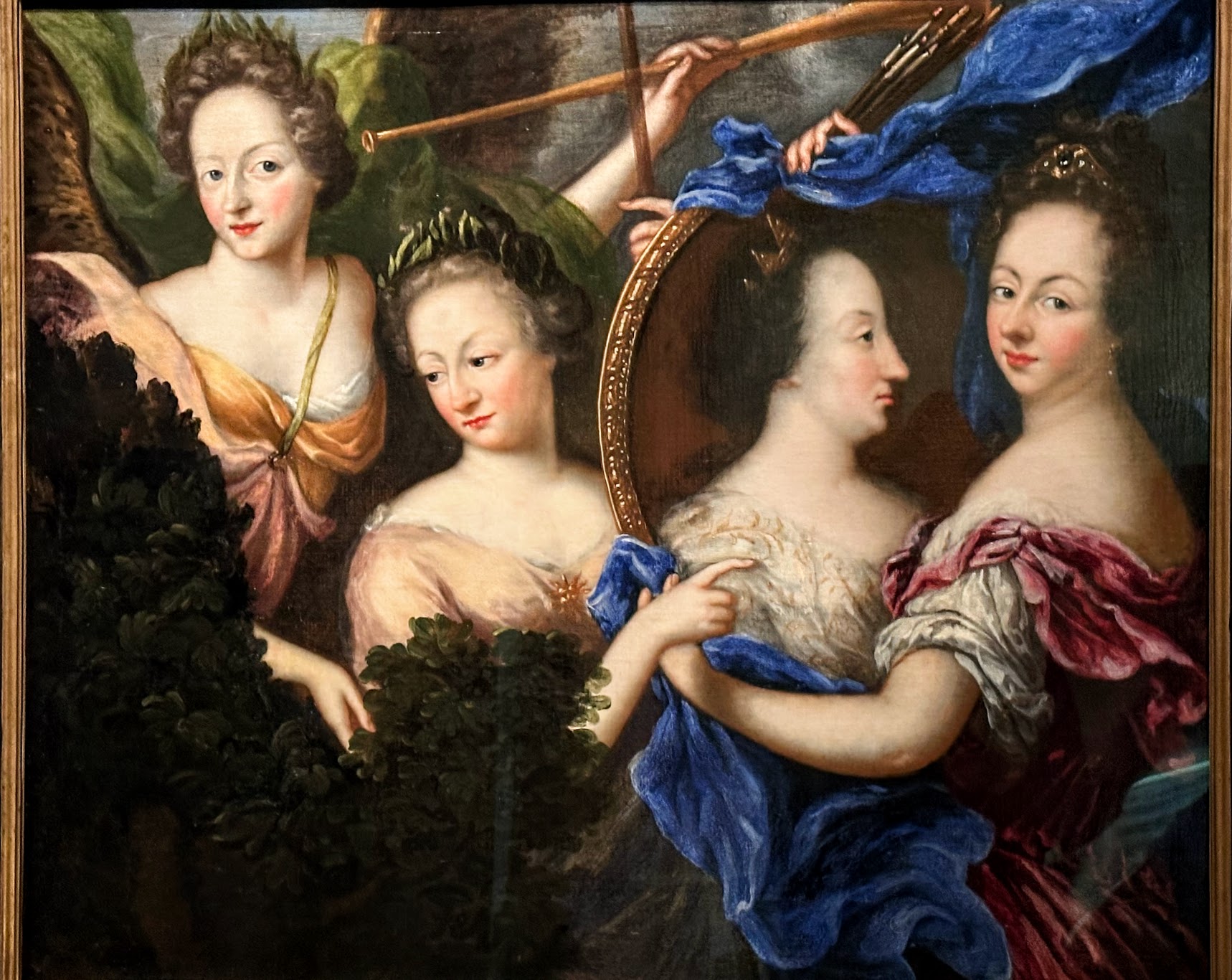
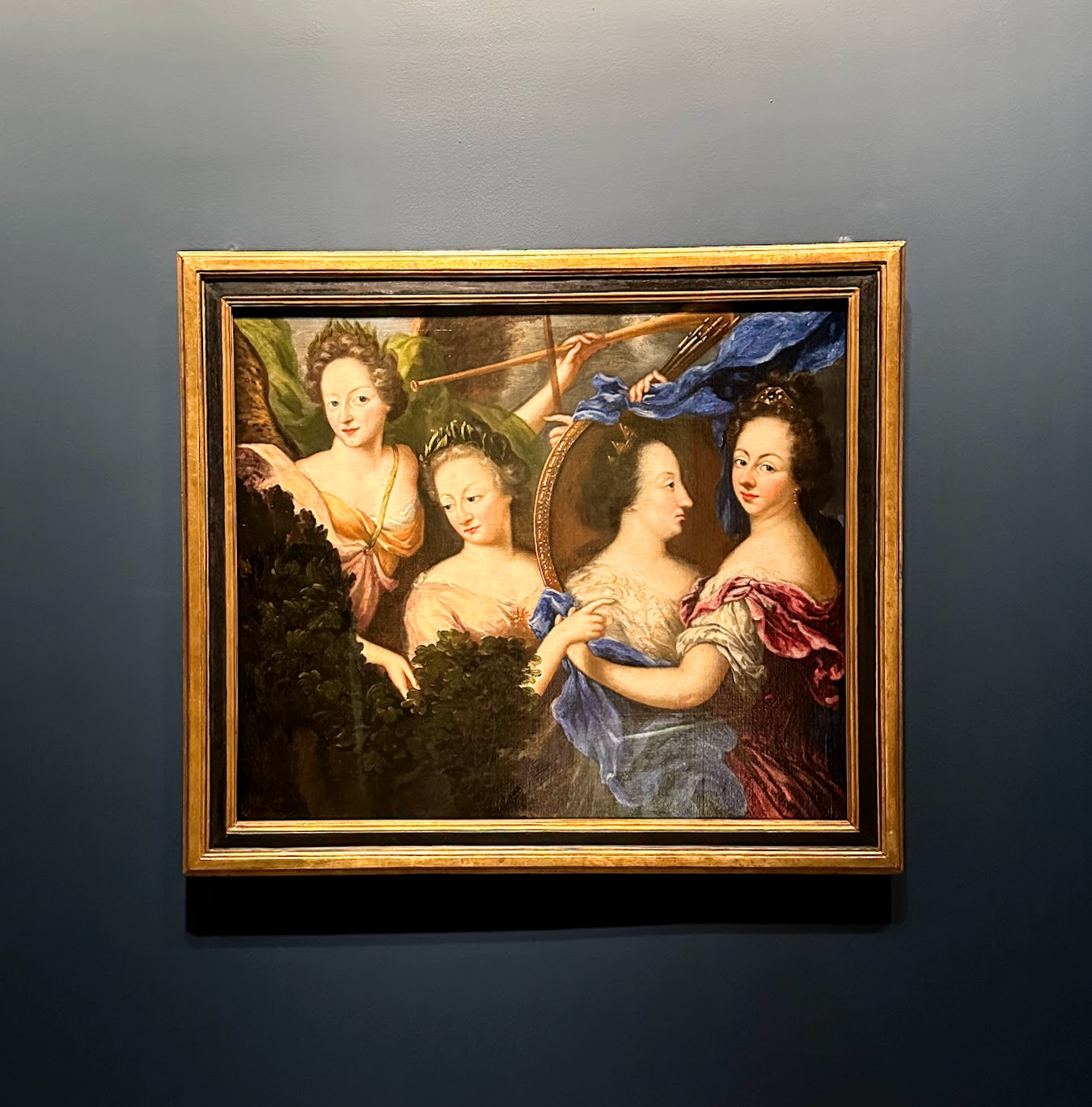
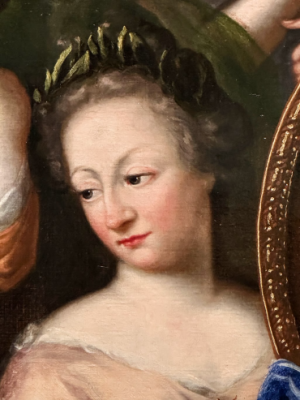
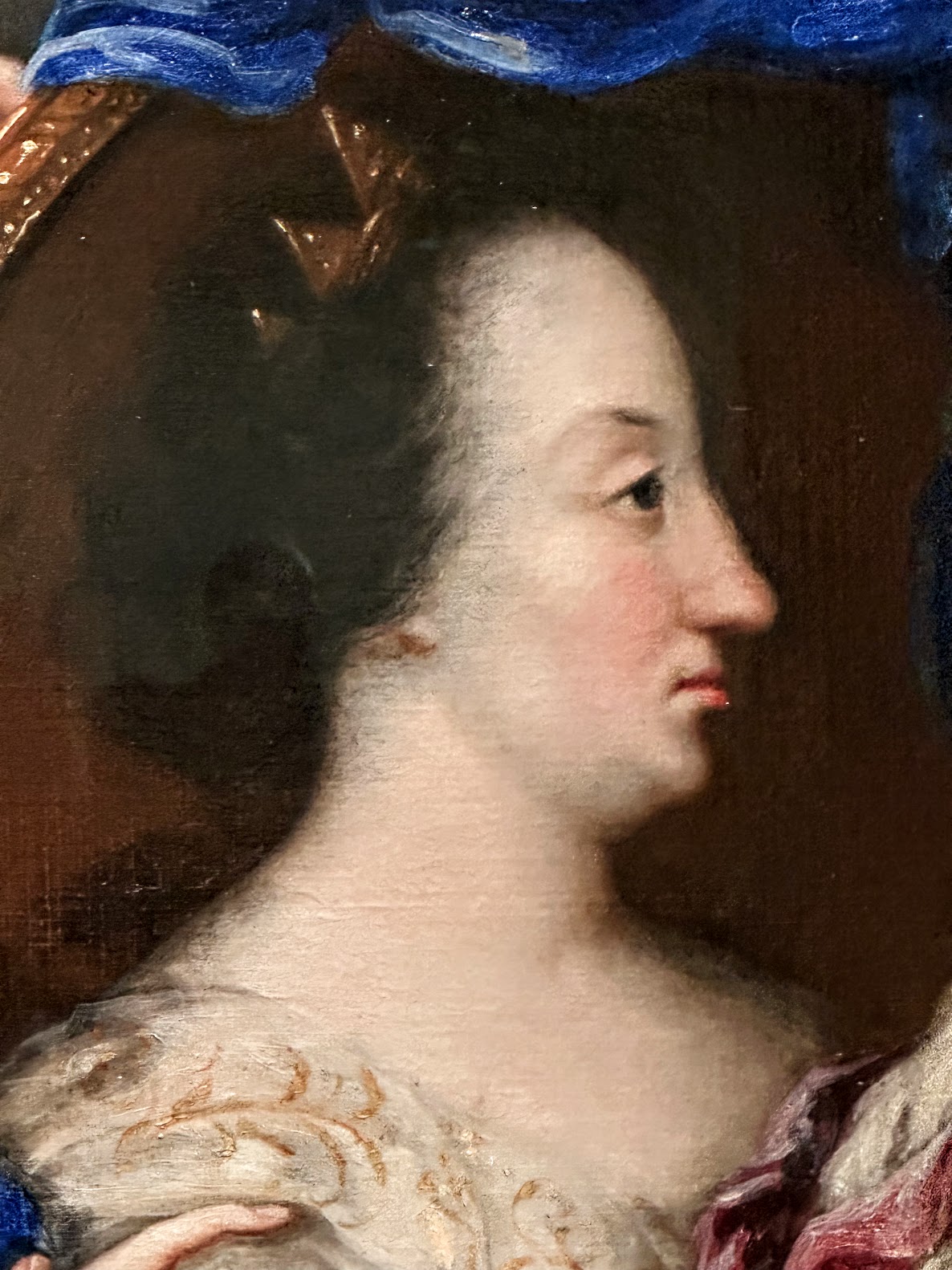
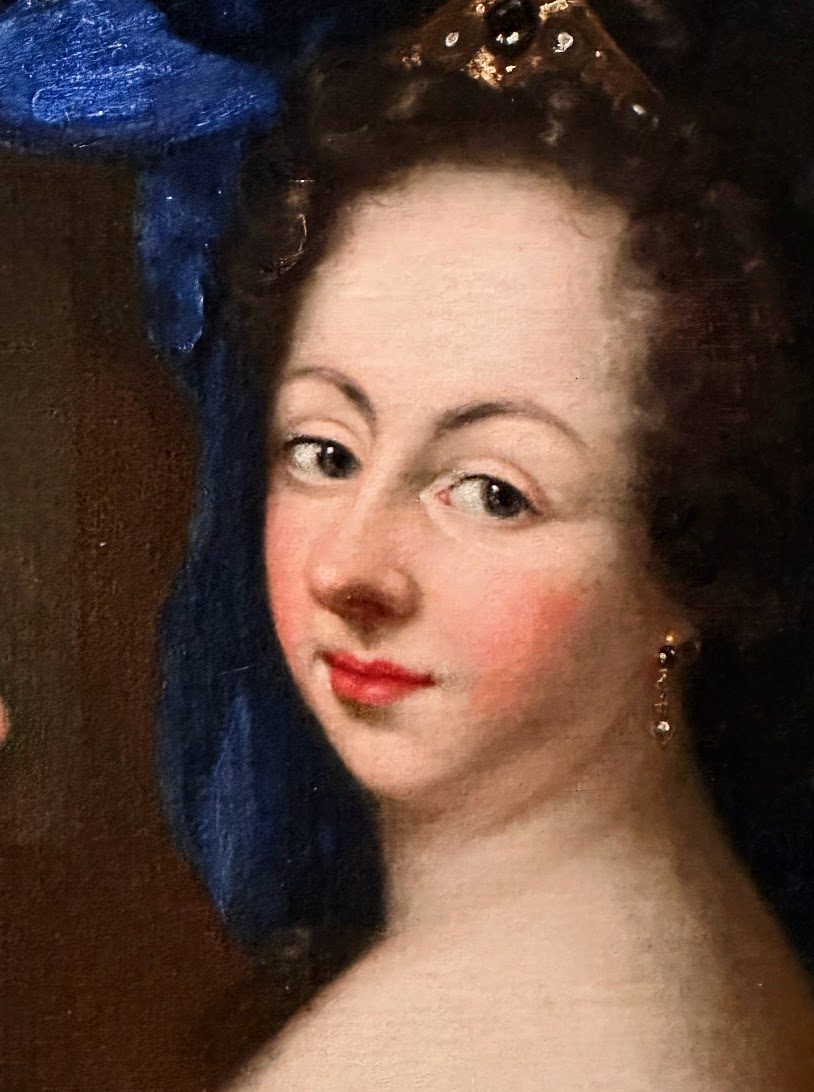
Allegory with Self Portrait and Profile Portrait of Queen Eleonora – 1689

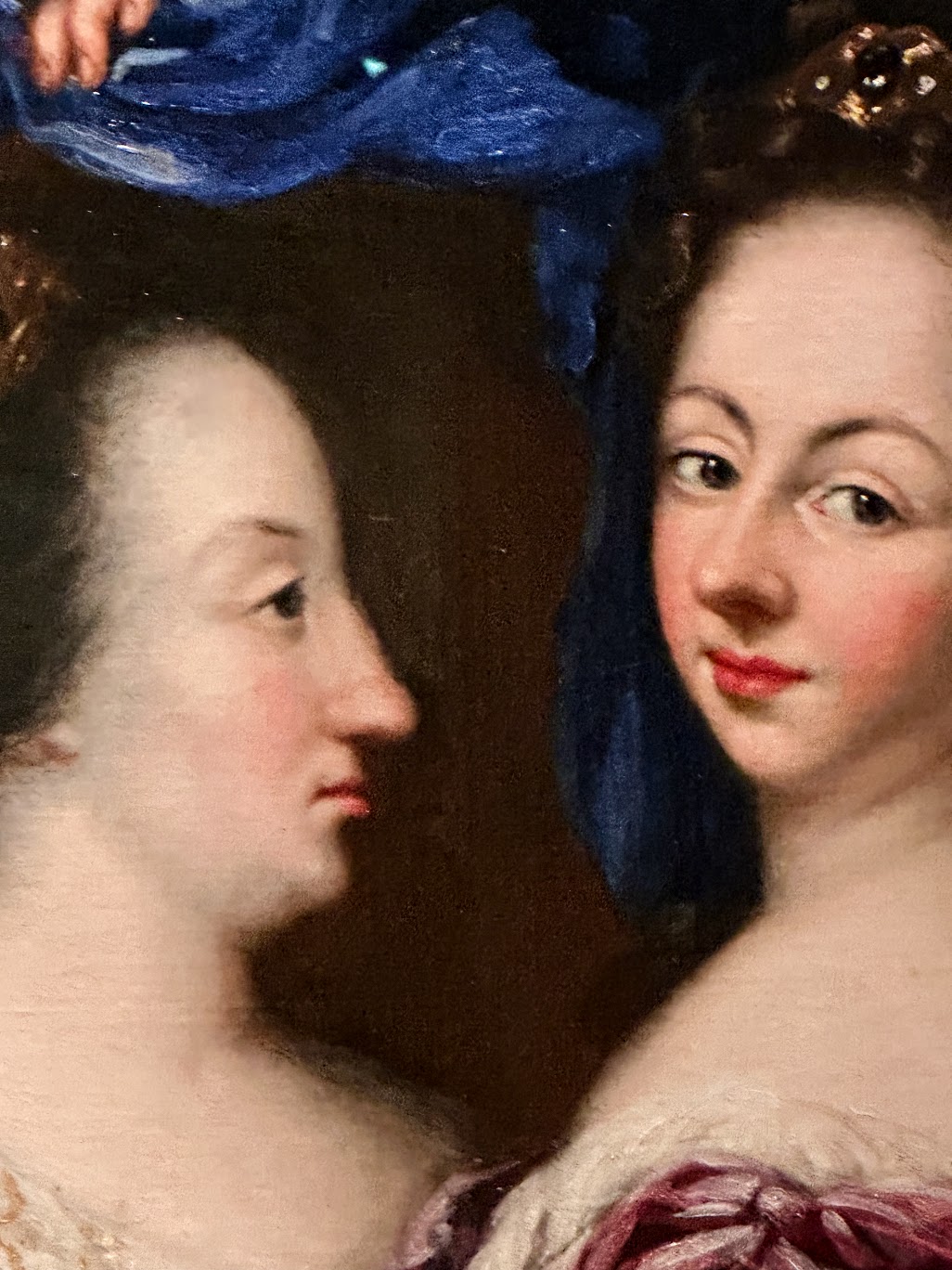
Resa – The above photo I took is from the “Making Her Mark” exhibit. I was lured in by its richness. This painting was not behind glass, and on close inspection I gasped when I saw the 335 year old cracks in the oils. I thought – Rebecca would love these cracks.

Rebecca – I do love those cracks, Resa!!  This is a 335-year-old painting!!  I believe that those delicate cracks add to overall aesthetic appeal of the artwork by providing a sense of history and authenticity. The cracks, also known as craquelure, can be seen as a unique feature that showcases the passage of time and the natural aging process of the artwork. I find that the presence of cracks enhances the texture and visual interest of the painting, giving it a distinct character that sets it apart from newer, flawless pieces.

Amalia von Königsmarck’s Artistic Pursuits

Amalia von Königsmarck was known for her literary and intellectual achievements as well as for her artistic endeavors. As a member of the royal court, she delved into the world of painting and portrayed various notable figures of her time. One of her renowned paintings is a self portrait dating back to 1688, offering a personal glimpse into her life and artistic expression.

In addition to her accomplishments in visual arts, Amalia participated in the amateur theatre of the royal court, an endeavor encouraged by Queen Ulrika Eleonora of Sweden. This involvement in the theatre highlighted her multifaceted interests and contributions to the cultural life of the royal court.

In the painting, Amalia holds her portrait of Queen Ulrika, a bold nod to her relationship with the queen.

One of her hands holds paintbrushes, depicting herself as a painter. (see full painting)It is the first known image of a Swedish female painter.

Although Amalia had studied under David Klöcker Ehrenstrahl, a Swedish nobleman and portrait painter, Amalia was a dilettante painter. This refers to an individual who engages in painting as a hobby or pastime, without pursuing it as a serious or professional occupation.

Dilettante painters typically approach art with enthusiasm and interest but may not have undergone formal training or dedicated extensive time and effort to develop their skills to a professional level. Their works are often created for personal enjoyment or as a form of creative expression, without the intention of displaying or selling them in a professional art context.

Amalia and the Great Northern War

In 1695, amidst the intricate dynamics of the royal court, Amalia Lewenhaupt (Königsmarck) persuasively influenced her spouse to enter into the service of Augustus II the Strong, who was at that time engaged in a romantic relationship with her sister Aurora. However, this decision led to dire consequences, as her spouse faced the confiscation of property and a sentence of death in his absence by Charles XII of Sweden in 1703, during the tumultuous Great Northern War. Tragically, her spouse passed away in exile in Hamburg, Germany, in the same year.

The other 2 women in this allegorical portrait:

Left – winged and holding a trumpet is likely Fama, goddess of rumour and fame.

Right – The woman points to the queen while gazing out of frame.

Resa – So Rebecca, I add the thought here that the pointing indicates that Amalia is saying that Queen Eleonora is of rumour and fame?

Rebecca – While the specific meaning of the painting, “Allegory with self-portrait and profile portrait of Ulrika Eleonora the Elder” is open to interpretation, the inclusion of the self-portrait alongside the profile portrait of the queen suggests a significant personal connection between Amalia and Queen Ulrika Eleonora. The portrayal may convey Amalia’s admiration for the queen and her acknowledgment of the queen’s reputation and prominent status. Queen Ulrika Eleonora was renowned for her religious devotion, patience, mild demeanor, and charitable nature, which endeared her to the public. Her modest beauty and dignified presence further enhanced her image as a symbol of hope and lasting peace. Embraced with enthusiasm by the public, she was perceived as a beacon of optimism, and her personal merits bolstered her popularity, solidifying her status as a beloved and influential figure in her time.

Amalia’s Return to Sweden

Following the upheavals and challenges she encountered, Amalia Lewenhaupt eventually journeyed back to Sweden in 1722. Notably, her return to her homeland was accompanied by the fortune-teller Höffern, perhaps seeking guidance and solace after the tumultuous events she had endured.

In 1740, at the age of 76, Amalia Lewenhaupt peacefully passed away in Övedskloster, thereby transcending the trials and tribulations of her lifetime. Her final years were marked by the tranquility of her surroundings, providing a contrast to the tumultuous events she had previously experienced.

Regrettably, Amalia Lewenhaupt’s poignant story was further shadowed by the tragic fate of her firstborn son, Charles Emil Lewenhaupt, who faced condemnation for treason and was ultimately executed in 1743, thus adding another layer of sorrow to her enduring legacy.

Resa –  Rebecca, I can’t thank you enough for being here with me to present Amalia von Königsmarck. It’s somewhat jolting to realize that she was on earth 361 years ago.

Rebecca – Thank you, Resa, for this extraordinary opportunity to collaborate with you on “Making Her Mark”. It is truly fascinating to unravel the multifaceted contributions of remarkable women from past centuries and to witness the enduring impact they have on the world of art and culture. These women have left a profound legacy that continues to inspire and shape our artistic landscape today. By delving into their lives and artistic endeavors, we gain invaluable insights into the richness of history and the enduring influence of these visionary individuals.

Thank you again and again Rebecca!

You can visit Rebecca on Chasing Art! Also for links on the research, just click on the above banner!

Making Her Mark – Self Portraits I

Welcome to the “Making Her Mark” Self Portraits Series! How better can we get to know some of the amazing female artists, from 1400 – 1800, than to introduce them through their own visions of self.

I have invited Rebecca Budd, curator of the online gallery – Chasing Art – to join me in unearthing more of the history of these artists.

Resa: Welcome Rebecca!

Rebecca: – Resa, I was thrilled to receive your invitation to participate in the Self Portraits segments of your “Making Her Mark” virtual event. What better way to begin this journey of discovery than with the artist, Sarah Biffin. I confess this was the first time I heard her name, which can be spelled either Sarah Biffin or Sarah Biffen.

Resa: So Rebecca, now that you’ve heard her name, I’m excited to hear what you have discovered.

The Remarkable Journey of Sarah Biffin

Born with a disability, Sarah Biffin’s remarkable journey from sideshow attraction to an artist patronized by royalty remained little known until recent years. Despite her initial challenges, her early talent blossomed into outstanding artistic ability, leading to recognition and patronage by the aristocracy. Her story serves as a true testament to the transformative power of opportunity and mentorship, showcasing the incredible potential that lies within each individual.

Born on October 25, 1784 in East Quantoxhead, Somerset, Sarah was the third of five children born to Henry Biffin, a farm labourer who later became a shoemaker, and Sarah Perkins. The baptism register noted that Sarah was born with a rare condition known as phocomelia, rendering her without arms or legs. At the age of 25, she was reported to be approximately 3 feet tall.

When she was 20, Sarah was exhibited as an attraction by a travelling showman at fairs throughout England. Even without formal training, crowds were impressed by how she used her mouth to sew, write and paint watercolours and portrait miniatures.

And then…. serendipity smiled and transformed Sarah’s destiny.

Sarah Biffin’s life was undeniably impacted by a twist of fate. It was at the St Bartholomew’s Fair of 1808 that George Douglas, 16th Earl of Morton (1761-1827) noticed her. This serendipitous encounter changed the trajectory of Sarah’s life in a profound and inspiring manner.

His sponsorship of Sarah Biffin, an artist born with a rare disability, enabled her to receive art lessons from renowned painter William Craig of the Royal Academy of Arts. Notably, George Douglas is remembered for his patronage of the arts and his support of individuals with exceptional talent.

As a result of the Earl of Morton’s support, Sarah’s artistic skills developed considerably. By the time she reached her 30s and 40s, she had become an extraordinarily talented artist, often considered to be as good as the best portrait miniaturists of her time. This period marked a significant ascent in her artistic prowess, solidifying her legacy as a remarkable and influential artist.

Patronage, Marriage & Legacy

Sarah’s exceptional artistic talent earned her prestigious commissions, including from the Royal Family, leading to her widespread popularity and acclaim. This royal patronage elevated her status and contributed to her flourishing career as an artist.

On September 6, 1824, Sarah entered into marriage with Stephen Wright in Kilton, Somerset. Despite the eventual end of the marriage, Sarah continued to exhibit under her married name in the years that followed.

Sarah’s influence extended beyond the realm of art, as she was prominently featured in the works of renowned author Charles Dickens. Dickens referenced her in several literary works, including “Nicholas Nickleby,” “Martin Chuzzlewit,” “Little Dorrit,” and “A Plated Article,” underscoring her cultural significance and enduring legacy.

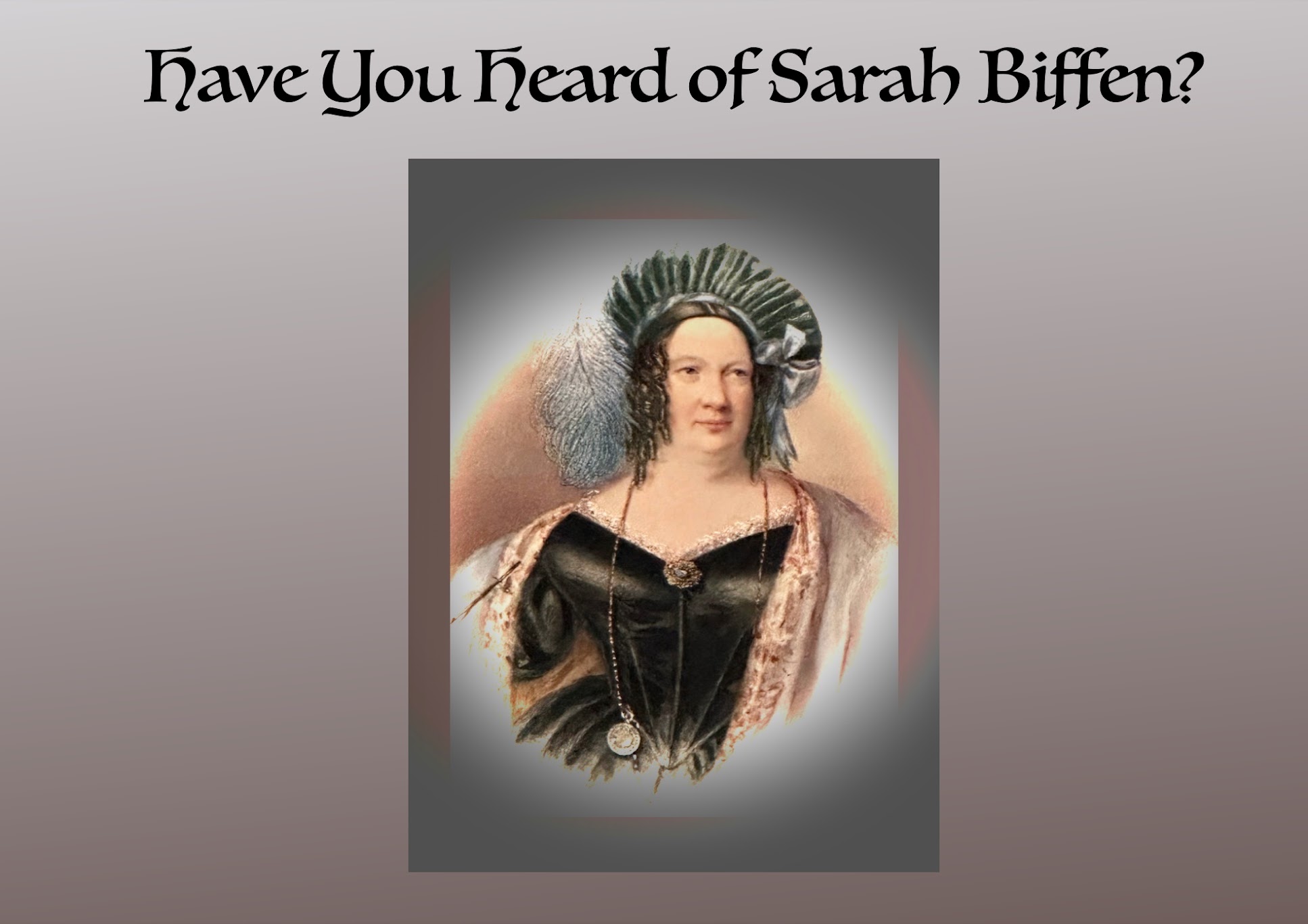
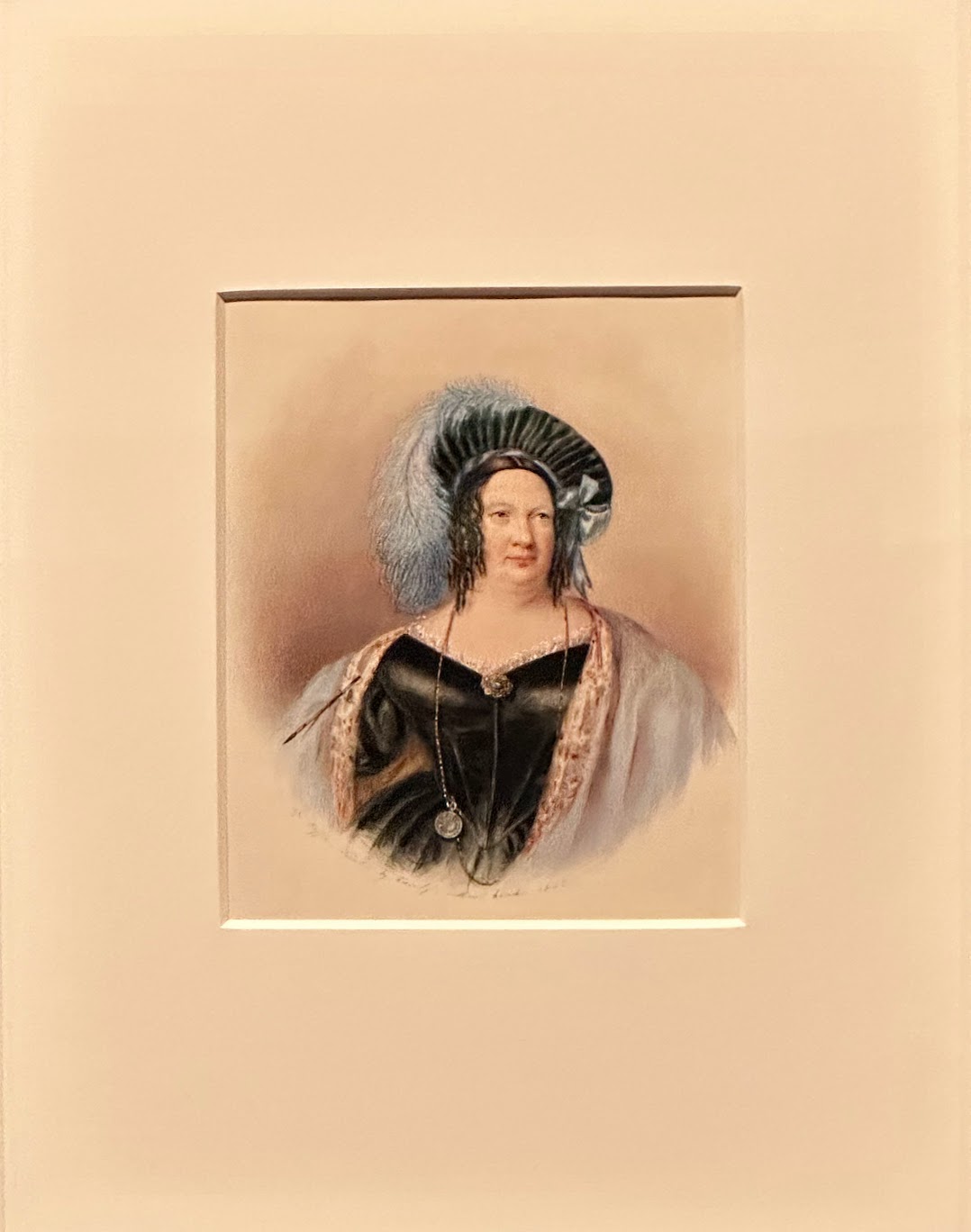
Sarah’s Last Self-Portrait

ResaRebecca, what an honour it is to have seen this portrait in real life. I took one close up within the glass free board frame, and one how it was on the wall. It’s a real treat to not have to look through glass. I hope my photography does it justice.

Rebecca – Your photos allowed me to step through the screen and join you virtually at the AGO.  It was as if I were viewing the paintings in person. 

Resa – Rebecca, I am so happy you are here! Thank you for joining me!

Rebecca – Thank you, Resa, for the invitation to join you on this profound “art” journey. I am thrilled to be sharing “Making Her Mark” with you.  Thank you for your extraordinary vision of creativity within our complex, evolving world. You have redefined the art world through your unparalleled leadership, emphasizing compassion and hope as guiding principles. Your profound understanding of art’s transformative power has inspired me and countless individuals, fostering a deeper appreciation for the inherent beauty and significance of artistic expression.

Resa – Thank you, Rebecca! Graciously and humbly.

I hope you all enjoyed this close up feature on Sarah Biffen. A million thank you’s to Rebecca Budd for joining me, with her fabulous research, in this Self Portraits series. Rebecca and I will be back with further instalments highlighting other women who made her mark with art.

Click on the banner above to view some of the site links Rebecca found and used for her research. The Artnet link reveals many of Sarah’s works. Unfortunately none are for sale

Visit Rebecca at CHASING ART! Here you will also find links to her other blogs and Podcast Tea, Toast and Trivia

Photos of Sarah Biffen’s self portrait taken by Resa – May 14, 2024

Art Gallery of Ontario, Toronto, Canada