Recently, wandering the urban forest, I espied a patch of colour. Turning the corner, a stunning autumn hued tarn with hikers appeared.
Instantly, I thought of Lauren Scott, and her love of country hiking. The next thought was “Isn’t she writing a children’s book? It must be almost finished.”
Well, I asked her. Turns out YES! Cora’s Quest is just released! As we are having an endless postal strike in Canada, I purchased the EBook.
The Blurb
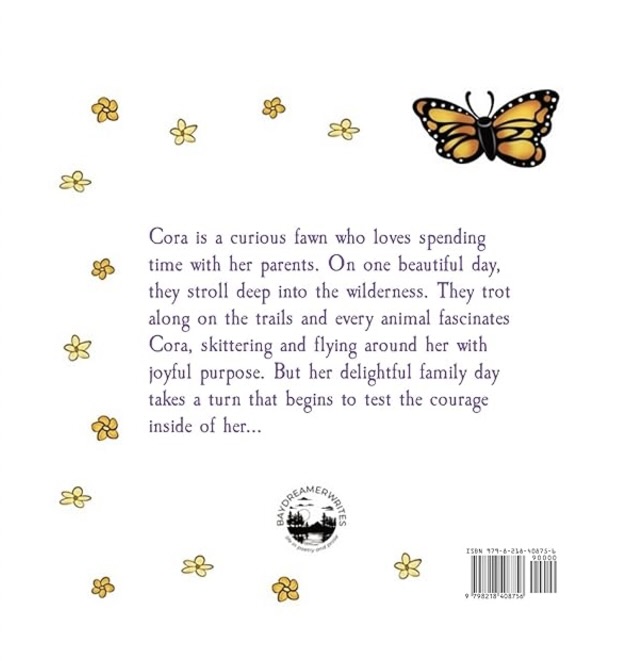
Cora is a curious fawn who loves spending time with her parents. On one beautiful day, they stroll deep into the wilderness. They trot along on the trails, and Cora finds other animals fascinating. They skitter and fly around her with joyful purpose. Every unique sound catches her attention, stirring her curiosity to discover just where that sound came from. But suddenly her delightful family day takes a turn that begins to test the courage inside of her…
I know Lauren is unhappy with how the Ebook formatting came out. She got one from amazon. I got mine from Kobo. Yes, it is not perfect, but it’s all there.
Geared to 2- 5 year old children, this sweet and loving story, complete with enchanting illustrations by Chris Mendez, is the type of book a child might want to hold, carry around or even take to bed.
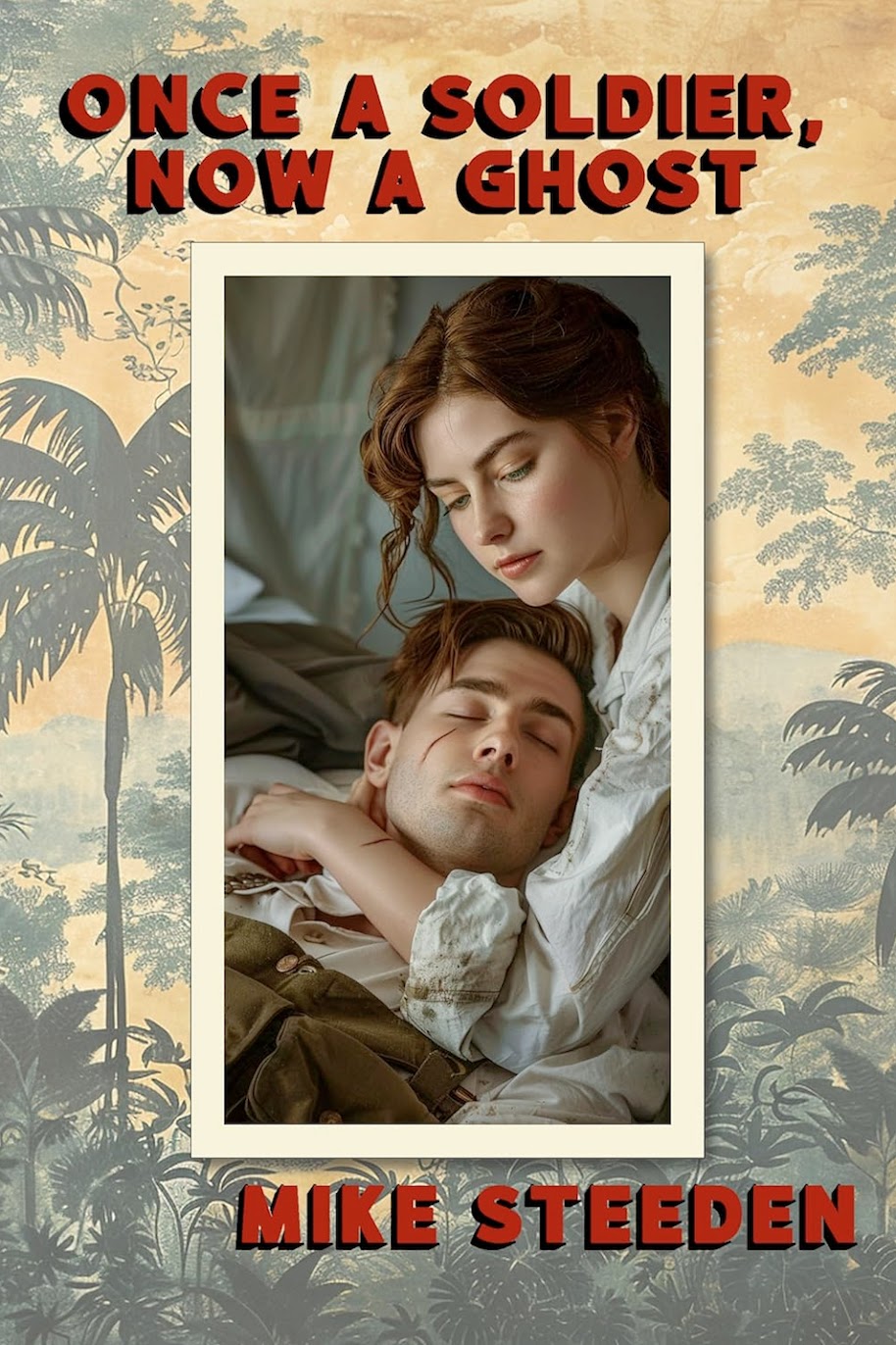
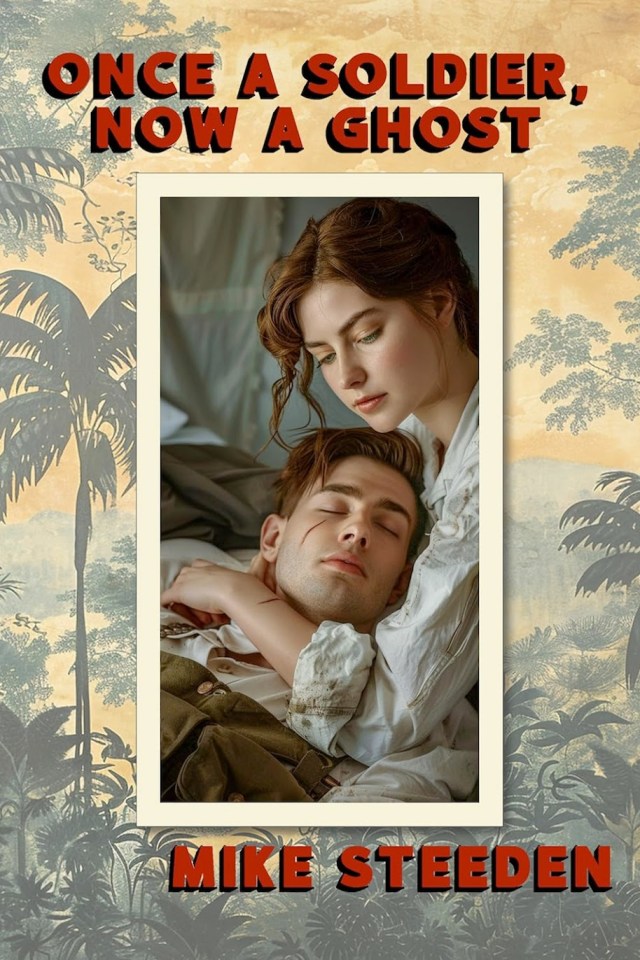
Mike Steeden’s adult historical romance embraces an idea of civilized existence via art, passion, love and peace. Set primarily in post WWII Montmartre, France, the story stakes a solid background in the horror of World War II’s Pacific War, and post WWII England.
Resa – In your books, and in prose on your blog, you often write of war, in particular WWII. I appreciate this, as I feel many have become indifferent to Nazis and white supremacy. Of course there was also the Pacific War aspect to WWII. To what do you owe this interest?
Mike Steeden – When it comes to WWII in my books, it’s all about my dad, a person who lives in my heart for no other reason than being my father. Jim, a tall good-looking man with wavy hair, who at 18 years was likely to become the centre forward for Brentford Football Club. Then ‘bang’, England was at war with the Huns.
Resa – Ahh, I had no idea. Please continue!
Mike – At just nineteen years, dad was captured by the Germans just outside Dunkirk whilst trying to retreat back to the beaches and possible sanctuary. The truck he was driving ran out of fuel just a few miles short of the beachhead. He and his mates were armed, amazingly, with only useless wooden rifles.
(that’s been validated, by the way…as there were not enough real ones to go round, and the Army wanted to make it look like all conscripts were armed.)
In the event, he and his comrades were herded up with the other POWs and, over several months, were marched across Europe to a camp right next door to the Krakow Concentration Camp in Poland, which would be his home for the next five years. His camp was named Stalag V1118 for what that may be worth.
Resa –Afascinatingstory, and we’ll end the post wth the rest of it.
Back to the book – Mike takes the protagonist, Green Eyes, famed French artist Zerach and the post war horror from England to France. It’s a mess in both countries, but France has Paris; specifically Montmartre.Once in Montmartre, Green Eyes, becomes an artists’ model.
Resa – Another topic you like to write about is Montmartre, the art scene and lifestyle therein. Tell me about this?
Mike – Whereas most modern nations are those thought of as ‘science led,’ in France it is ‘art’. It is for that reason I love Paris, the home of creative activity of all artistic kinds. To me, art is everything.
For the sake of it, think of June 1924 in the magical period of the ‘Années folles’. I often dream that I am in ‘The City of Love’, Paris by any other name.
"Overnight, spring has turned to summer, and it is as if the tantalizing romantic May dance of titillation has been fully consumed beneath the clear blue skies of the summer equinox.
There are no shadows under the high sun of noon this day as Shirley, my wife, and I walk the Luxembourg Gardens.
Mike – The region of Montmartre is the home of this planet’s art of all kind. It is there we find Ezra Pound, T S Elliot, Ernest Hemingway, F. Scott Fitzgerald and his wife Zelda, all chatting about Gertrude Stein’s party in Montmartre last evening.
Resa – Why Montmartre? Did you live there at one time?
Mike – Well, it is impressive with wonderful views overlooking Paris itself. Moreover, the town square is busy with a mass of wild street artists and cafés galore where one can grab a cup, take a seat, and linger like a local. Then there is the beauty of the buildings, old but magical. Give us another life and we’ll live there for ever.
When Green Eyes new friend, Charlotte, showed up at her Montmartre home wearing a lilac lace opera coat, I was fascinated by the coat. Green Eyes had to have it. I had to draw it.
Resa – Is this a coat you saw somewhere or did you make it up?
Mike – An odd one is this. I went over the top picturing Charlotte, as I desperately wanted the poor girl to be dressed in style even though that was all she was wearing. Why, I don’t really know; it was just a feeling for humble gratitude, albeit that she’d soon be happily naked thereafter.
‘Panash’ I call it, yet to give such a classic coat (I’m not very clever when thinking these things. I simply see them in my mind!) with captivating sequins, to Green Eyes who she hardly knew at the time, ensured a brand-new friendship, hence the story went on its romantic way.
Charlotte also shows up in an Avant-Garde kimono. As there is no further description, I came up with this, and shot in the morning light’s shadows.
Fascinated by the saga of Mike’s father? Here is the rest, as told by Mike.
Mike – As a prisoner he was, as I understand it, used effectively as slave labour down the coal mines of Silesia. The prisoners were regularly manacled…also validated…and that awful fact came back to haunt him in the nightmares of the dementia of his dotage, the poor sod. Nevertheless, post war and safely home, Jim, a six footer plus and the youngest of ten made it back to England five stone lighter than when he left these shores weighing in at a mere eight stone, yet picked up where he left off and eventually, after his apprenticeship, became an accomplished bricklayer. Sadly with frosted feet due to having no shoes during the war his dream to play for Brentford Football Club never happened.
Another thing, when back in England, Jim discovered his family had spent every last penny of his away…not a kind thing for a young man to take in and not go mad.
There you have, Miss Resa, a true tale that is glued to my heart and books. He wasn’t a bad old boy. He made me a fast bowler at cricket as well as teaching me how to throw darts pretty well. But basically, it was him and him alone who filled my brain with his WW2 torture…hence my stories.”
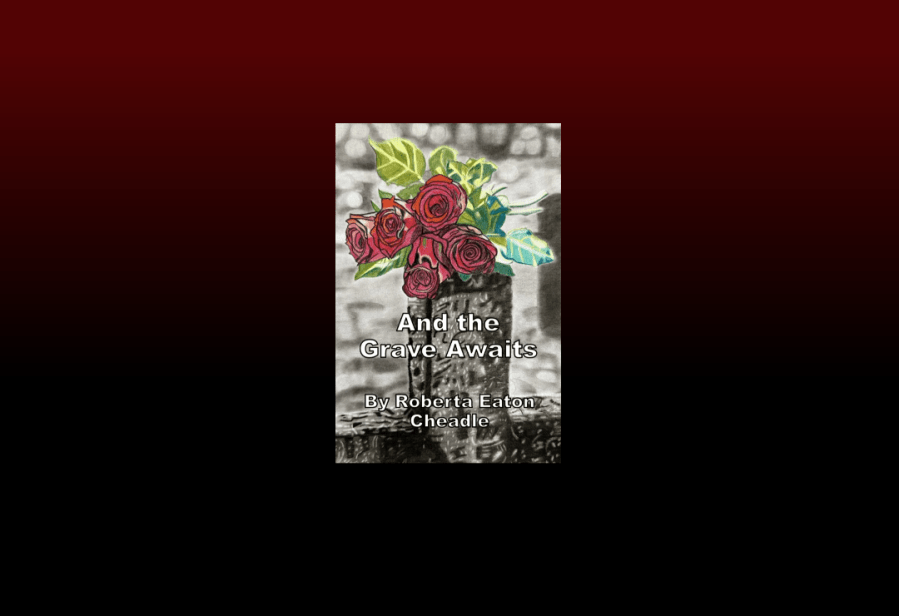
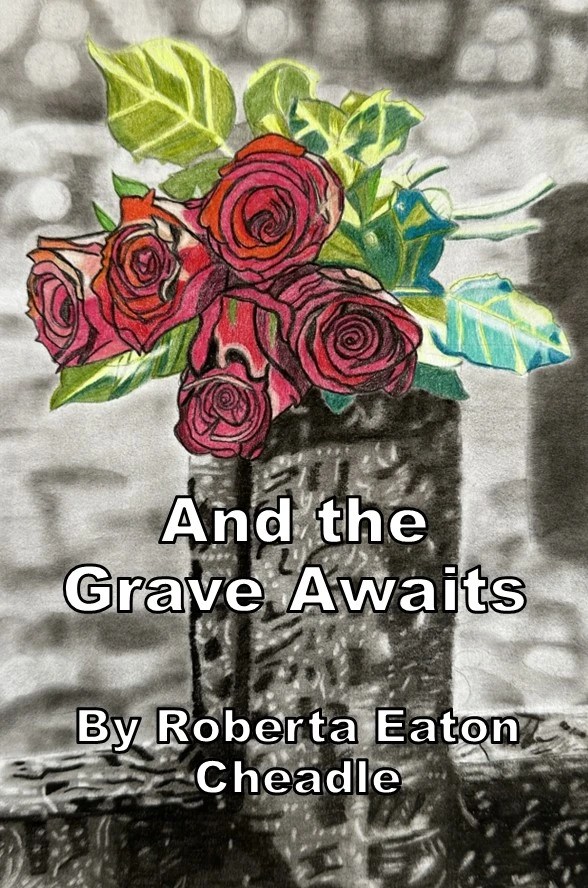
These roses have been drawn. Unlike real roses, their image will never die. They will wait for us, forever.
Curtia Wright
Much is to be gleaned, at the foot of a grave; more than you know. Roberta Eaton Cheadle takes us to more than one place of eternal rest. She has fifteen tales for us to learn from.
Be it an icy death, in a cold cruel world of the future,
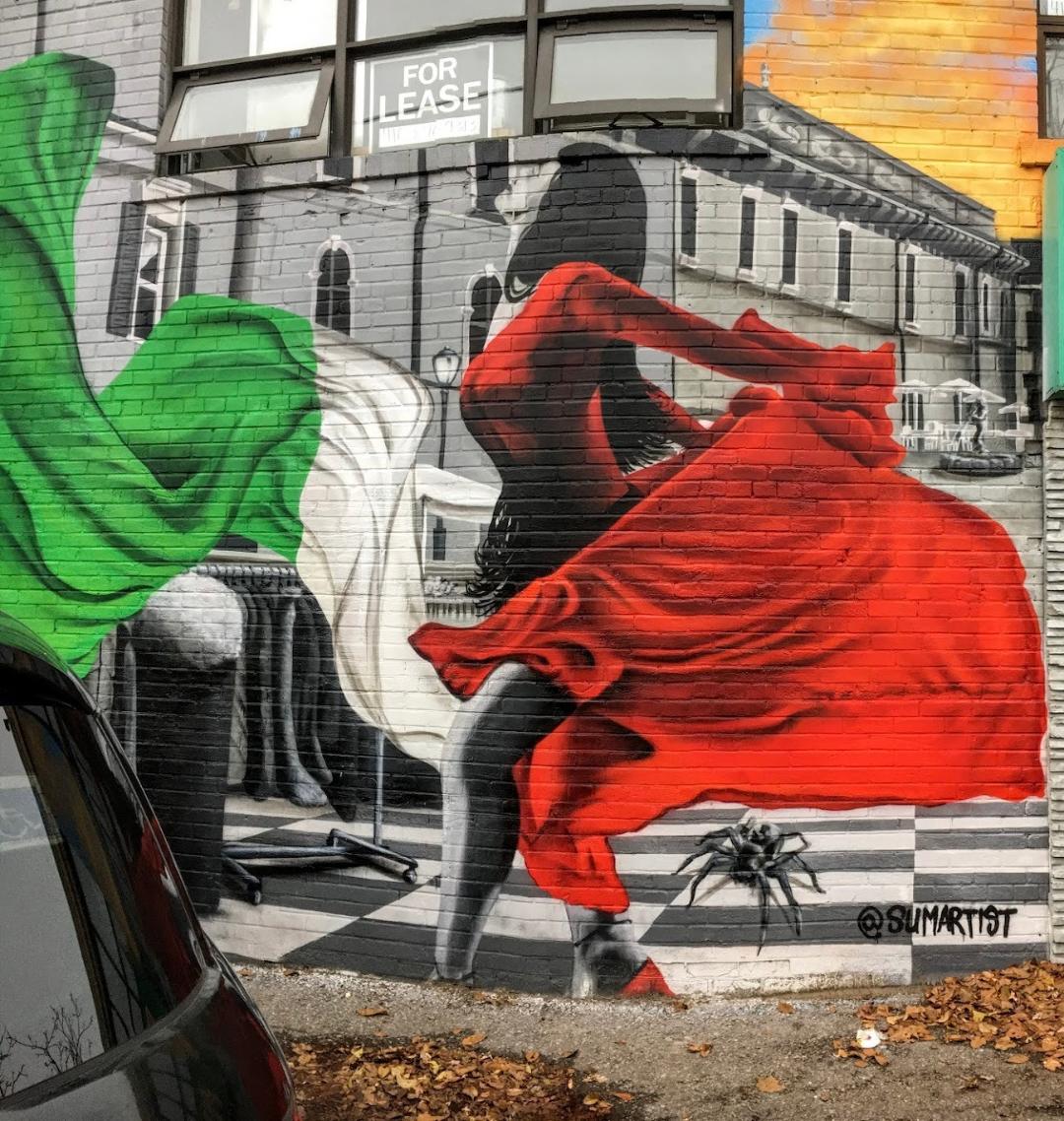
Sumartist
…. or a legend fraught from old wives’ tales, where tables turn in the wretched pit of a spider’s lair, should we be afraid?
Resa – Robbie, in And the Grave Awaits, Whether you have built a story from an old legend or an actual happening, there is something to be gleaned from each: a moral, life lesson or historical fact.
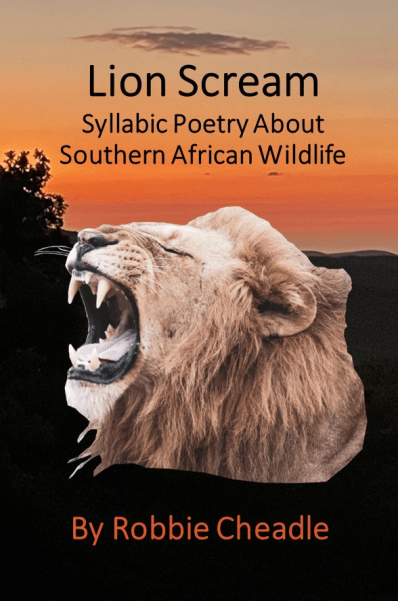
In other books, IE: Lion Scream, your sublime poetry (accompanied by brilliant photography)is filled with nature’s beauty, although animals and environment might cry out.
“A Ghost and his Gold” shows the horror and senselessness of war. Yet, reveals a better nature of man, through its riveting story .
All the while you are teaching about the Boer War.
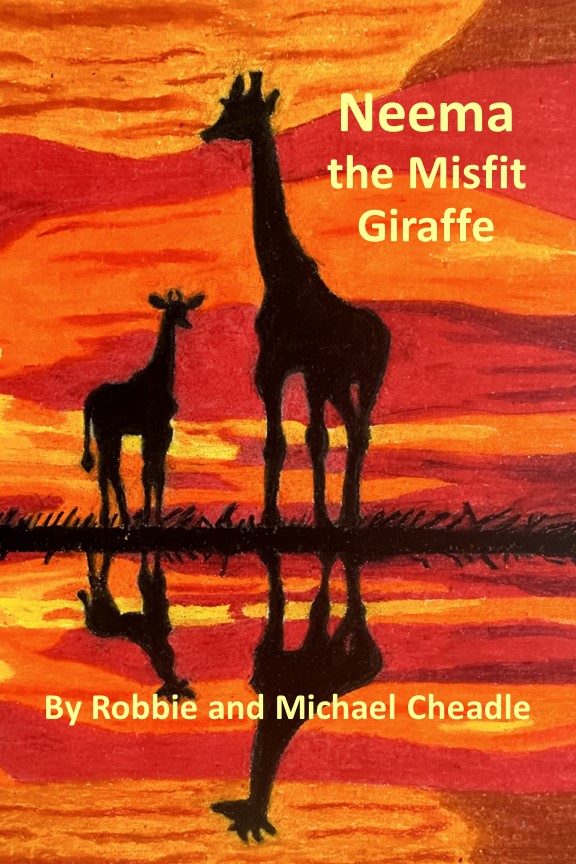
Your children’s books teach about many things, and are a positive energy.
WHAT DRIVES YOU TO DO THE GOOD WORK?
Robbie – Your question is an interesting one. I am a sensitive person and I see a lot of things that make me feel saddened. On the other hand, I am a very positive person and I usually manage to find the silver lining in life. I think both of these aspects of my personality, the seeing and the positivity, come through in my writing.
I love to share information, photographs, and interesting bits and pieces with other people. It promotes conversations and ignites new thought processes and ideas.
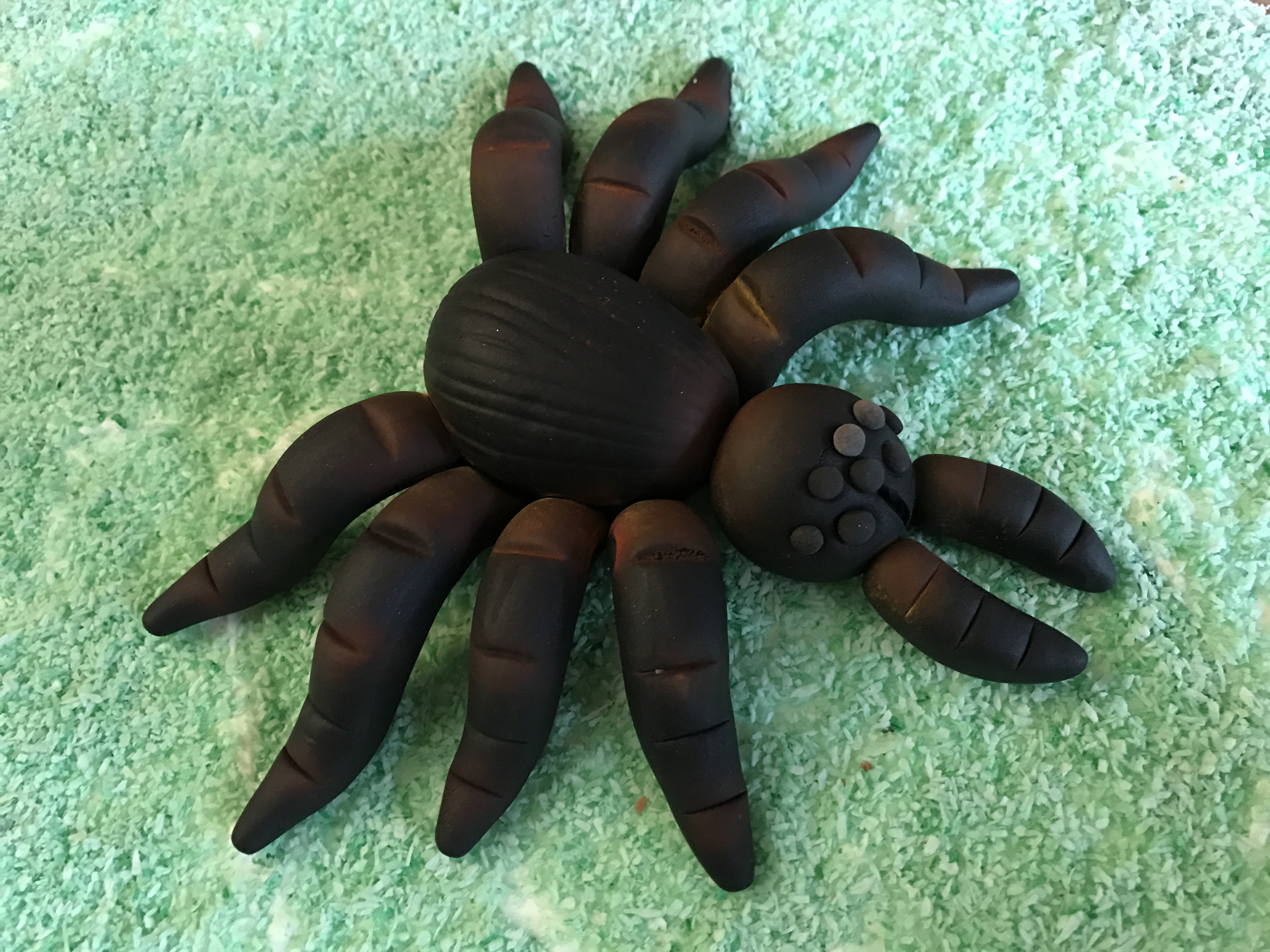
Fondant spider made by Robbie
I think this love of sharing knowledge also comes through in my writing.
I especially like to teach children.
They are so eager to learn and discover.
Beehive cake art made by Robbie
Resa – From what age through adult do you think And the Grave Awaits is cool to read?
Robbie – And the Grave Awaitsis for adults, 18 years and upwards.
Resa – I had to ask because so many movies that are extremely violent and sexually suggestive are rated 14+ these days. When I was a kid, those same movies would have been restricted to 18+ , and we would have to show ID to get into the theatre.
Video games can be wildly violent, sexually suggestive, and seem to have very little parental oversight. This book seems mild compared to the games and movies I am referencing. I hope you don’t think I’m silly for asking. It occurred to me out of the blue, while working on the post.
Robbie– It is a thought provoking question and one I found a little difficult to answer. I listed this book on Amazon as a ‘normal’ adult book. No explicit sex obviously, and not overly dark compared to other books.
South Africa is still a conservative society, but it’s what I know and what I use as a benchmark. My aim with this book was to make people think about historical events and the reasons behind them. My purpose is to remind people what can happen if we don’t retain the human rights our ancestors fought for. People quickly forget the past and don’t know how easily rights can be undermined to the detriment of the ordinary person.
I don’t consider it to be a YA book, although teens could read it, because the characters are not teens. My understanding from what I’ve read is its the age of the characters rather than the content per say, that separates YA and adult.
Resa – I really appreciate your thoughtfulness on this topic. I have read a lot of your books, and have become a huge fan, because of your intrepid stance on what you convey through all of your artistic endeavours.
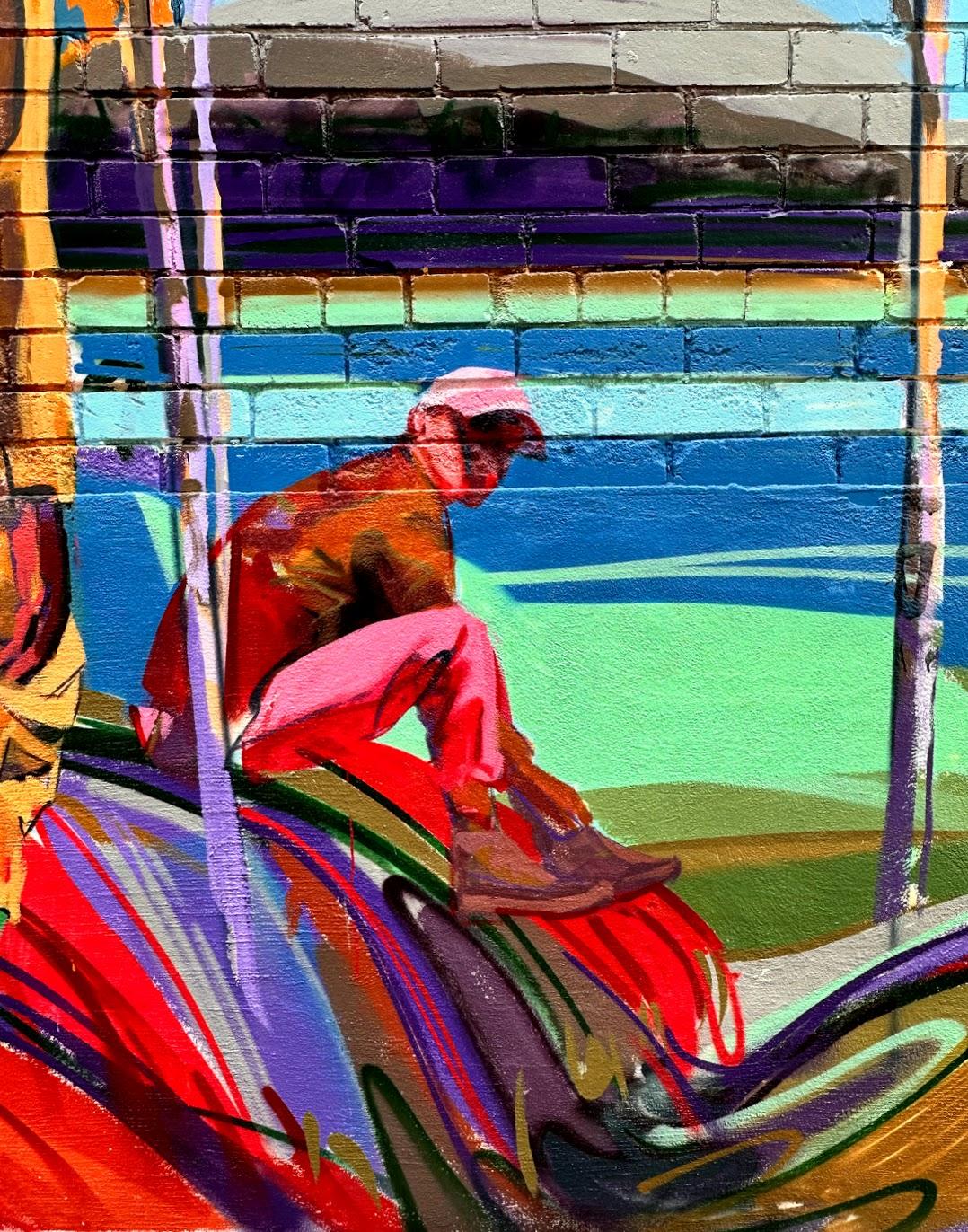
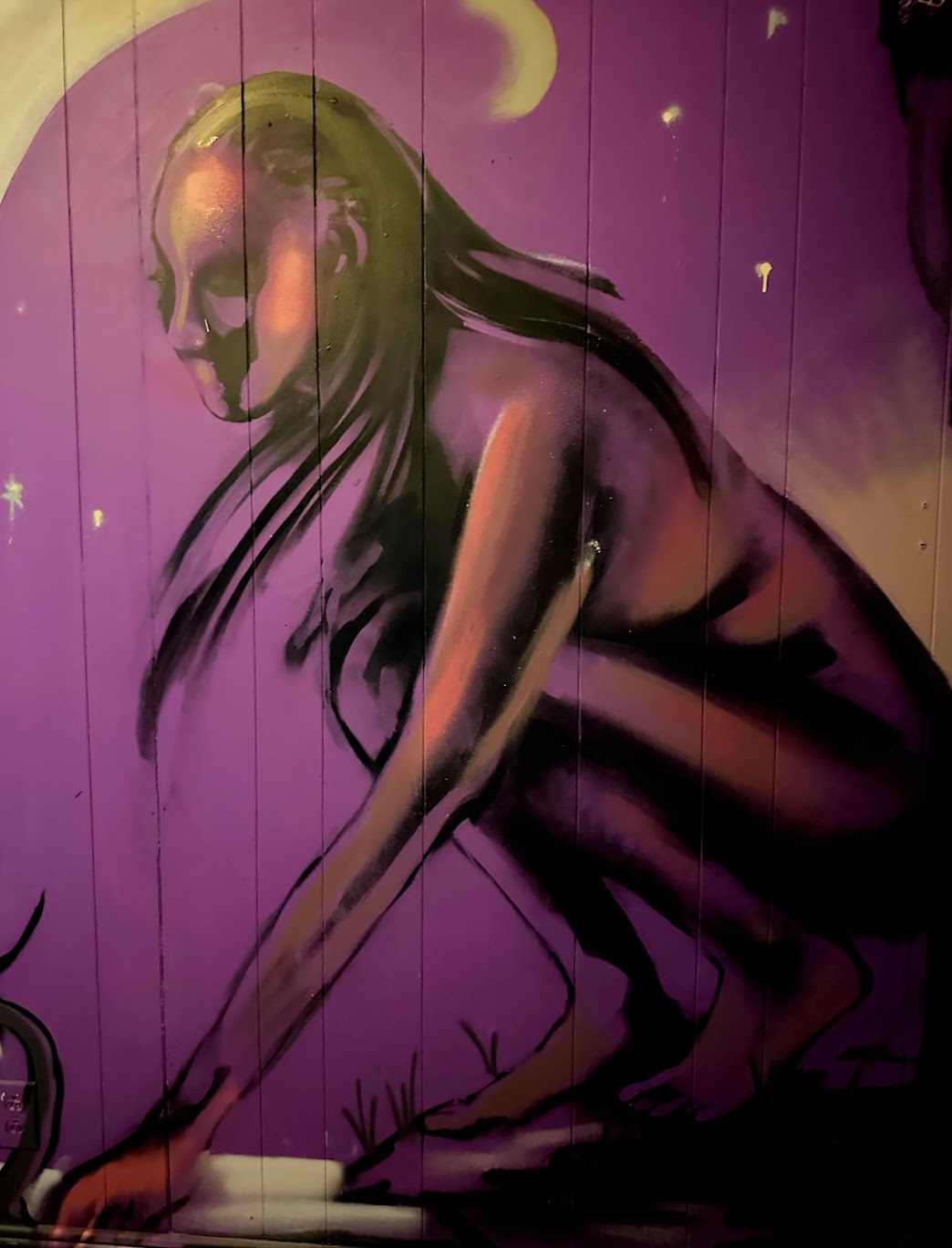
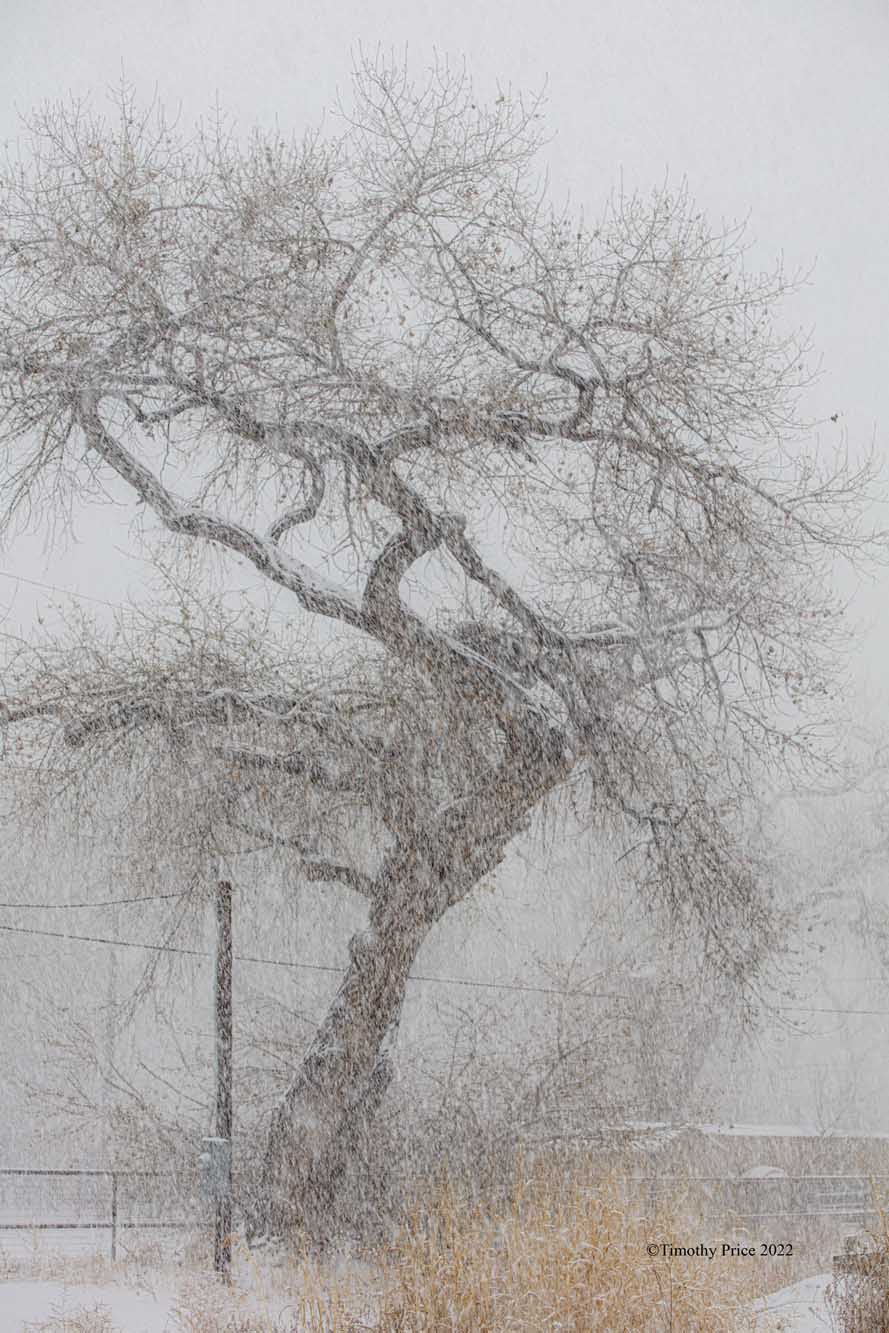
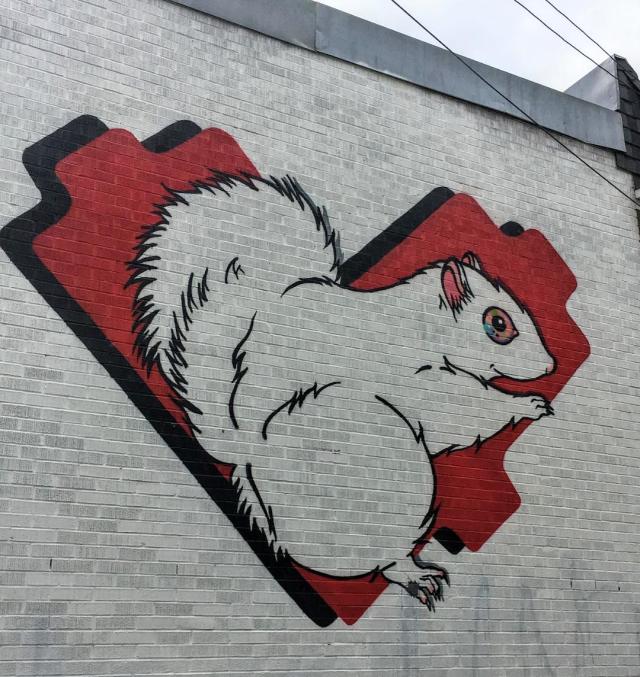
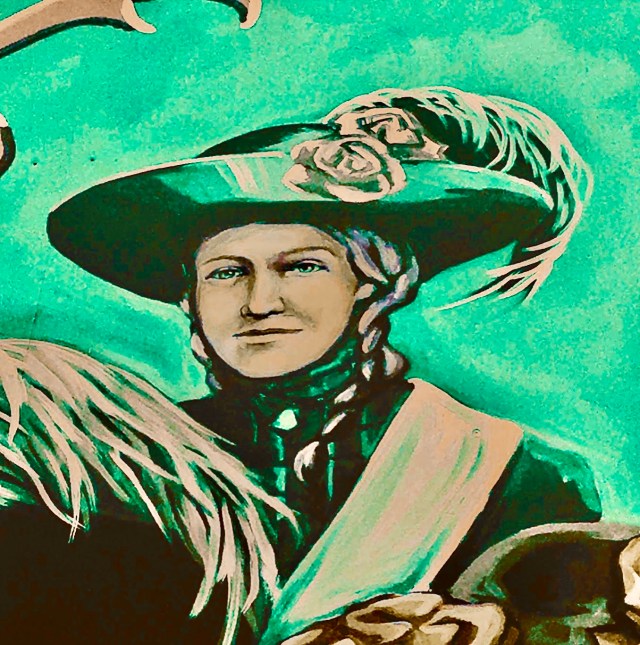
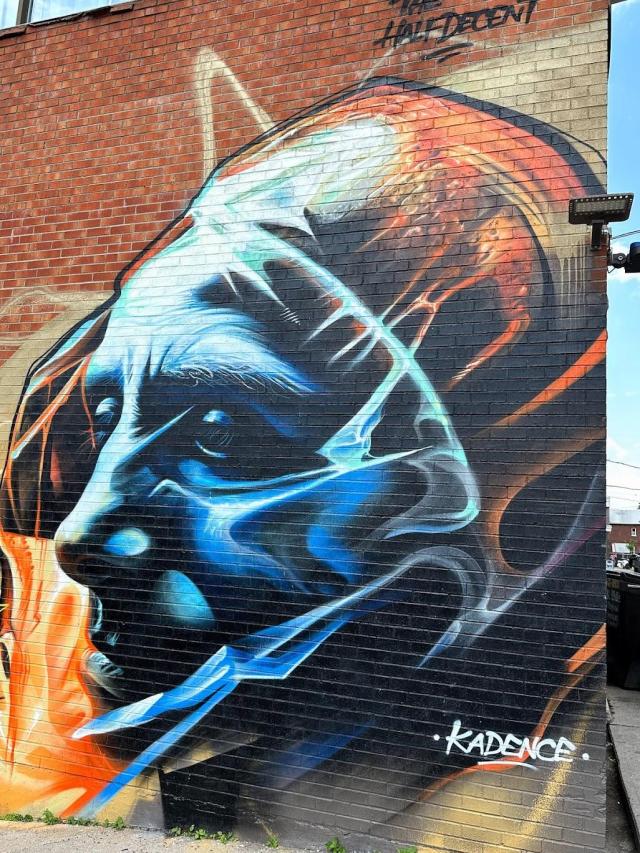
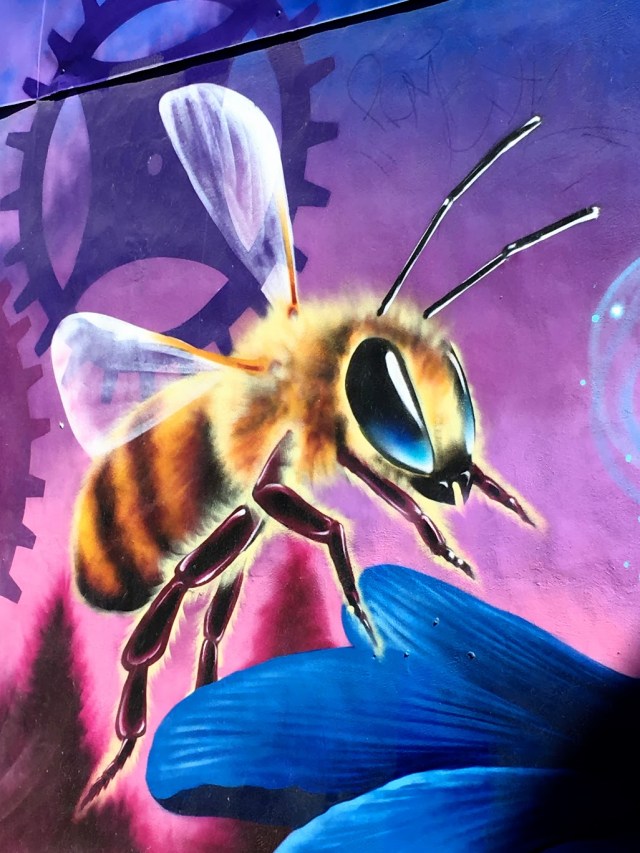
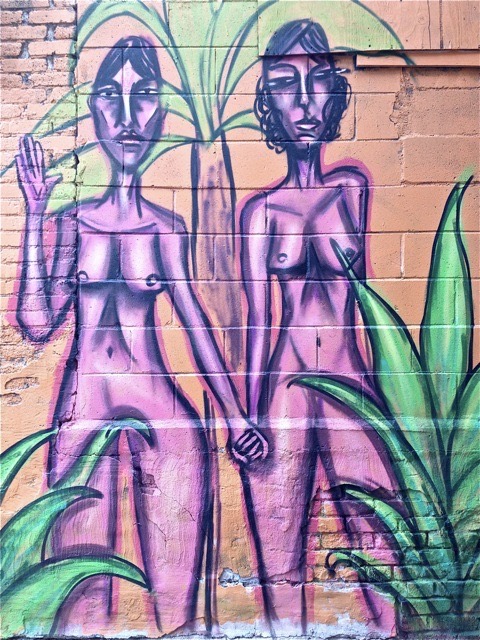
Following is a selection of street art. As in the first images of this post and in the cake and fondant art of Robbie’s, each image represents a tale in And the Grave Awaits.
Shalak Attack
Mandy van Leeuwen
The Half Decent
Nick Sweetman
If you’ve read the book and can’t figure what an image could represent, just ask in comments. If you haven’t read the book, you’ll have to read it to figure them out!
Robbie is a prolific writer. You can find her books on Amazon sites around the globe. Just search “Robbie Cheadle” for children and youth books – “Roberta Eaton Cheadle” for adult books.
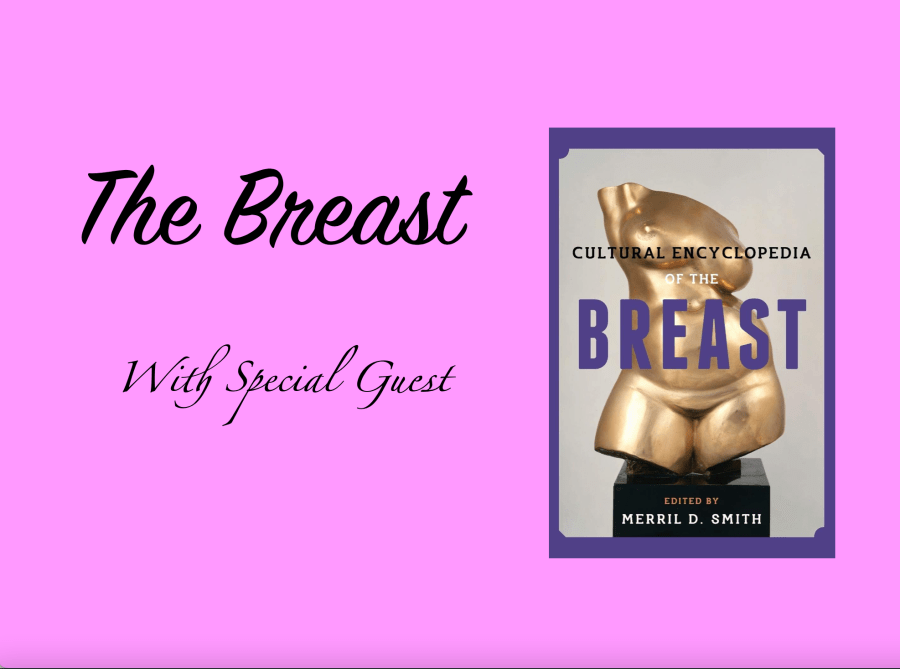
What better time is there to talk about breasts than breast cancer awareness month?
"Boobs. Boobies. Tits. Hooters. Knockers. Jugs. Breasts.
We celebrate them; we revile them.
They nourish us; they kill us.
They have fascinated us since prehistoric times."
                                                                                                                          - Merril D. Smith
I got this book from my local library. I was tickled pink that Merril,a 5 aces poet IMHO, whose blog I follow, put this encyclopedia together. As well as the Preface, Acknowledgements, Introduction and Chronology of Selected Breast Events, she wrote 17 of the entries.
Danae – Painting by Artemisia Gentileschi -1612
Renewed thrice, I approached it a few pages at a time whenever I lounged in my favourite chaise.
I learned a lot of big medical words, and the physiological and the psychological lessons on the breast that comes with that. I also gleaned a lot about breasts in terms of cultural history from: Art to Wonderbra, Barbie Dolls to Slaves as Wet Nurses, Eating Disorders to Hollywood, Flappers to Mythology and 137 other entries.
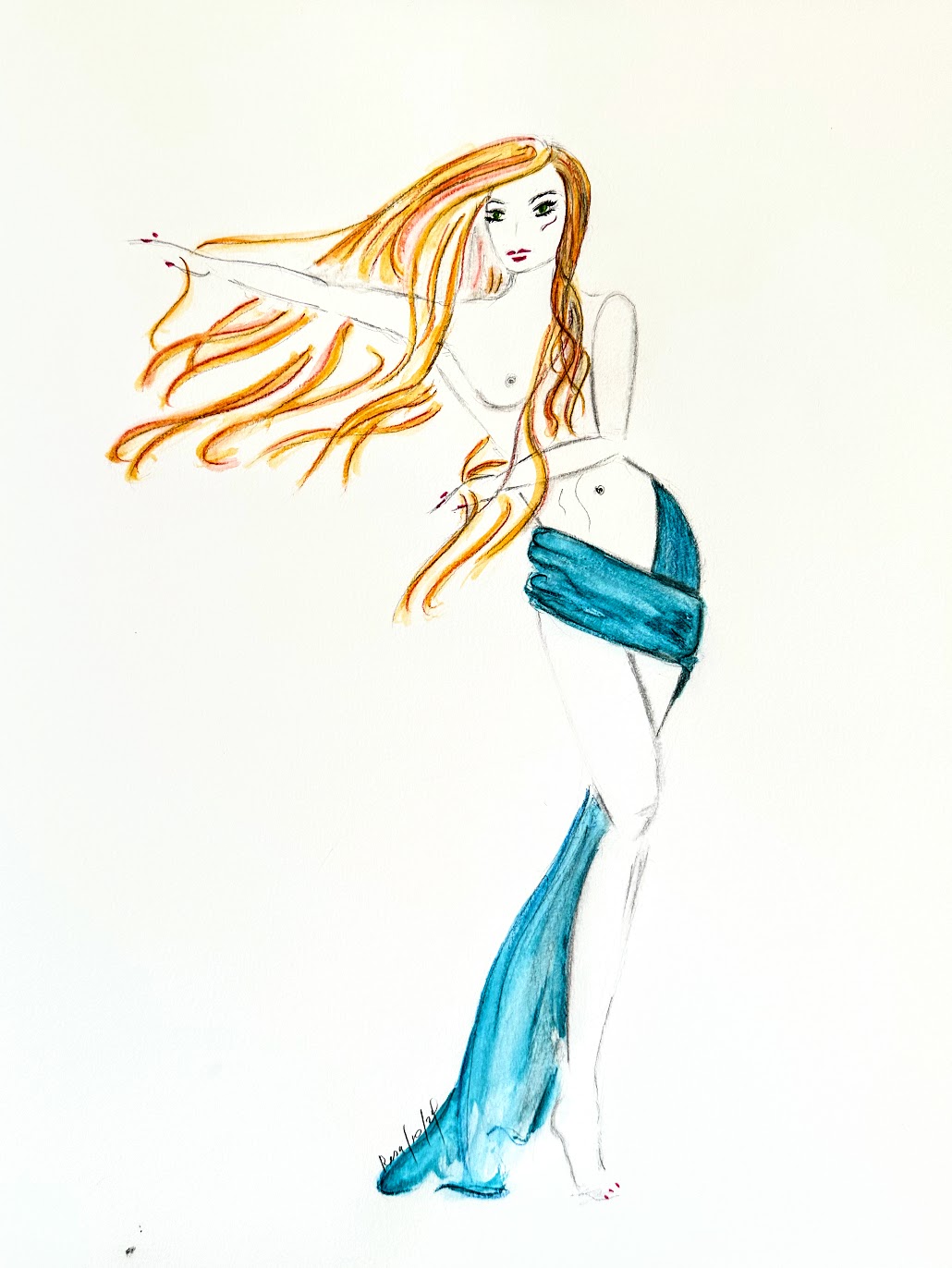
Old sketch of Resa – unsigned
This book enlightens with a societal purview, that runs through the ages. As encyclopedic entries give only a general overview, each entry is followed by extra and more detailed reading available on each topic.
This is not a picture book, so don’t run out and get it because you want to see lots of images of breasts. If that’s the aim, you might as well just grab an issue of Playboy (an entry in the book & reviewed by said magazine), or visit any online site of breast repute.
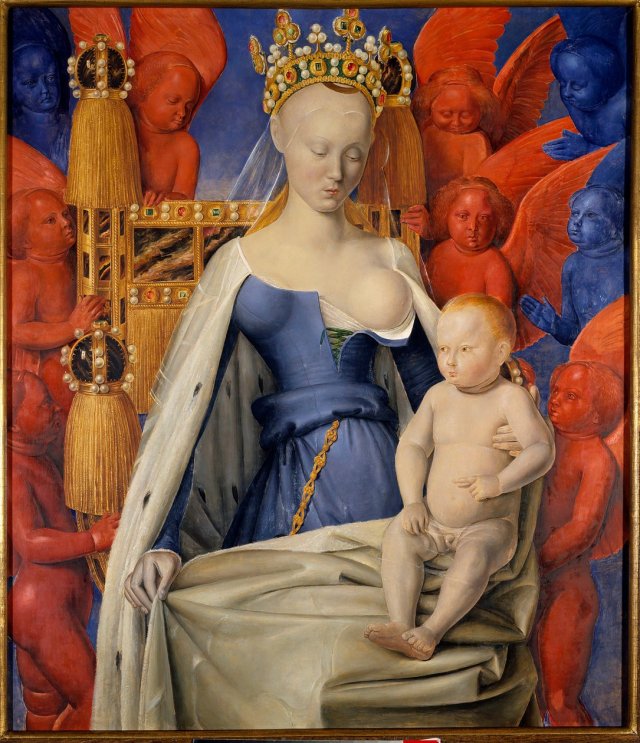
However, every so often there is a photo insert that helps make a point. One such picture is a black & white detail of Jean Fouquet’s (circa b.1420 – d.1481) painting Virgin and Child from the Melun Diptych.
I was keen to learn from the encyclopedia that the model for this painting was Agnès Sorel, celebrated beauty and mistress of King Charles VII of France.
Having decided to use a representation of this painting: I went online, found hundreds of pics of it, many variations on it and discovered that you can buy prints of this painting at Walmarts.
I’m wondering – Did Mr. Fouquet actually ever look at Agnes’ breasts, or was one of them growing out of an armpit?
It wasn’t always about big boobs
Breasts actually have a purpose. They were not always culturalized primarily as sexual objects, as they are in modern western culture. Here, much money is to be made in the plastic surgery realm, and the trend has spread to non western cultures. Other times and societies have looked at them differently from practical, to fertility symbols and with different eyes on beauty.
Pink Ribbon Campaigns
.. is one of the entries in the encyclopedia. I found this entry eye opening in a way I hadn’t envisioned.
Two things that stood out, in terms of Breast Cancer awareness, are that:
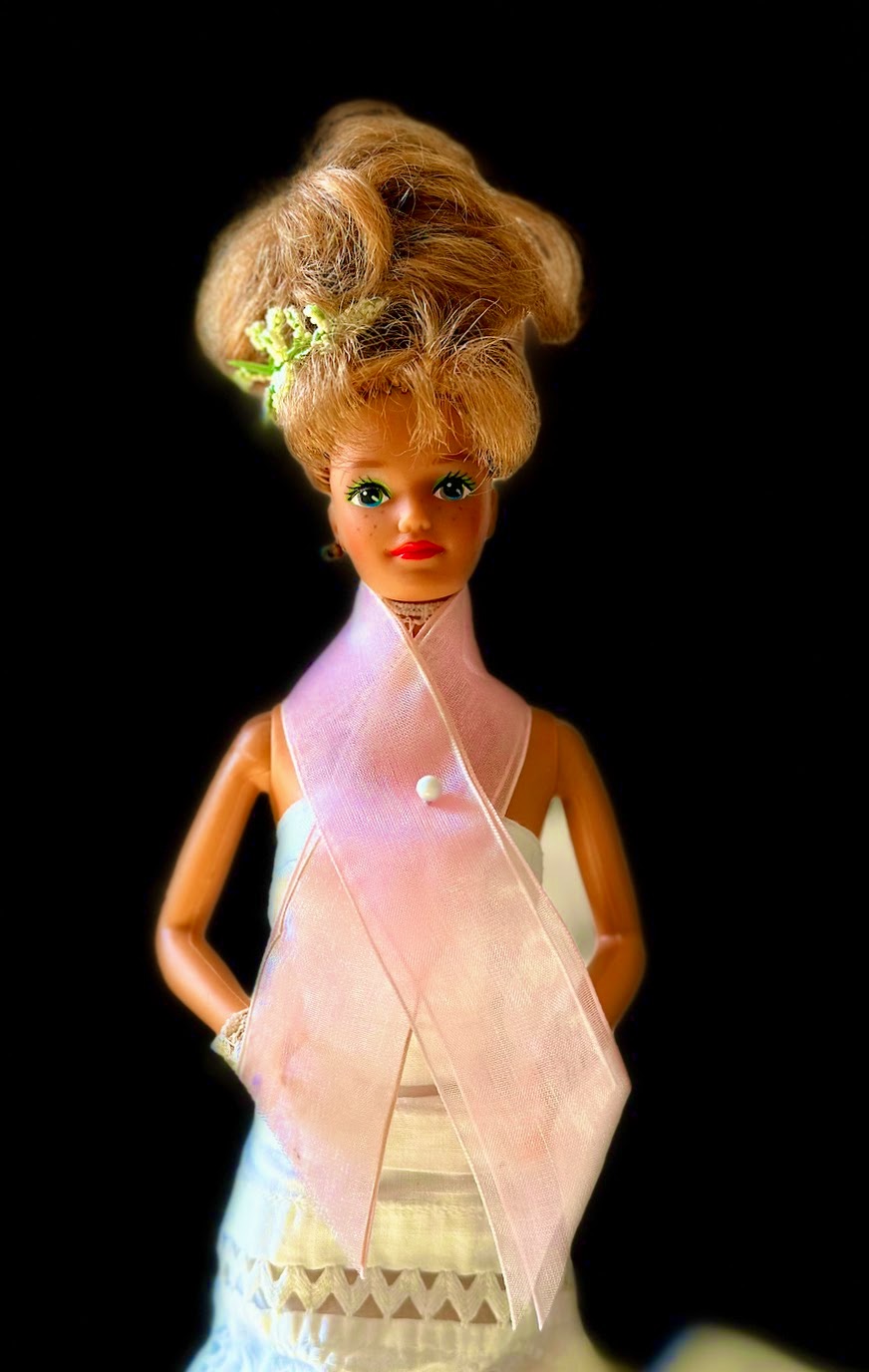
The Pink campaign began with The Susan G. Komen Breast Cancer Foundation, with the ubiquitous Pink Ribbon becoming the official symbol in 1992. Since then support, awareness and survivorship has increased many fold.
Over the last 2 decades, “Pink Ribbon” products have become big business with little oversight, engaging in “Pink Washing”. So please make sure to investigate where your money is going if donating.
AI
Published in 2014, everything still holds true to today. However, due to rapid changes in technology there is one topic not covered in this encyclopedia. That would be AI’s cultural influence on breasts. I’d love to read what Merril would write about that!
This is Emily Pellegrini. She is the most famous AIwoman in the world, currently. She has Facebook & TicTok accounts.
Merril D. Smith, PhD, holds a doctorate from Temple University.
She is the author or editor of several books including: Encyclopedia of Rape, Women’s Roles in Eighteenth-century America and Sex and Sexuality in Early America.
The past is lashed to the present. Hereinafter, all that glisters is not gold.
Roberta Eaton Cheadle’s research into the second Boer War moment of history is exemplary. First lesson – the motivation for the war was gold.
Then I wondered where Roberta’s impetus to write about the second Boer War came from.
Resa – Were you born in South Africa?
Roberta – I was born in Knightsbridge in London, but I have lived most of my life in South Africa.
Resa –When did your family move to South Africa?
My biological father died when I was three months old. My mother came out to South Africa to live with one of her sisters and she met and married my dad, Dean, my adoptive father. I have three half sisters who were all born here, as were my husband and both of my sons. My husband is a direct descendant of Andries Pretorius.
Resa – Ah, Andries Pretorius is mentioned in the book.
Roberta – I am proud about that. I am writing a few short stories currently that features Andries Pretorius and the famous Battle of Blood River.
Resa – Fantastic! I read up on Andres Pretorius. Your pride is no wonder, as is your motive for writing on this.
Click on above banner to read about Andries Pretorius
Resa – Whether in the trenches, a besieged town or in the field you have a point of view from characters on both sides that suffer the war. What was you objective in doing this?
Roberta – The short answer is because I wanted to present an unbiased perspective on the war and allow the reader to decide which perspective was the correct one. The historical archives for the British and Boers differ hugely in their perspectives on this war. I decided that I wanted to present both perspectives.
Resa – I appreciate that.
Roberta – It was only when my developmental editor suggested I expand it into a novel that I decided to bring in Estelle and Robert. This leads me to your question and why I wrote from the perspectives of Pieter, Estelle and Robert.
Resa – Yes, Pieter a Boer farmer, and Robert a British soldier. I recall their meeting.
Roberta- Originally, I wanted the third character which evolved into Estelle, to be the native African perspective. I wasn’t able to find enough reliable historical recorded history to include that perspective as a main thread. That is why there are two native African secondary characters. They are there to present as much of the native African perspective as I could dig up. I used some thesis’s written for local University purposes that delved into the ‘Black Concentration Camps’ as they were called at the time.
I also decided against presenting a native African main character because of the debate about cultural appropriation. I didn’t want to get embroiled in that concept. I wanted the book to be a realistic and fair presentation of this war and provide for considerations of all perspectives.
The details included in AGAHG are as reliable as I could manage given the limited recorded history from the native African perspective.
Dear Readers, please don’t think that this tale is all about men in their trenches, in the field and under siege!
There are many strong female personalities. Estelle, Pieter’s daughter is my favourite person from the past. Estelle is the character I remember best. ( and Michelle). Michelle, in the present day, is an admirable modern woman. As a matter of fact, she is a writer and is researching the Boer War.
Roberta – It interests me that Estelle and Michelle are the most memorable characters for you. For me, it is Pieter, but that is probably because this book started life as a short story which featured just Pieter as the primary character.
Resa – I think that is because Estelle is such an empathetic character, and represents to me what I would be if war was to hit my land – collateral damage. Michelle is the first one we meet, and it is through her the the modern day and paranormal part of the story is told.
Also, you did a good job with the step mother. She’s not a horrible person, far from it. However, her relationship with Estelle makes her unlikeable in a specific area.
Roberta – I am glad you don’t think Marta is a horrible person. She was supposed to be a person who was a product of her time and the suffering by the Boers at the hands of the English. Estelle is collateral damage, as were many of the Boer women and children as well as the native Africans who died in the camps. I think it was worse for the native Africans because it wasn’t their war.
Resa – I want to draw Estelle, as she was before the war. and what she might have looked like on her wedding day, had there been no war.
So, let me start with my warm up drawings of Estelle. I am examining the character, the reasonable accuracy of the clothing and expression. I did these impressions right after I finished the book.
This slideshow requires JavaScript.
Resa – The bonnet is not right for the time and place. However, based on Estelle’s character, I won’t draw her wearing a bonnet. I feel she would be told to wear a bonnet, but then take it off once in the forest gathering wood..
You have described Estelle well in the book, not just her physicality, but her essence. How do you feel about how I’m capturing her age?
Roberta – I think your age profile is correct for Estelle. Girls were raised in a very conservative manner in the Boer community and were very modest and lacking in worldly knowledge.
Resa- So, I tried to get an antique photo feel on my finished drawings using artificial lighting and a bit of editing.
Resa – I wanted the drawing to have movement, but women’s clothes were heavily layered so as not to reveal. I used the wind to blow her apron and hair.
A pinch-pleat ruffle was added just above the bottom of the skirt. That was to weight the skirt and help it not go between the ankles. The bib of the apron is pinned to the blouse, a common apron style then.
Roberta – I am particularly interested in your comment about the ruffles at the bottom of the skirt. I thought they were purely decorative so their practical purpose is new information for me.
Resa – Here’s Estelle’s wedding dress that never was.
Roberta – I love your idea of illustrating how things could have been had there never been a war. Very relevant for our current times too.
I love all of your drawings. It is wonderful that you can draw people like this with all the clothing from a period. I always liked dressmaking and used to make all sorts of dolls dresses when I was a girl. My sisters were talking about them recently and it made me remember.
Resa – You have one non speaking, non human character in your book, the Jacaranda tree. I understand you required a tree with a long lifespan, but why not …. say …. an African Baobab or a Sycamore Fig?
Roberta – I chose a jacaranda tree because they are very pretty and Pretoria is known for them. I had to do research on this point because Jacaranda trees are not native to South Africa and I had to make sure they already existed in Pretoria before the Second Anglo Boer War.
“Historical research shows that jacarandas were imported to South Africa round about 1830 and that the first ones were planted in Pretoria in 1888.“
Why not the Baobab for which Africa is famous? Simply, it is because Baobab trees don’t grow in Pretoria. They grow in Limpopo Province which is where part of the Kruger National Park is found. The rest of the park is in Mpumalanga Province. The same applies to the Sycamore fig tree, it grows in Limpopo, Mpumalanga and KwaZulu-Natal but not in Pretoria.
Resa – I already know that I want a photo of a Jacaranda tree, hopefully one that you took, for the post. Please send me one, if you have one.
Roberta – I took a splendid picture of a jacaranda tree this morning. I had to stop on the side of a busy road, cross over, and make a spectacle of myself to get this picture. It was worth it.
Resa – EGADS! It’s magnificent!
Roberta – Pretoria, the administrative capital of South Africa, is popularly known as Jacaranda City because of the large number of trees, which turn the city blue and purple when they flower in spring.
Resa – In terms of feedback from AG&HG, are readers more intrigued by the Boer War, the present day paranormal story or equally both?
Roberta – Based on the reviews this book has received, the history seems to have drawn readers rather than the modern timeline. I am glad about that as the history was the reason for the book. The modern timeline was to jazz it up and make it more compelling and interesting.
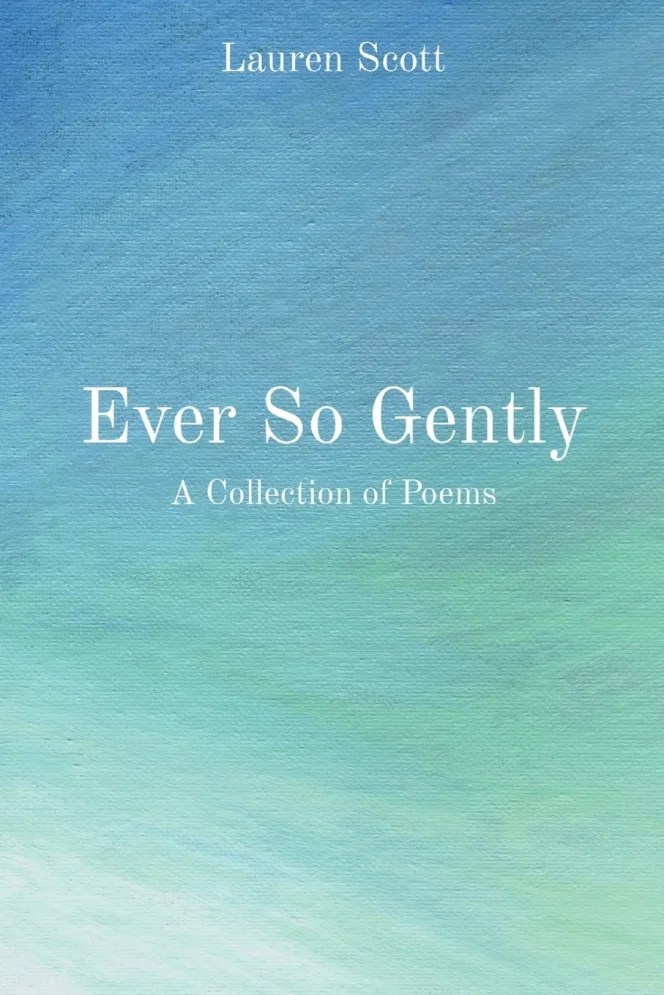
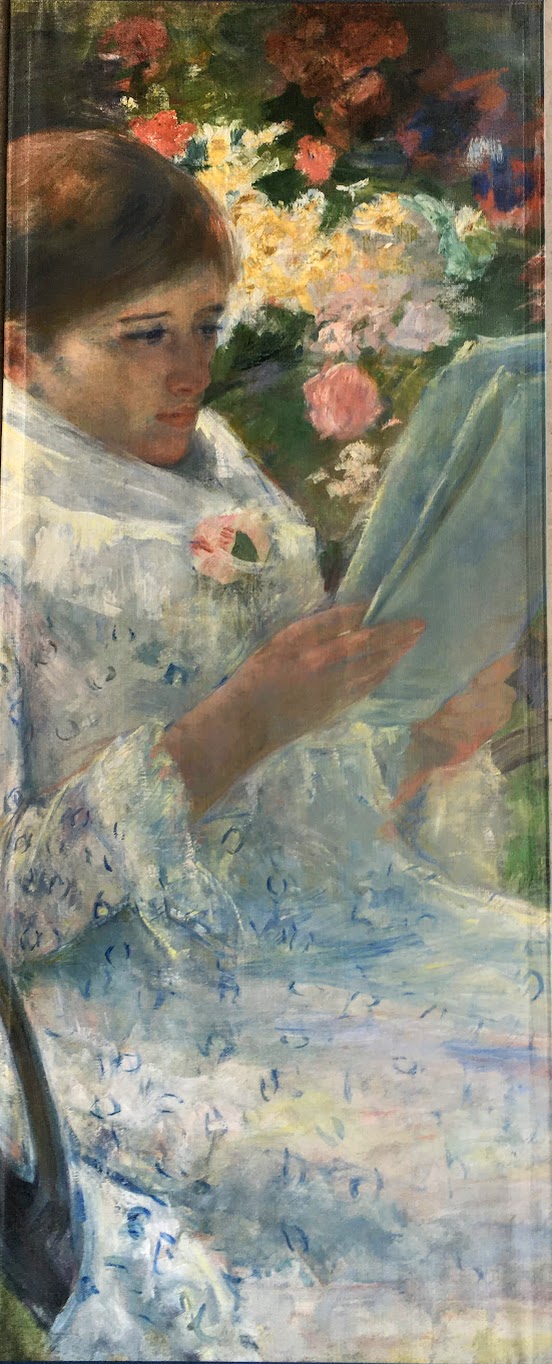
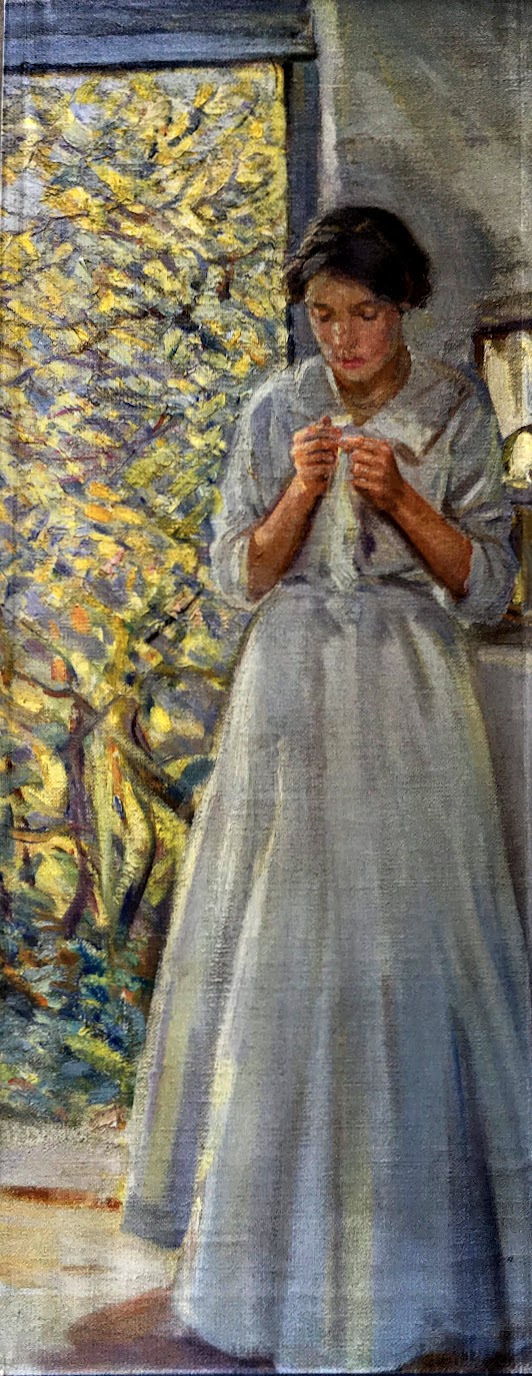
“Ever So Gently”by Lauren Scott reads like an Impressionist painting looks.
Lavender, salmon, watermelon, pale green, turquoise, gold, corals, pink, lemon yellow and blue are all in the poet’s word palette.
Resa – Were the poems written in a sort of order, or did you write what you felt, quite randomly, and then organize them?
Lauren – I wrote them when I felt inspired, so no, they weren’t written in any order.
Resa – Did you create the 3 parts when you began, I mean did you know you were writing in 3 topic areas off the start, or did that evolve?
Lauren –Some poems are on my blog and some aren’t. So, I went through the most recent poems on and off my blog and chose the ones I wanted in a book. Then I categorized them, and during that process, the 3 topics evolved.
The commonality in each section is that the syllabic poems are at the end.
In “The Wisdom of Nature” and “Lost in Thought”the order is random.
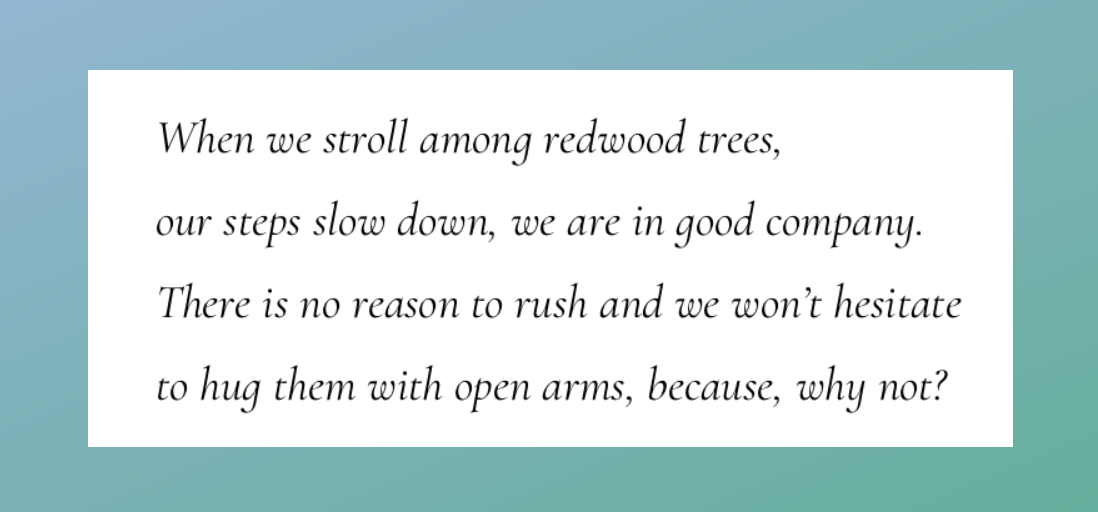
Resa – Ahh, in “The Wisdom of Nature”I love the poem “In Good Company”. In it you write:
Resa – You hug redwood trees, and thank them with reverence. More, they impart peace, a wisdom and joy unto you.
Lauren – When we moved to the bay area in California, I was introduced to a state park only 20 minutes from our house. You enter the park, and though it’s not far away in distance, you literally feel like you’ve entered a magical wonderland. Redwoods surround you for a day visit, a picnic in the park, or for a fun camping adventure. You stroll along the creek, captivated by their majestic presence. We’ve been to this park a million times, but each time feels like the first.
Ever since I stepped foot in this park, I’ve been in awe of redwoods. It’s incredible how they can grow to be over 300 feet tall, being the tallest in the world. And they can live to be 1,000 years old. That’s just incredible. When I look at them I feel a sense of safety, wisdom, communication, and yet, renewed energy.
Resa – Have you hugged other types of trees? Do different trees each transmit their unique essence to your spirit?
Lauren – I would say yes. When we’ve backpacked, other trees surround us and they’re beautiful, but I don’t feel the same enchantment. So, I can’t really comment about other trees like I can about redwoods.
Lauren – In“The Noise, The Laughter, The Chaos, The Loved Ones” I began with “The World is Broken” because it’s personally a special poem to me. Then I continued with my husband – before and when we met, and as we were married longer. Then the kids, parents, in-laws, sisters, pets…Love in every facet of life.
From: “The Blue Down Jacket”
Resa – Is the jacket an actual jacket, or a personified metaphor? If real, is it still with you, bringing memories of his mother?
Lauren – Yes, the jacket is real and we still have it. In fact, it will accompany us on our camping trip next week. It’s still loyal (smile), and reminds us of Matt’s mom who died at the age of 59. Way too young. She died the same year our daughter (first child was born).
Lauren – She knew I was pregnant, so the bright side is that she knew she’d be a grandma for the first time. But our daughter and grandma never got to meet. This has always been profound in Steph’s heart. Nor did she meet Michael. Very sad. She would’ve been such a doting grandma. The poem “Diane” is about her.
From “Diane”
Many poems include the family dog, Copper. I adore reading about him, and all the love. Every time I read these lines from the poem “Copper”, I break into a massive chuckle.
Resa – Were there dogs in your life before Copper? When you were a kid?
Lauren – When I was young, we had Duffy, a black cocker spaniel mix who lived to be 16. Some time after he died, we got Jasper, a springer spaniel. He was my first dog to grow up with. He lived to be 14 and died when Matt and I started dating. I cried for that entire weekend and Matt still married me! 🙂 We’re inching towards our 35th anniv.
But before Copper, our family had Lucky Girl, a black lab mix. She was our children’s first dog. There’s a poem in the book about her.
Lauren says to be kind to animals, and adopt a mutt or a rescue!
Resa – I felt Parts 1 & 2 were descriptions/paintings of many people, emotions, places, loves, nature, moments and more. In part 3, I see a dive into your inner self. You ask questions, solve problems, give advice and extend hope.
What do you say to my observation? Was this your intent?
Lauren – You have described the sections perfectly. So, yes, part 3, that was absolutely my intention. Many thoughts or scenarios to ponder. A few weren’t so uplifting, but that’s life. Life isn’t always a sunflower field. 🙂 But hope always waits in the shadows, ready to flow in when ‘she’ feels it’s necessary.
Resa – The poem “Ever So Gently”is a perfect summary to this.
Lauren – I’m glad you feel that way about “Ever So Gently”, and before I had a book title, when I came across that poem, it just clicked.
Resa – Lauren, I was thinking of putting the poem “Ever So Gently” at the end of the post. I’ve changed my mind. If ever there was a spoiler for a book of poetry, “Ever So Gently” is it!
I read the poems in order, but not at first. Deciding to try a different approach, I dove into the book like it was a box of chocolates. I read whatever poem in any order, as the fancy lead. Yet, as delicious as it all was; it’s more than confection.
It’s like collecting beautiful fabrics and trims. Poems were read, materials collected and a pattern designed. When the poems were over, they had draped a rich, beautifully adorned gown over my spirit.
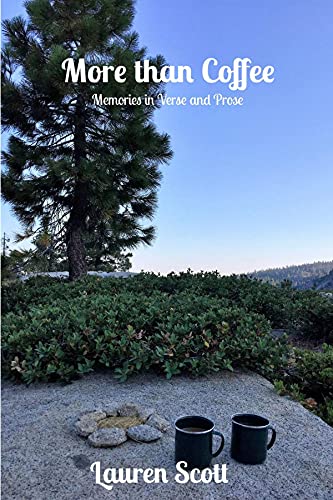
Click on the cover of “Ever So Gently”to buy it on Amazon. Click on the cover of “More Than Coffee” to but it on KOBO. Both venues carry both books, as well as Lauren’s other 2 books: “Finding a Balance” – “New Day New Dreams”





















 Graffiti Lux Art & More
You must be logged in to post a comment.